





For the Inca Trail, focus first on the essentials: original passport, broken-in hiking boots, layered clothing, rain protection, sun protection, warm camp layers, hydration, personal medication, and a light daypack. Most travelers do not need more gear; they need the right gear for altitude, cold nights, strong sun, and sudden weather changes.
Inca Trail Packing List at a Glance
Use this quick view before checking each item in detail. It shows what matters most, what Inkayni usually handles, and what you should personally prepare.
Pack by Season: What Changes on the Inca Trail?
The core packing list is similar year-round, but the emphasis changes. Dry season means stronger sun and colder nights; rainy season means mud, humidity, and gear that must dry fast. For a broader planning view, check our best time to hike the Inca Trail guide.
Main risk: underestimating cold nights and strong UV at altitude.
• Beanie and light gloves
• Sunscreen and lip balm
• Sunglasses and cold-night protection
Main risk: wet clothes, muddy trails, and damp documents or electronics.
• Backpack rain cover
• Gaiters for muddy sections
• Quick-dry clothes and Zip Lock bags
Required Documents for the Inca Trail

Passport
Your original passport is the first item you should secure before thinking about clothing, toiletries, or hiking gear. Inca Trail permits are issued under your personal information, so the passport you carry must match the one used for your booking.
Keep your passport in your daypack, not in your duffel bag, because it may be checked at the trail entrance and along the route. Use a waterproof Zip Lock bag or small dry pouch to protect it from rain, sweat, and humidity. For permit details, read our Inca Trail permits and availability guide.

Student ID Card
Students under 25 may qualify for a reduced Machu Picchu ticket when they present a valid university ID. The card should include your photo, university name, and expiration date. IDs without an expiration date are usually not accepted for this benefit.
Do not assume a fixed discount amount before booking. The final reduction depends on current official ticket rules, the selected Machu Picchu route, and the applicable tariff. If you are booking as a student, send a clear photo of your ID in advance so the agency can verify whether it applies.
Gear and Services Provided or Available Through Inkayni
Inkayni handles the main trek logistics, but your personal packing is still your responsibility. Always confirm your final inclusions before departure because rental items, equipment brands, and package details can vary by service.

Guides, Cooks, and Porters
Guides accompany the group, explain the route, manage timing, and support safety decisions during the trek. Cooks prepare meals at rest points and camps, while porters transport the main camping equipment and help set up the kitchen and dining areas.
This support does not mean you should overpack. You still carry your own daypack during the hike, and your duffel has a weight limit. Pack what you truly need, not everything that might be useful “just in case.” For more context, read our guide to Inca Trail porters.

Tents
Tents are normally provided and transported by the porter team, so you do not need to bring your own camping tent. For passenger comfort, tents are commonly arranged for two travelers instead of being filled to maximum capacity.
A good tent matters because nights can be cold, windy, or humid depending on the season. Inkayni has used Eureka tents as part of its camping equipment, but you should always confirm the exact equipment assigned to your departure during the pre-trek briefing.

Sleeping Pad
A sleeping pad is usually provided for comfort and insulation from the ground. This item matters more than many travelers think because cold often comes from below, especially at higher camps and during dry season nights.
Self-inflating pads help improve rest after long hiking days without requiring you to pack a bulky mattress. Inkayni has used Therm-a-Rest style sleeping pads, but final equipment can vary, so confirm the current details before departure.

Duffel Bag
Inkayni usually provides a duffel bag system for personal camp items. This bag is carried by porters and is normally available only when you arrive at camp, not during the hiking day.
Use the duffel for night clothing, spare layers, toiletries, sleeping bag if applicable, and non-urgent items. Do not place your passport, rain gear, sunscreen, medication, camera, snacks, or water inside it during the day. Those belong in your daypack.

Meals During the Trek
Meals during the trek are usually prepared by the cooking team at rest stops and campsites. This means you do not need to carry full meals or cooking equipment, which helps keep your personal packing lighter.
You should still bring small personal snacks for the hiking day, especially if you rely on specific energy bars, nuts, electrolyte sachets, or foods your stomach tolerates well. This is useful on longer climbs, early starts, or days when altitude reduces your appetite.

Portable Toilet
Inkayni provides portable toilet support at camps on selected services, which improves privacy, hygiene, and comfort compared with relying only on basic public facilities.
Even with this support, bring your own toilet paper, wet wipes, and hand sanitizer in small quantities. During the hiking day, facilities can be limited or basic, so keep these items in your daypack rather than buried in your duffel.

Sleeping Bag Rental
A sleeping bag is not automatically included in every service. In many cases, it is an optional rental item unless your confirmed package says otherwise. Confirm this before you pack, because bringing your own sleeping bag affects your duffel weight and available space.
Choose or rent a sleeping bag suitable for cold Andean nights. Dry season camps can feel especially cold, even when the days are sunny. Ask Inkayni for the current rental price, temperature rating, and whether a liner is recommended for your departure.

Trekking Poles Rental
Trekking poles are optional, but they are useful on steep descents, long stone staircases, muddy sections, and days when your knees or legs feel tired. They can improve balance and help reduce impact on downhill stretches.
If you bring or rent poles, use rubber tips to protect the Inca Trail stones. Brands such as Black Diamond are common references, but the important points are comfort, adjustability, wrist straps, and rubber tips.

Inflatable Pillow
An inflatable pillow can improve sleep without adding much weight. Some services may include one, while other travelers prefer to bring their own compact pillow for hygiene or comfort.
If you are sensitive to poor sleep, this small item can be worth the space. If you sleep easily, you can also improvise with a fleece or spare clothing inside a soft bag.
Clothing for the Inca Trail Trek

Underwear
Bring 4 to 6 pairs of breathable, quick-dry underwear. This is one of the easiest items to underestimate, but comfort and hygiene matter on a multi-day trek, especially when you are sweating during the day and sleeping in cold camps at night.
Avoid cotton-heavy underwear because it retains moisture, dries slowly, and can cause friction. Athletic or merino options are better. Brands such as Icebreaker and Adidas can serve as references, but the key is comfort, quick drying, and no irritating seams.

Base Layers
Pack two upper base layers and one lower base layer. These are your first layer against the skin, so they should help move sweat away and keep your body temperature more stable during climbs, cold mornings, and windy high sections.
A good base layer should fit close to the body without feeling restrictive. Merino wool and synthetic quick-dry fabrics are both useful. Avoid cotton as your main first layer because once it gets wet, it stays cold and uncomfortable for too long.

Long-Sleeve Shirts
Long-sleeve shirts protect you from strong UV, wind, insects, and sudden weather changes. They are useful even when the day feels warm because the Inca Trail includes exposed sections where sun protection matters.
Choose breathable, quick-dry fabrics that can work in both sun and light rain. Two or three long-sleeve shirts are usually enough for the Classic Inca Trail. Prioritize comfort under a backpack and avoid thick fabrics that trap sweat.

Fleece Jacket
A lightweight fleece jacket is essential for evenings, early mornings, rest stops, and high-altitude sections. You may feel warm while hiking, but your body cools down quickly once you stop moving.
A mid-weight fleece is usually a practical balance between warmth and bulk. Polartec fleece is a common technical reference, while brands such as Columbia, The North Face, and Helly Hansen offer suitable options. The goal is warmth without carrying a heavy city jacket.

Waterproof and Windproof Jacket
A waterproof and windproof jacket is essential because Andean weather can change quickly. It protects you from rain, wind, and cold air without forcing you to carry a heavy coat.
Look for a breathable shell with sealed seams or a reliable waterproof membrane. GORE-TEX is a known reference, but other waterproof technologies can also work if the jacket is tested and comfortable. In rainy season, this becomes one of the most important pieces in your packing list.

Hiking Pants and Shorts
Bring 2 to 3 hiking bottoms. Convertible pants are practical because mornings can be cold while lower sections can feel warmer during the day. They also help you adjust without carrying separate shorts.
Choose quick-dry materials with enough stretch for climbs, stone steps, and long descents. Brands such as Columbia and Craghoppers are common references, but fit matters more than brand. Avoid jeans because they are heavy, stiff, and slow to dry.

Camp Pants or Pajama Pants
One comfortable pair for camp helps you rest after hiking. This item is not for the trail itself, but for sleeping, changing out of dusty clothes, and feeling warmer once temperatures drop.
Keep it light and dry. Avoid heavy cotton sweatpants because they take space and dry slowly. A soft synthetic or lightweight thermal option is more practical for camp nights.

Rain Poncho
A rain poncho is useful even if you already have a rain jacket because it can cover part of your backpack during sudden showers. It is especially practical when rain appears quickly and you do not want to unpack everything.
During rainy season, a poncho can be the difference between damp gear and protected essentials. Even in dry season, basic rain protection is still recommended because mountain weather is not perfectly predictable.
Footwear for the Inca Trail Trek

Hiking Socks
Bring 4 to 6 pairs of trekking socks. Merino wool or quality synthetic socks work well because they manage moisture better than cotton and help reduce blister risk.
Look for socks with flat seams, moderate cushioning, and a comfortable fit inside your boots. Smartwool, Bridgedale, and Darn Tough are useful references. Avoid thin cotton socks for long hiking days because they hold sweat and increase friction.

Gaiters
Gaiters are placed over boots to help prevent mud, water, small stones, and trail debris from entering your footwear. They are not always essential, but they are very useful when the trail is wet.
If you hike between November and March, gaiters become much more practical because muddy sections and wet vegetation are more common. In dry season, lightweight gaiters can still help with dust and small stones, but they are less urgent.

Hiking Boots
Your boots should be broken in before the trek. Prioritize grip, ankle support, and comfort on stone steps, long descents, and uneven terrain. Avoid wearing brand-new boots on the Inca Trail because blisters can become a serious problem after the first long day.
Recommended features include mid or high ankle support, rubber soles with good traction, firm lacing, and enough toe space for descents. Merrell, KEEN, and Columbia offer common trekking options. For a deeper comparison, read our guide to the best shoes for the Inca Trail.

Camp Shoes or Sandals
After hiking, a light pair of camp shoes or sandals lets your feet rest. This is especially useful if your boots are damp, muddy, or your feet feel swollen after long descents.
Choose something compact, stable, and easy to wear with socks if the night is cold. Do not bring heavy spare shoes unless you have a specific foot condition. The goal is relief at camp, not extra weight.
Sun and Cold Protection Accessories

Sun Hat
Bring a lightweight hat that protects your face and packs easily. The sun can be strong at altitude even when the air feels cool, especially during dry season and exposed sections of the trail.
Avoid bulky hats that are difficult to carry inside a daypack. A secure fit matters because windy sections can make loose hats annoying or easy to lose.

Warm Beanie
A beanie is small but important for cold mornings and nights at camp, especially in dry season. It also helps during early starts before your body warms up.
You lose comfort quickly when your head and ears are cold. Choose a warm but compact option that fits under a hood if needed. This is a low-weight item with high comfort value.

Bandana or Neck Gaiter
A bandana or neck gaiter is useful for wind, dust, sweat, sun, and extra warmth around the neck. It can also work as a light face covering in dusty sections.
This is one of the most versatile small accessories you can pack. It takes almost no space and adapts to several trail conditions without adding meaningful weight.

Light Gloves
Light trekking gloves are usually enough for the Inca Trail. They help during cold mornings, windy passes, and early starts, especially when your hands cool down before the sun reaches the trail.
Brands such as Under Armour, Outdoor Research, Black Diamond, and Sealskinz are useful references, but breathability, grip, and fit are the main priorities.

Sunglasses
Good UV protection matters at altitude. You do not need glacier glasses, but you do need comfortable sunglasses that stay in place while hiking.
Choose real UV protection rather than purely decorative sunglasses. A lightweight case or soft pouch is useful so they do not get scratched inside your daypack.
Other Inca Trail Pages That Help You Pack Better
Daypack and Trail Accessories

Trekking Backpack
You carry your daypack during the hike, while the duffel is accessed at camp. A stable 20 to 30 liter backpack is usually enough for most travelers on the Classic Inca Trail.
Carry water, snacks, camera, rain gear, warm layer, sunscreen, passport, and personal medication. Look for padded straps, a comfortable hip belt, and side pockets for water. A rain cover is strongly recommended. For size and weight details, see our full Inca Trail backpack guide.

Headlamp
A headlamp is better than a handheld flashlight because it leaves your hands free at camp. You will use it for moving around at night, organizing your gear, and handling early wake-up times.
Bring fresh batteries or charge it before the trek. A simple, reliable headlamp is enough; you do not need an expensive model unless you already use one for hiking.

Camera or Phone
A phone is enough for most travelers. If you bring a camera, protect it from rain, dust, and impacts, especially in muddy months or during crowded campsite moments.
Do not overpack electronics. The Inca Trail has limited charging options and little cell signal, so battery management matters more than carrying many devices. Keep electronics in waterproof bags and avoid leaving them loose inside your backpack.

Water Bottle
Plan to carry enough water for the hiking day. Many travelers use two 1-liter bottles or combine one bottle with a hydration bladder. The right setup depends on your daypack and how easily you drink while walking.
Staying hydrated helps with altitude adjustment and hiking performance. Your guide will explain where water is available and how it is handled during the route. Do not rely on buying bottled water along the trail; carry what you need for the day.

Hydration Bladder
A 2 to 3 liter hydration bladder helps you drink without stopping. It is practical for long hiking days, especially if you prefer not to remove your backpack often.
Do not choose an oversized system that adds unnecessary weight. Make sure it fits your daypack before the trek and check that the hose does not leak. In cold mornings, keep the mouthpiece protected so it remains comfortable to use.
Toiletries, Health, and Small Essentials

Trekking Towel
Bring a compact quick-dry towel. It is useful for face, hands, hair, rain, and optional showers without adding much weight.
Avoid regular bath towels because they are bulky, heavy, and slow to dry. A small trekking towel is enough for hygiene and emergency drying; it does not need to feel luxurious.

Toothbrush and Basic Toiletries
Pack travel-size hygiene items only: toothbrush, toothpaste, deodorant, small soap, and any personal care product you truly need.
Do not bring full-size bottles. They add weight and take up space that could be used for warmer or more practical gear. Keep toiletries simple, sealed, and organized in a small waterproof bag.

Wet Wipes and Tissues
Wet wipes and tissues are useful for quick hygiene at camp and during the day. They help when water access is limited or when you want to clean hands, face, or dust from your skin.
Pack them responsibly and carry waste out when needed. Small packs are better than large packages. Add a small waste bag so used wipes do not end up loose in your backpack.

Sunscreen and Lip Balm
High-altitude sun can be intense even on cloudy days. Bring sunscreen and lip balm with SPF protection, especially if your skin burns easily or your lips dry out in wind.
Apply them before you feel burned. Wind, altitude, and dry air can damage your skin and lips faster than expected. Keep both items in your daypack, not in your duffel.

Mosquito Repellent
Mosquito repellent is useful in warmer and more humid sections near Machu Picchu and the cloud forest. Not every part of the trail feels the same, so this item becomes more relevant as you descend into warmer zones.
If you are sensitive to bites, bring a reliable repellent in a compact bottle. Avoid carrying large containers. Apply carefully and keep it away from eyes, camera lenses, and food.

Swimsuit
A swimsuit is optional. Pack it only if you plan to visit hot springs after the trek or your itinerary includes time for it.
If your schedule does not include hot springs, leave it behind and save space. This is a good example of an item that is useful for some travelers but unnecessary for others.

Hand Sanitizer
A small bottle of hand sanitizer is useful before meals, after restroom stops, and when soap and water are not immediately available.
Choose a small travel-size bottle and keep it in your daypack. Do not pack a large container; you only need enough for personal use during the trek.

Electrolyte Powder
Electrolytes can help on hot or demanding days and also make treated or boiled water easier to drink. They are useful if you sweat a lot, lose appetite, or struggle to drink plain water.
Bring a few sachets rather than a large container. This keeps your packing light and practical. Test the flavor before the trek if you are picky with taste.

Toilet Paper
Bring a small roll or compact pack. Some trail restrooms are basic and may not have paper available.
Keep it in a waterproof bag inside your daypack, together with hand sanitizer and a few wet wipes. Do not leave paper on the trail; carry out waste where required and follow your guide’s instructions.

Female Urination Device
A female urination device is optional. Some women find it useful in exposed sections, cold nights, or situations where privacy is limited.
If you decide to bring one, practice with it before the trek. Do not test it for the first time on the trail. Pack a small storage bag and wet wipes if you plan to use it.

Blister Bandages
Bring blister-specific bandages or quality athletic tape. Treat hot spots early before they become painful blisters, especially during long descents or after hiking in damp socks.
Products such as Compeed are common references for blister care, but the most important prevention is wearing broken-in footwear and good socks. Keep a few bandages in your daypack, not just in your duffel.

Altitude Medication
Some travelers ask their doctor about acetazolamide, commonly known as Diamox. Do not self-medicate; confirm dosage, side effects, allergies, and suitability before traveling.
Altitude medication does not replace acclimatization, hydration, pacing, or honest communication with your guide. If you are worried about elevation, read our guide on how difficult the Inca Trail is and plan your arrival in Cusco carefully.

Personal Medications
Bring the medication you normally tolerate, plus basics for headache, stomach upset, allergies, and any personal condition you already manage.
Keep essential medication in your daypack, not in the duffel, because you may need it before reaching camp. Carry prescriptions if relevant and bring enough for the full trip, not only the trek. This information is general and does not replace medical advice.

Antiseptic Cream
Antiseptic cream is useful for small cuts, scrapes, or irritated skin, especially when humidity, sweat, or dirty hands can worsen minor wounds.
Bring a small tube only. You do not need a large first aid kit unless you have specific medical needs. For most travelers, compact and practical is better than bulky.

Earplugs
Earplugs are small and almost weightless. They are helpful if you are sensitive to snoring, wind, rain, animal sounds, or general camp noise.
This is one of those tiny items that can improve your sleep without affecting your luggage weight. Pack them in a small clean pouch so they do not get lost.

Small Padlocks
Small padlocks are optional. They can give extra peace of mind for zippers or stored luggage in Cusco.
Do not bring heavy locks or unnecessary valuables. Keep security simple and practical. If you leave luggage at your hotel or office storage, a small padlock can be useful.

Cash
Bring small bills in soles or dollars for tips, small purchases, restrooms, and unexpected expenses where cards are not accepted.
Do not carry excessive cash on the trek. Keep what you need in a waterproof bag with your passport and separate it from any larger amount you leave safely in Cusco.

Portable Charger
There is no reliable electricity at camps. Bring a fully charged power bank and use airplane mode to save battery.
A 10,000 to 20,000 mAh power bank is usually enough for phones and small devices, depending on how much you record. Charge everything before departure and avoid wasting battery on unnecessary apps.

Waterproof Zip Lock Bags
Use waterproof Zip Lock bags for passport, money, phone, camera accessories, dry clothes, and wet items. They are simple, cheap, and extremely useful.
During rainy season, they help protect documents and electronics. During dry season, they still help organize small items and separate dirty or damp clothing from clean layers.
What Not to Pack for the Inca Trail
Packing well is also about leaving the wrong things behind. Heavy, wet, or unnecessary items make the trek harder without improving your experience.
Ready to Pack? Choose the Right Inca Trail Route
The Classic 4-day route, the Short Inca Trail, and longer variations do not require the exact same packing strategy. Start with the route that matches your time, fitness, and travel style, then adjust your gear.
Still comparing routes? Read the Classic Inca Trail vs Short Inca Trail guide before choosing.










 VIEW DIRCETUR'S CERTIFICATE
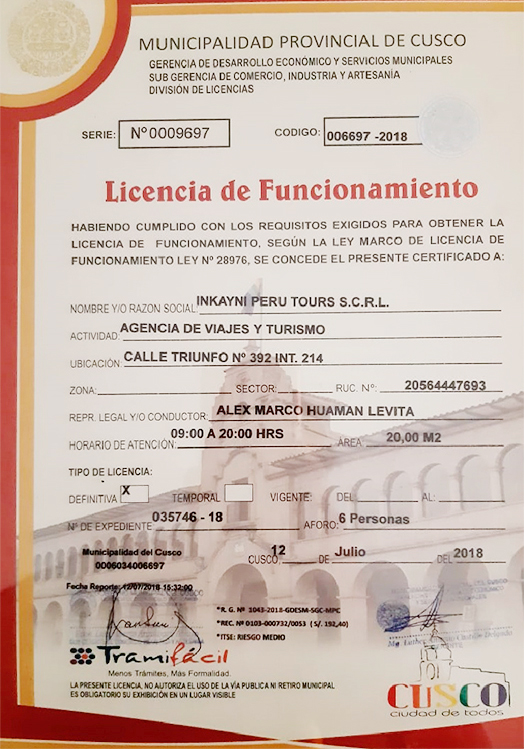 VIEW OPERATING LICENSE
 VIEW INCA TRAIL PERMIT
What our clients Say
Over 2,000 Excellent Reviews Validate Our Exceptional Service, See our reviews
5.0 de +630 comentarios
4.9 de +80 comentarios
4.9 de +3141 comentarios
5.0 de +100 comentarios
Tourradar
Facebook
Tripadvisor
Google