


What Machu Picchu Weather Is Really Like
For most travelers, the best weather window for Machu Picchu is usually from May to September, when skies are clearer, rain is less frequent, and visibility is better for the citadel, mountain views, and trekking routes. If you want a better balance between weather and crowd levels, April, May, September, and October often make more sense. January and February are the wettest months, with more mist, humidity, and less predictable conditions, although Machu Picchu itself usually remains accessible by train and bus while the Classic Inca Trail closes every February for maintenance.
Table of Contents
Machu Picchu weather is one of the main factors that can change your visit to Machu Picchu. The citadel sits between the Andes and the cloud forest, so the same day can bring mist, strong sun, passing clouds and light rain. This is why planning only by month is not enough. You also need to think about your entry time, your circuit, your train schedule, and whether you are doing a trek before arriving.
Many travelers arrive expecting weather similar to Cusco city and get surprised. Machu Picchu is lower, warmer and more humid than Cusco. This guide explains Machu Picchu weather month by month, what each season feels like, and how climate affects trains, treks, crowds and photography.
| Apr–Octdry season | Nov–Marrainy season | 7,972 ftcitadel elevation | May–Sepclearest months |

WORLD WONDER IN THE ANDESMachu Picchu
Discover the history, landscapes, and essential tips for visiting this world wonder.
Machu Picchu Climate: Why Is It Different from Cusco?
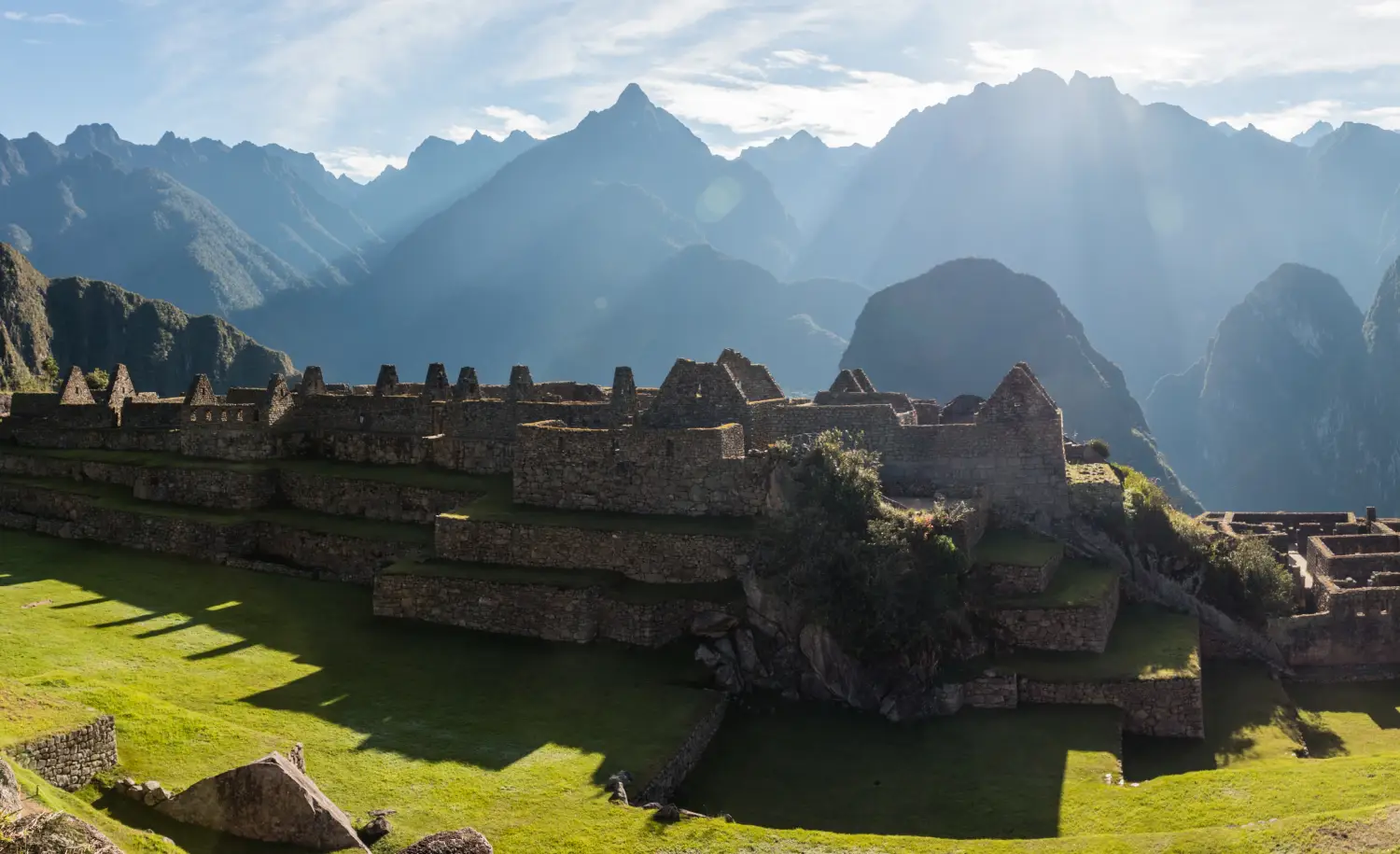
Cusco and Machu Picchu are close on the map, but their climates are not the same. Cusco sits above 11,000 ft, with colder nights, drier air and stronger temperature changes between day and night. Machu Picchu sits around 7,972 ft, in a warmer and more humid cloud-forest environment above the Urubamba River.
Keep this in mind:
Machu Picchu climate feels different from the climate in Cusco: it is lower, warmer, more humid and closer to the cloud forest. For travelers, that means lighter layers, more rain awareness and more flexibility with mist and visibility.
You may leave Cusco with a cold morning jacket, arrive in Aguas Calientes feeling warmer and more humid, and then find mist or drizzle near the entrance to Machu Picchu. The weather can shift quickly inside the sanctuary, especially during rainy months.

Machu Picchu Weather and Temperature by Month
Use this table as a practical planning tool. It is more useful than looking only for a “perfect” month, because each season has trade-offs: dry months bring clearer skies and more people; rainy months bring greener landscapes, mist and more weather uncertainty.
| Month | Season | Weather feel | Best for | Travel note |
| January | Rainy | Humid, green, frequent rain | Mist, often fewer visitors | Bring full rain protection and flexible expectations. |
| February | Rainy peak | Very wet, cloudy, slippery paths | Green landscapes | Classic Inca Trail closed; train route remains the normal access. |
| March | Rainy ending | Still humid, improving gradually | Lush scenery | Treks reopen but can still be muddy. |
| April | Transition to dry | Milder, greener, less rain | Balanced weather | One of the best shoulder months. |
| May | Dry | Clearer skies, cool mornings | Photos, treks | Excellent weather before the busiest peak; a strong month for Inca Trail hiking. |
| June | Dry | Sunny days, cold mornings | Treks, visibility | High demand; book trains and tickets early. |
| July | Dry | Stable, clear, cold mornings | Blue skies | Very busy month; plan Machu Picchu logistics well in advance. |
| August | Dry | Clear, dry, windy at times | Photography, trekking | Great visibility, high demand; reserve key services early if adding Huayna Picchu or Machu Picchu Mountain. |
| September | Dry ending | Warmer, occasional clouds | Good weather with less peak pressure | Strong option for travelers avoiding July-August crowds and comparing Sacred Valley logistics. |
| October | Transition to rainy | Mild, more clouds, possible showers | Shoulder-season travel | Pack rain gear, but many days are still pleasant. |
| November | Rainy begins | Humid, greener, more rain | Lower crowds | Good for flexible travelers with rain protection and a careful Machu Picchu safety plan. |
| December | Rainy | Warm, humid, frequent showers | Green landscapes, holiday travel | Expect rain, mist and busier holiday dates; consider sleeping in Aguas Calientes for easier timing. |
Best Months to Visit Machu Picchu by Travel Style
The best month depends on what you value most. Weather, crowds, trekking conditions and photography do not always point to the same answer.
| Your priority | Best months | Why |
| Clear skies and classic photos | May to September | Drier months usually offer better visibility and firmer trails. |
| Balanced weather and fewer peak crowds | April, May, September, October | Good shoulder months with more manageable flow than July and August, especially if your Machu Picchu circuit is planned early. |
| Green landscapes and mist | November to March | Rain brings intense vegetation and a more atmospheric look. |
| Classic Inca Trail | April to October | Best trail conditions are usually in the dry season; February is closed for maintenance. Check the best time to hike the Inca Trail before choosing dates. |
| Lower prices and more flexibility | Rainy-season months, excluding holiday peaks | Demand can be lower, but weather planning becomes more important. |
Guides that help you plan around Machu Picchu weather
Machu Picchu Weather Month by Month
This section gives a practical month-by-month overview. Temperatures are approximate and should be treated as planning references, not exact forecasts. Always check the forecast a few days before traveling.
January Weather in Machu Picchu
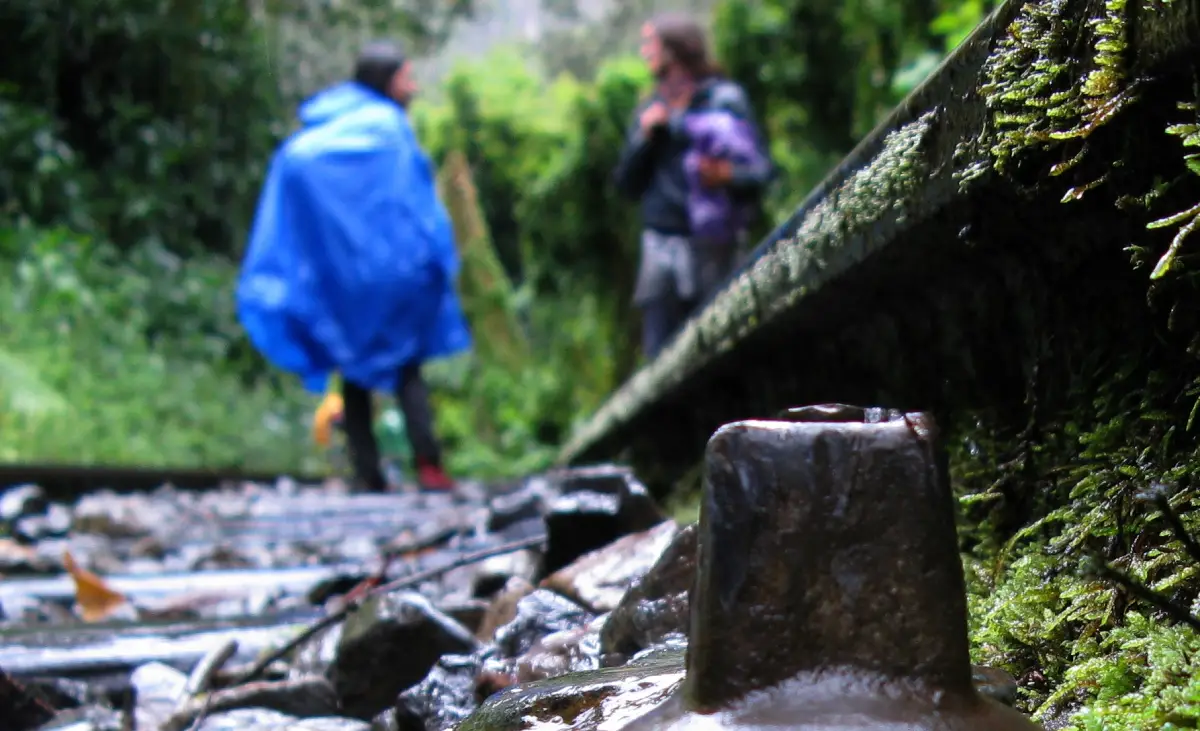
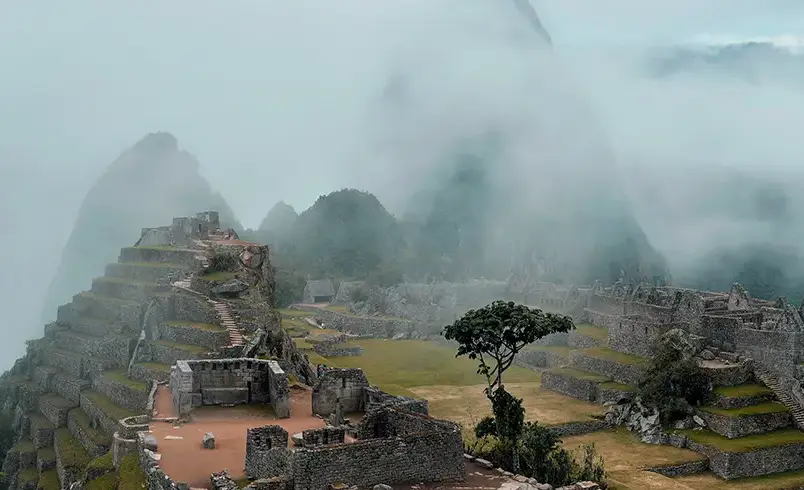
January is wet, humid and very green. Mornings often begin with mist, while rain can appear throughout the day. The landscape feels alive, but stone paths may be slippery and visibility can change quickly.
- Typical feel: warm, humid, rainy.
- Temperature range: around 55–75 °F.
- Best for: travelers who enjoy mist, greenery and fewer crowds.
- Pack: waterproof jacket, poncho, quick-dry layers, non-slip shoes and backpack cover.
February Weather in Machu Picchu
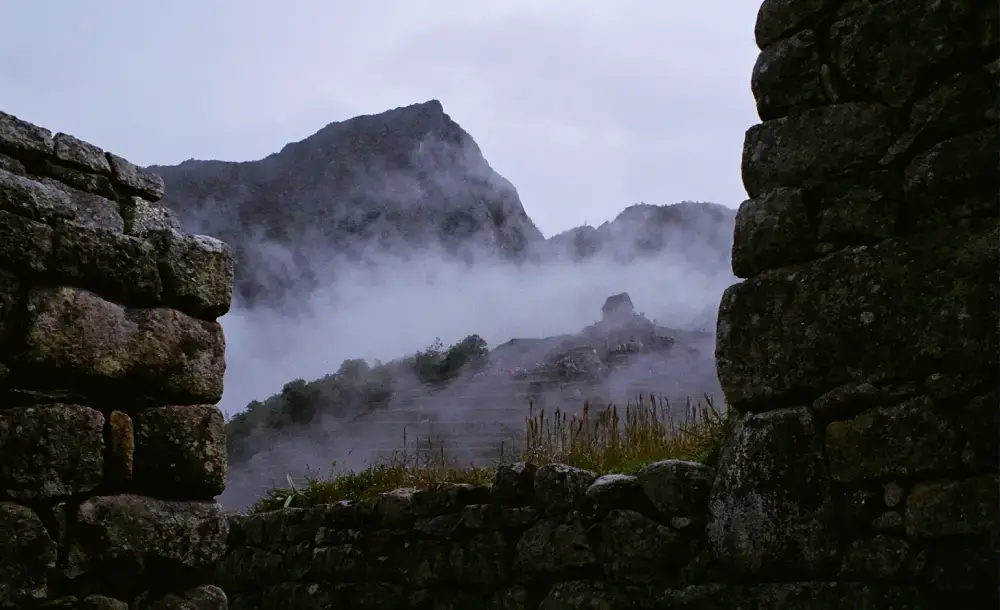
February is usually the most difficult weather month for trekking. Rain is frequent, humidity is high and trails can become muddy. Machu Picchu can still be visited by train and bus, but the Classic Inca Trail closes in February for maintenance.
- Typical feel: very wet, cloudy, lush.
- Temperature range: around 55–77 °F.
- Best for: flexible travelers who do not mind rain.
- Pack: full rain protection, waterproof footwear and dry bags for electronics.
March Weather in Machu Picchu
March is still rainy, but conditions begin to improve. The mountains remain intensely green, and some days offer clearer moments between showers. Treks reopen, though mud and mist can remain part of the experience.
- Typical feel: humid, green, gradually improving.
- Temperature range: around 55–77 °F.
- Best for: travelers who want lush landscapes with slightly better conditions than February.
- Pack: layers, rain jacket, footwear with traction and waterproof protection for gear.
April Weather in Machu Picchu
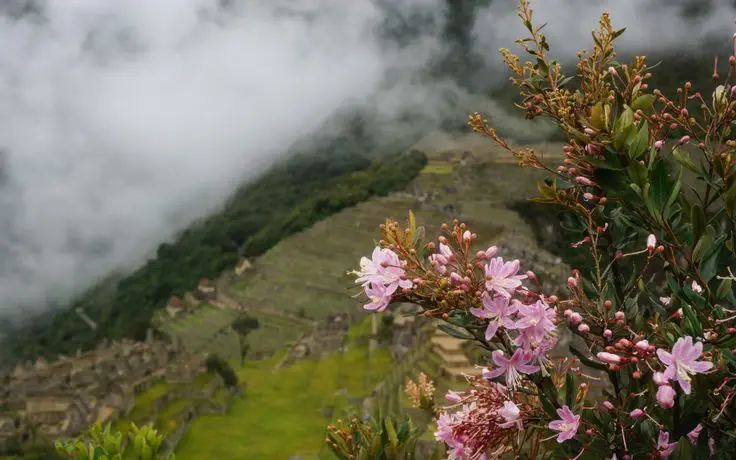
April is one of the best transition months. Rain decreases, the mountains are still green, and visibility improves. It is a strong option for travelers who want better weather without the highest dry-season demand, especially if they plan to combine Machu Picchu with the Sacred Valley or a short trek.
- Typical feel: mild, greener, improving visibility.
- Temperature range: around 53–77 °F.
- Best for: balanced weather, photography and treks.
- Pack: light jacket, rain layer, sunscreen and comfortable walking shoes.
May Weather in Machu Picchu
May is one of the strongest months for Machu Picchu weather. Days are usually clearer, rain is lower, and landscapes remain fresh after the rainy season. It is excellent for photos, treks and classic visits.
- Typical feel: sunny, fresh, mostly dry.
- Temperature range: around 45–72 °F.
- Best for: photography, trekking and first-time visits.
- Pack: light layers, sun protection, a jacket for morning and evening.
June Weather in Machu Picchu
June brings clear skies, strong sunlight and cold mornings. It is excellent for trekking and visibility, but also part of high season. Tickets, trains and hotels should be booked early, especially if your itinerary includes the 4 Day Inca Trail or mountain tickets.
- Typical feel: clear, sunny, cool in the morning.
- Temperature range: around 46–77 °F.
- Best for: dry trails, long treks and clear photos.
- Pack: sunscreen, sunglasses, light day clothing and a warmer layer for mornings.

July Weather in Machu Picchu
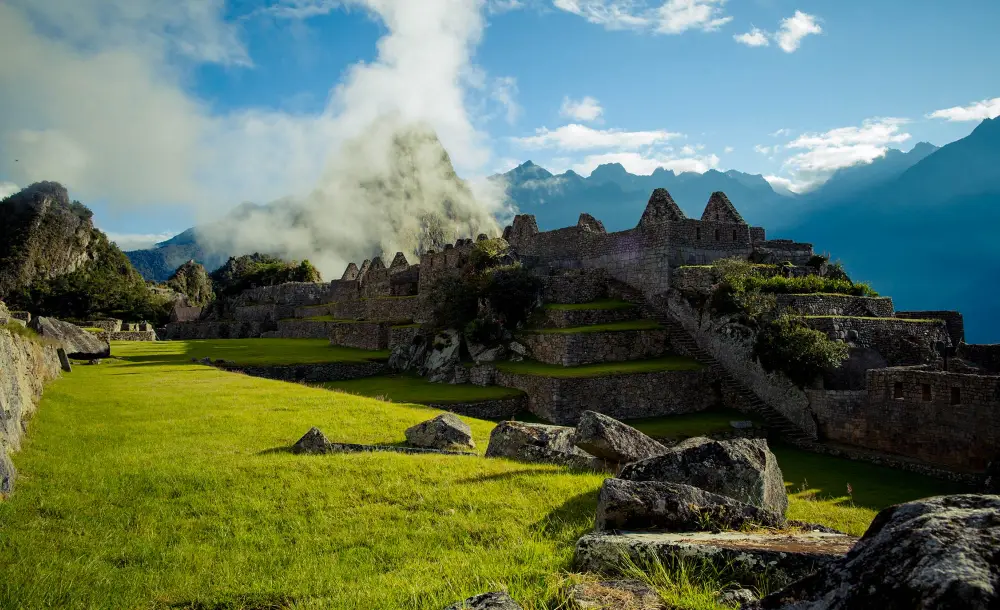
July is one of the clearest and busiest months. Visibility is usually excellent, trails are firm and sunny days are common. The downside is demand: entrance tickets, trains and hotels can sell out quickly, so travelers should coordinate routes, buses and tickets before finalizing dates.
- Typical feel: dry, clear, cool early, sunny by day.
- Temperature range: around 46–72 °F.
- Best for: blue skies and stable trekking conditions.
- Pack: sunscreen, hat, sunglasses and a jacket for cold mornings.
August Weather in Machu Picchu
August is dry and usually very stable. Days can be bright and clear, though mornings remain cool. It is one of the best months for wide views and mountain routes, but demand stays high.
- Typical feel: dry, clear, sunny, sometimes windy.
- Temperature range: around 41–68 °F.
- Best for: photography, treks and mountain views.
- Pack: layers, windbreaker, sunscreen and hydration.
September Weather in Machu Picchu
September is a good shoulder-style month. The weather is still favorable, temperatures are slightly warmer, and peak-season pressure begins to ease. It is a good month for travelers who want strong weather conditions without the heaviest July-August flow.
- Typical feel: mild, mostly dry, pleasant.
- Temperature range: around 46–68 °F.
- Best for: good weather and more manageable crowds.
- Pack: layers, sun protection and a light rain layer.

October Weather in Machu Picchu
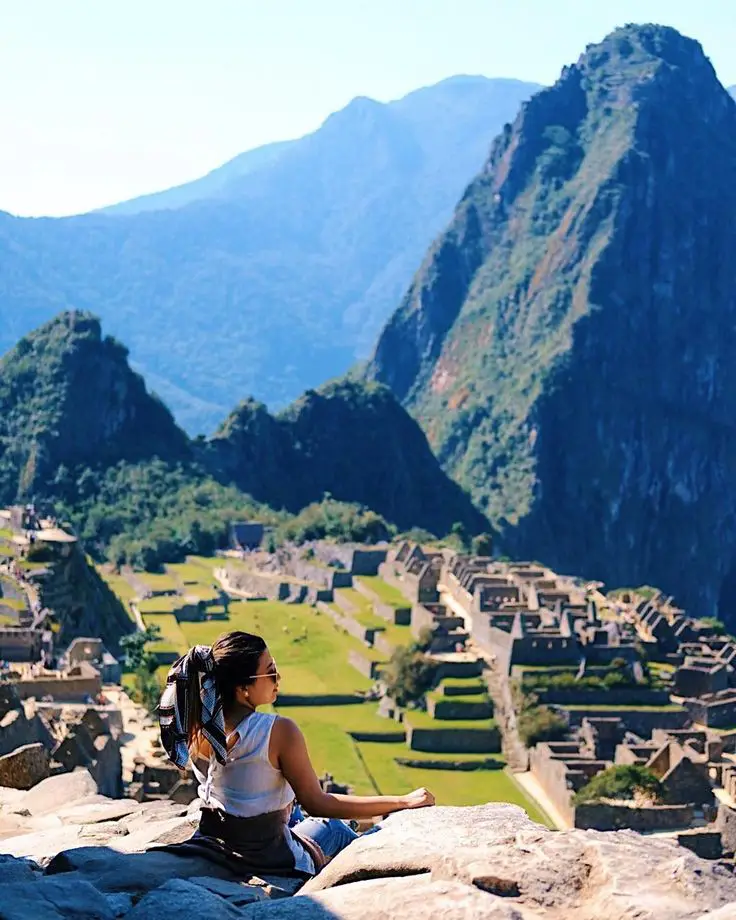
October marks the shift toward the rainy season. Many days remain pleasant, but showers become more likely, especially later in the day. It can be a good month if you want a balance between weather and lower demand, but your bus to Machu Picchu and return train should not be planned too tightly.
- Typical feel: mild, more humid, changing.
- Temperature range: around 46–68 °F.
- Best for: shoulder-season travel and flexible itineraries.
- Pack: light rain jacket, layers, sun protection and shoes with good grip.
November Weather in Machu Picchu
November brings more frequent rain, but it is not yet the most intense part of the wet season. Mornings may still be useful for visits, while afternoon showers become more common.
- Typical feel: warmer, humid, more variable.
- Temperature range: around 46–72 °F.
- Best for: lower demand and greener scenery.
- Pack: waterproof layer, quick-dry clothing and non-slip footwear.
December Weather in Machu Picchu
December is rainy, green and humid. It can be beautiful, but weather planning becomes more important. Holiday dates may also bring higher demand, so do not assume December is always quiet.
- Typical feel: humid, rainy, green.
- Temperature range: around 43–70 °F.
- Best for: lush landscapes and travelers prepared for rain.
- Pack: poncho, waterproof jacket, dry bags, traction footwear and light layers.
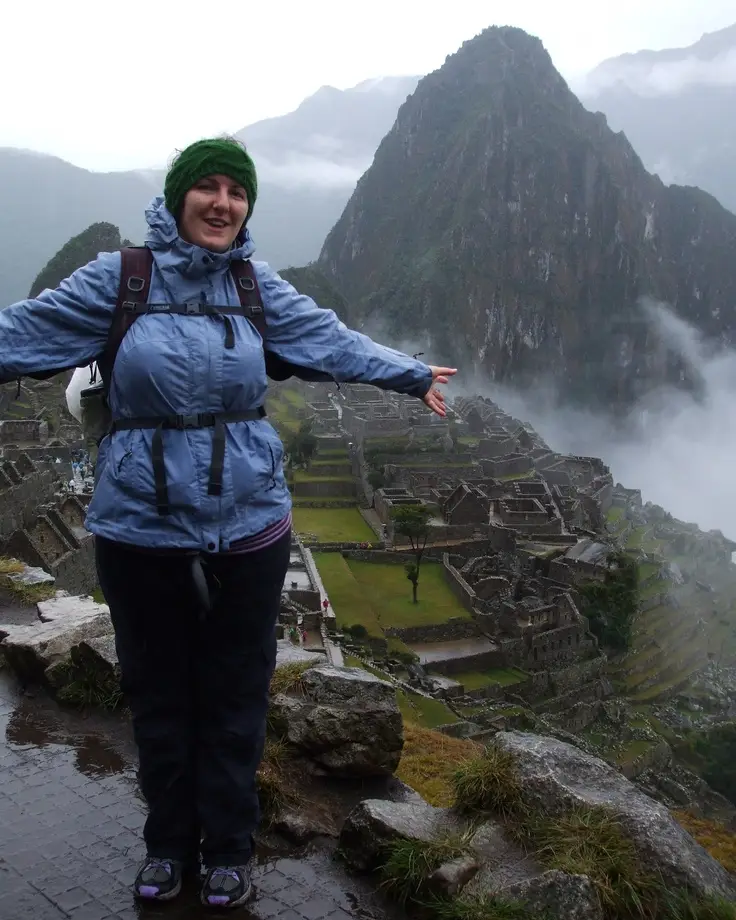

Dry Season vs. Rainy Season at Machu Picchu
The dry season is the safest choice for travelers who want clearer skies, easier trekking and more predictable days. The rainy season is better for travelers who accept weather changes in exchange for greener landscapes, mist and fewer visitors on some dates.
| Aspect | Dry Season: April to October | Rainy Season: November to March |
| General weather | Clearer, drier, cooler mornings. | Humid, greener, frequent showers. |
| Visibility | Usually better for classic photos and mountain views. | Mist is common; views can open and close quickly. |
| Trail conditions | Firmer and more predictable. | Muddy or slippery, especially on treks. |
| Visitor flow | Higher demand, especially June to August. | Often lower demand, except holidays and specific dates. |
| Best for | Photography, treks, first-time travelers, tight itineraries. | Green landscapes, mist, flexible travelers, lower-budget trips. |
| Main risk | Crowds and limited availability. | Rain, slippery paths, possible transport delays. |
How Weather Affects Treks to Machu Picchu
Weather matters even more if you are hiking to Machu Picchu. In the dry season, routes such as the Inca Trail, Salkantay Trek and Lares Trek usually offer firmer trails and better visibility. In the rainy season, trails can be muddy, river levels may rise, and insects can be more present in humid areas.
The most important rule is February: the Classic Inca Trail closes for maintenance during the entire month. If your dream is to reach Machu Picchu through the Sun Gate, avoid February and plan permits early. For alternatives, compare the Short Inca Trail, Salkantay, Lares or train-based routes depending on your dates.
PERU’S LEGENDARY HIKEInca Trail to Machu Picchu
Follow the historic trail through mountain passes, Inca sites, and cloud forest paths to Machu Picchu.


How Weather Affects Trains, Buses and Entry Time
Most travelers reach Machu Picchu through the train route to Aguas Calientes and then take the bus up to the entrance. In normal conditions, this is the most reliable way to visit. During heavy rain periods, however, travelers should pay more attention to official notices, train updates and road conditions.
Rain can also affect your experience inside the site. Stone stairs become slippery, ponchos can limit visibility, and fog may cover the classic photo viewpoint. If you travel in rainy months, avoid planning every connection too tightly. Give yourself margin between train arrival, bus boarding, entry time and return train.
| Weather factor | Practical effect |
| Morning fog | Can block the classic view early, then clear later in the morning. |
| Strong sun | Can burn quickly at altitude; use sunscreen, hat and sunglasses even on cool days. |
| Afternoon rain | More common in rainy months; can make stones slippery and slow the visit. |
| Heavy rain period | Can affect trains, walking routes or access plans; check updates before travel. |
What to Pack for Machu Picchu Weather
| Season | Bring | Avoid |
| Dry season | Sunscreen, sunglasses, hat, light layers, light jacket for early morning. | Heavy coats inside the citadel unless you are coming from a cold trek. |
| Rainy season | Rain poncho, waterproof jacket, quick-dry clothing, non-slip shoes, backpack cover. | Cotton layers that stay wet, slippery shoes, unprotected electronics. |
| Treks | Thermal layers, rain gear, dry bags, trekking shoes, warm layer for camps. | Unbroken shoes, heavy jeans, poor-quality ponchos. |
Best Time of Day for Machu Picchu Weather
The best time of day depends on the season. During rainy months, mornings can offer a better chance of dry weather, while afternoons may bring showers. During the dry season, mornings can be cold and clear, midday can be bright, and afternoon light can be softer. Your choice should also match your ticket, circuit and whether you are adding Huayna Picchu, Machu Picchu Mountain or a train return the same day.
Plan Machu Picchu With the Weather in Mind
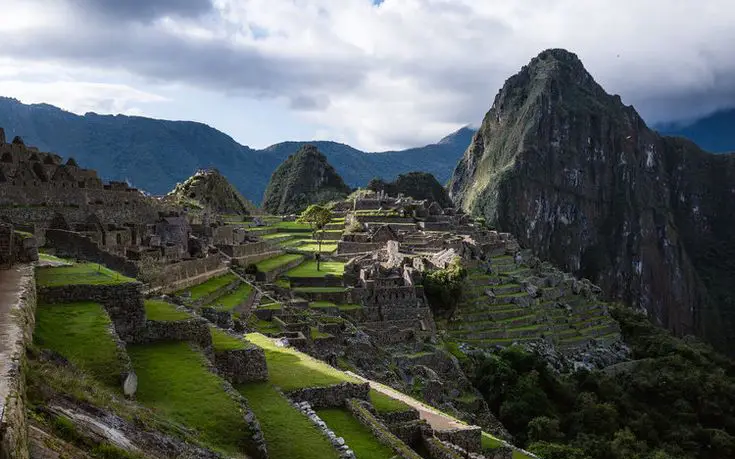
Machu Picchu changes with every season. Dry months usually bring clearer skies, firmer trails and better visibility, while rainy months bring mist, greener landscapes and a more unpredictable atmosphere. The best choice depends on your travel style, your tolerance for rain, your photography expectations, your circuit, your train schedule and whether you are adding a trek before reaching the citadel.
If you want local help choosing the right season, circuit, entry time and travel sequence, Inkayni Peru Tours can help you plan a Machu Picchu visit that fits the weather, your pace and the experience you want to have.
Frequently Asked Questions About Machu Picchu Weather
What is the best month to visit Machu Picchu for weather?
Does it rain a lot in Machu Picchu?
re mornings foggy in Machu Picchu?
Yes, morning fog is common, especially during rainy months and early hours. It can block the classic view for a while, then clear later in the morning. This is why first-time visitors should avoid planning train, bus, entry time and return schedule too tightly.
Is February a good time to visit Machu Picchu?
What should I wear to Machu Picchu in the rainy season?
What should I wear to Machu Picchu in the dry season?
What is the weather like on Huayna Picchu?
Does it snow in Machu Picchu?
Can weather affect trains to Machu Picchu?
Is Machu Picchu cold?
Is Machu Picchu sunny during the dry season?
When are there more mosquitoes in Machu Picchu?
Can I visit Machu Picchu during the rainy season?
Escrito por


Shared:



If you liked this article and the information you found, give us 5 stars!
 (1 votos, promedio: 5.00 de 5)
 Loading...