


How Do You Acclimate to Cusco, and How Long Does It Take?
Acclimatization in Cusco usually takes between one and three days. The first symptoms of altitude sickness can appear anywhere from 6 to 24 hours after arrival, not necessarily when you land. To reduce discomfort, the most helpful steps are to rest during the first few hours, stay well hydrated, eat light meals, and avoid physical exertion, alcohol, and heavy food on your first day. If your trip includes routes above 4,000 m, it is best to allow at least two or three days of adjustment before doing any demanding hikes.
Table of Contents
Cusco altitude sickness is one of the first real obstacles many travelers face after landing in the Andes. Cusco sits at 11,152 ft (3,399 m) above sea level. Lima sits at 331 ft (101 m). The flight between the two cities takes one hour and twenty minutes. That abrupt jump is why so many people arrive feeling fine and then start noticing headache, fatigue, nausea, or shortness of breath a few hours later, once the body begins reacting to reduced oxygen at elevation.
| 11,152 ftCusco altitude (3,399 m) | First nightCommon symptom window | 2–3 daysInitial adaptation | 48 hrsAvoid alcohol/exertion | 9,186 ftSacred Valley low point (2,800 m) | 4,000 m+Trek caution zone |
WORLD WONDER IN THE ANDESMachu Picchu
Discover the history, landscapes, and essential tips for visiting this world wonder.
This guide is written for the traveler who wants to understand Cusco altitude sickness before visiting Machu Picchu, starting a trek like the Inca Trail, or planning high-altitude day trips such as Rainbow Mountain or Humantay Lake from Cusco. No promises of magical acclimatization, no unnecessary alarm. Most people adapt well in two to three days if they make sensible decisions from the very first moment.
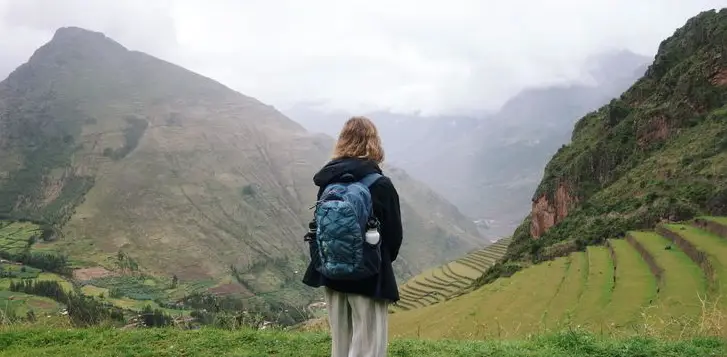
What Is Altitude Sickness?
Cusco altitude sickness, also called altitude sickness, mountain sickness, or soroche, is the normal response of the body to reduced oxygen availability at high elevation. At 11,152 ft (3,399 m), the percentage of oxygen in the air remains the same 21% as always, but atmospheric pressure is lower, which means each breath delivers fewer oxygen molecules to the body. The body responds by adjusting breathing, circulation, and red blood cell production, but that process takes time.
What matters to understand from the start: altitude sickness has no connection to physical fitness. A well-trained athlete can experience severe symptoms while a sedentary person feels perfectly fine. Acclimatization in Cusco depends on time and the decisions you make, not on prior fitness.
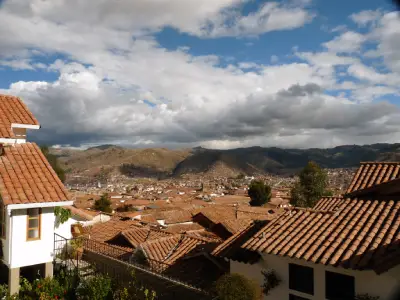
Past and present in conversation. Source: Karl Norling.
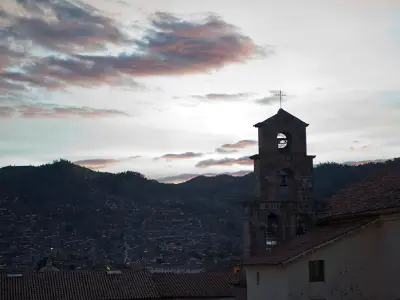
Days of good fortune. Source: Alfacode156.
How to Acclimate in Cusco and What to Expect
Most travelers need 2 to 3 days to adapt well in Cusco, although the first 24 to 48 hours are usually the most important. If your itinerary includes demanding routes above 13,120 ft (4,000 m), giving yourself at least 3 days before starting is the safer approach.
If your trip includes Machu Picchu, the Inca Trail, Rainbow Mountain, Humantay Lake, Salkantay, or Ausangate, give your body time before starting demanding routes. A calm first day in Cusco or a first night in the Sacred Valley can make the whole itinerary more manageable.
Cusco Altitude in Feet and Meters
Cusco sits at 11,152 ft (3,399 m) above sea level. That altitude is high enough for many travelers to feel symptoms of altitude sickness, especially after flying directly from Lima or another low-altitude city. The issue is not only the altitude itself, but the speed of the ascent: your body moves from near sea level to the Andes in less than two hours.
This is why Cusco altitude affects visitors differently from places such as Ollantaytambo or the Sacred Valley, which sit lower than Cusco and can be useful for a gentler first night. If you are planning a route to Machu Picchu, this altitude difference can also shape the best order of your itinerary.
Why Does Altitude Sickness Affect Local Cusco Residents So Much Less?
For those arriving in Cusco by plane from cities at sea level, the shift is abrupt: the body goes from 331 ft (101 m) to 11,152 ft (3,399 m) in under two hours, with no time to adapt. Many long-term Cusco residents are physiologically adapted through years of exposure, daily routine, and family history at altitude. That does not make anyone immune to discomfort, but it does explain why a local body usually handles the city differently from a traveler who just stepped off a plane. This is why the adaptation period is non-negotiable.
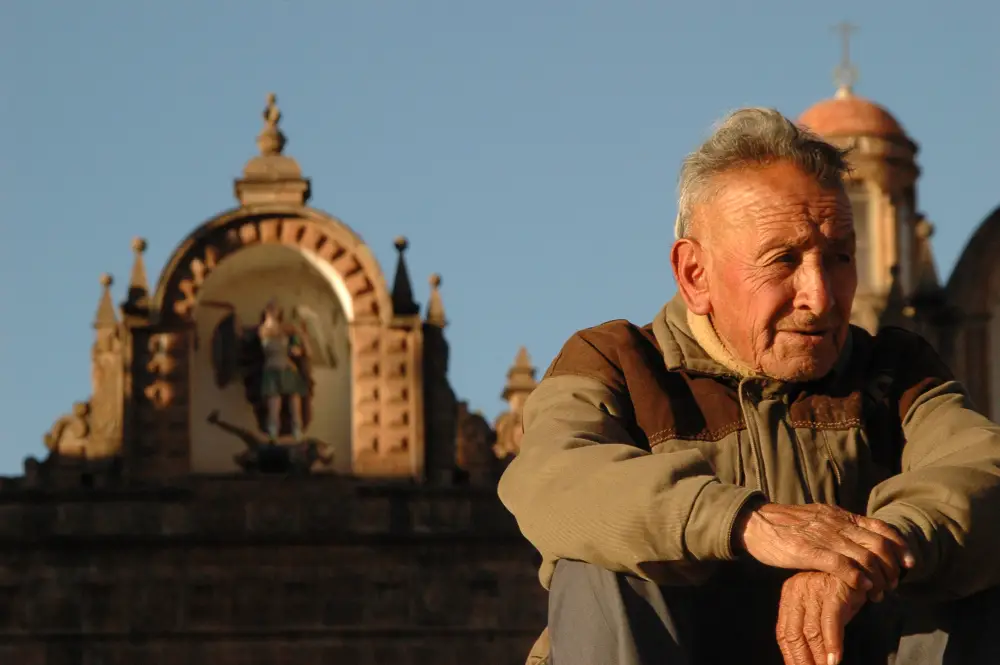
The calm of the afternoon. Source: Oscar Pacussich.
When Symptoms Appear and How to Recognize Them
Altitude sickness symptoms do not usually appear at landing. Clinical guidance places common AMS onset within the first hours after arrival, often during or after the first night at altitude. Many travelers reach the hotel feeling fine, go out for a walk, and that same evening the problems begin. Knowing this helps avoid overconfidence in the first few hours.
| Symptom | What it means | What to do |
| Headache | The most common symptom. Typically appears on the first night or the following day. | Rest, hydration, ibuprofen, or paracetamol. Mate de coca (coca leaf tea) may help with mild discomfort. |
| Unusual fatigue | Climbing a flight of stairs is more exhausting than normal. It is the body’s response as it works to compensate. | Do not force the pace. Moving slowly is the key, not stopping completely. |
| Nausea or loss of appetite | Digestion is slower at altitude. A heavy meal can significantly worsen symptoms. | Light meals: soups, quinoa, fruit. Avoid red meat and fatty foods for the first two days. |
| Dizziness or instability | Mild loss of balance, a sense of lightheadedness. | Sit down, breathe calmly, hydrate. If it persists for more than 30 minutes, seek medical advice. |
| Difficulty sleeping | The body regulates breathing during sleep. Insomnia and nighttime waking are normal in the first few nights. | Mate de coca before bed. Avoid alcohol at night. Improves progressively. |
Keep this in mind:
The primary advice for mild symptoms is rest, calm, hydration, and no further ascent. Many mild cases improve within 24 to 48 hours if the traveler stops forcing the body. If symptoms worsen or fail to improve, the correct response is medical evaluation and descent to a lower altitude when needed.
When to stop waiting and seek medical attention
These symptoms are different from mild altitude sickness and require immediate medical evaluation:
- Difficulty breathing at rest (not only while walking)
- Confusion, disorientation, or difficulty thinking clearly
- Loss of coordination or inability to walk in a straight line
- Persistent cough or a feeling of tightness in the chest
- Vomiting more than three times in a row
- Symptoms that worsen after 24 to 48 hours of rest
These can indicate high-altitude pulmonary or cerebral edema (HAPE / HACE), serious conditions that require descending to lower altitude and urgent medical attention. In Cusco, Clínica O2 Medical Network and Clínica CIMA operate 24 hours.
What to Do in the First 48 Hours
The first 48 hours matter more than any shortcut, supplement, or optimistic guess. What separates a manageable arrival from a bad one is usually a simple decision made too early: walking too much, eating a heavy meal, drinking alcohol, or trying to make the most of everything from day one.
| When | What to do | What to avoid |
| On arrival | Go directly to the hotel. Rest for at least 2 hours. Drink mate de coca, which most hotels offer at check-in. | Going straight to a restaurant for a heavy meal. Heading out to “make the most of the day.” Climbing unnecessary stairs. |
| First day | Hydrate steadily, usually around 2 to 3 liters per day unless your doctor has given you different advice. Walk at a calm pace around the Plaza de Armas or the historic center. Eat lightly. Go to bed early. | Alcohol. Excessive coffee. Heavy or fatty meals, red meat. Demanding physical activities. |
| Second night | If the body is responding well, a light city visit or a calm Sacred Valley visit is already manageable. | Forcing a high-altitude excursion if symptoms persist. The Inca Trail, Salkantay, Ausangate, Rainbow Mountain, or Humantay Lake should wait until acclimatization is solid. |
| From day three onward | The body responds considerably better. More demanding activities can be resumed with greater confidence. | Confusing adaptation with immunity: passes above 13,120 ft (4,000 m), including sections of the Classic Inca Trail, Salkantay Trek, and Ausangate Trek, still require care even from day three onward. |
Who Is at Higher Risk?
| Profile | Why the higher risk | Additional recommendation |
| Travelers from Lima or other sea-level cities | The jump from 331 ft (101 m) to 11,152 ft (3,399 m) in an 80-minute flight is as abrupt as it gets. | Consult a doctor about Diamox if the itinerary is very tight. |
| Children and older adults | Symptoms can be harder to interpret, and some travelers may have less reserve when oxygen availability drops. | Plan with at least 2 nights of margin before any high-altitude activities, especially if the itinerary includes Rainbow Mountain, Humantay Lake, or long treks. |
| People with cardiac or respiratory history | Reduced oxygen availability places greater demand on the cardiovascular and respiratory systems. | Medical consultation before the trip is strongly recommended. |
| Those who have had altitude sickness on previous trips | A history of altitude sickness is the strongest predictor that it can happen again. | Do not assume the same outcome as before. Each trip is different. |
Myths About Cusco Altitude Sickness
| The myth | The reality |
| “Coca leaf tea prevents altitude sickness 100%” | It may ease mild discomfort for some travelers, but it does not replace rest, gradual adaptation, or medical care when symptoms worsen. |
| “Fit young people do not get altitude sickness” | Physical fitness does not determine how the body responds to altitude. Elite athletes can experience severe altitude sickness. |
| “Cusco beer or pisco help with altitude sickness” | Alcohol dehydrates and can significantly worsen symptoms. It is one of the most common mistakes travelers make, and one with real consequences. |
| “If I had no symptoms last time, I won’t this time either” | Some people experience altitude sickness on their second visit but not their first. The response varies with each trip. |
| “You should take Diamox right when you arrive” | Diamox works by accelerating the acclimatization process, but it needs to be active in the body before reaching altitude. Taking it only at landing does not have the same preventive effect. |
Lessons from Travelers Who Arrived Without Knowing
These are real, frequently repeated mistakes among travelers who arrive in Cusco without prior information.
| What happened | Why it happened | What to do instead |
| “As soon as I stepped into Cusco I had a terrible headache and my mouth was so dry.” | Arrived without prior acclimatization and did not rest on arrival. | The first few hours are for rest. No walking around, no climbing unnecessary stairs, hydrate from the very first moment, and leave longer Cusco sightseeing for later. |
| “I got altitude sickness the second time I went to Cusco, not the first.” | Became overconfident because the first experience was symptom-free. | A symptom-free history does not guarantee anything. Each trip calls for the same caution, particularly before routes with sustained effort such as the Inca Trail. |
| “Someone told me Cusco beer helps with altitude sickness.” | A widely repeated myth with no factual basis. | Alcohol dehydrates and worsens symptoms. Wait at least 48 hours before consuming any. |
| “As soon as I landed I went straight for a pizza. I felt awful afterward.” | Digestion is slower at altitude. A heavy meal uses energy the body needs for adaptation. | For the first two days: soups, quinoa, fruit. Eat small amounts at a relaxed pace, especially before a long transfer to Machu Picchu or the Sacred Valley. |
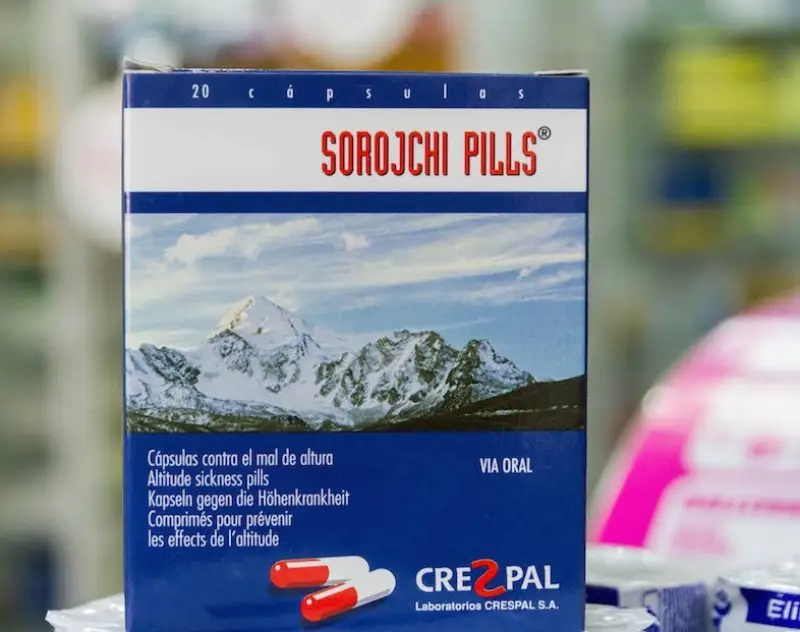
| “I had no idea what medication to buy.” | Without prior information, a local pharmacy can be overwhelming. | Sorojchi Pills or local pharmacy options are available at local pharmacies. For Diamox, consult a doctor before the trip. See the medications table below. |
Other Guides That Help You Plan Around Cusco Altitude
Altitude Sickness Medications
Mate de coca is the best-known remedy and has real value for mild symptoms: it may ease initial discomfort. But it does not prevent or cure altitude sickness, it only helps some travelers feel better. Coca leaf is legal and culturally accepted in Peru; as an infusion it does not carry the effects of processed cocaine. It is commonly offered in hotels, markets, and restaurants across the historic center and other Cusco tourist areas.
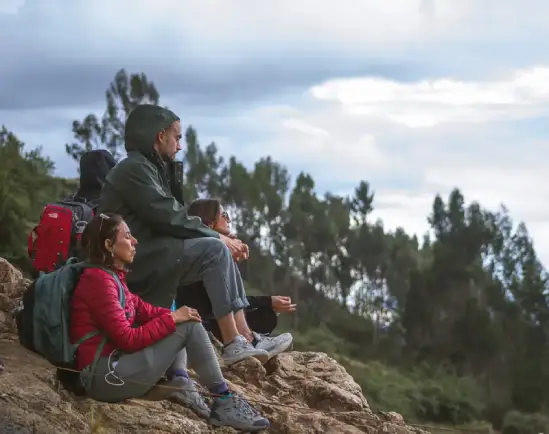
Resting the first days is not losing the trip: it is the condition for enjoying it. Source: Cusco Perú.
| Option | What it does | What to know |
| Mate de coca (coca leaf tea) | May ease mild symptoms: headache, nausea, fatigue. | Legal and culturally accepted in Peru. Most hotels offer it on arrival. Do not treat it as a medical cure. |
| Sorojchi Pills or local pharmacy options | May relieve headache and general discomfort, depending on the formula and your medical profile. | Check the label and ask a pharmacist, especially if you cannot take aspirin, caffeine, or similar ingredients. Symptomatic relief, not preventive. |
| Ibuprofen or paracetamol | Relieve headache and general discomfort. | First-line symptomatic relief. Available at any pharmacy. |
| Acetazolamide (Diamox) | Accelerates the acclimatization process by stimulating breathing and adjusting blood chemistry. | Discuss it with a doctor before the trip. It works best when started before ascent, and it can cause side effects such as tingling and frequent urination. Do not self-medicate if you have allergies, kidney problems, pregnancy, or complex medical history. |
Did you know?
Some hotels in Cusco offer supplemental oxygen at reception or in the rooms. It can help in moderate cases while medical advice is arranged, but portable oxygen cans are not a substitute for proper treatment. If symptoms require oxygen repeatedly, worsen, or do not improve, go to a clinic or descend to a lower altitude.
Gradual Acclimatization Strategies
The best acclimatization strategy begins before reaching Cusco. With a well-organized itinerary, the body can make the initial adjustment at lower altitude before facing the 11,152 ft (3,399 m) of the city.
Start with the Sacred Valley
The Sacred Valley sits between 9,186 and 9,514 ft (2,800 and 2,900 m): nearly 2,000 ft (600 m) lower than Cusco. Spending the first night in Urubamba or Ollantaytambo instead of Cusco city allows the body to make the initial adjustment at a gentler altitude and arrive in Cusco already partway adapted. The climate in the valley is milder and the pace of the archaeological sites is exactly what the body needs in the first days, especially if the route later continues by train toward Machu Picchu.
Do the Cusco City Tour in the First Days
If you arrive directly in Cusco, the Cusco city visit is the most appropriate excursion for the first days: it moves through the city at a calm pace with frequent stops and no extreme physical demands, unlike early departures to Rainbow Mountain or Humantay Lake. Sacsayhuamán, the San Pedro Market, Qoricancha, the historic center: all accessible without demanding ascents. A way to keep moving while the body adapts.
Visit Apukunaq Tianan
Apukunaq Tianan sits at 11,811 ft (3,600 m), a similar altitude to the city. The circuit is light and immersive: large sculptures carved into rock represent Andean deities in an open natural setting. It can be reached on a short walk or by bicycle. It allows gradual adaptation without demanding too much, and combines gentle movement with real contact with Andean culture.
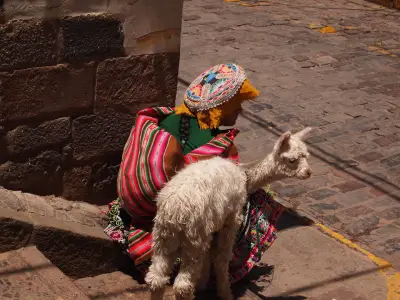
Unhurried and timeless. Source: Leo Gonzales.

Under the golden light. Source: Leo Gonzales.
A Deeper Dimension
Acclimatization in Cusco is a slow, attentive process. Andean communities have lived at these altitudes for centuries, adapting their bodies and customs to the energy of the mountain. Walking through Cusco is not only a physical challenge: it is also an invitation to tune in to the rhythm of the Andes, unhurried, deep, and rooted in respect for the natural world.
More than preparation, acclimatization in Cusco is a way of integrating into the pace of the place. Allowing yourself to listen to your body, respecting the time it asks for, and moving without rushing makes each step feel steadier, more present, and more fully experienced.
How a Travel Agency Can Support Acclimatization in Cusco
Any responsible tour operator integrates acclimatization into the logic of the itinerary, not as an afterthought but as part of the route design. At Inkayni Peru Tours we work with the following:
| Resource | How it works in practice |
| Itineraries designed with gradual ascent | For travelers arriving from sea level, we organize the route starting with the Sacred Valley before ascending to Cusco. |
| First aid kits on all vehicles | All our vehicles carry kits specifically stocked for altitude symptoms. |
| Supplemental oxygen at accommodations | Available at the lodgings we operate, for cases of moderate altitude sickness. |
| Team trained in first aid | Guides with years of experience who recognize symptoms and know when to refer to medical care. |
| Personalized advice before the trip | Before departing you can share your group’s profile (ages, condition, history) with us and we adjust the itinerary accordingly. |
MOUNTAIN OF SEVEN COLORSRainbow Mountain Peru
Hike through the Andes to one of the most famous mountain of natural mineral colors.
TURQUOISE LAKE HIKEHumantay Lake
Discover bright turquoise waters beneath the snowy peaks of the Andes.
Getting Cusco Altitude Sickness Under Control Changes the Entire Trip
Cusco altitude sickness does not depend on quick fixes or physical fitness. It depends on time, pace, and simple decisions made from the moment you arrive. Understanding when symptoms appear, what to do in the first 48 hours, which mistakes to avoid, and how to organize the itinerary better allows the body to respond well and the trip to be enjoyed more safely.
If you want to travel with an itinerary designed to reduce the impact of altitude from day one, Inkayni Peru Tours can help you organize a more progressive route, answer your questions before booking, and adapt the plan to the profile of your group, especially if you plan to continue toward Machu Picchu, the Inca Trail, Rainbow Mountain, Humantay Lake, or other high-altitude routes. You can contact us to get a quote, consult, or plan your Cusco trip with more knowledge and less improvisation.
Frequently Asked Questions About Cusco Altitude Sickness
What is Cusco altitude sickness?
How many days do you need to acclimate in Cusco?
Is altitude sickness dangerous?
When should you worry and seek medical attention?
Does the agency recommend any specific itinerary to reduce altitude sickness?
- Sacred Valley: gentler acclimatization at 9,186 to 9,514 ft (2,800 to 2,900 m). Milder climate and more relaxed pace than Cusco. Ideal as a first destination before going up to the city.
- Cusco city tour: light circuit through the city with frequent stops. Allows adaptation without extreme physical demands while visiting Sacsayhuamán, Qoricancha, and the Cathedral.
- Apukunaq Tianan: at 11,811 ft (3,600 m), similar altitude to Cusco. A calm walk among rock-carved sculptures representing Andean deities. Can be done on foot or by bicycle.
- San Pedro Market: strolling through the local market at a relaxed pace, breathing the Andean air, and trying natural infusions like coca leaf tea as part of a soft Cusco first-day plan. No extreme physical demands.
Does Diamox work if I take it when I arrive in Cusco?
How much water should I drink per day in Cusco?
What should I eat in the first days in Cusco?
What if I have more questions about acclimatization before traveling?
Autor
Shared:


If you liked this article and the information you found, give us 5 stars!
 (3 votos, promedio: 5.00 de 5)
 Loading...