


Quick Answer
Yes, Machu Picchu is a safe tourist destination. It has permanent surveillance, controlled access, and well-organized routes that allow for an orderly and peaceful visit. Overall, the experience is stable and smooth, though you should always keep in mind factors like changing weather, occasional roadblocks, or altitude.
The key to avoiding setbacks is to stay informed before traveling, follow local instructions, and have confirmed reservations. With clear information and advance booking, your visit will be smooth and safe.
Table of Contents
“Is it safe to travel to Machu Picchu?” is one of the first questions that comes up when someone plans to visit this wonder of the world for the first time. The archaeological sanctuary is surrounded by mountains, connected by specific routes, and subject to regulations that not all travelers know about. Safety doesn’t just depend on the place itself, but also on the information and preparation you bring with you.
In this guide, you’ll find everything essential to plan clearly, avoid setbacks, and enjoy your visit with peace of mind. Keep reading and avoid the most common mistakes.
| SafeControlled visit | 5,600High season cap | 40×35×20 cmBackpack limit | Nov–MarRainier months |


Is Machu Picchu a Safe Destination?
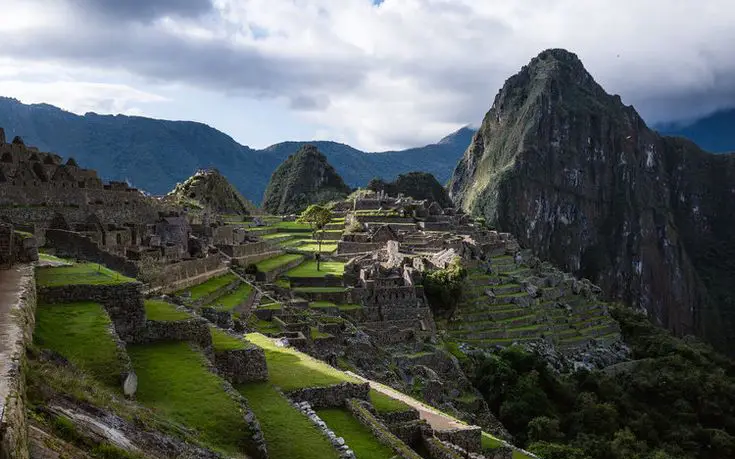
Yes, Machu Picchu is one of the safest destinations for tourists throughout Peru. The archaeological site, along with the town of Aguas Calientes (also known as Machu Picchu Pueblo), lives almost exclusively from tourism, which means both authorities and locals are committed to protecting visitors’ peace of mind.
Keep this in mind:
The Machu Picchu area has a constant presence of security personnel, surveillance cameras, and authorized guides who not only provide orientation but also look after safety within the complex. Access points are well organized and visitor flow is carefully regulated by time slots, which reduces the risk of overcrowding or accidents.
Currently, daily capacity at Machu Picchu is limited to 4,500 visitors during low season, and can increase up to 5,600 people during high season. By current regulations, visitors must enter during a fixed time slot and are not allowed to re-enter the site once they leave. Additionally, each tourist must choose a circuit when purchasing their ticket.
Thanks to these measures, the visit to Machu Picchu takes place in a controlled and reliable environment, which allows you to fully enjoy the experience.
WORLD WONDER IN THE ANDESMachu Picchu
Discover the history, landscapes, and essential tips for visiting this world wonder.

Political and Social Situation in Peru
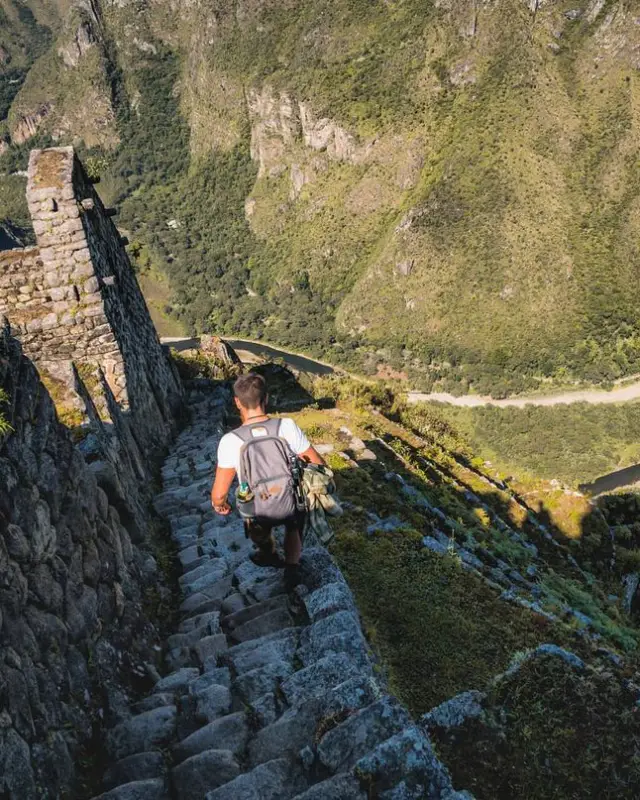
Peru has experienced moments of political and social unrest in recent years that, on certain occasions, temporarily affected tourism. Although challenges persist, especially in urban areas like Lima and Callao, where citizen insecurity has increased, it’s important to highlight that the main tourist destinations in the southern Andes, such as Cusco, the Sacred Valley, and Machu Picchu, remain stable and operational.
In Cusco and Machu Picchu, tourism continues to operate normally. Trains are running, local agencies operate daily, and the archaeological site receives thousands of visitors without incidents. In exceptional situations, there have been specific roadblocks that interrupted the railway and prompted temporary evacuations of visitors in Aguas Calientes, but these events were resolved quickly. Currently, connectivity is restored and the travel experience is stable and safe. Even so, visitors are advised to verify the status of trains and access routes one day before their visit and have an alternative plan in case of interruptions.
Quick Summary:
Although some national news may be alarming, the tourist experience at Machu Picchu remains safe, well organized, and deeply welcoming for those who decide to visit.
Safety at Machu Picchu and Surrounding Areas
Machu Picchu and its surroundings maintain safety standards that many travelers find reliable, provided they adopt good practices. It’s not a foolproof place, but it functions effectively for those who stay well informed.
- Being within a protected sanctuary of high cultural value, there’s a permanent presence of authorized personnel: official guides, security agents, and surveillance mechanisms distributed at key points throughout the route. Additionally, thanks to the so-called “tourist corridor” between Cusco and Machu Picchu, there’s continuous monitoring with cameras and coordinated communication between foot and vehicle patrols.
- Aguas Calientes, the base town for accessing the archaeological site, also offers relative tranquility to visitors. Its main streets are well-traveled and generally safe at night; however, this doesn’t eliminate the risk of minor theft due to carelessness, so it’s wise to avoid poorly lit or isolated areas.
What Can You Expect in Cusco and Machu Picchu?
The tourism-Machu Picchu route has what they call a “tourist corridor” that includes surveillance from Cusco to Aguas Calientes. There are tourist police officers, strategic surveillance cameras, and digital monitoring operating 24 hours a day to respond to emergencies. In Aguas Calientes, there’s a local police station where you can go if something happens.
Common Risks You Should Prevent
- Minor theft such as cellphone robberies or pickpocketing are common in crowded areas in Cusco, plazas, markets, or public transportation.
- In Cusco, especially in markets like San Pedro and narrow streets, you should preferably keep your belongings secured.
- Avoid walking alone through dark alleyways at night outside the city center.
Key Advice to Avoid Surprises
- Carry only what’s necessary: camera, water, documents.
- Keep valuables close to your body, don’t display jewelry or ostentatious luggage.
- Ask at your hotel or local agency about weather conditions, access, and transportation.
- Use reliable and official companies for trains, buses, and guides.
If you monitor your surroundings, avoid risky areas, and plan ahead, the experience will be safe and without surprises.
Quick Access Facts for Machu Picchu
- Allowed backpack size: maximum 40 × 35 × 20 cm (16 × 14 × 8 in). Larger ones must be left in lockers at the entrance.
- Common prohibited items: food and utensils, alcohol, aerosols, tripods, selfie sticks, umbrellas, walking sticks without medical authorization.
- Circulation through circuits with controlled times: buy your ticket in advance and respect your turn to avoid setbacks.
Expert Tip:
Carry only water, camera, and documents. Review your circuit before entering.
Are Alternative Hikes Like Huayna Picchu, Huchuy Picchu, or Machu Picchu Mountain Safe?
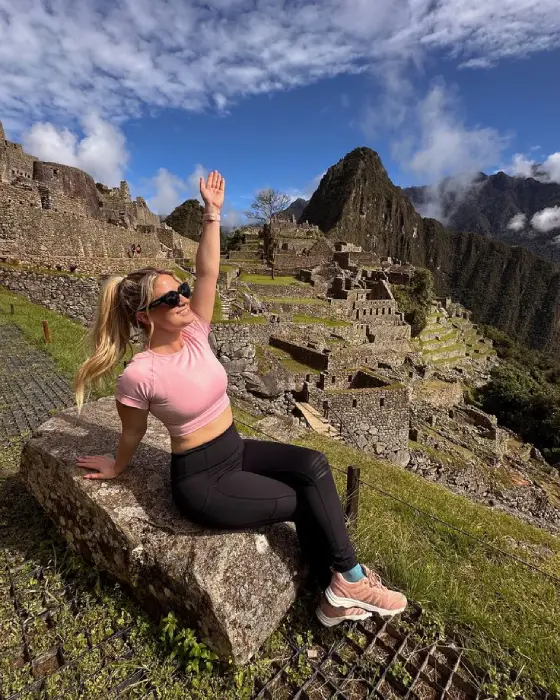
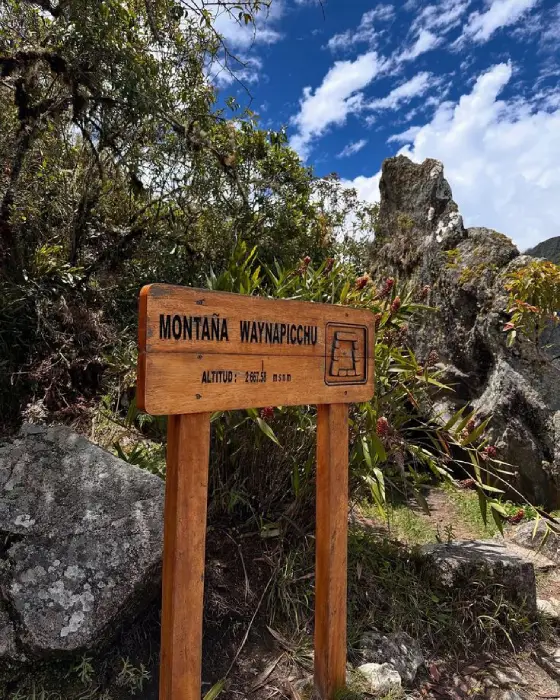
Yes, these routes are safe, as long as you follow established guidelines and respect access rules. All of them are within the protected area of Machu Picchu and have surveillance, signage, and visitor control.
- Huchuy Picchu (8,192 ft) is the shortest and most accessible route, ideal for those seeking panoramic views without great physical demands.
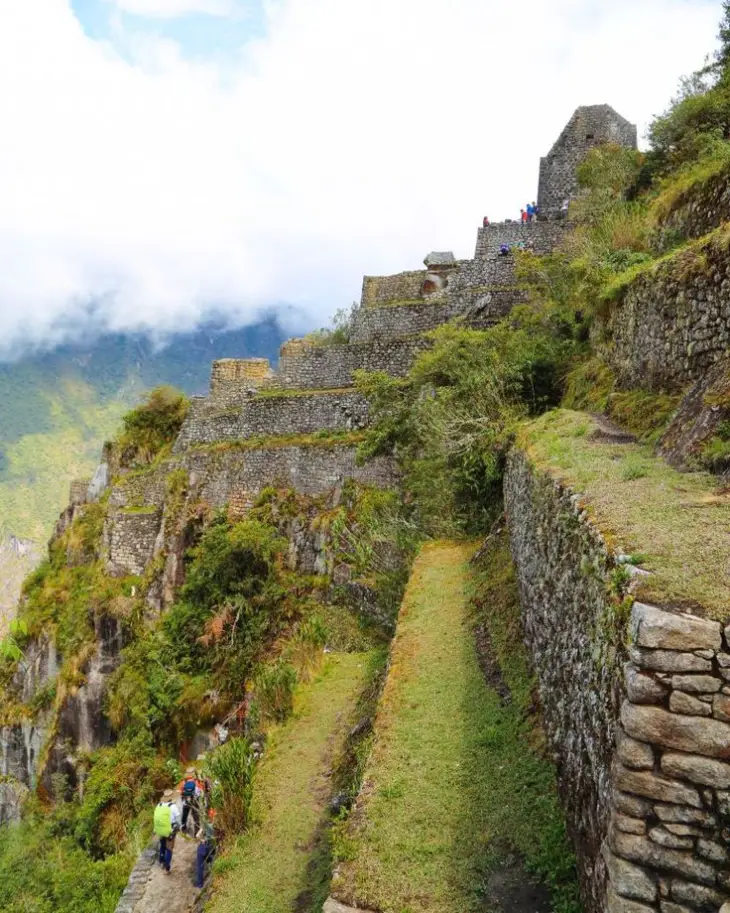
- Huayna Picchu (8,835 ft) is steeper with narrow, exposed sections and Inca steps, not recommended if you have vertigo.
- Machu Picchu Mountain (10,111 ft) is the longest ascent route, traversing wide trails with a sustained slope. It’s a demanding trek, but with expansive views.
For any of these hikes, it’s recommended to have a professional guide, especially if you’re not familiar with the altitude or type of terrain. They will not only help you maintain your pace but will also enrich your experience with facts and historical context.

Access Routes: Are There Risks?
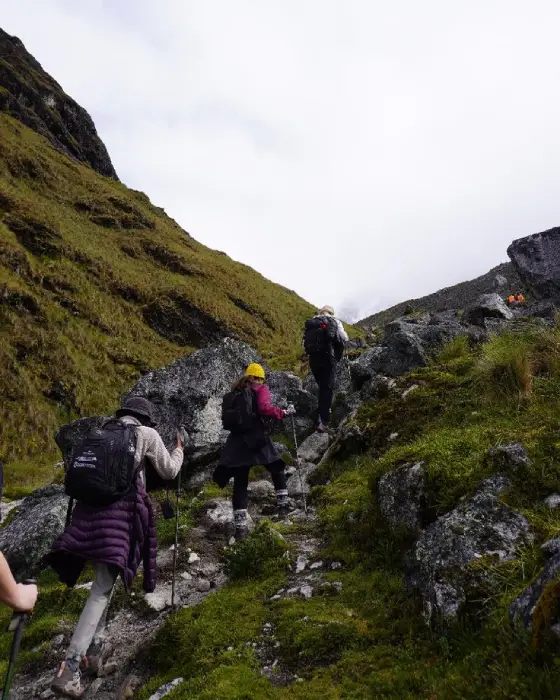
The main routes to reach Machu Picchu, whether by train from Ollantaytambo or through the Inca Trail, are generally safe and well organized. However, as in any Andean region, occasional interruptions can occur that are worth considering to avoid setbacks.
- On the route through Hidroeléctrica, heavy rains can cause landslides or river swelling, especially between November and March, which sometimes forces the closure of access sections or delays transfers.
- The Inca Trail can also be affected by landslides, persistent rains, or preventive closures, particularly during the wet season, when visitor safety is prioritized.
- The railway between Ollantaytambo and Aguas Calientes, the most commonly used means of transportation, has experienced temporary roadblocks on some occasions, with service interruptions due to obstacles on the tracks. While these situations were resolved quickly and service is operational, similar events cannot be ruled out in the future. Likewise, there are occasions when the highway connecting Cusco with Ollantaytambo can be temporarily closed for maintenance or local mobilizations.
The most practical way to avoid complications is to stay informed in advance, check the status of trains and roads the day before your trip, and hire a reliable agency that can manage itinerary changes if an unforeseen event arises. That way, your experience remains safe and well organized even in the face of unexpected scenarios.
Important Note:
In some episodes of social conflict, specific roadblocks were recorded that affected the railway and forced evacuations of visitors in Aguas Calientes. Always verify the status of the train and access routes the day before and have an alternate plan in case of temporary interruptions.
WORLD WONDER IN THE ANDESMachu Picchu
Discover the history, landscapes, and essential tips for visiting this world wonder.
Practical Recommendations for a Safe Visit
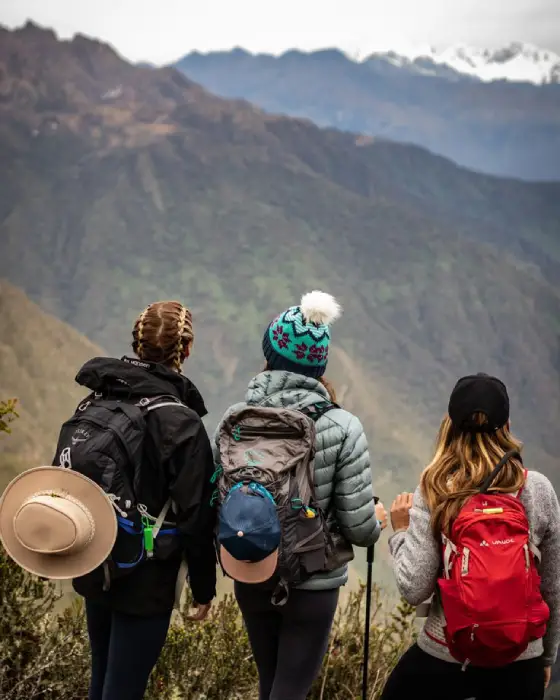
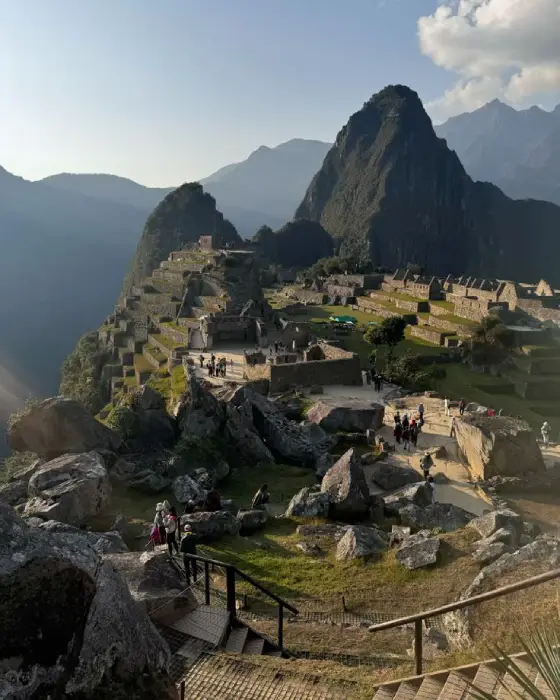
Acclimatization, Even If You Don’t Spend the Night in Cusco
Although Machu Picchu is at 7,972 ft above sea level, most access routes depart from Cusco, at over 10,826 ft above sea level. To reduce the risk of soroche (altitude sickness), it’s recommended to acclimatize at least one day before, especially if you’re coming from low-altitude areas. Stay well hydrated, avoid alcohol, eat light, and do gentle activities. Coca tea or candies help relieve mild symptoms.
Prepare for Weather Changes
At Machu Picchu, the weather can change in minutes. Mornings are usually sunny and afternoons cloudy or rainy, especially between November and March. To stay comfortable during your visit, bring:
- Layered clothing.
- Lightweight waterproof jacket.
- Sunscreen and sunglasses.
- Hat or cap.
During rainy season, delays can occur on access routes, so always check the day before.


Watch Your Step on the Trails
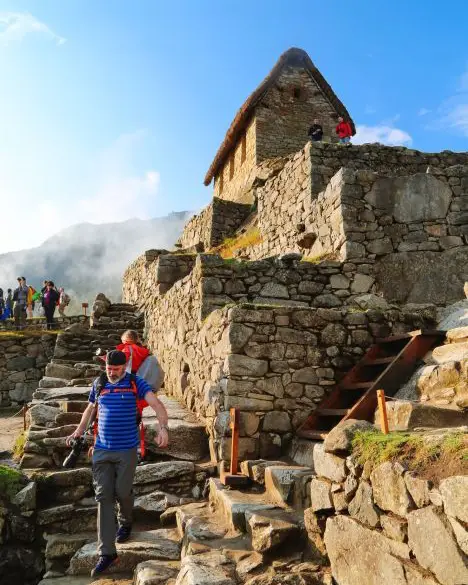
Stone paths can become slippery during rainy season (November to March). Wear shoes with good traction, walk calmly, and pay special attention on sections with stairs or narrow curves. Don’t try to cut ahead outside the marked trails.
Protect Yourself from Insects
Mosquitoes don’t represent a serious danger, but they can be bothersome, especially in warm and humid weather. Use repellent before entering the citadel and reapply every few hours, especially if you’re going on long hikes.
Respect Staff Instructions
The sanctuary staff is there to protect both your safety and the heritage. If they tell you not to climb on a rock, not to leave the trail, or to wait your turn, do it. The rules aren’t decorative: they prevent accidents, penalties, and damage to the archaeological site.
Carry Only What’s Necessary
By regulation, you’re not allowed to enter with backpacks exceeding 40 × 35 × 20 cm. The essentials are:
- Reusable water bottle.
- Light and energizing snacks.
- Camera or cell phone with charged battery.
- Copy of your ticket and ID document.
Expert Tip:
The most important thing for a safe visit isn’t just what to bring, but staying well informed. Check the status of trains, access, and weather at least 24 hours in advance. An informed traveler has more control and fewer surprises.
Other Guides That Help You Travel to Machu Picchu Safely
So, Is It Safe to Travel to Machu Picchu?
Yes, Machu Picchu remains a safe and highly recommended destination. Despite Peru’s social and geographical nuances, the tourist area is well organized and has control systems that protect visitors.
If you travel informed, respect local guidelines, and maintain flexibility in the face of possible unforeseen events, your experience will not only be peaceful but also transformative. Walking through its ancestral trails, contemplating its architecture, and breathing the air of the Andes is, for many travelers, a memory that lasts forever.

Ready to Book Machu Picchu?
With Inkayni Peru Tours, you can secure your official ticket, arrange transportation, and count on reliable local assistance. Book in advance and travel with peace of mind.
Travel safely, skip the lines, and experience Machu Picchu with the backing of a certified operator.
Frequently Asked Questions
Is Machu Picchu safe for solo female travelers?
However, it’s recommended to maintain standard precautions, such as avoiding walking alone at night in isolated or poorly lit areas and always keeping your belongings monitored.
Is it safe to travel to Machu Picchu in the rain?
- If you’re doing Huayna Picchu or Machu Picchu Mountain, check the weather the night before.
- Check the operational status of the railway on days of heavy rain.
Do protests in Peru affect access to Machu Picchu?
Is train and bus transportation to Machu Picchu safe?
What health precautions should I take when visiting Machu Picchu?
Is hiring a tour guide recommended?
Is it safe to take the bus from Aguas Calientes to Machu Picchu?
Are there protests or roadblocks that affect the area?
What do I do if I get sick or have an emergency?
Is it dangerous to visit Machu Picchu during rainy season?
If you plan to do hikes like Huayna Picchu or Machu Picchu Mountain, it’s especially important to consider weather conditions.
Escrito por


Shared:


If you liked this article and the information you found, give us 5 stars!
 (Ninguna valoración todavía)
 Loading...