


What Is the Historic Sanctuary of Machu Picchu?
The Historic Sanctuary of Machu Picchu is the protected UNESCO World Heritage area that includes not only the famous Inca citadel, but also the surrounding mountains, cloud forest, ancient roads, river valleys and native wildlife. Inscribed by UNESCO in 1983 as a mixed cultural and natural property, it covers 32,592 hectares and protects both archaeology and biodiversity. For travelers, this matters because the official circuits, controlled routes, visitor limits and conservation rules are not arbitrary restrictions. They are part of the system that helps preserve the sanctuary beyond the postcard view of the ruins.
Table of Contents
Machu Picchu is often remembered through one image: stone terraces, green mountains and mist rising behind the Inca city. But the place protected by Peru and recognized by UNESCO is wider than that postcard. The Historic Sanctuary of Machu Picchu includes the citadel, Inca roads, surrounding mountains, cloud forest, river valleys and fragile habitats that need careful management.
Quick summary:
The Historic Sanctuary of Machu Picchu protects more than the famous citadel. It covers 32,592 hectares of Inca remains, ancient roads, mountains, cloud forest and native wildlife. This blog focuses on UNESCO recognition, conservation efforts and visitor rules.
| Key fact | Planning reference |
| Official name | Historic Sanctuary of Machu Picchu. |
| UNESCO inscription year | 1983. |
| World Heritage type | Mixed cultural and natural property. |
| Protected area | 32,592 hectares. |
| Location | Machu Picchu district, Urubamba province, Cusco region. |
| Main focus of this blog | Conservation, UNESCO value, biodiversity and responsible visitor behavior. |

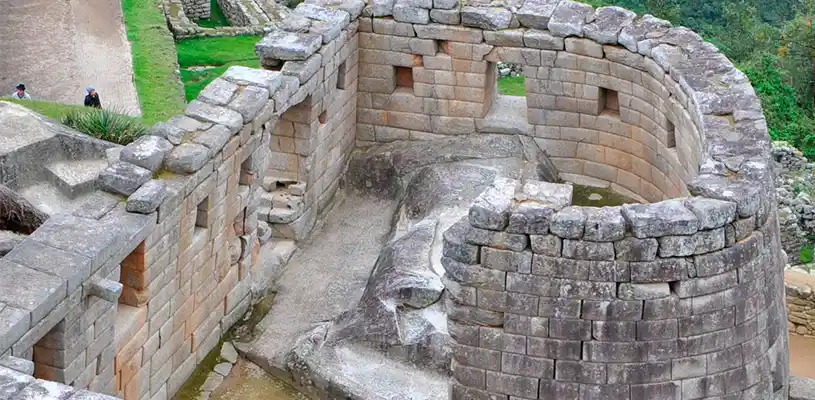
Historic Sanctuary of Machu Picchu, where Inca architecture and mountain landscape form one protected heritage site.
Important note:
When a traveler says “Machu Picchu,” they usually mean the citadel. When official sources refer to the Historic Sanctuary of Machu Picchu, they mean the broader protected area that includes archaeology, biodiversity, mountains, visitor routes and parts of the landscape connected with routes such as the Inca Trail to Machu Picchu.
WORLD WONDER IN THE ANDESMachu Picchu
Discover the history, landscapes, and essential tips for visiting this world wonder.
Machu Picchu UNESCO Inscription Year and World Heritage Value
Machu Picchu was inscribed on the UNESCO World Heritage List in 1983. Its value is mixed: cultural and natural. The cultural side includes Inca architecture, urban planning, sacred spaces, terraces and the way the city was built into the mountain landscape. The natural side includes the cloud forest, wildlife and ecological transition between the Andes and the Amazon basin. If you want to understand what visitors actually see inside the citadel, read our guide to places to visit in Machu Picchu after this conservation overview.
| UNESCO point | What it means |
| Inscribed in 1983 | Machu Picchu has international World Heritage recognition. |
| Mixed property | The sanctuary is protected for both cultural and natural value. |
| Outstanding Universal Value | Its architecture, landscape and biodiversity are important beyond Peru. |
| Conservation responsibility | Tourism must be managed so the site does not lose the values that made it protected. |
For official background, travelers can consult the UNESCO World Heritage listing for the Historic Sanctuary of Machu Picchu.
What Is Being Protected?
The sanctuary protects several layers at once. The visible stone city is the most famous part, but conservation also includes old paths, agricultural terraces, forests, animals, plants, water systems and the landscape that frames the Inca architecture. This is why related topics such as animals in Machu Picchu, llamas inside the sanctuary and the Andean cock-of-the-rock also belong to the conservation conversation, not only to wildlife curiosity.
| Protected element | Why it matters |
| Inca architecture | Temples, walls, terraces and urban sectors show the planning and skill of Inca builders. |
| Ancient routes | Inca roads connect the sanctuary with the wider Andean road system and trekking routes. |
| Cloud forest | The humid mountain environment supports native plants, orchids, birds and mammals. |
| Mountain landscape | The setting is part of the meaning of Machu Picchu, not just the background of the photo. |
| Wildlife | Native species depend on habitat protection and responsible visitor behavior. |
Why Machu Picchu Conservation Efforts Matter
Machu Picchu receives visitors from all over the world. Tourism brings jobs, income and visibility, but it also creates pressure. Stone paths wear down, narrow spaces become crowded, waste becomes harder to control and wildlife can be affected when visitors ignore the rules.
That is why conservation in Machu Picchu is practical. It is not only a topic for specialists. It appears in the way tickets are sold, how routes are organized, what objects are allowed, how guides manage groups and how visitors behave inside the sanctuary. Before planning a visit, it helps to understand the current Machu Picchu circuits and routes, because the route printed on your ticket is one of the main tools used to manage visitor flow.
Main Conservation Challenges
| Challenge | Why it matters | How it is managed |
| Visitor pressure | Large numbers of visitors can wear down paths, platforms and narrow spaces. | Official circuits, entry times and controlled routes. |
| Damage to stone structures | Touching, climbing or leaning on walls can affect archaeological elements. | Code of conduct, guide supervision and restricted access. |
| Waste and prohibited items | Food, large backpacks and disposable items increase impact inside the site. | Entrance controls and visitor restrictions. |
| Wildlife disturbance | Feeding or disturbing animals changes their behavior and harms the ecosystem. | Rules against feeding, touching or disturbing fauna. |
| Weather and terrain | Rain, slopes and landslides can affect routes and conservation work. | Monitoring, maintenance and temporary route closures when needed. |
Keep this in mind:
The easiest way to support conservation is simple: follow the route printed on your ticket, do not touch the structures, avoid shortcuts and respect the staff who manage visitor flow. For practical planning, also check Machu Picchu safety, weather conditions and your allowed backpack size before entering.
Visitor Rules That Help Preserve Machu Picchu
The rules inside Machu Picchu are not just formal restrictions. They are part of the conservation system that protects the stone architecture, controls visitor flow and reduces pressure on the surrounding sanctuary. If your visit starts in town, plan the final stretch with our Aguas Calientes to Machu Picchu guide so your bus, entry time and route match correctly.
Keep this in mind:
The most important rule is to stay on the route printed on your ticket. Machu Picchu is now managed through official circuits, so visitors cannot move freely through every sector. Respecting your route helps reduce crowding, protect fragile areas and keep the visit organized for everyone.
Main Rules Visitors Should Remember
- Stay on the authorized route: do not leave the circuit assigned to your ticket or enter closed areas.
- Do not touch or climb structures: avoid leaning on walls, sitting on archaeological elements or stepping onto restricted stonework.
- Respect backpack limits: do not enter with large backpacks, bags or luggage. For packing details, review our Machu Picchu backpack guide.
- Avoid prohibited objects: drones, tripods, selfie sticks, large umbrellas, alcohol, sprays and similar items can be restricted or prohibited.
- Do not eat inside the archaeological site: food and waste can affect the visitor route, wildlife and site cleanliness.
- Do not feed animals: feeding llamas, birds or wild animals changes their behavior and harms the sanctuary ecosystem.
- Do not remove anything: plants, flowers, stones and cultural elements must stay where they are.
- Keep noise low: avoid shouting, loud music or behavior that disturbs other visitors and guides.
| Rule area | Why it matters |
| Routes and circuits | They control visitor flow and protect sensitive areas from overcrowding. |
| Stone structures | Touching, climbing or leaning can damage archaeological surfaces over time. |
| Backpacks and objects | Large items create congestion and increase the risk of accidental damage. |
| Food and waste | Waste affects cleanliness, wildlife behavior and the protected environment. |
| Animals and plants | The sanctuary protects living species, not only the Inca citadel. |
Important note:
Rules can be updated by the authorities according to conservation needs, visitor flow, weather or maintenance. Before entering, check the official code of conduct and follow the instructions of park staff and licensed guides.
For current rules, review the official Machu Picchu code of conduct before your visit.
Historic Sanctuary of Machu Picchu Biodiversity
The sanctuary is also a biodiversity area. Its landscape connects high Andean zones with humid mountain forests, creating habitats for many species of trees, birds, mammals, reptiles, amphibians, butterflies and orchids.
According to SERNANP, the Historic Sanctuary of Machu Picchu includes 24 wild ecosystems and protects species such as the cock-of-the-rock, river otter, torrent duck and spectacled bear. This is why conservation efforts cannot focus only on buildings. The natural world around the citadel is part of the protected heritage.
| Biodiversity group | Official reference from SERNANP |
| Trees | 332 species. |
| Mammals | 75 species. |
| Birds | 444 species. |
| Amphibians | 14 species. |
| Reptiles | 24 species. |
| Butterflies | 365 species. |
If your interest is wildlife, connect this topic with our guides to animals in Machu Picchu, llamas in Machu Picchu and the Andean cock-of-the-rock.
How the Circuit System Supports Conservation
Machu Picchu no longer works as a place where every visitor can move freely through the entire citadel. Since June 2024, the official visit has been organized around 3 circuits and 10 routes. For travelers, this affects what they can see. For conservation, it helps reduce pressure on fragile areas.
This blog does not replace a full circuit explanation. If you are choosing a ticket, use our Machu Picchu circuits guide and the Machu Picchu 2026 tickets guide before booking.
| Circuit function | Conservation purpose | Visitor takeaway |
| Controlled viewpoints | Reduce pressure on popular photo areas. | Choose the route that matches your real priority. |
| One-way movement | Prevents crowding and backtracking in narrow areas. | Plan before entering; you cannot improvise every stop. |
| Specific mountain routes | Separates high-demand hikes from the standard visit. | Book Huayna Picchu, Huchuy Picchu or Machu Picchu Mountain only with the correct ticket. |
Historic Sanctuary of Machu Picchu Photos
Most photos show the citadel, terraces, Huayna Picchu, mist and mountains. Those images are important, but they do not show the full sanctuary. A better visual story should also include stonework, cloud forest, orchids, wildlife, Inca Trail landscapes, the Urubamba River valley and the relationship between architecture and nature.

Infographic of main Machu Picchu areas.
Did you know…?
The sanctuary protects more than the stone city. Many visitors see only the citadel, but the protected area also includes ancient trails, forest habitats and mountain ecosystems.
Routes to Machu Picchu and Responsible Access
There are several ways to reach Machu Picchu, and each one should be planned responsibly. The train and bus route is the most practical for many first-time visitors. The Inca Trail is part of the historical landscape and uses permits to control access. Routes such as Salkantay, Lares, Inca Jungle or Hidroelectrica require more planning because they involve different landscapes, communities and levels of physical effort.

For route planning, use the How to Get to Machu Picchu, Train to Machu Picchu, Bus to Machu Picchu and Aguas Calientes to Machu Picchu guides.
PERU’S LEGENDARY HIKEInca Trail to Machu Picchu
Follow the historic trail through mountain passes, Inca sites, and cloud forest paths to Machu Picchu.
For trekking routes connected to the sanctuary, compare the Inca Trail to Machu Picchu, Short Inca Trail, Salkantay Trek, Lares Trek, Inca Jungle Trek and Hidroelectrica to Machu Picchu.
Useful guides for a responsible Machu Picchu visit
How Travelers Can Support Machu Picchu Conservation Efforts
A responsible visit does not require complicated actions. It starts with respecting the rules and understanding why they exist.
- Buy official tickets or travel with a formal operator.
- Choose the circuit that fits your real interest.
- Travel with a small backpack and avoid prohibited items.
- Stay on marked routes and follow guide or park staff instructions.
- Do not touch walls, stones or sacred structures.
- Do not feed llamas, birds or other animals.
- Carry out your waste and avoid single-use items when possible.
- Respect local communities, guides, porters and workers who help protect the destination.
Reflection:
The best visit to Machu Picchu is not the one with the most photos. It is the one where the traveler leaves with a clearer sense of what the sanctuary protects and why the rules matter.
Final Advice
The Historic Sanctuary of Machu Picchu is protected because the citadel, the mountains and the forest belong to the same story. UNESCO recognition, biodiversity data, official circuits and visitor rules all point in one direction: Machu Picchu needs tourism, but it needs tourism that does not wear down the place.
At Inkayni Peru Tours, we believe that visiting Machu Picchu should also help travelers understand how to protect it. Arrive with the right ticket, follow the route, listen to your guide and treat the sanctuary as a place that deserves more than a quick photo.
Frequently Asked Questions About the Historic Sanctuary of Machu Picchu
What is the Historic Sanctuary of Machu Picchu?
When was Machu Picchu inscribed by UNESCO?
Why is Machu Picchu considered a UNESCO World Heritage Site?
How large is the Historic Sanctuary of Machu Picchu?
What conservation efforts were made for Machu Picchu?
What are the main rules inside Machu Picchu?
Why are there circuits and routes in Machu Picchu?
Is the sanctuary only about archaeology?
Can tourists help preserve Machu Picchu?
Are the Inca Trail and the Historic Sanctuary connected?
Where can I learn more before visiting?
Shared:



If you liked this article and the information you found, give us 5 stars!
 (2 votos, promedio: 5.00 de 5)
 Loading...