


Choquequirao Trek Safety
The Choquequirao Trek is generally safe for prepared hikers, but it is not a casual route. The main risks are usually fatigue, steep descents, dehydration, sun exposure, slippery sections in rain and limited emergency access, not dramatic dangers like robbery or wildlife. For most first-time trekkers, the safest approach is to go in the dry season, use proper gear and choose a guided 5-day itinerary with a realistic pace.
Table of Contents
The strange thing about Choquequirao safety is that many travelers worry about the wrong dangers. They imagine robberies, wild animals or extreme altitude, but the real risks are usually quieter: tired legs, steep descents, canyon heat, limited signal and being far from fast help.
So the useful question is not only “Is Choquequirao safe?” It is: what kind of traveler are you, and what preparation makes this trek safe for your body, your dates and your experience level?
| Main risk Fatigue, slips, heat, poor timing |
Safest season May to September |
Guide recommended? Yes for most first-timers |
Not ideal for Unprepared solo beginners |

Choquequirao is safe for prepared hikers, but its remoteness makes planning essential.
Is Choquequirao Trek Safe?
Yes, the Choquequirao Trek is safe for prepared hikers, but it is not a casual route. The main safety concerns are not usually crime or dangerous animals. The realistic risks come from the remote terrain around the Choquequirao archaeological park: physical exhaustion, steep canyon sections, dehydration, sun exposure, rain, limited phone signal and slower emergency response.
Most travelers reduce the risk by choosing the dry season, acclimatizing in Cusco, wearing proper hiking boots, carrying enough water, using trekking poles and choosing a realistic itinerary. If you are a beginner, traveling alone, or unsure about navigation and first aid, a guided trek is the safer option.
| Safety question | Practical answer |
| Is Choquequirao dangerous? | No, not if you are fit, prepared and follow the main route. It becomes risky when travelers underestimate terrain, heat, water, knees or emergency logistics. |
| Can beginners do it? | Only fit beginners with good preparation and preferably with a guide. It is not the easiest first multi-day trek for most travelers. |
| Can you hike it without a guide? | Yes, experienced hikers can do it independently, but they must manage navigation, food, camps, water, first aid and emergency planning. |
| Safest season | May to September is usually the safest and most stable window. April and October can also work with more weather flexibility. |
Important:
Choquequirao is not unsafe because it is “dangerous” in a dramatic way. It becomes risky when preparation is weak. The real danger is distance from help combined with fatigue, heat, rain, poor shoes, heavy packs or bad route timing.
LOST CITADEL TREKChoquequirao Trek
Hike to one of Peru’s most impressive and least crowded Inca archaeological sites.
Real Safety Risks on the Choquequirao Trek
The safest way to understand Choquequirao is not by asking whether it is dangerous or not. A better question is: what can go wrong, and how do you reduce that risk before it becomes serious?
| Risk | Why it happens | How to reduce it |
| Slips and falls | Loose stones, steep switchbacks, wet sections and tired legs. | Use broken-in hiking boots, trekking poles and avoid rushing descents. |
| Dehydration | Heat and sun exposure in lower canyon sections. | Start key hiking days with enough water, carry electrolytes and refill only with safe treatment. |
| Exhaustion | Long days, repeated descents and climbs, poor pacing or too much backpack weight. | Choose a realistic itinerary, train before the trek and avoid carrying unnecessary weight. |
| Rain and mud | Rainy season can make slopes slippery and reduce visibility. | Prefer dry season, check local conditions and carry real rain protection. |
| Navigation issues | Remote route, limited signal and possible confusion near camps or side trails. | Use a guide or offline maps, start early and avoid hiking in the dark. |
| Medical problems | Knee pain, stomach illness, sunstroke, blisters or altitude-related discomfort. | Carry a first aid kit, personal medication, sun protection, blister care and travel insurance. |

Narrow paths, stone steps and switchbacks require careful pacing on the route.
Who Should Be More Careful?
Choquequirao is not unsafe for everyone, but it is not equally safe for every traveler. Your fitness, trekking experience, knees, season and ability to manage problems matter more than the name of the route itself. This is why understanding how hard the Choquequirao Trek is matters before treating it like a normal Cusco hike.
| Traveler situation | Safety reading | Better choice |
| First multi-day trek in Peru | Possible, but Choquequirao is a demanding first test. | Go with a guide and choose a conservative pace. |
| Traveling alone | Higher responsibility if something goes wrong. | Use a guide unless you have real remote trekking experience. |
| Weak knees or little descent experience | Long downhill sections can become the main problem. | Use trekking poles, reduce pack weight and avoid rushing. |
| Rainy-season dates | More mud, slippery terrain and possible delays. | Check conditions locally and avoid a tight schedule. |
| Older travelers or teenagers | Possible if fitness and pacing are realistic. | Use a slower itinerary, guide support and medical common sense. |
Honest check:
If your main concern is altitude, Choquequirao may feel more manageable than higher-pass treks. If your weak point is knees, heat, long descents or multi-day fatigue, Choquequirao can feel much harder than expected.
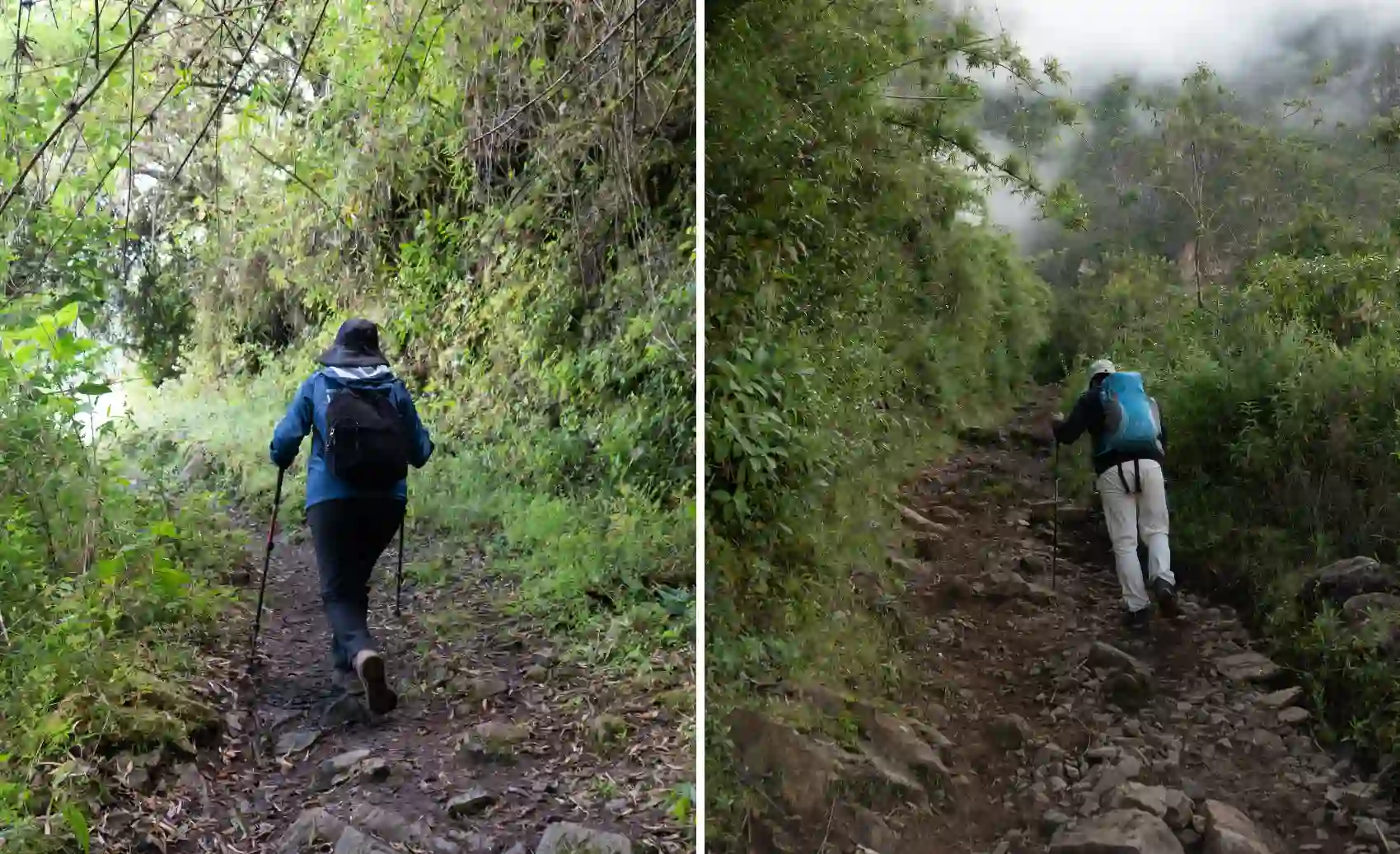
The physical demand of Choquequirao is one of its main safety factors.
Is Choquequirao Safe Without a Guide?
Choquequirao can be hiked without a guide, but independent trekking is safer for experienced hikers than for beginners. Going without a guide means you must manage transport, food, water, camps, route timing, navigation, first aid and what to do if you cannot continue.
Independence gives freedom, but it also transfers the risk management to you. That is why planning a Choquequirao without a guide should include more than route confidence: it should include water, cash, camps, communication, weather and emergency decisions.
| Independent safety factor | What you must handle yourself |
| Navigation | Offline maps, GPS app, battery backup and the discipline to avoid shortcuts. |
| Water and food | Enough calories, safe water treatment and backup snacks for delays. |
| Emergency plan | Travel insurance, first aid kit, someone tracking your route and a plan if you cannot continue. |
| Timing | Early starts, realistic daily distances and no hiking after dark. |
Solo hiking rule:
Do not hike Choquequirao alone if you are a first-time multi-day trekker, have weak navigation skills, do not speak basic Spanish, have knee problems, or are traveling during heavy rains.

Solo trekking is possible, but it requires more planning and self-sufficiency.
What Makes a Guided Choquequirao Trek Safer?
A good agency does not remove all risk, but it should reduce the biggest logistical and emergency risks. The difference is not only “having a guide”; it is having a system: route timing, food, camp setup, emergency response, staff coordination and local knowledge.
The itinerary also matters. A compressed route can be safe for strong hikers, but a slower plan such as the Choquequirao Trek 5 Days usually gives more margin for pacing, recovery and site exploration than a faster schedule.
| Safety support | Why it matters |
| Experienced guide | Helps with pace, route decisions, weather judgment, first aid and communication with local services. |
| First aid kit and oxygen | Useful for altitude discomfort, dehydration, minor injuries or emergency stabilization. |
| Mule or horse support | Reduces backpack weight and may help if a traveler cannot continue walking normally. |
| Camp logistics | Reduces stress around food, shelter, water, cooking, timing and overnight stops. |
| Emergency plan | Important because cell signal is limited or absent on many parts of the route. |
| Realistic itinerary | A 5-day pace is often safer and more comfortable than rushing the route in 4 days. |

Carry your documents and entrance arrangements ready before reaching the archaeological site.
Weather and Safety: Keep It Simple
Weather matters for safety, but this section should not become a full climate guide. The safest general window is May to September, when trails are usually drier and visibility is better. April and October can also work with flexibility. From November to March, rain can increase the risk of mud, slippery sections, delays and route changes, so choosing the best time to visit Choquequirao becomes part of the safety decision.
| Season | Safety reading | What to watch |
| May to September | Best overall window. | Drier trails, strong sun, dust and cold nights. |
| April and October | Good with flexibility. | Transition weather; check local conditions before departure. |
| November to March | Higher risk. | Rain, mud, slippery sections, reduced visibility and possible access issues. |

Weather changes the safety profile of the Choquequirao Trek more than many travelers expect.
Other Main Trekking Guides Near Cusco
What Happens If There Is an Emergency?
Emergency response on Choquequirao is not like emergency response in a city. Help may require walking, mule support, coordination with local people, communication from a point with signal, or evacuation toward the closest road access. This is why preparation and pacing matter so much.
| Emergency situation | Why it matters | Better preparation |
| Sprained ankle or knee injury | Can make descent or return climb very difficult. | Trekking poles, lighter pack, guide support, mule option and insurance. |
| Dehydration or heat exhaustion | Can become serious in exposed canyon sections. | Water plan, electrolytes, sun hat, early starts and regular breaks. |
| Stomach illness | Weakness and dehydration are dangerous on multi-day routes. | Water purification, safe food handling, medication and rest margin. |
| Getting lost or delayed | Darkness and fatigue increase risk quickly. | Offline maps, headlamp, early departures and staying on the known route. |

Slips, sun exposure and dehydration are more realistic risks than dramatic dangers.
What You Should Not Worry About Too Much
Some safety concerns are understandable, but they should not dominate your planning. For most travelers, the bigger risks are physical and logistical, not dramatic.
| Concern | Realistic reading | Practical precaution |
| Robbery or theft | Not usually the main concern on the route, but normal travel caution still applies. | Carry only what you need, keep valuables close and avoid leaving gear unattended. |
| Wildlife | Insects, snakes and larger Andean animals exist, and the wider wildlife in Choquequirao is part of the landscape, but dangerous encounters on the main trail are uncommon. | Stay on the route, use insect protection and avoid walking off trail. |
| Site control | There is control at the archaeological area, but not every trail section has immediate assistance. | Carry documents, respect site rules and do not confuse site control with full rescue coverage. |
| Road or local disruptions | These can affect transport before or after the trek more than the archaeological site itself. | Check current road and local conditions before leaving Cusco. |
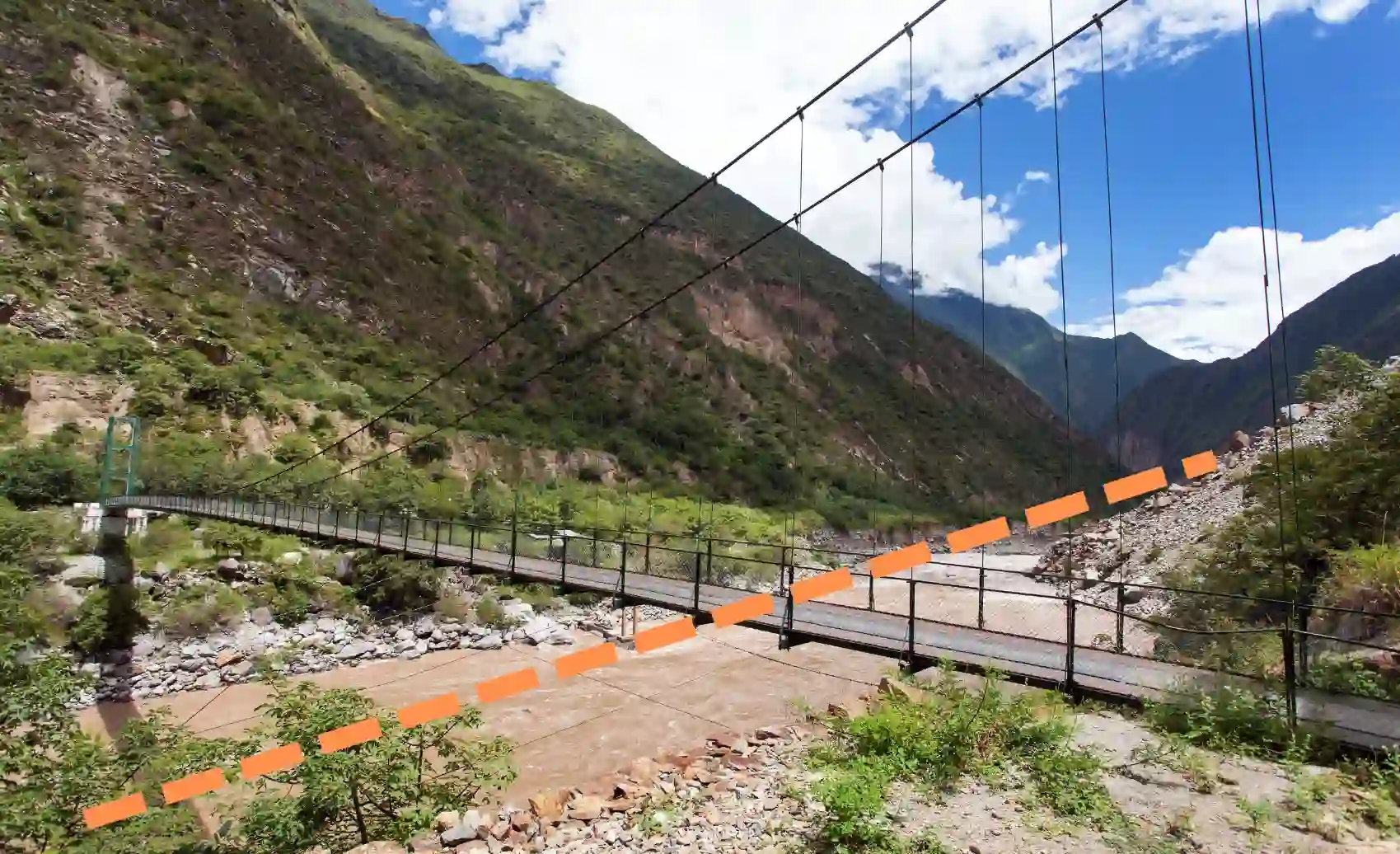
Road and local conditions matter most before and after the trek.

Wildlife exists in the region, but staying on the main trail keeps risk low.
Choquequirao Safety Checklist
This checklist keeps the safety advice practical without turning this blog into a full packing guide.
| Before the trek | On the route |
|
|

Site control exists at Choquequirao, but trail safety still depends on preparation.
Useful Choquequirao planning details
If Choquequirao Feels Too Risky for You
Choosing a safer trek is not a failure. Choquequirao is remote, physical and demanding. Some travelers should build experience first, choose a guided service, or compare the route with treks that may fit their time, knees or comfort level better.
Final Verdict: Is Choquequirao Trek Safe?
Yes, the Choquequirao Trek is safe for travelers who prepare seriously. It is not a route where the main worry should be robbery, wildlife or dramatic danger. The real safety questions are more practical: Are you fit enough? Are your knees ready? Do you have water, sun protection, proper shoes, rain gear, insurance and a clear emergency plan?
If you are experienced, well-equipped and comfortable with remote trekking, Choquequirao can be done independently. If this is your first major trek in Peru, if you are traveling alone, or if you want more margin in case of injury, weather or fatigue, a guided 5-day route is usually the safer and more comfortable choice. The decision also changes once you compare the real Choquequirao Trek cost with the support included.

The safest Choquequirao experience comes from realistic pacing, preparation and good route judgment.
Frequently Asked Questions About Choquequirao Safety
Is Choquequirao Trek dangerous?
Is Choquequirao safe to hike without a guide?
What is the safest time to hike Choquequirao?
What are the biggest safety risks on the Choquequirao Trek?
Is Choquequirao safe for solo women?
Is there phone signal on the Choquequirao Trek?
Are there robberies on the Choquequirao route?
Are there dangerous animals in Choquequirao?
Is Choquequirao safe for older travelers?
Can children hike Choquequirao safely?
What should a safe Choquequirao agency provide?
Do I need travel insurance for Choquequirao?
Is Choquequirao safer in 4 days or 5 days?
What should I do if the weather turns bad?
Autor
Shared:


If you liked this article and the information you found, give us 5 stars!
 (Ninguna valoración todavía)
 Loading...