


Choquequirao Trek Packing List
Pack for the real problems of the route: sun, rain, water, blisters, cold nights and limited services, not for every possible fear. If you are going with an agency, a light daypack with layers, water, snacks, sun and rain protection, documents and personal medication is usually enough. If you are going independently, you also need camping gear, food, water treatment and navigation, while keeping your load as light as possible for the canyon climbs.
Table of Contents
Your packing list should solve the real problems of the route: sun, rain, water, blisters, cold nights, snacks, cash, documents and limited phone signal. If you travel with an agency, you may only need a good daypack and personal items. If you go independently, you must also carry or arrange camping gear, food, cooking equipment, water treatment and navigation.
| Guided trek 20-30L daypack |
Independent trek 50-65L backpack |
Water 1.5-2L minimum |
Sleeping bag 23°F / -5°C baseline |
Cash small PEN bills |

Start with the essentials, then adjust your gear depending on whether you travel guided or independently.
Pro tip:
Do not pack for fear. Pack for function. Every item should help with a real Choquequirao problem: heat, rain, water, blisters, cold nights, limited services, navigation or personal health.
LOST CITADEL TREKChoquequirao Trek
Hike to one of Peru’s most impressive and least crowded Inca archaeological sites.
Choquequirao Trek Packing List: What You Should Bring
This checklist is designed for the classic Choquequirao hike of 4 or 5 days. Use it as your base, then adjust depending on season, operator inclusions and whether you are hiking with support or independently.
| Category | What to pack | Practical note |
| 1. Backpack | 20-30L daypack for guided treks; 50-65L backpack if independent; rain cover or pack liner. | Weight matters on the canyon climbs. |
| 2. Clothing | 2-3 quick-dry shirts, 1-2 trekking pants, fleece, waterproof jacket, underwear, 3-4 pairs of socks, hat and buff. | Use layers, not bulky outfits. |
| 3. Footwear | Broken-in hiking boots or trail shoes, trekking socks, camp sandals and blister care. | Do not start with new shoes. |
| 4. Sun and rain | SPF 50 sunscreen, sunglasses, cap or wide-brim hat, rain jacket, pack cover and optional poncho. | The route can be hot, dusty, rainy or windy. |
| 5. Water and snacks | 1.5-2L water capacity, electrolytes, 2-3 snacks per trekking day and water filter or purification tablets. | Useful even on guided treks. |
| 6. Camp comfort | Sleeping bag, headlamp, small towel, sleeping clothes and earplugs. | Confirm what your operator includes. |
| 7. Health and hygiene | Personal medication, blister patches, pain relief, stomach medication, toilet paper, wipes, hand sanitizer and waste bags. | Keep it small but personal. |
| 8. Documents and money | Passport or ID, insurance details, emergency contact and cash in small Peruvian soles. | Do not rely on ATMs or card payments. |
| 9. Electronics | Phone, power bank, cable, offline maps and optional camera or GPS device. | Signal and charging are limited. |
Plan the route before you finish packing
Backpack Size and Weight
Choquequirao punishes unnecessary weight. The long descent into the Apurímac Canyon can feel manageable at first, but the return climb makes every extra pound more noticeable.
| Trip style | Recommended backpack | Use it for |
| Guided trek with mule support | 20-30L daypack | Water, snacks, rain layer, sunscreen, documents, camera and medication. |
| Guided trek with more personal gear | 35-45L backpack | Day items plus sleeping bag, extra clothes or personal gear. |
| Independent trek | 50-65L trekking backpack | Clothing, food, sleeping system, shelter, stove, water treatment and first aid. |
A practical target is to keep your carried load around 15-20% of your body weight at most. If you are not used to trekking with weight, aim lighter.
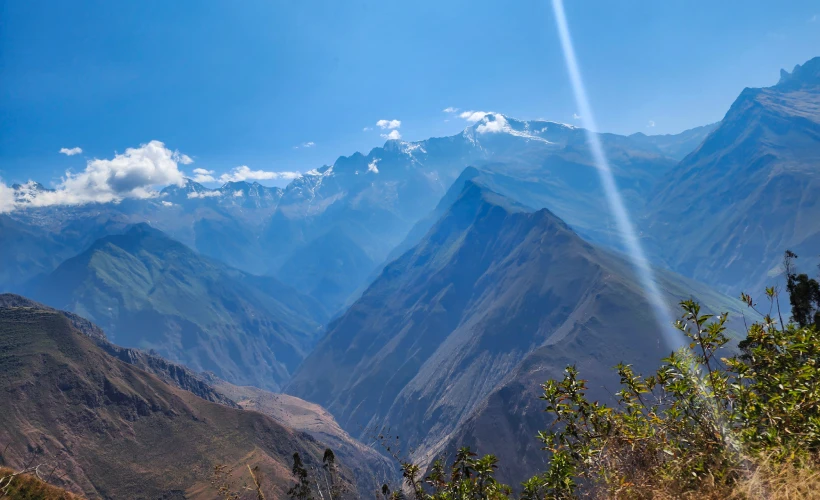
Clothing for Choquequirao: Layers, Not Heavy Outfits
The route does not have one single climate. You can feel strong sun in the canyon, humidity near vegetation, wind on exposed ridges and cold at camp. The best approach is a simple layering system.
| Layer | Recommended items | Notes |
| Base layer | Quick-dry or merino shirt, short or long sleeve. | Avoid cotton as your main hiking layer. |
| Mid layer | Light fleece or compact insulated jacket. | Useful at camp and early mornings. |
| Outer layer | Waterproof or water-resistant jacket. | Needed for rain, mist and wind. |
| Lower body | 1-2 trekking pants; optional shorts if you tolerate sun and insects. | Long pants protect better on dusty or scratchy sections. |
| Accessories | Hat, buff, sunglasses and light gloves in colder months. | Small items, big comfort difference. |

Layers work better than bulky clothing because temperatures change throughout the route.
Fabric tip:
Choose polyester, nylon or merino wool for hiking layers. Cotton holds sweat longer and can feel cold once temperatures drop.
Footwear and Blister Prevention
Footwear is one of the few items you should not improvise. Choquequirao has steep descents, loose ground, long climbs and several days of repeated friction.
| Item | Recommendation | Examples / notes |
| Hiking boots or trail shoes | Use tested footwear with good grip and support. | Do not break in new shoes on the trek. |
| Trekking socks | Bring 3-4 pairs. | Merino or synthetic socks work better than cotton. |
| Camp sandals | Light sandals or recovery footwear. | Useful for camp, showers and resting your feet. |
| Blister care | Blister patches, tape or moleskin. | Examples: Compeed-style patches, moleskin or sports tape. |
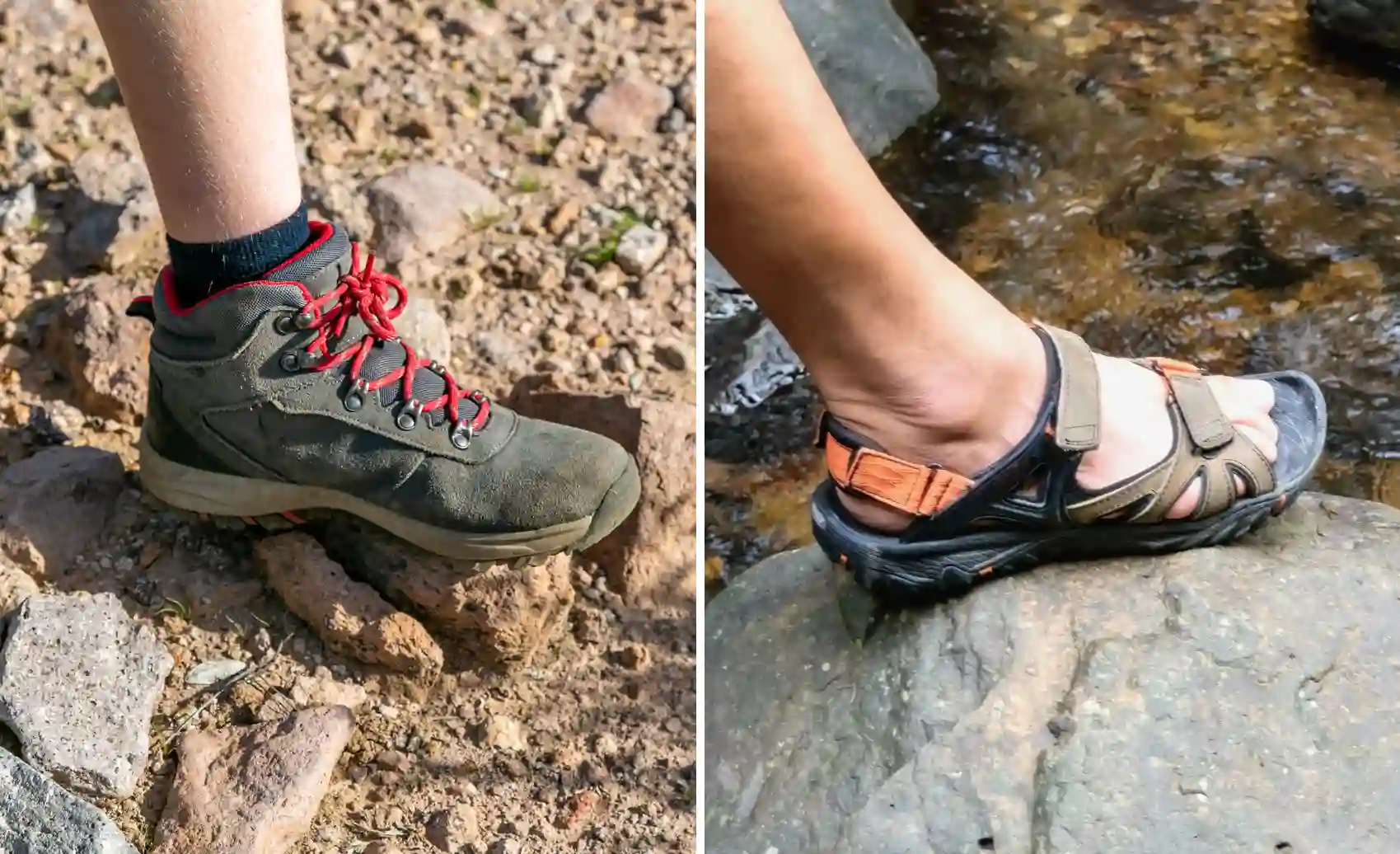
Bring footwear that is already tested, not new boots waiting to hurt you on the route.
Sun, Rain and Insect Protection
Choquequirao can be hot and exposed in the canyon, but rain, mist and insects are also part of the route. Pack protection without overloading your bag.
- Sun: SPF 50 sunscreen, sunglasses, cap or wide-brim hat, buff and lip balm.
- Rain: waterproof jacket, backpack cover or pack liner, and lightweight poncho in rainy season.
- Insects: repellent, long sleeves at camp and lightweight pants.
- Dust: buff or neck gaiter for dry trail sections.
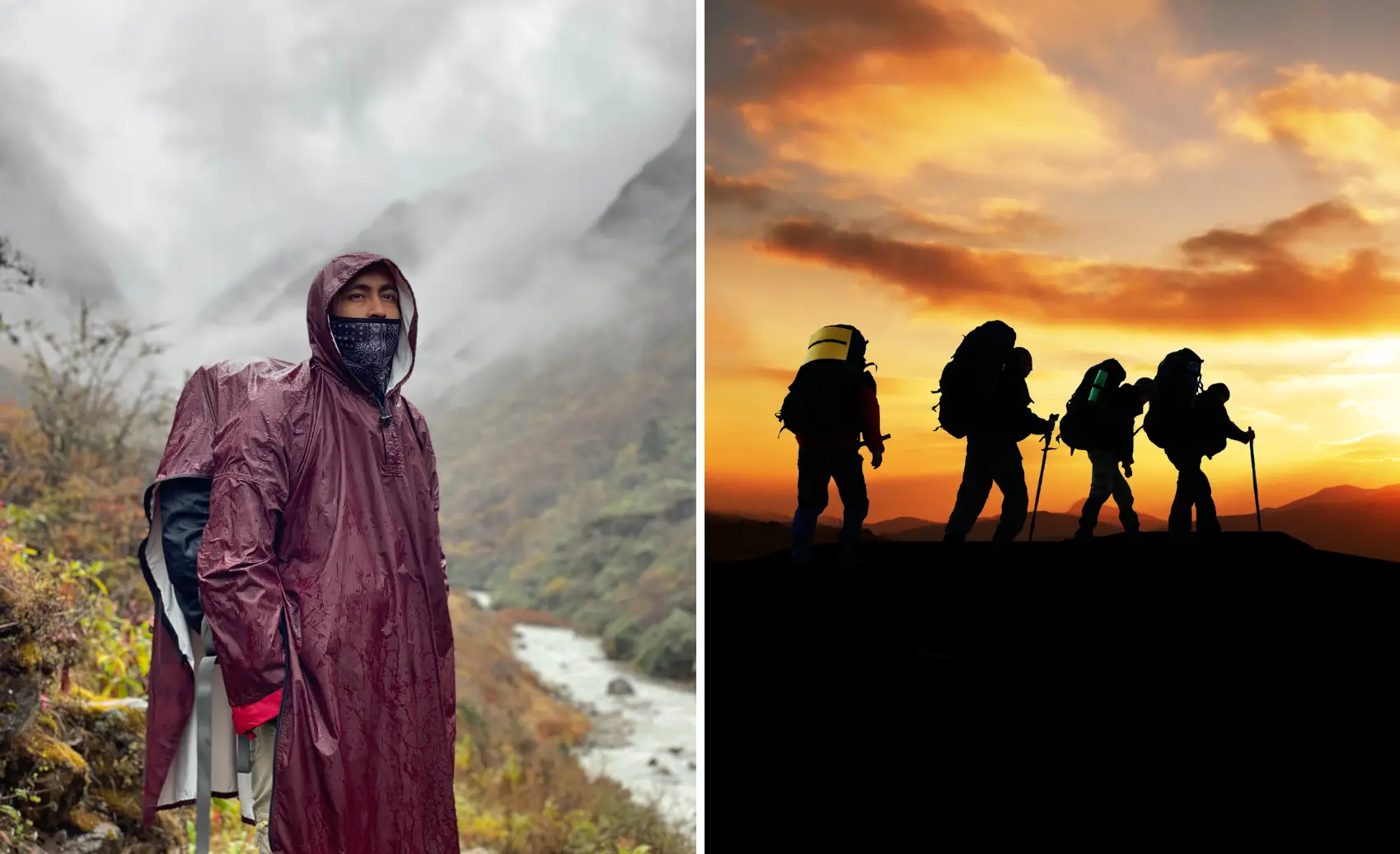
Choquequirao packing means preparing for strong sun and sudden rain, not only one season.
Sleeping Bag, Headlamp and Camp Comfort
If you go with an agency, tents and sleeping pads are often included, but the sleeping bag may be included, rented or required separately. Confirm this before packing.
| Item | Recommended | Why it matters |
| Sleeping bag | 23°F / -5°C rating as a practical baseline. | Useful for cold nights, especially if you sleep cold. |
| Sleeping liner | Optional but useful. | Adds warmth and hygiene. |
| Headlamp | Essential; bring extra batteries or charge it before departure. | Needed for camp, early starts and night bathroom trips. |
| Microfiber towel | Small and quick-dry. | Useful without taking much space. |
| Earplugs | Optional. | Helpful in windy camps or shared spaces. |
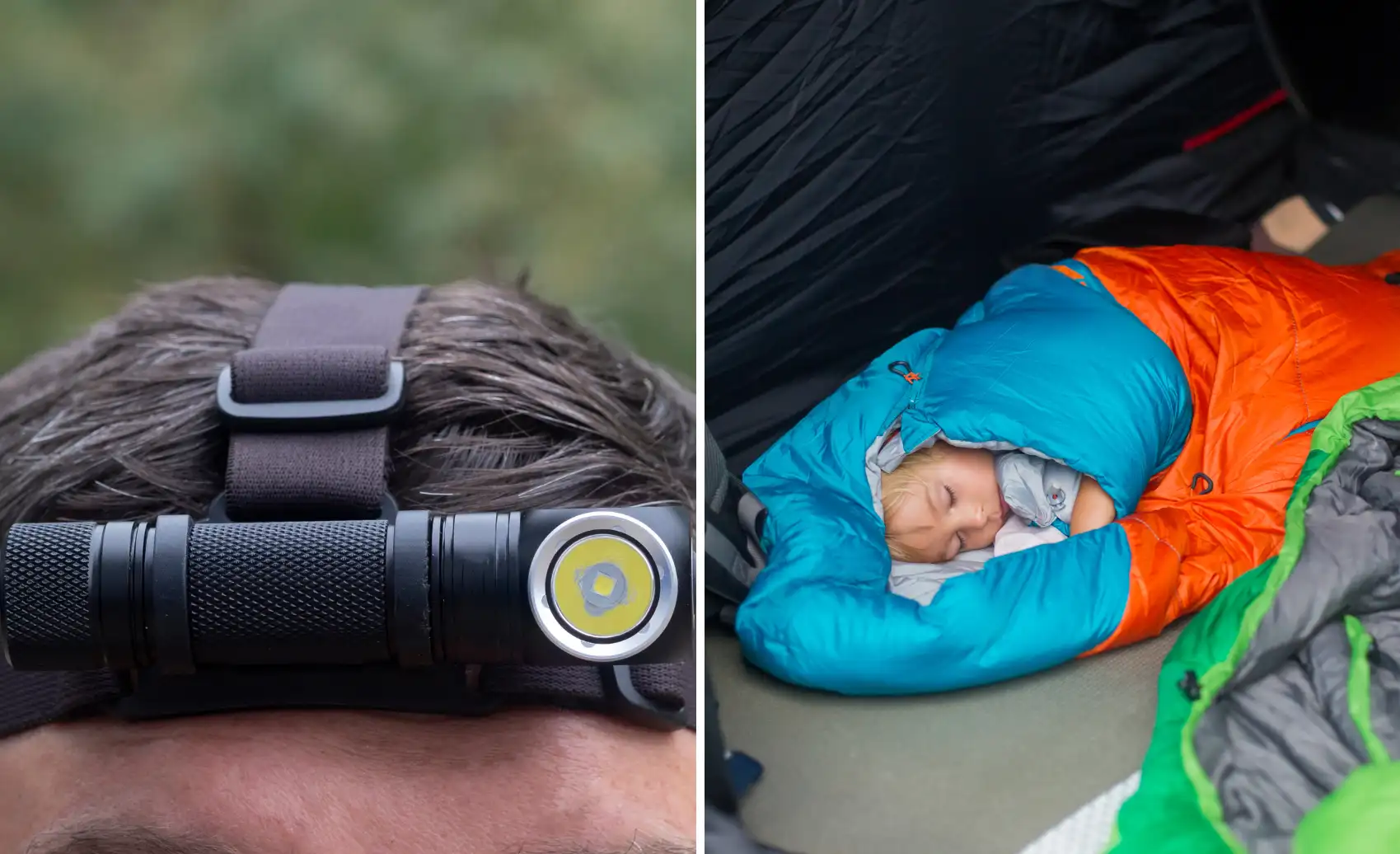
A headlamp and a warm sleeping bag are small decisions that make camp life easier.
Water, Snacks and Trail Food
Guided treks usually include meals, but you still need personal snacks. Independent hikers must plan all meals, fuel and backup food.
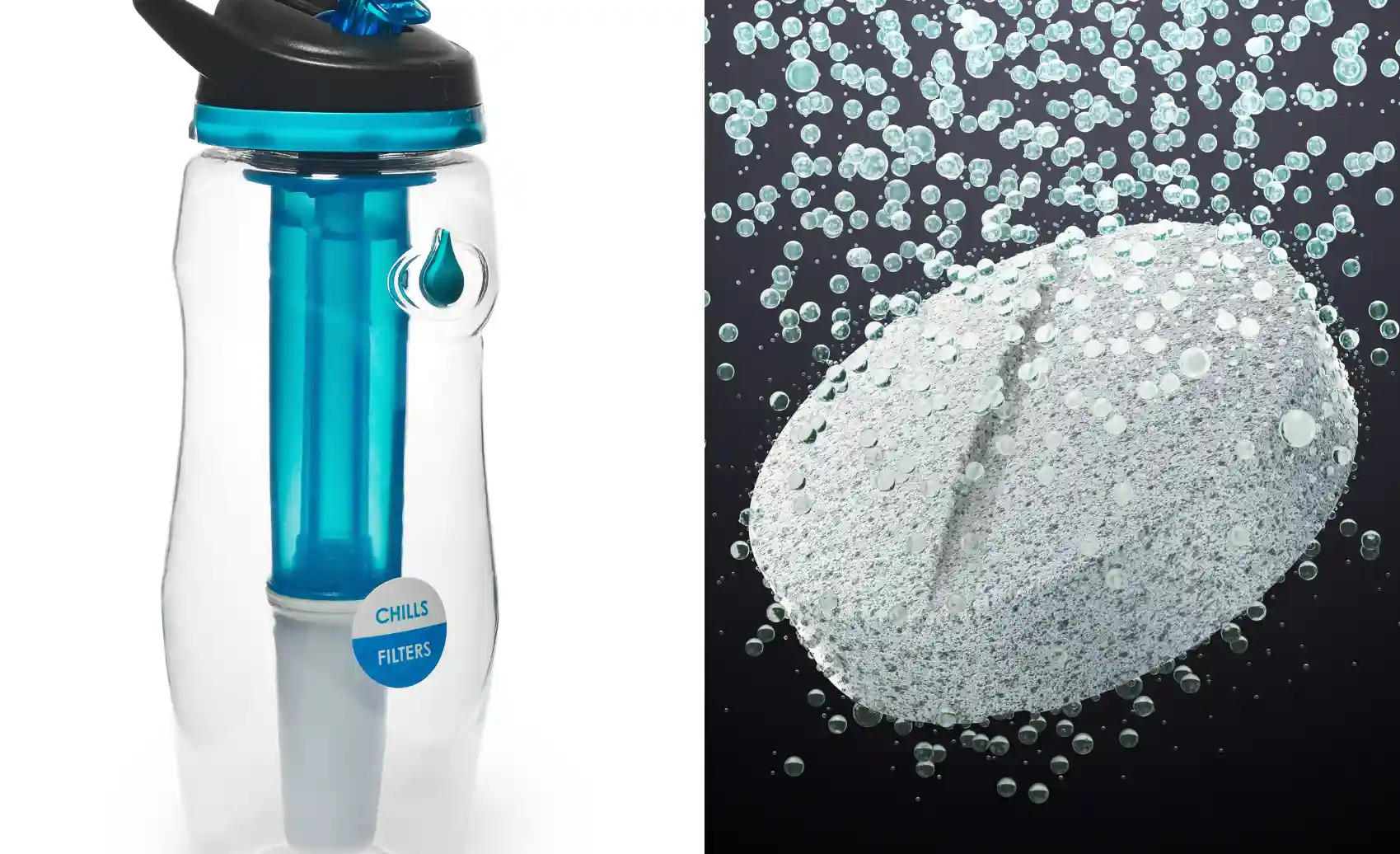
A filter or purification tablets are more useful than trusting every water source on the route.
| Item | Amount / type | Notes |
| Water capacity | 1.5-2L minimum while walking. | Carry more if you drink heavily or travel in hotter months. |
| Water treatment | Filter or purification tablets. | Examples: Sawyer Mini, LifeStraw-style filter, purification tablets. |
| Snacks | 2-3 snacks per trekking day. | Nuts, dried fruit, chocolate, bars, electrolyte tablets or chews. |
| Independent meals | Breakfasts, lunches, dinners and emergency food. | Choose lightweight, high-calorie food that cooks fast. |
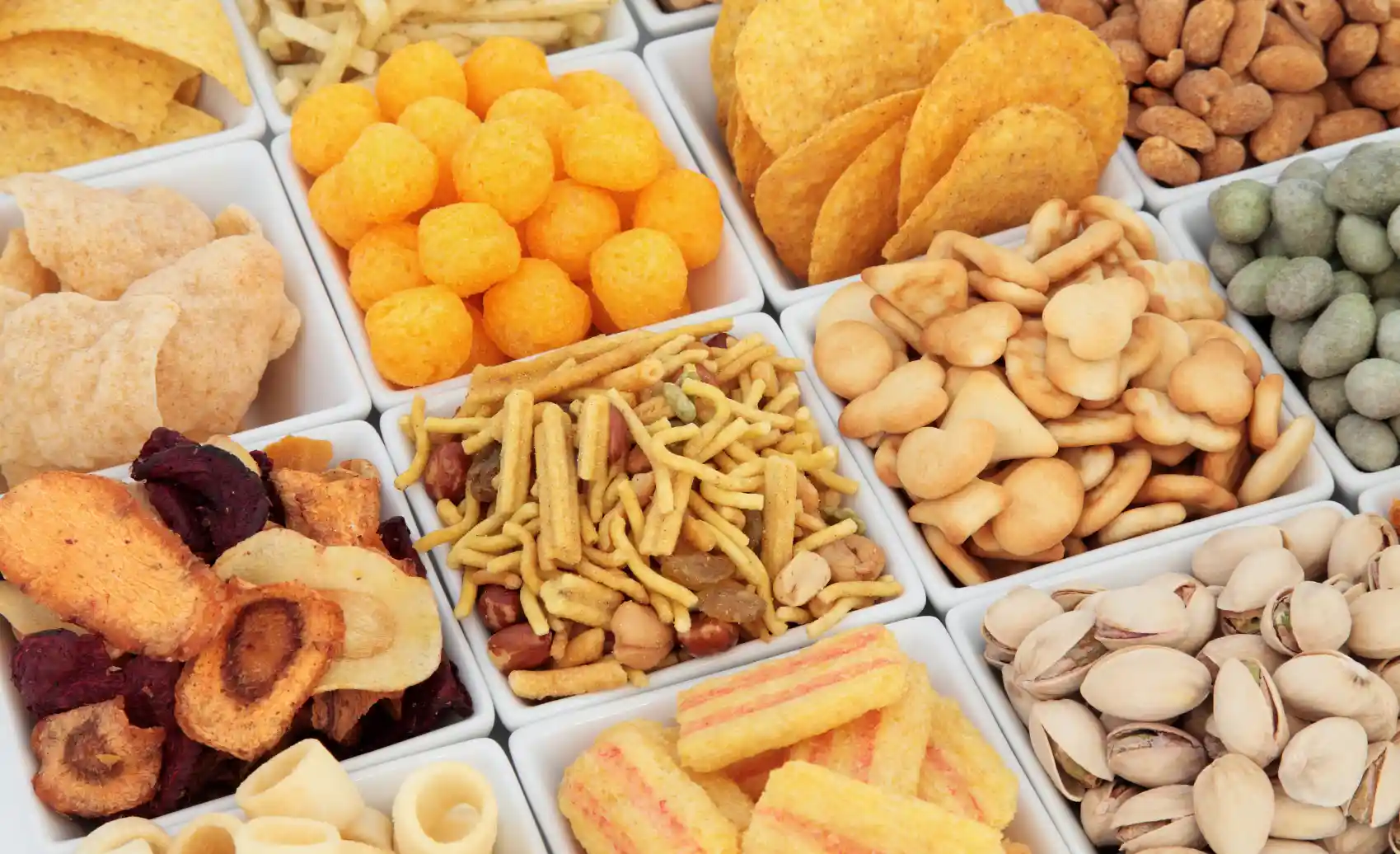
Pack snacks you actually like; you will need them when the canyon climbs feel long.
First Aid, Medication and Personal HygieneYour first aid kit should be small, realistic and personal. Do not pack a full pharmacy, but do not hike without blister care, stomach medication, pain relief and anything you personally need.
| Need | Pack this | Practical note |
| Blisters and cuts | Blister patches, tape, sterile gauze and small bandages. | Treat hot spots early. |
| Pain and stomach issues | Pain reliever, antidiarrheal and rehydration salts. | Use medication responsibly. |
| Altitude | Only medication recommended or prescribed for you. | Do not self-prescribe altitude pills. |
| Hygiene | Hand sanitizer, toilet paper, wipes, biodegradable soap and waste bags. | Pack out trash whenever possible. |
| Skin | Sunscreen, lip balm, insect repellent and after-bite cream. | Sun and insects can be stronger than expected. |
Health note:
If you have heart, respiratory, knee, ankle, digestive or medication-related concerns, check with a doctor before the trek and tell your guide before the route starts.
Documents, Cash and Electronics
Keep this part simple but do not forget it. Choquequirao has limited services, limited signal and no reliable card payment on the trail.
| Category | Bring | Why |
| Documents | Passport or ID, insurance details and emergency contact. | Useful for controls, emergencies and operator records. |
| Cash | Small Peruvian soles. | For bathrooms, drinks, snacks, tips, showers or local services when available. |
| Phone | Offline maps, saved contacts and enough storage. | Signal can be limited or unavailable. |
| Power | 10,000-20,000 mAh power bank and cable. | Charging options are not reliable. |
| Optional | Camera, GPS watch or satellite communicator. | More useful for independent hikers or photography-focused travelers. |
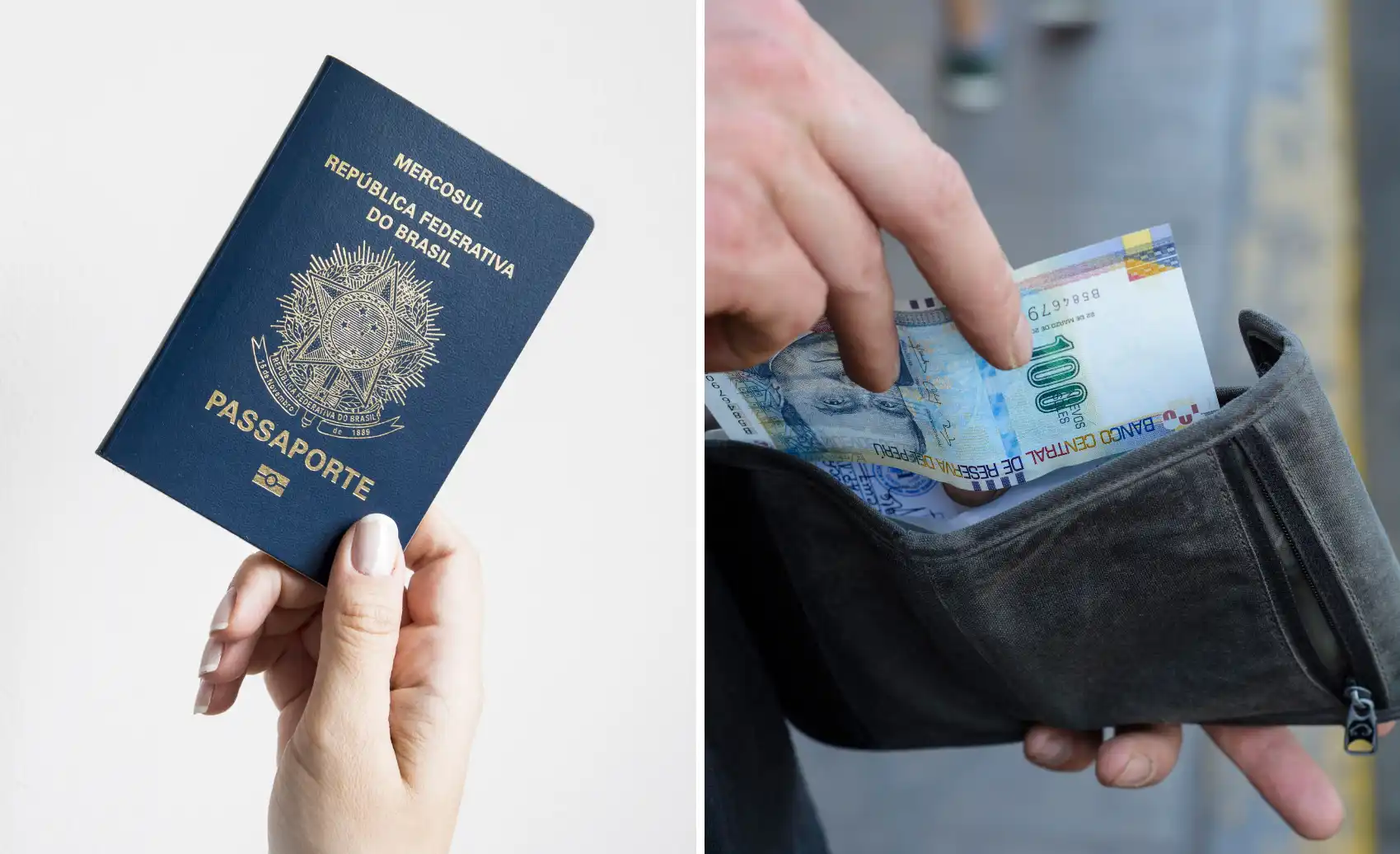
Keep documents protected and carry small Peruvian soles for local expenses.
What Not to Pack for Choquequirao
A good packing list also tells you what to leave behind. Extra weight makes Choquequirao harder, especially on the return climb out of the canyon.
| Leave it out | Why |
| Jeans or cotton-heavy clothing | They dry slowly and become uncomfortable when wet or sweaty. |
| New boots | Break footwear in before the trek or risk blisters and toe pain. |
| Too many outfits | You need functional layers, not a new full outfit every day. |
| Large toiletries | Use travel-size basics and reduce waste. |
| Unnecessary electronics | They add weight, need charging and may not be useful on the route. |
| Heavy books or bulky extras | Use offline reading on your phone or bring a small notebook instead. |
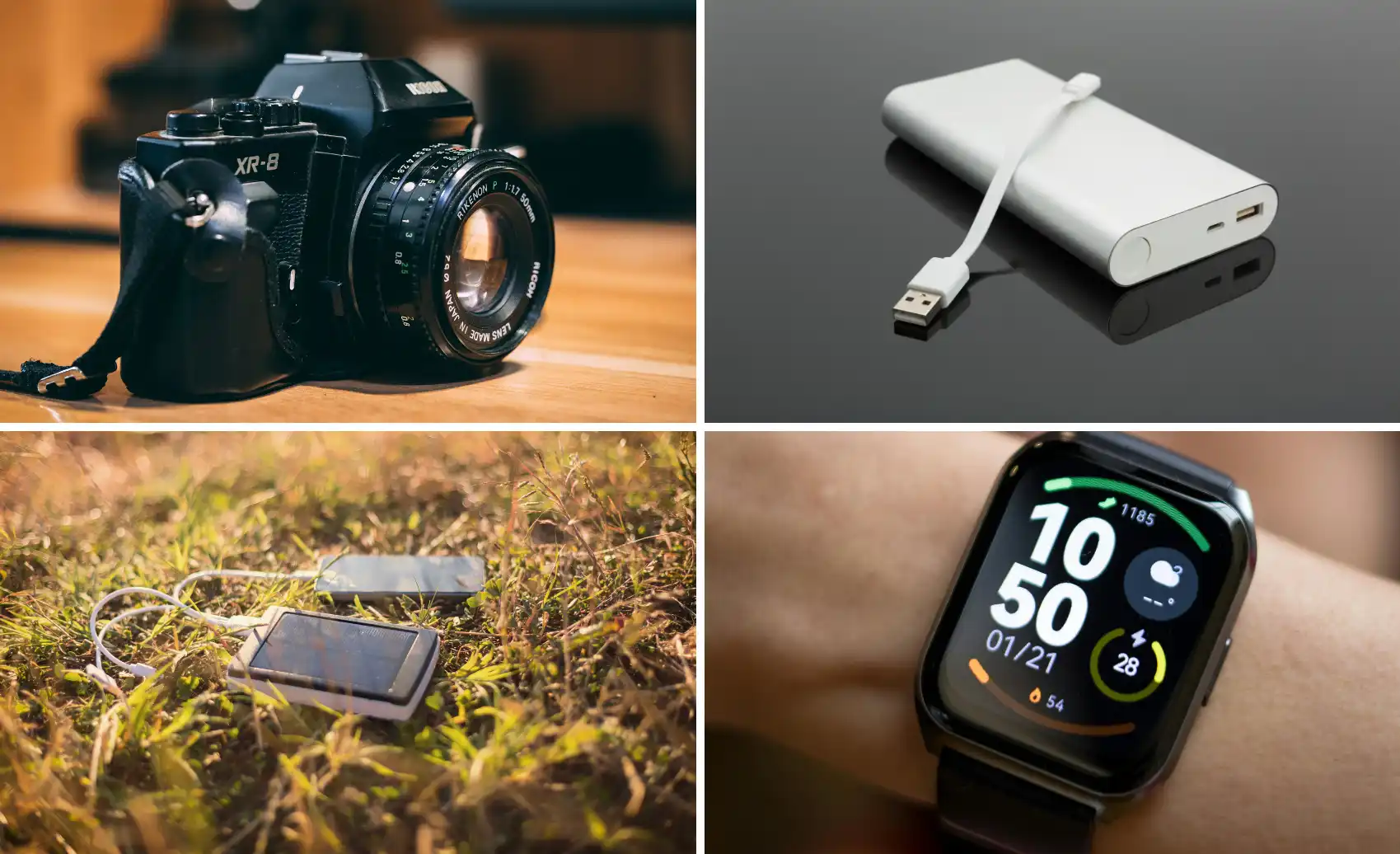
Keep electronics simple: phone, power bank, cable and offline maps solve most needs.
Seasonal Packing: Dry Season vs Rainy Season
Your packing list should change slightly by season. Dry season does not mean easy, and rainy season does not mean impossible, but the risks are different.
| Season | Prioritize | Watch out for |
| May to September | Sun protection, electrolytes, sunglasses and warm camp layer. | Strong sun, dry dust and cold nights. |
| April and October | Both sun protection and full rain layer. | Mixed weather and fast changes. |
| November to March | Waterproof jacket, pack liner, dry bags, extra socks and careful footwear. | Rain, mud, slippery descents and wet gear. |
Seasonal reality:
In dry season, protect yourself from sun and dehydration. In rainy season, protect your sleeping gear, feet and electronics from getting wet.
What You Carry vs What the Agency May Provide
This is the part many travelers misunderstand. A guided trek can reduce your load, but it does not remove your responsibility to pack personal essentials. Always confirm inclusions before departure.
| Item or service | You should carry | Agency may provide |
| Day hiking items | Water, snacks, rain layer, sunscreen, documents, medication and camera. | Route guidance, general support and pacing. |
| Camp setup | Sleeping bag if not included, personal sleepwear and headlamp. | Tent, sleeping pad, dining tent or camp setup, depending on service. |
| Food and water | Personal snacks, electrolytes and backup water treatment. | Main meals and sometimes boiled or treated water. |
| Emergency support | Personal medication and basic blister care. | First-aid kit, oxygen or emergency protocol, depending on operator. |
| Heavy gear | Only what your service does not carry. | Mule or horse support for camp gear or duffel, if included. |
Before booking:
Ask if the service includes sleeping bag, sleeping pad, duffel allowance, trekking poles, entrance fees, mule support, oxygen, first-aid kit, meals and water. Do not assume all guided treks include the same things.
Compare Other Trekking Routes Before You Pack
Final Packing Advice
The best Choquequirao packing list is the one that keeps you protected, light and ready for the route’s real problems: canyon heat, cold camp nights, tired legs, limited services, water planning and weather changes. For a guided trek, focus on a smart daypack, tested footwear, layers, snacks, documents, medication and a warm sleeping setup. For an independent trek, treat packing as a logistics plan: shelter, food, water treatment, navigation, emergency preparation and weight control all matter.
If you are still deciding how much gear you really need, first choose the right itinerary. A shorter route like the Choquequirao Trek 4 Days demands tighter packing and stronger pacing, while the Choquequirao Trek 5 Days gives more breathing room for most hikers. If you prefer to focus on the experience instead of managing every detail yourself, traveling with Inkayni Peru Tours helps you reduce uncertainty around camp logistics, meals, route timing and support on the trail.
Frequently Asked Questions About the Choquequirao Trek Packing List
What should I pack for the Choquequirao Trek?
How big should my backpack be for Choquequirao?
How heavy should my backpack be?
Do I need hiking boots for Choquequirao?
What sleeping bag do I need for Choquequirao?
Do I need water purification tablets or a filter?
Can I buy snacks or water on the route?
Is there cell phone signal on the Choquequirao route?
What should I pack for Choquequirao in rainy season?
What should I not bring to Choquequirao?
Do I need cash on the Choquequirao Trek?
What does a tour agency usually provide?
Autor
Shared:


If you liked this article and the information you found, give us 5 stars!
 (2 votos, promedio: 5.00 de 5)
 Loading...