


Wildlife in Choquequirao
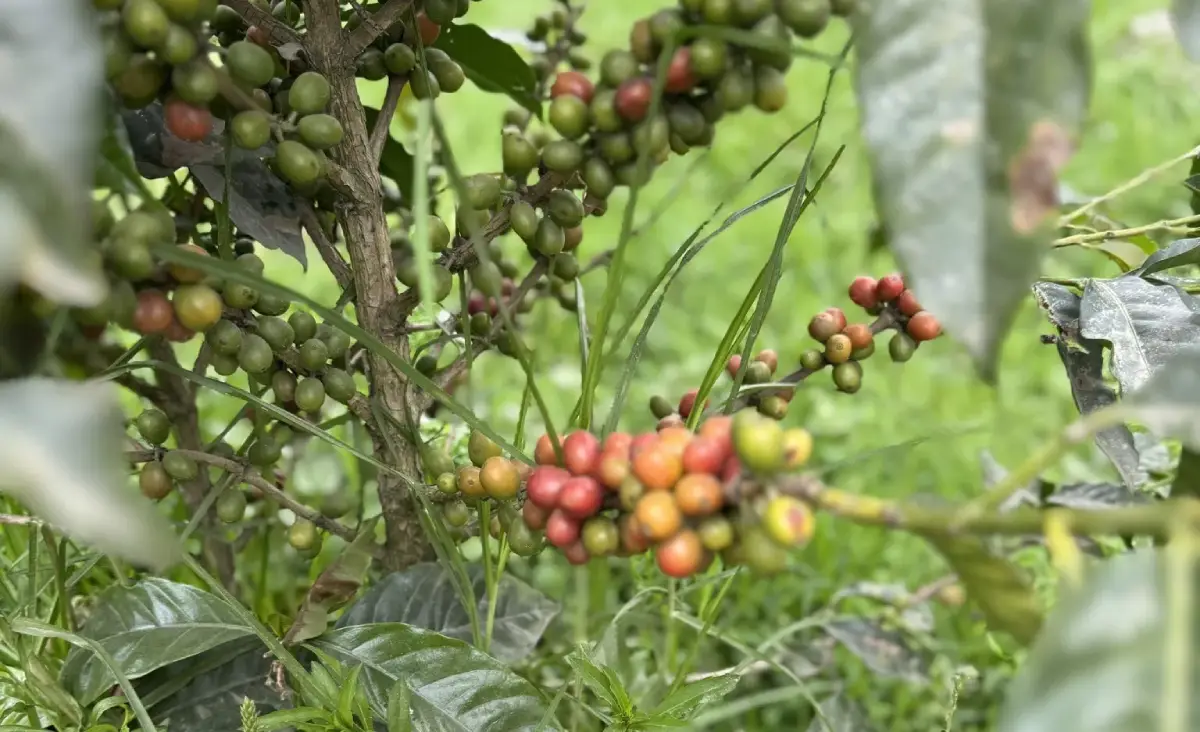
Choquequirao trek pass through canyon slopes, cloud forest, dry forest and high Andean vegetation, which is why the experience includes both ruins and biodiversity. On a normal trek, travelers may realistically see condors, hummingbirds, butterflies and a wide range of plant life along the trail, especially from quiet viewpoints and less disturbed sections. More elusive animals such as spectacled bears or pumas belong to the wider ecosystem.
Table of Contents
The best way to experience Choquequirao’s biodiversity is to walk slowly, observe at dawn or late afternoon and understand that this is not a zoo or a checklist. The value of the route is the living landscape: canyon slopes, misty forests, native plants, quiet trails and the possibility of encountering wildlife without forcing the moment.
| Cloud forestkey habitat | Dawnbest observation time | May-Sepclearer trails | No guaranteeswildlife is wild |
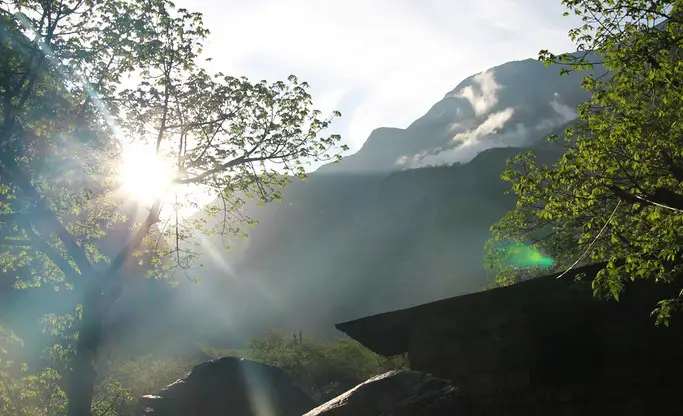
Far above the most predictable tourist routes, Choquequirao feels alive before it feels famous. The trail moves through canyon heat, cloud forest humidity, exposed viewpoints and quiet slopes where birds, plants and small signs of animal life become part of the experience. The Choquequirao ruins matter, but here the forest, the canyon and the sky carry the story.


LOST CITADEL TREKChoquequirao Trek
Hike to one of Peru’s most impressive and least crowded Inca archaeological sites.
Wildlife in Choquequirao also depends on the kind of trek you are doing. Compared with routes such as the Inca Trail, the Salkantay Trek, the Lares Trek, or the Ausangate Trek, Choquequirao usually feels quieter and more observation-friendly. Even here, the pace matters: a 5-day trek gives more room to stop and look, while a 4-day version moves through the same habitats with less margin.
What Animals Live in Choquequirao?
Choquequirao sits in a transition zone between high Andean landscapes, dry canyon slopes and humid montane forests. That mix creates different habitats in a relatively small trekking area. Some animals are commonly heard or seen, while others live in the region but avoid humans almost completely.
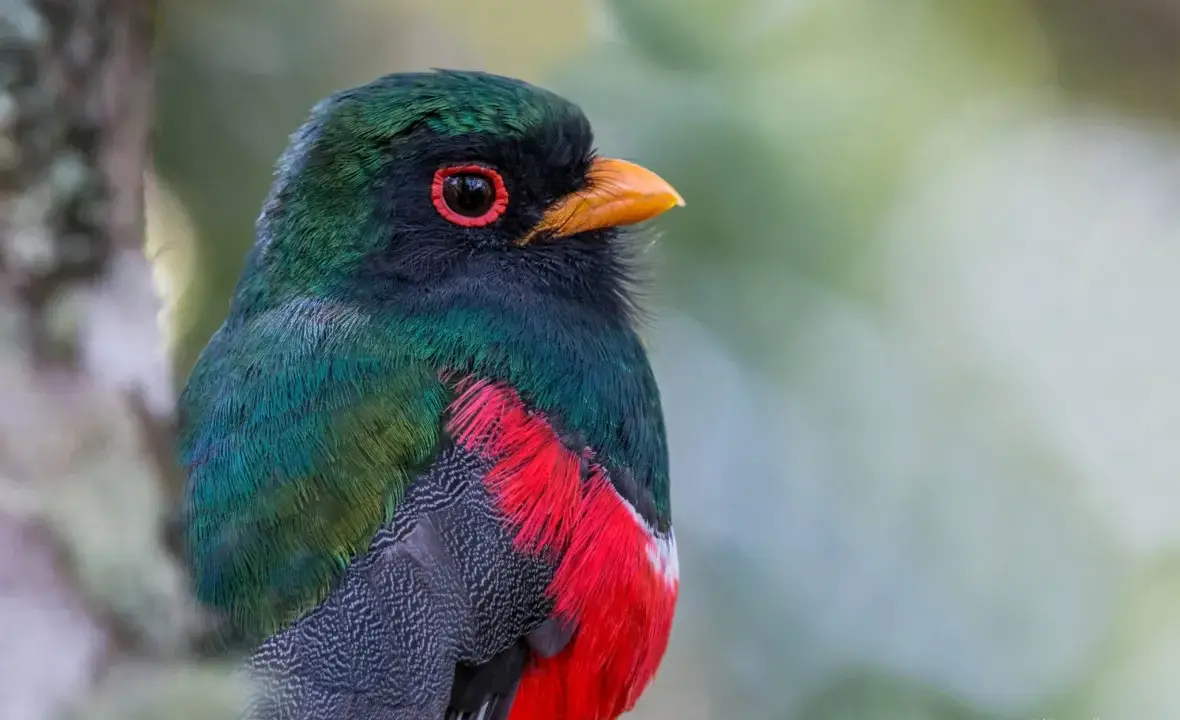
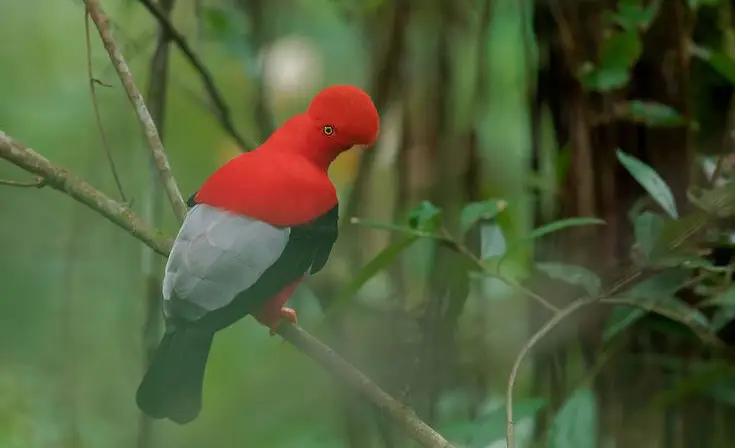
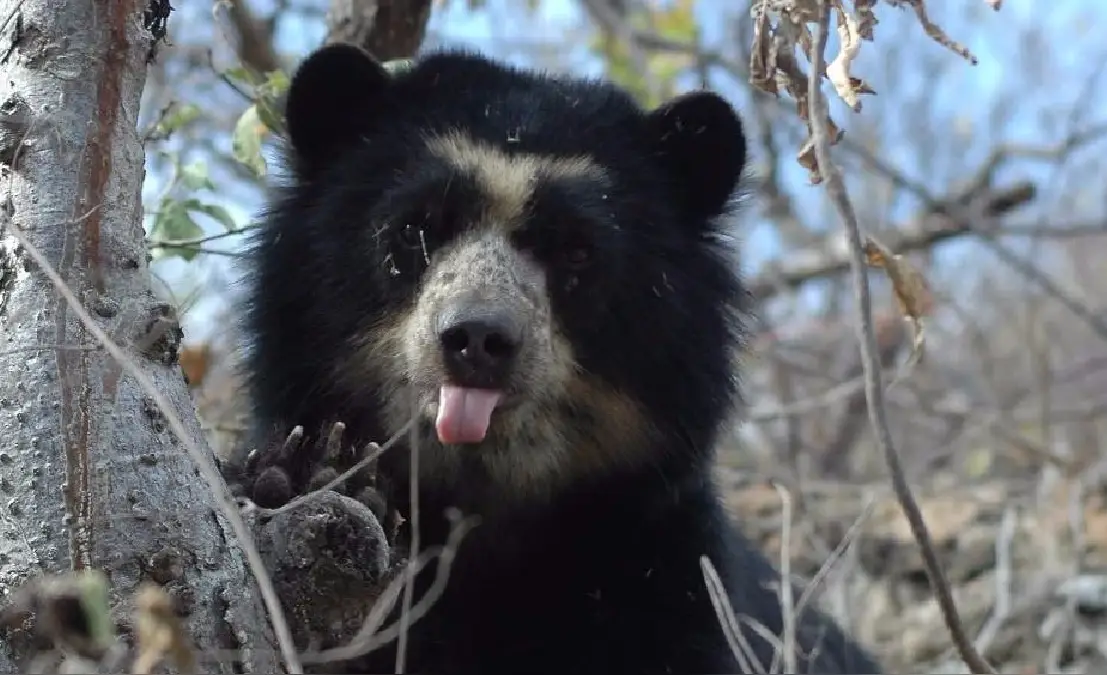
The species travelers most often hope for are the spectacled bear, the Andean condor, the cock-of-the-rock, hummingbirds, butterflies and small mammals. The right expectation is important: birds and butterflies are much more likely than bears or pumas. Tracks, calls, movement in the vegetation or distant silhouettes can be as meaningful as a close sighting.
| Species or group | Why it matters | Realistic sighting chance |
| Spectacled bear | South America’s only bear and an emblem of Andean cloud forests. | Low. Presence is possible, but direct sightings are rare. |
| Andean condor | Large soaring bird associated with cliffs, thermals and canyon landscapes. | Medium on clear days over canyon viewpoints. |
| Cock-of-the-rock | Peru’s national bird, known for bright orange plumage and courtship displays. | Medium in suitable cloud forest sections, especially early. |
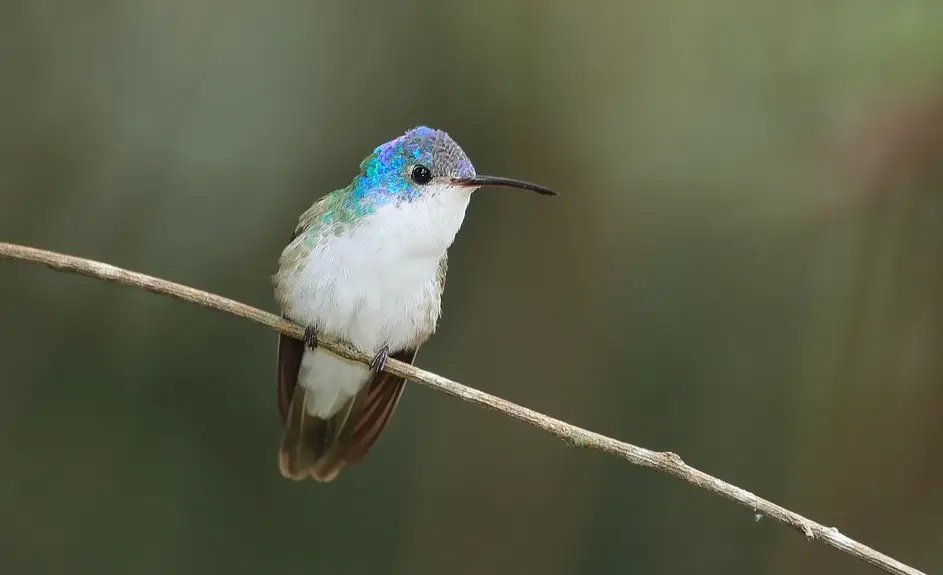
| Hummingbirds | Active around native flowers and forest edges along the route. | Medium to high if you walk slowly and watch flowering areas. |
| Andean fox, coati and deer | Small and medium mammals that may move near quiet slopes and forest edges. | Low to medium, depending on hour, noise and luck. |
| Puma | Large feline present in wider Andean ecosystems but highly elusive. | Very low. Usually known through tracks or local reports, not sightings. |
Keep this in mind:
Choquequirao is not a wildlife park with guaranteed animals. It is a remote trekking landscape where the best sightings happen when you move quietly, start early and accept that nature does not perform on schedule.

Where Wildlife Appears Along the Choquequirao Trek
The route to Choquequirao crosses several ecological transitions. That is why the wildlife experience changes from one section to another. Dry canyon areas are better for open views, raptors and reptiles; humid forest edges are better for birds, butterflies and plant life; quieter sections near Marampata and the archaeological site can reveal tracks or distant movement.
| Route area | What to observe | Best approach |
| Apurímac Canyon | Condors, raptors, reptiles, dry-slope vegetation and wide ecosystem transitions. | Use viewpoints, watch thermals and avoid hiking too fast in the heat. |
| Chiquisca and lower camps | Warm-zone plants, insects, butterflies and small birds. | Look around camp edges at dawn and late afternoon without leaving marked areas. |
| Marampata area | Forest-edge birds, hummingbirds, butterflies and occasional mammal traces. | Walk slowly and listen before looking; many species reveal themselves by sound first. |
| Choquequirao archaeological site | Birds over terraces, flowers, insects and canyon viewpoints. | Combine the ruins visit with quiet pauses at overlooks and terrace edges. |
| Cloud forest sections | Cock-of-the-rock, hummingbirds, orchids, bromeliads and amphibian habitat. | Best during early hours, after light rain or when the trail is quiet. |
Understand Choquequirao as a living landscape
Biodiversity in Choquequirao by Season
The season changes how the landscape feels and what travelers are more likely to notice. The dry season usually offers clearer views, firmer trail conditions and better visibility. The rainy season brings denser vegetation, more humidity and a stronger cloud forest atmosphere, but also muddier and more slippery trails.
Neither season is “better” for everything. For most trekkers, May to September is more practical. For travelers especially interested in plants, mist, amphibian habitat and a greener forest, the rainy months can feel more alive, but they require more caution and trekking experience.
| Season | Wildlife and landscape | Travel reality |
| Dry season, May to September | Clearer viewpoints, better bird visibility and easier long-distance observation. | Best for most hikers because trails are generally more stable. |
| Shoulder months | Mixed conditions, changing vegetation and variable bird activity. | Good if you can adapt to changing weather. |
| Rainy season, October to April | Greener cloud forest, more humidity, more flowers and better amphibian habitat. | Trails can be slippery; rain can reduce visibility and increase risk. |
Did you know?
The same weather that makes the trail harder can make the forest feel more alive. That is why wildlife-focused travelers should think about trail safety and observation goals together, not separately.


Warning:
Biodiversity in Choquequirao depends on fragile cloud forests, steep slopes and small habitats along the trail. Leaving marked paths, cutting switchbacks, using drones without permission or leaving waste can damage the same wildlife experience travelers come to enjoy.
Birdwatching in Choquequirao
Birdwatching is one of the most realistic ways to enjoy wildlife in Choquequirao. Condors may appear over canyon viewpoints, hummingbirds move around flowering plants, and cloud forest birds become more active during the cooler edges of the day.
The most important rule is patience. Many birds are heard before they are seen. Walk slowly, pause at forest edges and avoid loud conversations during the best observation windows. A local guide can also help identify calls, movement and likely spots.
| Time frame | What you may observe | Recommendation |
| 5:30 a.m. to 9:00 a.m. | Songbirds, hummingbirds and higher activity near forest edges. | Keep binoculars ready, walk quietly and pause often. |
| Midday | Raptors and condors may use thermals above open canyon areas. | Use viewpoints, but protect yourself from sun and heat. |
| 4:30 p.m. to 6:00 p.m. | Birds returning to roosts, changing light and possible raptor movement. | Avoid flash, noise and sudden movement near wildlife. |
How Many Species Live Around Choquequirao?
Species numbers around Choquequirao vary depending on whether the source refers only to the trekking corridor, the archaeological surroundings or the broader Regional Conservation Area Choquequirao. This is why exact figures should be handled carefully.
What is well supported is that the wider protected landscape is biologically important because it includes montane forest, cloud forest, seasonally dry forest, the Apurímac Canyon and high mountain zones. These habitats allow a mix of birds, mammals, reptiles, amphibians, orchids, bromeliads and native plants.
| Species group | How to understand the numbers |
| Birds | The wider region is especially rich in birdlife, but exact counts depend on survey scope and elevation range. |
| Mammals | Includes visible and elusive species; direct sightings are much rarer than presence records. |
| Plants | Cloud forest, dry forest and high-Andean zones create strong plant diversity. |
| Reptiles and amphibians | More noticeable in humid or rainy-season conditions, especially in gorges and forest edges. |
Key Ecological Zones in Choquequirao
- Apurímac Canyon: warmer, drier and exposed, with raptors, reptiles and dry-slope vegetation.
- Cloud forest edges: good for birds, orchids, bromeliads, butterflies and amphibian habitat.
- Marampata and intermediate camps: useful for slow observation around quieter trail sections.
- Choquequirao archaeological sector: terraces, flowers, insects, birds and canyon viewpoints in one place.
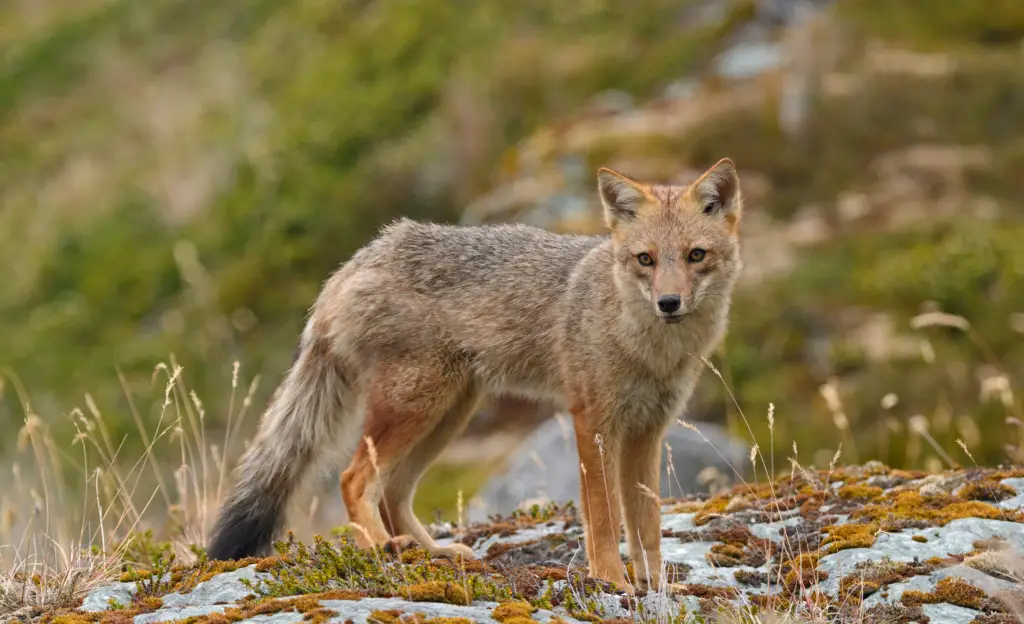
The Role of Choquequirao in Peru’s Conservation Landscape
Choquequirao is not only an archaeological destination. The wider area is part of a regional conservation landscape created to protect biological, water, cultural and archaeological resources. That matters because the site’s future depends on more than restoring walls; it also depends on keeping forests, slopes, water sources and wildlife corridors healthy.
The Regional Conservation Area Choquequirao covers a large mountain landscape in Cusco, including areas of humid montane forest, cloud forest, seasonally dry forest and parts of the Apurímac Canyon. This helps explain why the trek can feel dry, hot, green, humid and cold in different sections of the same journey.
Important note:
The conservation story is bigger than this wildlife guide. If you want the protected-area angle, habitat protection and management context, use the conservation-focused Choquequirao page as the main reference instead of turning this blog into a technical report.

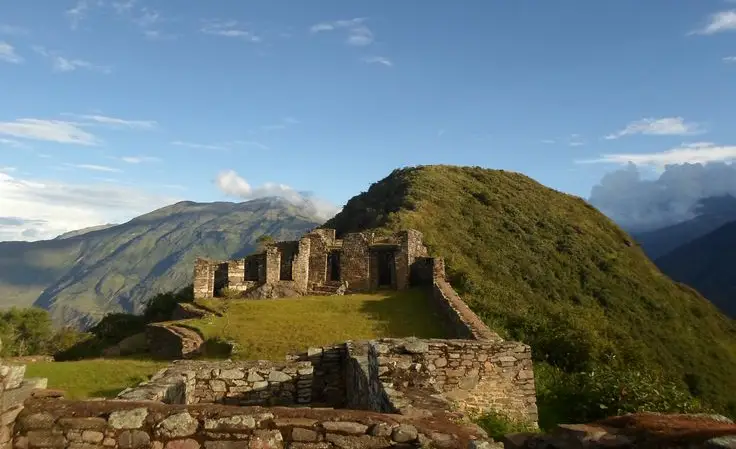
Could Easier Access Affect Wildlife?
The future of Choquequirao is often discussed through the cable car project and easier access. For travelers, the topic is usually about comfort. For conservation, the question is wider: how would noise, construction, lights, waste, visitor volume and new paths affect animals that currently depend on quiet habitat?
This does not mean access and conservation must be enemies. It means any future development should consider wildlife corridors, waste management, water sources, visitor limits and the cultural value of the site. Choquequirao’s remoteness is not only part of its adventure; it is part of what has protected its ecosystems.
Other Trek Routes That Show Peru in Different Ways
Practical Tips for Wildlife Observation
Wildlife observation in Choquequirao is less about chasing animals and more about becoming less intrusive. The quieter you are, the more the landscape reveals. A good guide can help you identify birds, tracks and habitats, but your behavior on the trail matters just as much.
- Bring lightweight binoculars: they are more useful than a heavy camera for most bird and distant wildlife moments.
- Wear neutral colors: avoid bright clothing if wildlife observation is a priority.
- Walk quietly at key hours: dawn and late afternoon are better than noisy midday hiking.
- Never feed animals: food changes behavior and can make wildlife vulnerable.
- Do not use flash on animals: especially near birds, amphibians or nocturnal movement.
- Stay on the trail: microhabitats near the path can be fragile and slow to recover.
- Avoid drones unless permitted: noise can disturb birds and mammals, and archaeological/protected areas may restrict use.

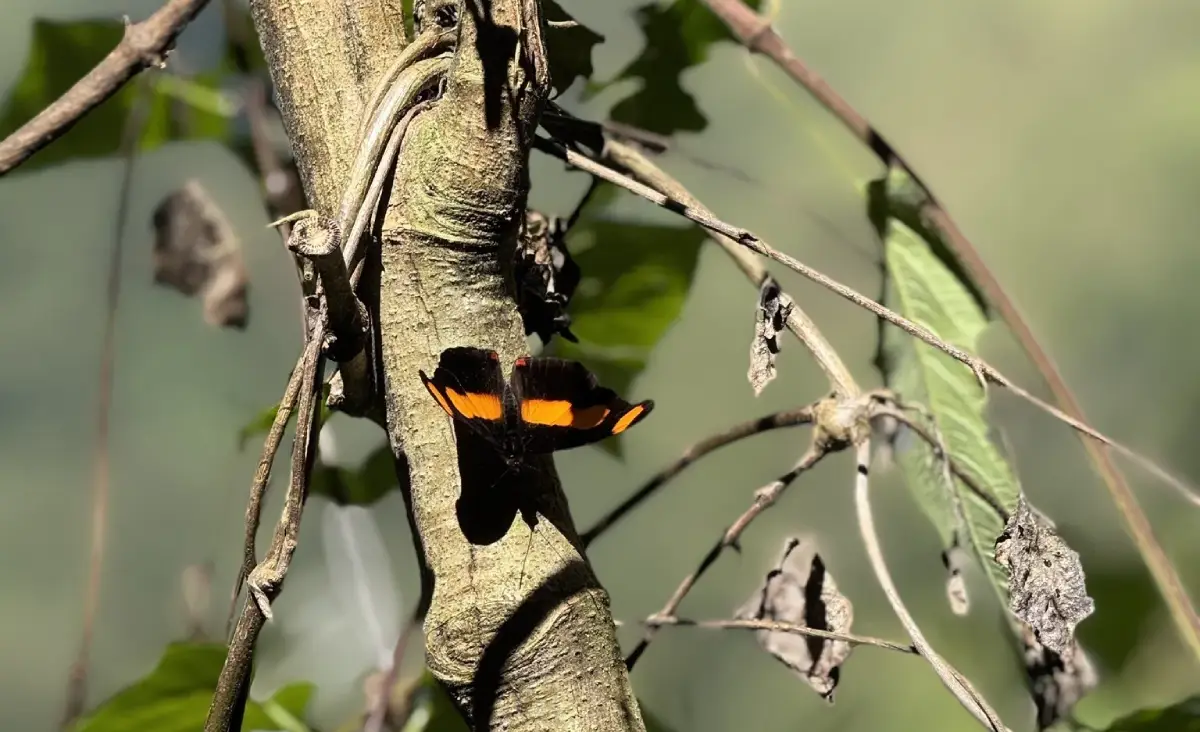
How Responsible Tourism Helps Protect Wildlife
Responsible trekking can support conservation when it uses local staff, respects campsites, manages waste properly and teaches travelers to move through the landscape with care. In Choquequirao, this matters because tourism is growing while the ecosystem remains fragile.
Choosing a guided trek is not only about comfort. It can also reduce avoidable impacts: poorly managed camps, food waste, informal shortcuts, uncontrolled noise and unsafe wildlife behavior. The best operators help travelers understand that they are crossing a living territory, not just consuming a destination.
Keep this in mind:
Conservation is not only a government task. On the trail, every traveler participates through small decisions: where they walk, what they carry out, how much noise they make and how they treat wildlife encounters.
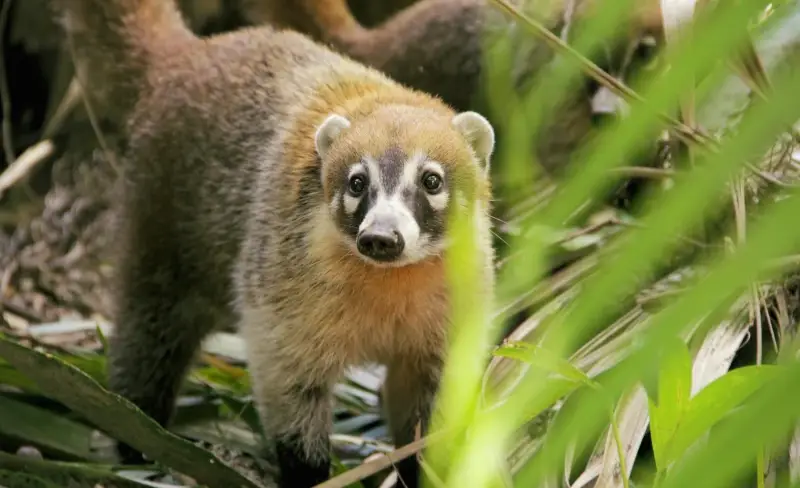
History and Wildlife Together
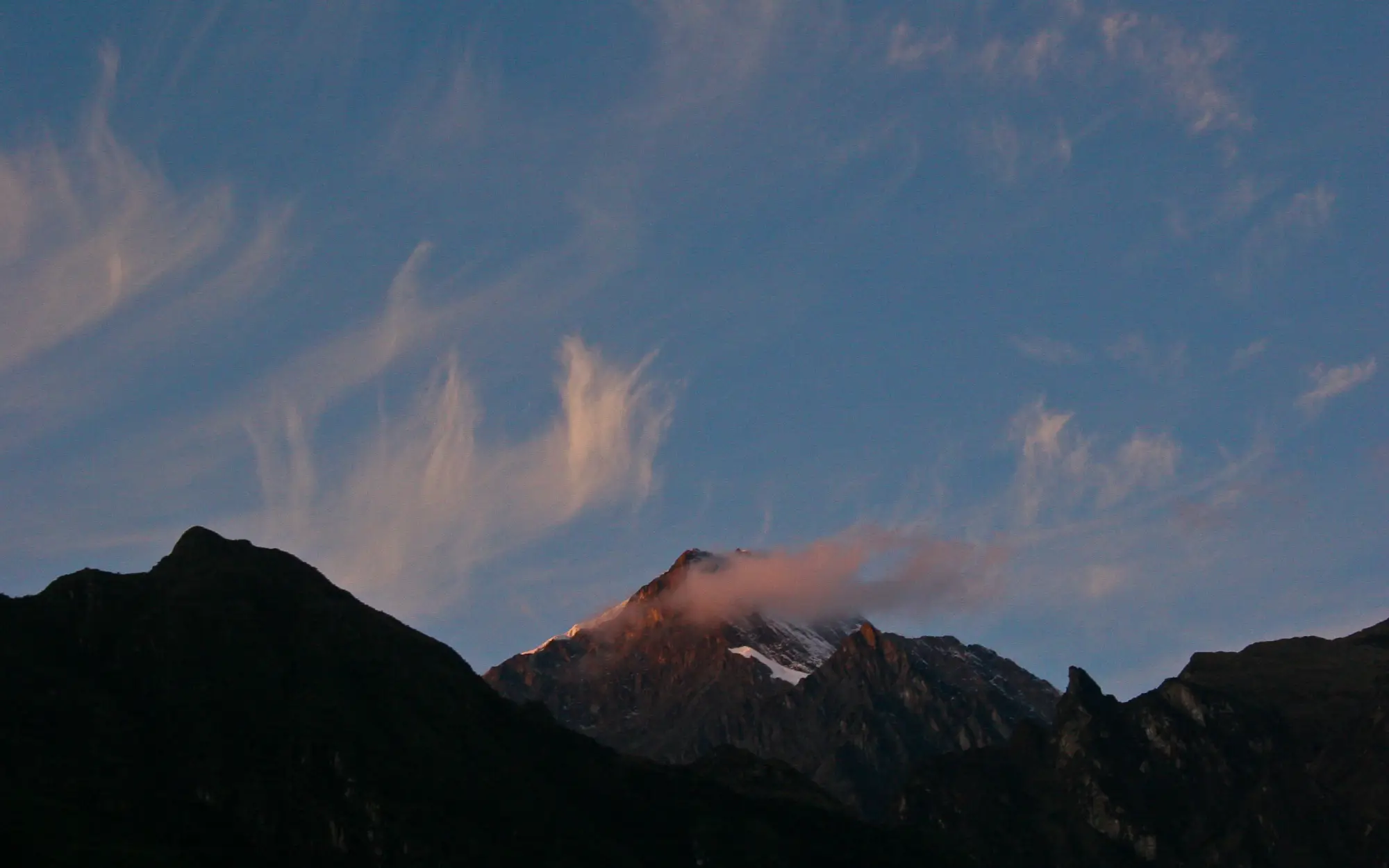
Choquequirao does not need to become another crowded destination to be valuable. Its strength is the coexistence of history and wildlife: terraces above the canyon, birds crossing the open sky, plants growing around stone walls and trails where silence still matters.
If you want to experience that balance with the right support, Inkayni Peru Tours can organize the trek with local guides, camps, meals, mule support and responsible trail practices. The goal is simple: reach Choquequirao safely, understand the ruins and move through the living landscape with respect.
Frequently Asked Questions About Wildlife in Choquequirao
What animals can you see in Choquequirao?
Can you see spectacled bears in Choquequirao?
Is Choquequirao good for birdwatching?
When is the best time to observe wildlife in Choquequirao?
What is the best time of day for wildlife sightings?
Are there dangerous animals on the Choquequirao trek?
Can I use a drone to film wildlife in Choquequirao?
What should I bring for wildlife observation?
Is the rainy season better for biodiversity?
How many days do I need to enjoy wildlife in Choquequirao?
How does tourism help protect wildlife in Choquequirao?
Is wildlife in Choquequirao different from Machu Picchu?
Escrito por

Shared:


If you liked this article and the information you found, give us 5 stars!
 (1 votos, promedio: 5.00 de 5)
 Loading...