


Choquequirao Trek vs Lares Trek
Choose Choquequirao if you want remote Inca archaeology, fewer hikers and a harder canyon trek where the ruins are the main reward. Choose Lares if you want living Quechua culture, highland villages, hot springs and a more flexible route that often connects naturally with Machu Picchu. The difference is not only “ruins vs communities.” Choquequirao is usually harder on legs, knees and logistics because of the Apurímac Canyon. Lares is usually easier to organize and more human-centered, but it reaches higher mountain passes, so altitude still matters.
Table of Contents
Many travelers compare these two treks because both feel less crowded than Cusco’s most famous routes. But they do not reward the same kind of traveler. A beautiful Choquequirao photo does not show the long canyon climb back out; a warm Lares village scene does not show the cold pass, thin air or the extra planning needed if Machu Picchu is included.
| 4-5 daysChoquequirao classic | 3-4 daysLares + Machu Picchu | US$540-950+Choquequirao guided range | US$650-950+Lares with Machu Picchu | Cultureancient site vs living Andes |
That is where the decision becomes practical. Before choosing by scenery, price or the word “alternative,” it helps to understand what each trek demands from your body, your schedule and your expectations.
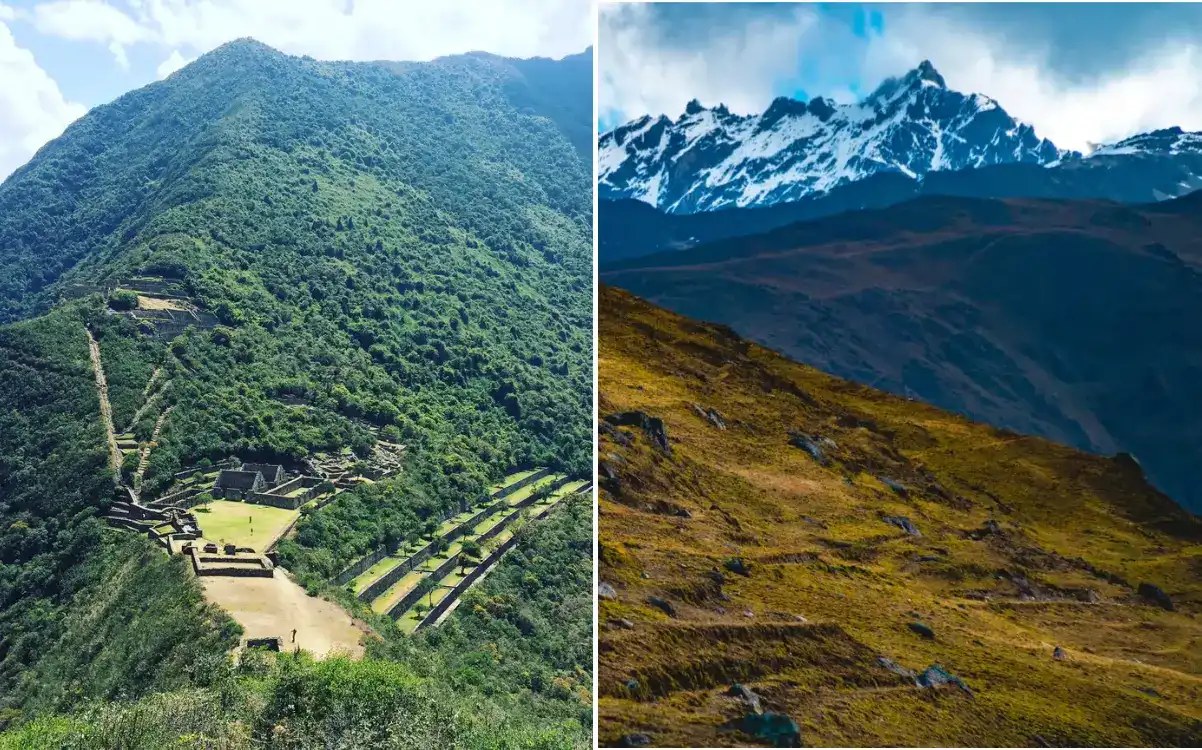
Choquequirao and Lares show two different sides of the Andes: remote archaeology and living highland culture.
Choose Choquequirao if…
- You want a remote Inca site as the main reward.
- You prefer solitude over social trekking.
- You can handle long descents, steep climbs and canyon heat.
- You are comfortable with basic camps and more remote logistics.
- You do not need Machu Picchu included in the same trek.
Choose Lares if…
- You want living culture and highland communities.
- You prefer a trek with more human contact and local support.
- You want a route that can connect naturally with Machu Picchu.
- You are worried about Choquequirao’s canyon descents.
- You want a good first multi-day trek after acclimatizing in Cusco.
Choquequirao Trek vs Lares Trek: Main Comparison
| Decision point | Choquequirao Trek | Lares Trek |
| Main experience | Remote Inca archaeology, canyon trekking and a quieter expedition feeling. | Living Quechua culture, highland villages, hot springs and a softer route to the Machu Picchu area. |
| Typical duration | 4 or 5 days for the classic round trip; longer if connected to Machu Picchu. | Usually 3 trekking days plus 1 day for Machu Picchu, or shorter cultural variants. |
| Approximate distance | Often around 31-43 mi / 50-70 km for classic versions, depending on trailhead, camps and itinerary design. | Often around 20.5-27 mi / 33-44 km, although some 4-day versions list about 23.6 mi / 38 km depending on the route. |
| Highest point | The archaeological area sits around 10,000 ft / 3,050 m, but the route has major elevation loss and gain through the Apurímac Canyon. | Usually around 14,270-15,354 ft / 4,350-4,700 m, depending on whether the itinerary crosses Ipsaycocha Pass, Lares Pass, Condor Pass or another variant. |
| Typical cost | Often around US$540-950+ for an organized 4 or 5-day trek; private, premium or small-group trips can cost more. | Often around US$650-950+ for a 4-day package when Machu Picchu ticket, train and hotel are included. |
| Main physical challenge | Steep descents, long climbs, exposed canyon heat, tired knees and heavy leg fatigue. | High altitude, cold nights, mountain passes and keeping a steady pace above Cusco elevation. |
| Machu Picchu included? | Not in the classic Choquequirao-only trek. | Often yes in 4-day and 5-day packages, usually via Ollantaytambo and Aguas Calientes. |
| Cultural focus | Ancient Inca architecture, terraces, ceremonial sectors and the wider Vilcabamba landscape. | Living communities, Quechua language, textiles, agriculture, herding and daily Andean life. |
| Booking flexibility | Less frequent departures; more planning is needed for camps, mule support, transport and site timing. | More flexible in many cases, but Machu Picchu tickets, circuits and train logistics can limit dates. |
| Best for | Fit hikers who want solitude, archaeology and a physically raw trek. | Travelers who want culture, scenery, community contact and a more accessible route to Machu Picchu. |
Price note:
These are planning ranges, not fixed prices. Final cost depends on group size, operator quality, season, transport, camping gear, meals, mule or horse support, hotel in Aguas Calientes, Machu Picchu ticket, train category and optional upgrades. A Choquequirao-only trek and a Lares trek with Machu Picchu are not the same product, so compare inclusions before comparing price.
Compare Cusco’s Main Trekking Routes Before You Choose
LOST CITADEL TREKChoquequirao Trek
Hike to one of Peru’s most impressive and least crowded Inca archaeological sites.
What Makes Each Trek Different?
Choquequirao and Lares are sometimes grouped together as “alternative treks,” but that label hides the real decision. Choquequirao is for travelers who want the trek to build toward one major archaeological reward. Lares is for travelers who want the route itself to feel inhabited: villages, herding paths, textiles, hot springs and daily Andean life.
| Experience layer | Choquequirao | Lares |
| 1. What stays in memory | The scale of the canyon, the silence of the ruins and the effort required to arrive. | Faces, textiles, villages, high passes, hot springs and the feeling of walking through a living landscape. |
| 2. What you should not expect | Comfort, many services, frequent shops or a social trail. | A major Inca citadel on the trail itself or the same archaeological depth as Choquequirao. |
| 3. What makes it valuable | Remote archaeology, solitude and a strong expedition feeling. | Culture, accessibility, human contact and a smoother Machu Picchu connection. |
| 4. What can disappoint you | Expecting comfort, easy logistics or a short scenic walk. | Expecting dramatic ruins, total solitude or a low-altitude cultural stroll. |
Choquequirao Trek: Remote Archaeology and Canyon Effort
What to expect on the route
The Choquequirao Trek usually begins around Capuliyoc or the Cachora access axis. From there, the route drops toward the Apurímac River and climbs toward Marampata and Choquequirao. The distance is not the only issue; the real test is the repeated descent and climb in a hot canyon environment.
This is why Choquequirao often feels harder than its maximum altitude suggests. The site is lower than many Andean passes, but the route can punish knees, quads and endurance. A 4-day version works for fit hikers, while a 5-day version usually gives a better rhythm and more time at the ruins.
| Choquequirao factor | Practical meaning |
| Classic duration | 4 to 5 days; 5 days is usually more balanced for most travelers because it gives more time at the site and reduces rushed pacing. |
| Distance | Often around 31-43 mi / 50-70 km on classic versions, depending on route measurement and itinerary design. |
| Altitude | The site sits around 10,000 ft / 3,050 m, but the difficulty comes more from descent and climb than from maximum altitude. |
| Main difficulty | Long canyon descents, steep climbs, exposed sun, heat and return-day fatigue. |
| Site access | The traditional access through Cachora/Capuliyoc descends toward the Apurímac Canyon before climbing toward Marampata and Choquequirao. |
| Site timing | Plan enough time to visit the archaeological area during official visiting hours. Do not treat Choquequirao as a quick viewpoint stop. |
| Site rules | Do not camp inside the archaeological site, climb on walls, fly drones without authorization or assume food can be taken into the monument area. |
| Support | Mules or horses are commonly used for camp equipment; service quality varies by operator. |
| Best traveler | Fit hikers who value silence, archaeology and a physically demanding experience. |
Important:
Do not choose Choquequirao only because the maximum altitude is lower than Lares. The canyon descent and return climb can feel harder than a higher but more gradual route.
Why Choquequirao is not just “another ruin”
Choquequirao is valuable because the archaeological site is the destination, not a short stop. The main plaza, terraces, ceremonial areas, water channels and the famous llama terraces give the trek a historical weight that Lares does not try to imitate. It is a stronger choice if you want Inca architecture, a remote setting and time to explore a site still less standardized than Machu Picchu.
Understand the Choquequirao Side Before Booking
Lares Trek: Living Quechua Culture and a Softer Route to Machu Picchu
What to expect on the route
The Lares Trek is not built around a single archaeological site. Its strength is the route itself: highland communities, weaving traditions, herding landscapes, hot springs and mountain passes. Depending on the variant, you may pass places such as Lares, Huacahuasi, Ipsaycocha, Patacancha, Huilloc, Cancha Cancha or Ollantaytambo.
Lares is usually more accessible than Choquequirao because the route is more connected to communities, road access points and the Sacred Valley. That does not make it easy. The challenge shifts from canyon effort to altitude: high passes, cold nights and several hours above normal Cusco elevation can affect breathing, sleep and appetite. A few days of acclimatization in Cusco or the Sacred Valley are still important.
| Lares factor | Practical meaning |
| Classic duration | Usually 3 trekking days plus 1 day for Machu Picchu, depending on the package. |
| Distance | Often around 20.5-27 mi / 33-44 km, although some 4-day versions list about 23.6 mi / 38 km depending on the route. |
| Altitude | Usually around 14,270-15,354 ft / 4,350-4,700 m depending on the pass used by the itinerary. |
| Main difficulty | Altitude, cold nights, mountain passes and keeping energy on consecutive hiking days. |
| Acclimatization | At least 2 days in Cusco or the Sacred Valley before the trek is a safer baseline for most travelers. |
| Route support | More connected than Choquequirao because many versions pass communities, road access points or Sacred Valley exits. |
| Cultural responsibility | The value of Lares depends on respectful guiding, fair community interaction and not treating people as photo props. |
| Machu Picchu logistics | If Machu Picchu is included, confirm the entrance ticket, circuit, train schedule, hotel level and whether the bus to the citadel is included. |
| Best traveler | Travelers who want culture, scenery and a less brutal first multi-day trek, but who still respect altitude. |
HIGHLAND TREKKING EXPERIENCELares Trek
Discover a less crowded trek with dramatic peaks and traditional villages.
Hot springs, communities and the human side of the trek
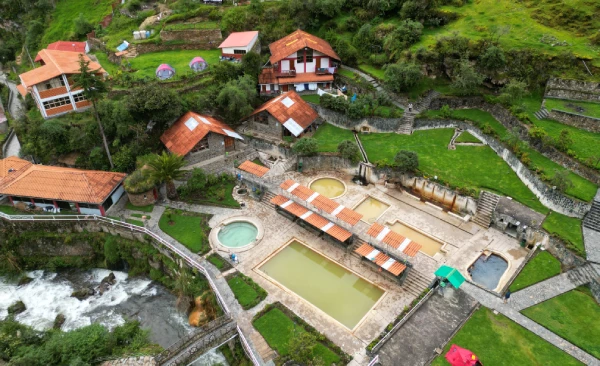
The Lares hot springs are one of the route’s practical and emotional highlights. They give the trek a softer start or recovery point, and they also connect travelers to a place used by locals, not only tourists. The cultural value of Lares depends on how the trek is operated: respectful guides, fair community interaction and responsible photography matter more than a quick “village visit.”
Cultural note:
Lares is not a staged museum. Ask before photographing people, avoid turning children or weavers into props, and choose operators that treat community encounters as relationships, not decoration.
1.- Difficulty: Canyon Wear vs Altitude
Both treks require preparation, but the pain comes from different places. Choquequirao is usually harder on the legs because of the canyon profile. Lares is usually harder on breathing and sleep because the route reaches higher mountain passes.
| Difficulty factor | Choquequirao Trek | Lares Trek |
| 1. Hardest feeling | Knees and quads on the long descents and return climbs. | Shortness of breath, cold nights and slower pace at high altitude. |
| 2. Beginner-friendly? | Not ideal for most beginners unless they are fit and well prepared. | More realistic for fit beginners after acclimatization. |
| 3. Altitude concern | Lower than Lares, but not irrelevant. | Higher and more sustained; altitude can affect sleep and appetite. |
| 4. Logistical difficulty | Higher because the route is more remote and less forgiving. | Moderate because communities and Sacred Valley access make planning easier. |
| 5. Overall difficulty | Hard to very hard, especially in 4 days. | Moderate to hard, mainly because of altitude. |
Practical health note:
Choose Lares carefully if you have never slept above 11,500 ft / 3,500 m. Choose Choquequirao carefully if you have knee issues, weak downhill control or poor tolerance for heat.
2.- Cost and Value: What Are You Actually Paying For?
Cost is one of the easiest places to misunderstand in this comparison. A Lares package may look more expensive because it often includes Machu Picchu, hotel, train or bus logistics. A Choquequirao package may look simpler because it does not include Machu Picchu, but the route requires remote camp logistics, mule support, food, transport to the trailhead and a stronger safety margin.
| Cost factor | Choquequirao Trek | Lares Trek |
| 1. Budget / basic range | Independent or very basic services may fall around US$250-450, but only experienced trekkers should treat this as realistic. | Basic Lares-style treks or short community versions can appear around US$300-500, but these may not include the full Machu Picchu package. |
| 2. Standard guided range | Often around US$540-950+ for a supported 4 or 5-day trek, depending on group size, camp quality and included support. | Often around US$650-950+ for a 4-day package when Machu Picchu ticket, train, hotel or bus logistics are included. |
| 3. Private or premium range | Can rise to US$950-1,300+ depending on group size, private service, guide quality, food, camp comfort and emergency support. | Can rise to US$950-1,300+ with private service, better hotel, train upgrades, premium guiding or extra cultural support. |
| 4. Common extras | Sleeping bag, poles, mule support, extra snacks, tips, private transport, entrance fees and emergency support. | Machu Picchu ticket, train category, bus to the citadel, hotel in Aguas Calientes, hot springs entrance, tips and gear rentals. |
| 5. Best value if… | You want solitude and a major archaeological destination as the main reward. | You want living culture, a less punishing route and Machu Picchu in the same travel plan. |
| 6. Cheap-price risk | Weak support, poor gear, rushed pacing, unclear mule service or no serious safety plan. | Missing Machu Picchu logistics, low-quality hotel, excluded train or bus, rushed pacing or superficial community visits. |
| 7. Do not compare directly | A Choquequirao-only trek without Machu Picchu is not the same product as a Lares package with train, hotel and citadel ticket. | A Lares package with Machu Picchu may look more expensive, but part of the price belongs to the Machu Picchu logistics, not only the trek. |
Practical money tip:
Do not compare only the headline price. Ask whether the service includes transport, meals, guide, camping gear, mule or horse support, entrance fees, Machu Picchu ticket, train return, hotel, first-aid kit, oxygen, hot springs, tips and gear rentals. A cheaper Choquequirao trek can become risky if support is weak. A cheaper Lares trek can become expensive if Machu Picchu logistics are not actually included.
3.- Permits, Tickets and Access
Neither Choquequirao nor Lares uses the same personal permit system as the Classic Inca Trail. The difference is what must be coordinated. Choquequirao needs route logistics, local entrance arrangements and support for a remote trek. Lares needs trekking logistics plus Machu Picchu ticket and train planning if the itinerary ends at Machu Picchu.
| Planning issue | Choquequirao Trek | Lares Trek |
| 1. Trail permit | No Inca Trail-style permit, but local entrance and route conditions still matter. | No Inca Trail-style permit for the trek itself. |
| 2. Ticket pressure | Lower than Machu Picchu, but cash, opening conditions and operator arrangements matter. | Higher if Machu Picchu is included, because the ticket, circuit and train dates must match. |
| 3. Trailhead access | Usually Cusco to Capuliyoc / Cachora access, then multi-day hiking. | Usually Cusco to Lares or a Sacred Valley access point, then hiking toward Ollantaytambo or nearby valleys. |
| 4. Independent travel | Possible, but best for experienced trekkers with strong logistics. | More feasible, but community protocols and Machu Picchu planning still need care. |
| 5. What can go wrong | Underestimating isolation, heat, water, mule support or the return climb. | Bad acclimatization, missing Machu Picchu tickets, weak cultural guidance or unclear train/hotel inclusions. |
Plan the Machu Picchu Side if You Choose Lares
4.- Best Season: Dry Trails or More Flexible Cultural Travel?
May to September is the safest general window for both treks. Choquequirao benefits from drier canyon trails, while Lares benefits from clearer highland conditions and better mountain visibility. April and October can be good shoulder months. Rainy season is not impossible, but it changes the risk profile.
| Season | Choquequirao | Lares |
| 1. May to September | Best window for drier trails and safer canyon conditions, but sun exposure can be strong. | Best visibility and drier highland trails, but nights can be cold. |
| 2. April and October | Good shoulder months if conditions are checked close to departure. | Often a good balance of fewer travelers, cultural activity and tolerable weather. |
| 3. November to March | Higher rain risk, slippery trails and possible route disruption in the canyon. | More possible than Choquequirao in some cases, but expect rain, mud and cloudier views. |
| 4. February | Not ideal for most travelers because of rain and trail risk. | Possible only with flexibility and a realistic weather plan. |
Seasonal reality:
Dry season does not mean easy. Choquequirao can feel hotter and more exposed in the canyon. Lares can be clear but cold at high camps and passes.
5.- Route Feel: Solitude or Human Contact?
This is where the comparison becomes less technical and more personal. Choquequirao feels bigger, emptier and more physically serious. Lares feels more inhabited, warmer in human terms and easier to combine with the Sacred Valley and Machu Picchu.
Practical reality check before comparing both treks
- Distances vary by itinerary. Choquequirao can look shorter or longer depending on trailhead, camp choice and whether the route returns directly or connects onward.
- Lares altitude varies by route. Some versions cross Ipsaycocha, others Lares Pass or Condor Pass, so always ask for the highest sleeping point and highest pass.
- Machu Picchu changes the price logic. If Lares includes train, hotel, bus and entrance ticket, it should not be compared directly with a Choquequirao-only trek.
- Ticket and circuit matter. A Lares package that includes Machu Picchu should specify the entrance date, entry time and circuit/route, not only say “Machu Picchu included.”
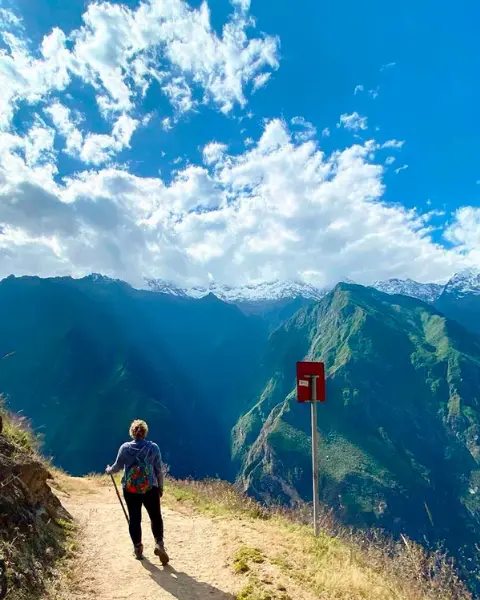
Choquequirao feels quieter and more isolated because the route filters the visitor flow.
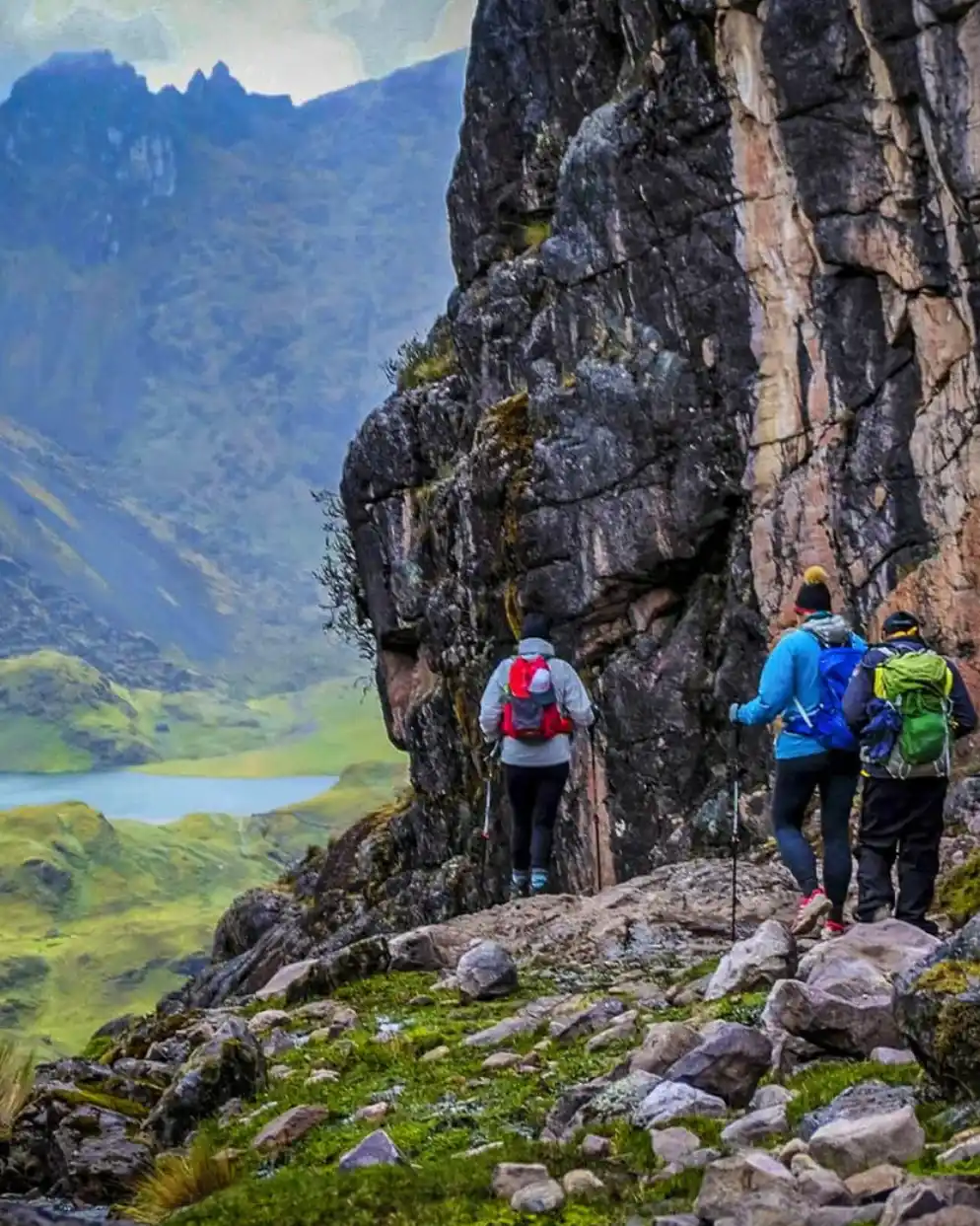
Lares feels more social and human because communities are part of the route.
| Traveler concern | Better choice | Why |
| 1. I want fewer hikers | Choquequirao | The harder access keeps crowds much lower. |
| 2. I want cultural encounters | Lares | Communities are central to the route. |
| 3. I want archaeology | Choquequirao | The trek is built around a major Inca site. |
| 4. I want Machu Picchu included | Lares | Many Lares packages connect to Aguas Calientes and Machu Picchu. |
| 5. I have knee problems | Usually Lares | Choquequirao has more punishing canyon descents and climbs. |
| 6. I am worried about altitude | Usually Choquequirao | Lares reaches higher passes, although Choquequirao is still demanding. |
| 7. I am traveling with family | Usually Lares | It is more adaptable and less isolated than Choquequirao. |
| 8. I have very few days | Usually Lares or another softer route | Choquequirao needs at least 4 days and is not ideal when the itinerary has no recovery margin. |
| 9. I already know Machu Picchu | Choquequirao | It gives a different archaeological reward without repeating the classic route. |

6.- Food, Support and Camp Life
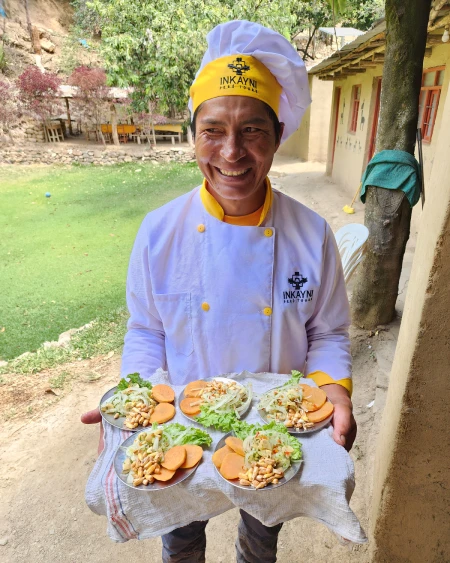
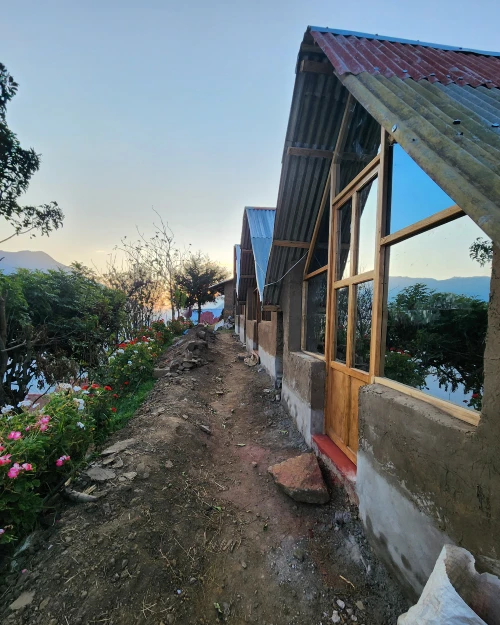
Camp life is part of the value of both treks. On Choquequirao, good support makes a remote route safer and less exhausting. On Lares, good support helps travelers move respectfully through communities and connect the trek with Machu Picchu logistics.
| Support question | Choquequirao | Lares |
| 1. Who carries the load? | Mules or horses often carry camp equipment and sometimes a limited personal duffel. | Horses, muleteers or vehicle-supported logistics may appear depending on the itinerary. |
| 2. Where do you sleep? | Basic campsites or operator-selected camp areas. | Campsites, community-style lodging or hotel in Aguas Calientes if Machu Picchu is included. |
| 3. What matters most? | Strong camp logistics, enough water, safe pacing and emergency planning. | Respectful community interaction, altitude management and clear Machu Picchu logistics. |
| 4. What should you ask before booking? | Ask about mule support, daily pace, water access, emergency plan, camp quality and whether the itinerary is rushed. | Ask about community interaction, altitude plan, hot springs, train schedule, hotel level and Machu Picchu ticket details. |
Questions to Ask Before Booking Either Trek
Still Unsure? Check Altitude, Weather and Softer Options First
Final Verdict: Choquequirao or Lares?
- Choose Choquequirao if your priority is remote archaeology, solitude and a serious physical challenge. It is the better route for hikers who want the ruins to be the main destination and who accept harder canyon terrain, fewer services and more demanding logistics.
- Choose Lares if your priority is living Andean culture, highland communities and a more accessible trek that can connect with Machu Picchu. It is usually the more practical choice for first-time multi-day trekkers, families with fit travelers, or anyone who wants a meaningful route without the same canyon punishment.
The simplest way to decide is this: choose Choquequirao for ancient stone and silence; choose Lares for living culture and a smoother path toward Machu Picchu.
Frequently Asked Questions About Choquequirao vs Lares Trek
Which trek is harder, Choquequirao or Lares?
Which trek is cheaper?
Does the Lares Trek include Machu Picchu?
Does the Choquequirao Trek include Machu Picchu?
Which trek is better for beginners?
Which trek is better for families?
Which trek has better archaeology?
Which trek has better cultural experiences?
How many days do I need for each trek?
Do I need a permit for Choquequirao or Lares?
Which trek is better if I am worried about altitude?
Which trek is better if I have knee problems?
When is the best time to hike Choquequirao or Lares?
Can I do both treks on one Peru trip?
Why do distances and altitudes vary so much between operators?
Is Lares actually easy compared with Choquequirao?
What should I confirm if Lares includes Machu Picchu?
How much time should I spend at Choquequirao itself?
Escrito por

Shared:


If you liked this article and the information you found, give us 5 stars!
 (Ninguna valoración todavía)
 Loading...