


Choquequirao Ruins in Peru
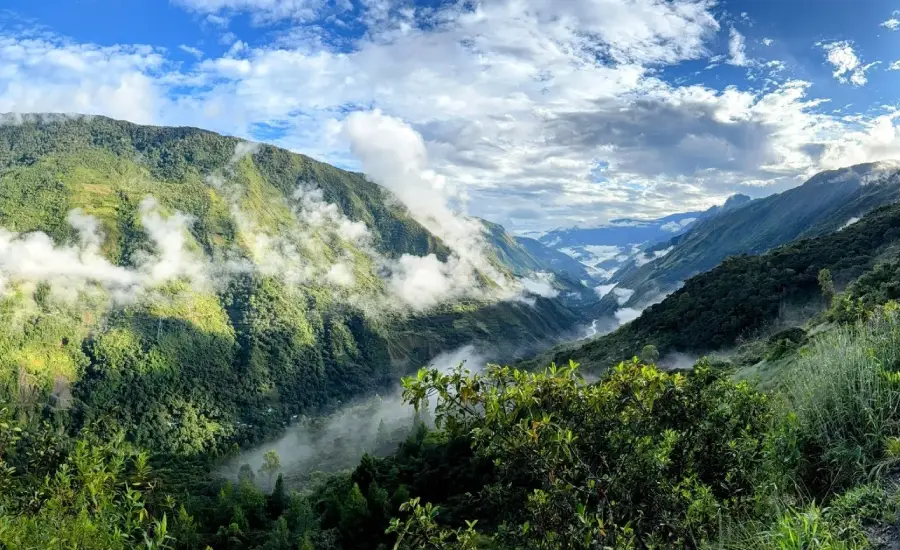
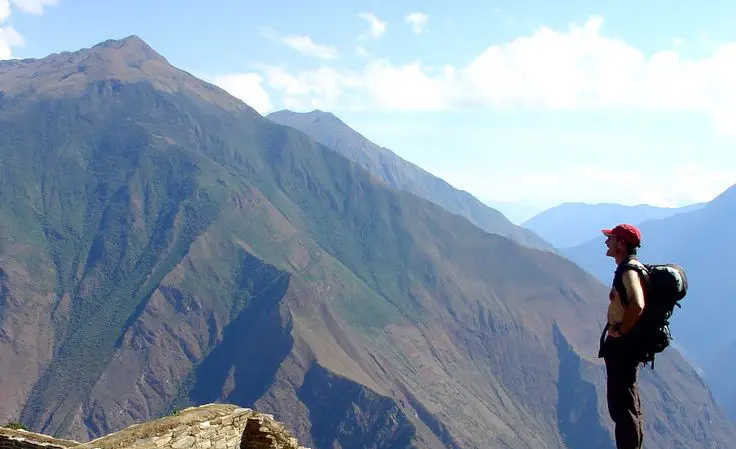
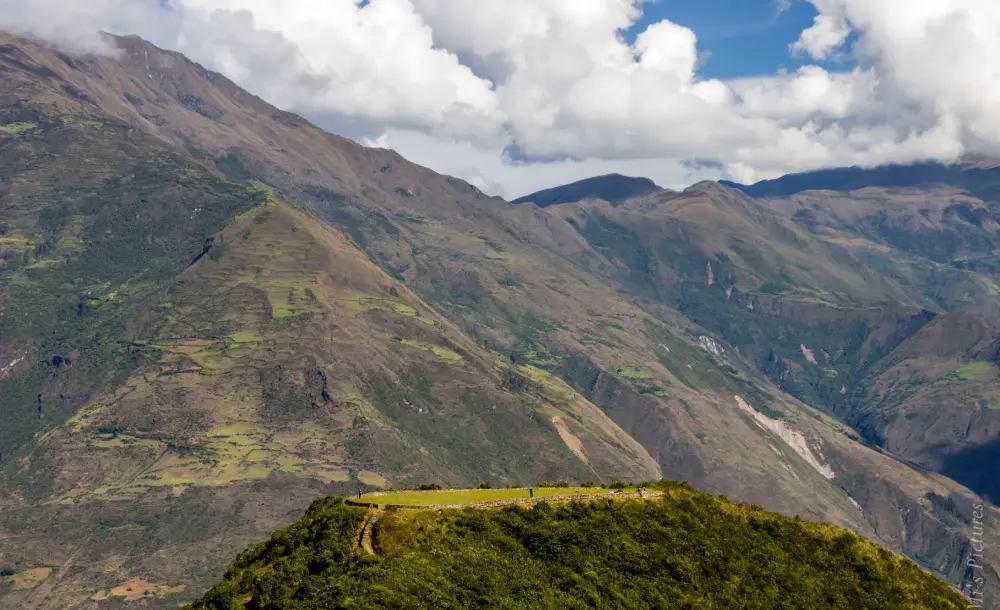
Choquequirao is a major Inca archaeological site in southern Peru, high above the Apurímac Canyon in the Vilcabamba range, and is often described as one of Machu Picchu’s quieter and more remote sister sites. The Choquequirao ruins include plazas, terraces, ceremonial sectors, water channels and the famous Llama Terraces, but what makes them different is the experience: the site is still only partially excavated, much less visited, and reached mainly by multi-day trek.
Table of Contents
The value of Choquequirao is not only its isolation. The ruins feel powerful because they reveal an Inca city still partly hidden, partly restored and still interpreted through archaeology, landscape and Andean memory. Walking through them is less about checking off monuments and more about understanding how stone, water, terraces and mountains worked together.
| 12 sectorsoften described in detail | 10,007 ftsite altitude (3,050 m) | 30-40%commonly cited as excavated | Hike onlycurrent visitor access |
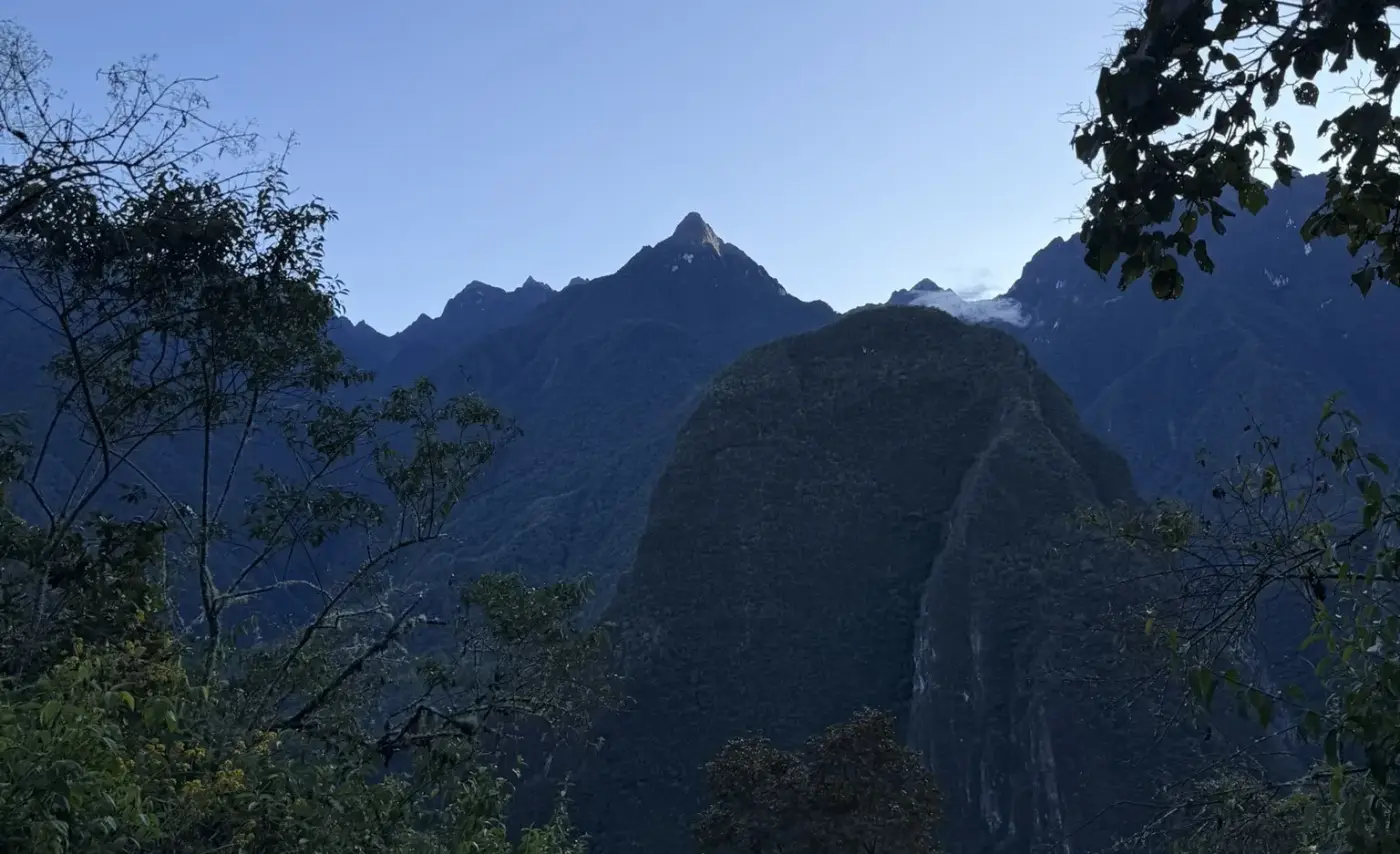

LOST CITADEL TREKChoquequirao Trek
Hike to one of Peru’s most impressive and least crowded Inca archaeological sites.
Keep this in mind:
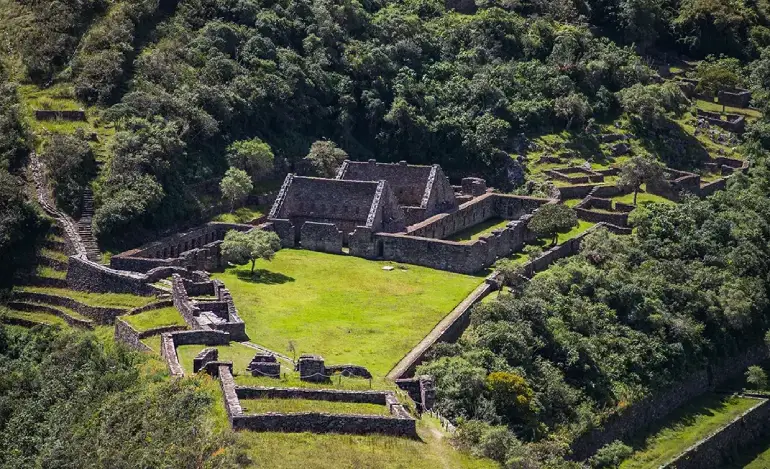
The Choquequirao ruins are the visible remains of a major Inca archaeological complex in the Vilcabamba range, above the Apurímac River. The site includes ceremonial areas, terraces, plazas, water systems, elite spaces, storage sectors and residential zones. Some references group the complex into 9 main zones, while more detailed archaeological summaries describe up to 12 sectors.
The important point is that Choquequirao is not a single plaza or one viewpoint. It is a spread-out archaeological landscape where each sector had a role. A rushed visit usually shows only the central areas; a better-paced visit gives time to understand how the main plaza, ushnu, terraces, water channels and llama sector connect.
What to See at Choquequirao Ruins
The best way to understand Choquequirao is by sectors. Some are central and easier to include in a standard visit; others require more time, energy or guide planning. The table below keeps the focus on traveler value, not academic classification.
| Area or sector | What you see | Why it matters |
| Main Plaza / Sector III | Central open space, kallankas and surrounding structures. | It organizes the visitor’s first understanding of the ruins. |
| Hanan sectors / I-II | Upper buildings, deposits, ceremonial platforms and water-related features. | They show hierarchy, storage and elite or priestly use. |
| Ushnu / Sector V | Raised ceremonial platform with wide views over the canyon and mountains. | One of the strongest places to feel the ritual landscape. |
| Wasi Kancha / Sector VI | Priestly quarters, terraces, channels and zigzag wall designs. | Connects architecture with water, ritual and controlled space. |
| Llamas del Sol / Sector VIII | Terraces with white stone camelid figures set into darker walls. | The most visually unique feature of Choquequirao. |
| Pikiwasi / Sector IX | General dwelling areas with platforms, passages and domestic structures. | Helps show that Choquequirao was lived and managed, not only ceremonial. |
| Paraqtepata, Phaqchayoq and distant terraces | Extensive cultivation platforms, irrigation features and outlying structures. | They reveal the agricultural scale of the complex. |
Choquequirao also reads differently when compared with other long Peru treks. The Inca Trail leads toward a more restored and regulated site, the Salkantay Trek shifts the experience toward higher mountain scenery, and the Lares Trek usually feels more cultural and village-based.
Main Plaza: The Center of the Ruins
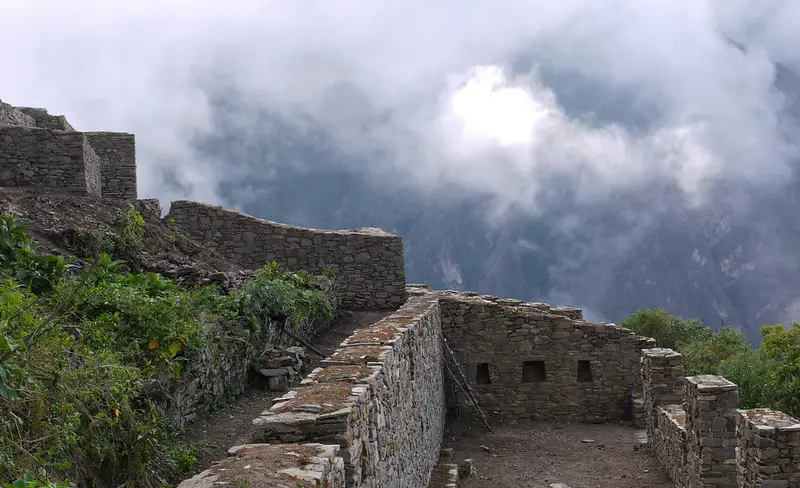
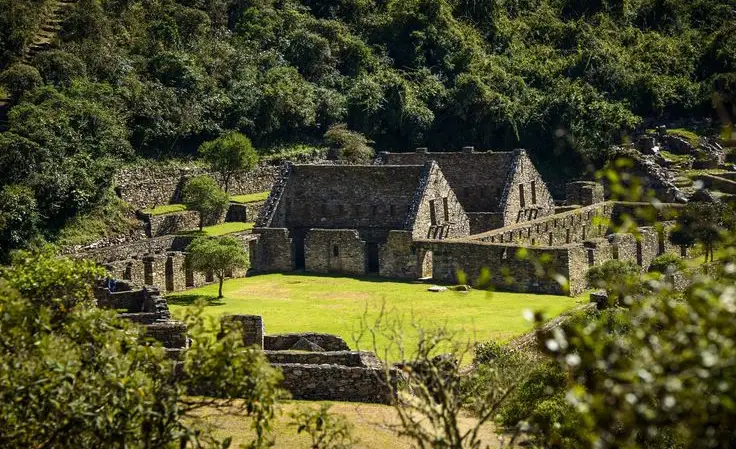
The Main Plaza, often associated with Sector III or Haucaypata, is the best starting point for understanding Choquequirao. Around it, travelers see open ceremonial space, stone buildings, kallankas and structures that suggest administration, gathering and ritual activity.
This area matters because it gives order to the rest of the site. From here, the ruins begin to feel like a planned city rather than isolated walls. A good guide will use the plaza to explain how upper and lower sectors, ceremonial platforms and terrace systems relate to each other.
The Llama Terraces: Choquequirao’s Most Unique Detail
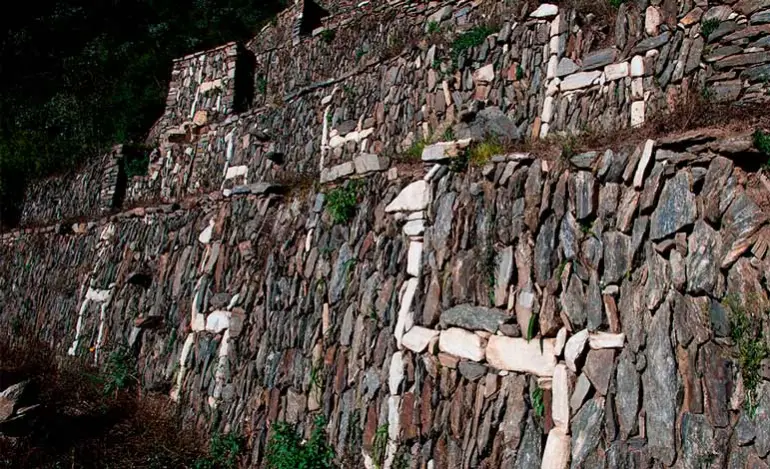
Sector VIII, commonly known as the Llamas del Sol, is one of the strongest reasons Choquequirao deserves its own place among Peru’s Inca sites. The figures are not carved animals placed on a wall. They are camelid motifs formed with light stone set into darker terrace walls.

White stone llama figures built into Choquequirao terraces above the Apurímac Canyon.
Travel content often mentions 24 llamas, while archaeological references commonly document 25 semi-naturalistic figures when related motifs are included. The safest way to explain it is that Sector VIII contains a planned camelid scene, and counts can vary depending on what each source includes.
Did you know?
The llama figures are part of terrace architecture. They connect farming, movement, stonework and Andean symbolism, which is why this sector should not be treated as a quick photo stop.
Go deeper into Choquequirao’s key features
Ushnu, Temples and Water Channels
The Ushnu, associated with Sector V, is a raised ceremonial platform positioned for views across the Apurímac River, snow-capped mountains and the main sectors of the complex. It is one of the best places to understand how Inca ritual space worked with the landscape rather than against it.
Nearby ceremonial and priestly sectors include walls, channels, stairways and water-related features. These details help explain why the ruins should not be read only as defensive architecture. Choquequirao was also a ritual and administrative place where water, sky, mountains and order mattered.
| Feature | Visitor meaning |
| Ushnu | Raised ceremonial platform with strong visual control of the landscape. |
| Water channels | Show hydraulic planning and ritual value of water. |
| Offerings wall | Often interpreted as a threshold or ceremonial structure. |
| Wasi Kancha | Priestly or ceremonial area linked with controlled movement and water features. |
| Pikiwasi | Domestic or general dwelling area that adds everyday life to the site story. |


Agricultural Terraces and Hidden Sectors
Choquequirao’s terraces are not background scenery. They are part of the site’s core meaning. Some terraces supported cultivation and soil control; others had ceremonial or symbolic value. Together, they show how Inca builders transformed difficult slopes into productive, ordered and meaningful space.
The less-visited sectors matter because they show Choquequirao beyond the central plaza. Paraqtepata, Phaqchayoq and distant irrigated platforms reveal scale. Sector VIII reveals iconography. Domestic areas such as Pikiwasi help balance the story, showing that the site was not only for ceremony but also for work, storage, management and daily life.


Choquequirao Ruins vs Machu Picchu
Comparing Choquequirao with Machu Picchu helps travelers choose the right expectation, but this blog should not become a Machu Picchu guide. The key difference is visitor experience. Machu Picchu is easier to access, more restored and more controlled. Choquequirao is harder to reach, less excavated and more spread out across a remote mountain landscape.


| Aspect | Machu Picchu | Choquequirao ruins |
| Access | Train, bus, walking routes or organized treks. | Multi-day trekking route under normal visitor conditions. |
| Visitor flow | Highly regulated and heavily visited. | Quiet, remote and usually much less crowded. |
| Archaeological feeling | More restored and easier to interpret quickly. | Partially excavated, wider and more exploratory. |
| Best for | Travelers who want the most famous Inca site. | Travelers who want ruins, solitude and a demanding approach. |
| Related guide | Machu Picchu Wonder of the World. | Choquequirao Hike. |
Cultural Meaning of the Ruins
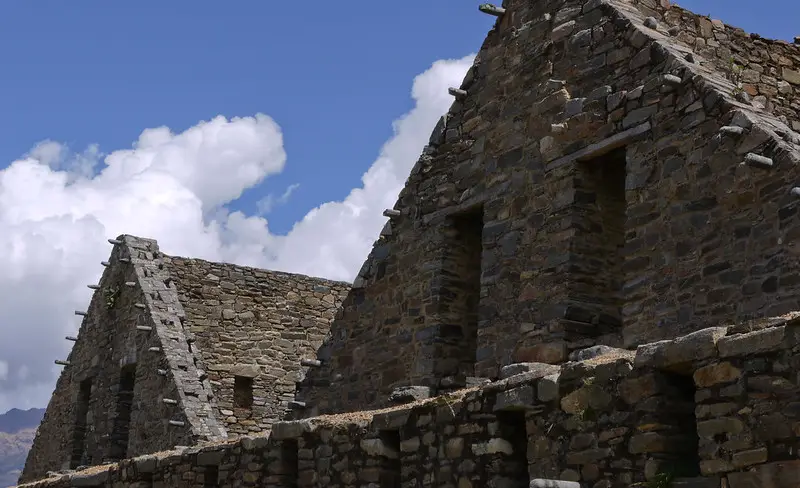
Choquequirao was built in a world where architecture was never just functional. Terraces, water channels, plazas and elevated platforms could serve practical needs while also expressing order, hierarchy and sacred relationships with mountains, rivers and sky.
That does not mean every wall has one fixed symbolic meaning. A better interpretation is more careful: Choquequirao combines administrative planning, agricultural production, ceremonial use and a worldview in which land and power were deeply connected. The ruins matter because they let travelers see those layers together.

| Element | How to read it carefully |
| Water channels | Hydraulic planning with ritual and practical value. |
| Terraces | Agricultural production, slope control and social order. |
| Elevated platforms | Possible ceremonial and political viewpoints. |
| Plazas | Spaces for gathering, organization and ritualized public life. |
| Hidden sectors | Evidence that the site is larger and more complex than a quick visit suggests. |
How to Visit Choquequirao Ruins Without Rushing
Seeing the ruins properly requires planning. The route to Choquequirao already demands several days of hiking, but the visit inside the archaeological site also needs time. If your itinerary is too rushed, you may only see the central sectors and miss what makes the ruins different.
A 5-day itinerary usually gives more room for site exploration, while a 4-day version can work for fit hikers if timing is well managed. The best option depends on your fitness, pace and how much you care about seeing sectors beyond the main plaza.
| Visit priority | Recommendation |
| Main ruins only | A faster itinerary may be enough if the group keeps pace. |
| Main sectors plus Llama Terraces | Ask your guide to include Sector VIII before the site visit starts. |
| More hidden or distant sectors | Choose a slower itinerary with enough time at Choquequirao. |
| Photography and interpretation | Visit with a guide and avoid rushing the archaeological day. |
Warning:
Choquequirao is not a quick-access ruin. Under normal visitor conditions, there is no train, bus road or operating cable car that replaces the multi-day trek to reach the archaeological site.


Choose the right pace for the ruins
Explore the Ruins with Context
Choquequirao ruins are not powerful because they are easy to reach. They are powerful because they ask for time, effort and attention. The main plaza, terraces, Ushnu, water channels, dwellings and Llama Terraces each show a different side of the same Inca landscape.
If you want to understand the ruins rather than simply arrive, travel with a guide who can connect the sectors, explain what is known, and separate careful interpretation from legend. Inkayni Peru Tours can organize the trek with transport, camps, meals, mule support and local guiding, so your energy stays focused on walking, exploring and reading the site well.
Frequently Asked Questions About Choquequirao Ruins
What are the Choquequirao ruins?
How many sectors does Choquequirao have?
What are the main ruins to see in Choquequirao?
Where are the Llama Terraces in Choquequirao?
Are the Choquequirao ruins fully excavated?
How much time do you need inside Choquequirao ruins?
Are Choquequirao ruins bigger than Machu Picchu?
Can you visit Choquequirao ruins without a guide?
Is there a road to Choquequirao ruins?
What is the best itinerary for seeing the ruins well?
Why are Choquequirao ruins less crowded than Machu Picchu?
What makes Choquequirao ruins worth visiting?
Autor

Shared:



If you liked this article and the information you found, give us 5 stars!
 (Ninguna valoración todavía)
 Loading...