


Table of Contents
Quick Answer
The Nazca Lines are pre Columbian geoglyphs drawn across the desert plains of Nazca and Palpa (Ica). They are best seen from the air or from nearby viewpoints, and include animals, plants, and geometric shapes. UNESCO recognized them as a World Heritage Site in 1994.
One of the most fascinating pre Inca cultures in Peru is the Nazca. They thrived in the harsh deserts of Peru’s southern coast and became known for remarkable water engineering, vivid multicolor ceramics, and a strong ritual tradition tied to the landscape.
In that same setting, the mystery of the Nazca Lines comes to life. These are giant geoglyphs stretching for miles across a fragile cultural landscape, and they still raise big questions about how they were built, what they symbolized, and what purpose they served. In this blog, we will explore it clearly, step by step.

What are the Nazca Lines
The Nazca Lines are geoglyphs, meaning large designs created on the desert surface. They include zoomorphic figures (animals), phytomorphic figures (plants), and geometric forms. Many are best appreciated from the air, although some can also be viewed from nearby lookout points and hills.
The main geoglyph zone spreads across about 174 sq mi (around 450 km²), which helps explain why the site is both massive and extremely delicate.

Who studied and shared the Nazca Lines with the world
A key figure was Maria Reiche, a mathematician and researcher who dedicated decades to studying, protecting, and promoting the Nazca Lines, building on earlier work such as that of American researcher Paul Kosok. Her work helped the world understand the site’s importance and strengthened efforts to preserve it.

Location and how to get to the Nazca Lines
The geoglyphs are in the Ica region, mainly between the valleys of Nazca and Palpa. The area sits around 1,930 ft (about 588 m) above sea level, deep in the desert.
Most travelers arrive by road from cities like Lima or Arequipa using tourist buses or private transport. In general, Ica and Nazca do not typically have regular commercial flights, so the most common option is traveling overland and organizing the visit once you are in Nazca.
How to see the Nazca Lines
The best option depends on your budget, your comfort with flying, and your available time. Here is a clear comparison:
Practical tip
If you are prone to motion sickness, avoid heavy meals before the flight, stay hydrated, and consider a motion sickness option if your doctor approves.
Famous figures you might see
Beyond long straight lines and trapezoids, there are iconic shapes that have become symbols of the site. Flight routes can vary by operator, but these are some of the most well known:
Hummingbird
One of the most recognizable figures thanks to its clean lines and proportions.

Monkey
A famous figure known for its spiral tail and distinctive style, often easy to identify from the air.

Giant bird
Impressive for its scale and long design, best appreciated on a flight over the pampa.
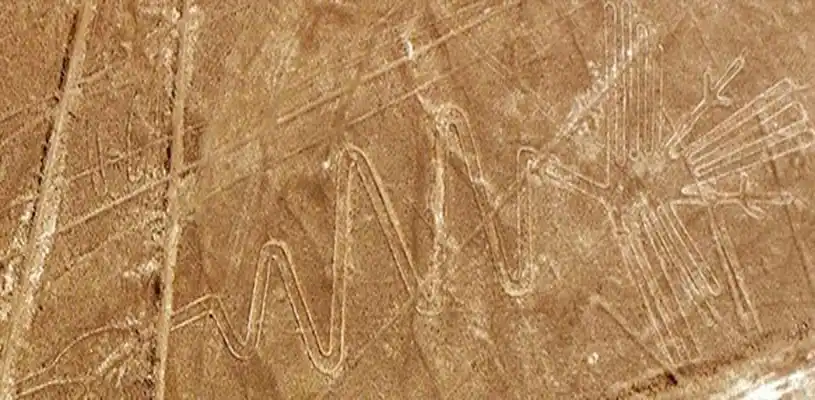
Spider
Valued for the precision of its lines. It is a great example of complex design on a massive desert canvas.

Dog
Another iconic geoglyph, known for its simple silhouette and frequent presence on flight routes.

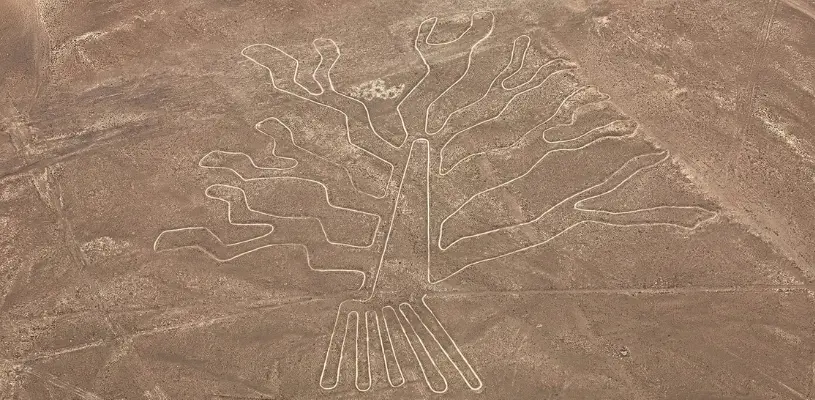
Tree
Often seen near other figures and commonly mentioned for how clearly it reads from above.
Recommendations for visiting the Nazca Lines
- Bring your original ID document (passport or national ID). Some services may request verification.
- If you plan a flight, book ahead in peak season and arrive with extra time.
- Avoid heavy meals before flying and carry water. The desert heat can feel intense.
- Basic protection: sunscreen, hat, and sunglasses. Even on cooler days, the sun can be strong.
- Respect signage and access rules. Do not leave established routes, the terrain is fragile and footprints can cause damage.
Ready to experience it
Cusco and the Nazca desert remind us that Peru is not only a place you visit, it is a place you live. Every landscape carries a story, and some questions only make sense when you are standing there, facing the desert silence and the vastness of its lines.
Experience some of the largest geoglyphs in the Americas and plan your trip with a trusted local agency. At Inkayni Peru Tours we create well planned, safe experiences with real local support and personal attention.
“In the end, you will not remember the time you spent in the office or fixing your house. Go take the trip you have been dreaming about.”
Written by: Luz Incappuino
Frequently asked questions about the Nazca Lines
What is the best way to see the Nazca Lines
The flight is the most complete option because it shows multiple figures clearly. If you prefer not to fly, the viewpoint is a more affordable alternative, though you will see fewer geoglyphs.
How long is the flight over the Nazca Lines
In most cases it lasts about 30 to 35 minutes, depending on the operator and conditions that day.
Is the flight scary or dangerous
Flights follow established routes and safety protocols. The most common issue is not fear, but motion sickness due to the turns used to show the figures on both sides. If you are sensitive, eat light and stay hydrated.
Can you see the Nazca Lines without flying
Yes. There are viewpoints where you can see some figures. It is not the same perspective as from the air, but it helps you understand the scale and desert context.
What should I bring for a Nazca desert visit
Your ID, water, sunscreen, hat, sunglasses, and comfortable clothing. If you fly, avoid heavy meals beforehand and consider motion sickness support if needed.
How can I visit the Nazca Lines responsibly
Choose formal operators, respect routes and signage, and avoid stepping off established paths. The site is fragile and even footprints can cause damage. Visiting with care is the best way to contribute.
Autor

Shared:


If you liked this article and the information you found, give us 5 stars!

 (2 votos, promedio: 4.00 de 5)
 Loading...