


Is There a Choquequirao Cable Car?
No, there is no operating Choquequirao cable car right now. The Choquequirao cable car project is real and has been promoted officially as a major public-private tourism project, but travelers should not treat any completion date as final until construction is underway and authorities publish a confirmed operating timeline. For now, Choquequirao is still reached mainly by trekking routes.
Table of Contents
Choquequirao is one of the few great archaeological landscapes in Peru where the journey still shapes the meaning of the place. Today, reaching it means walking through heat, altitude, canyon slopes, campsites and long silences before the terraces appear. That is why the future of Choquequirao deserves a careful discussion. The proposed cable car could open the site to travelers who cannot complete a demanding trek. It could also change the character of a place that has survived partly because it has been difficult to reach.
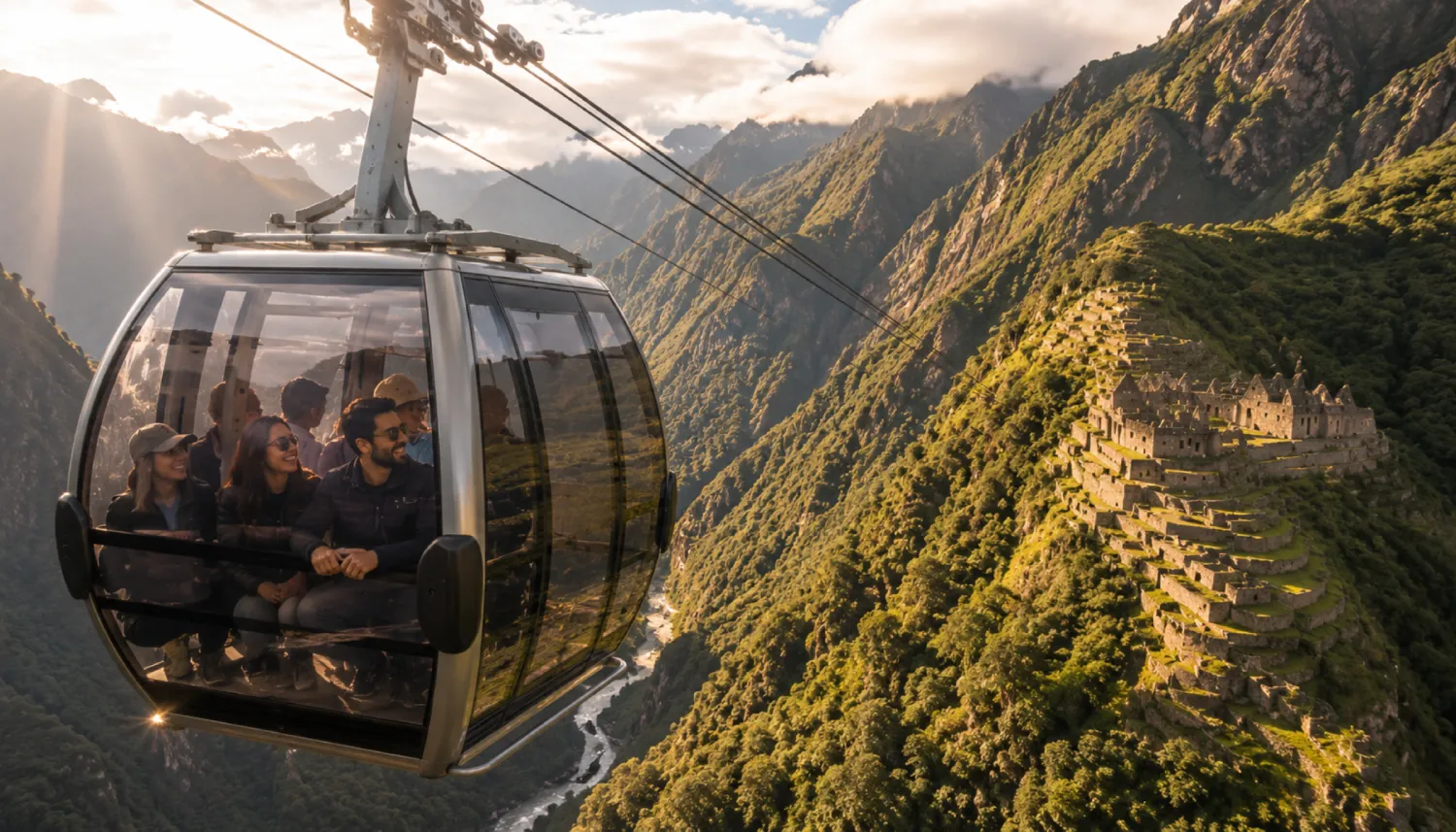
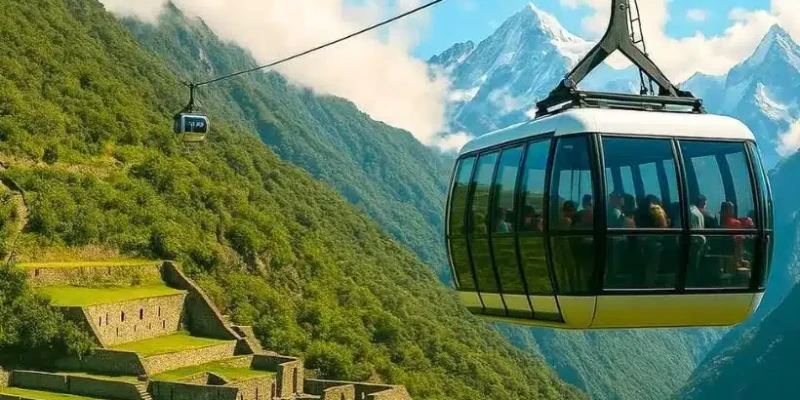
Concept illustration of a possible Choquequirao cable car crossing the Apurimac Valley.
| Project point | Current reading for travelers |
| Current access | Choquequirao is still reached mainly by trekking routes; there is no operating cable car for visitors. |
| Project status | The Choquequirao cable car has been promoted as a public-private tourism project, but travelers should not treat it as an available service yet. |
| Opening date | No final completion date should be used for trip planning until the project is awarded, construction begins and authorities publish an updated schedule. |
2026 project status:
In 2026, the project is still in the concession and planning stage, so travelers should not use it as a confirmed access option. Public reports indicate that the concession award is projected between October and November 2026, with an estimated investment of US$261 million and civil works planned for 2027, but there is still no traveler-safe opening date.
WORLD WONDER IN THE ANDESMachu Picchu
Discover the history, landscapes, and essential tips for visiting this world wonder.
Is the Future of Choquequirao at a Crossroads?
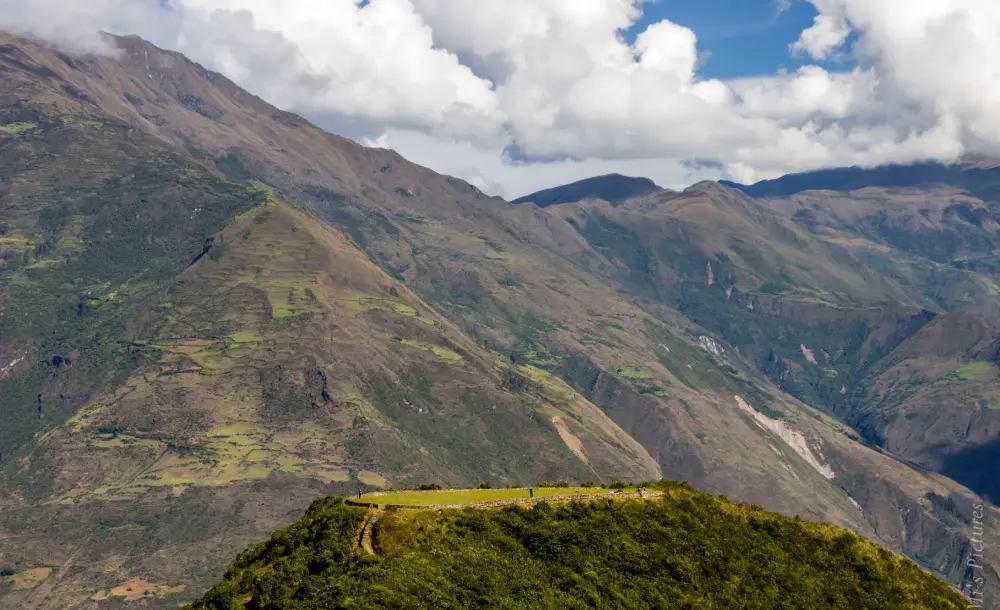
Choquequirao has been protected by distance as much as by law. Unlike Machu Picchu, it does not have a train station below it, a bus road to the gate or a town receiving thousands of visitors every morning. The usual experience is still built around a multi-day trek.
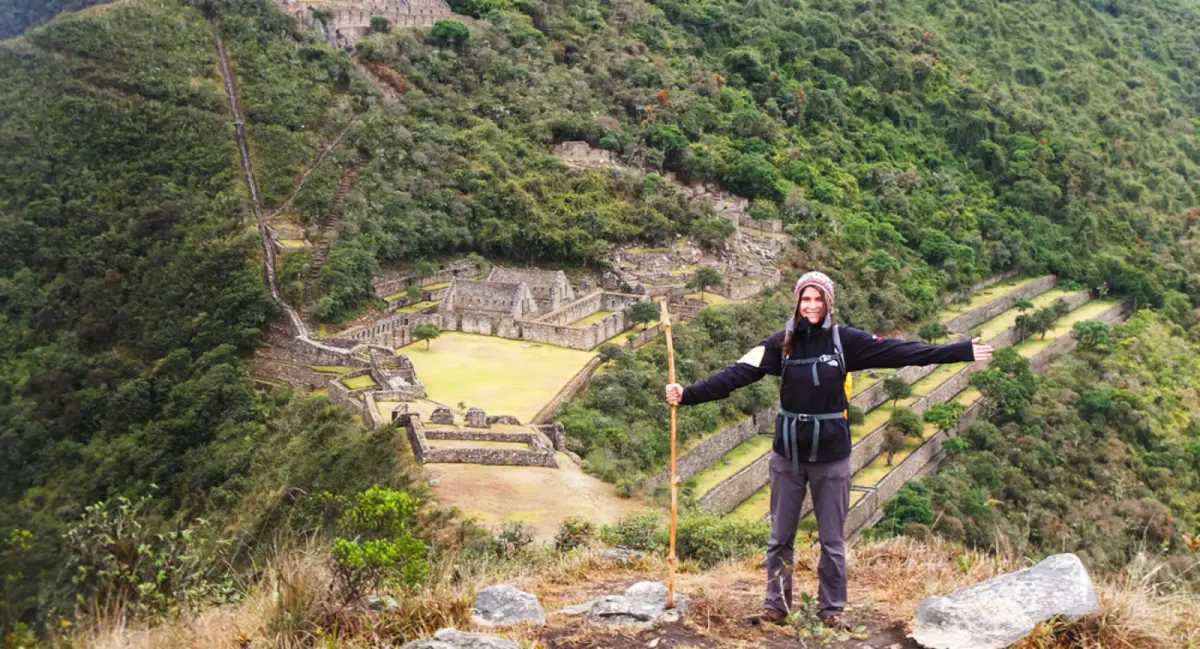
Choquequirao remains one of Peru’s most remote major Inca archaeological landscapes.
That remoteness has two sides. It keeps visitor numbers low and gives the site an unusual sense of space. It also makes Choquequirao difficult for older travelers, families with limited time and visitors who cannot handle steep trails.
Keep this in mind:
The Choquequirao cable car debate should not be reduced to “progress versus conservation.” The real issue is timing, limits and management. Easier access could help the region, but only if the archaeological site, local communities and surrounding ecosystems are prepared before visitor numbers rise.
Choquequirao planning context
The Choquequirao Cable Car Project
The Choquequirao cable car is a proposed aerial transport project designed to make access to the archaeological complex much faster. Public reports describe a project connecting the Apurímac and Cusco sides of the destination, with stations associated with Kiuñalla in Apurímac and Yanama in Cusco. The idea is to turn Choquequirao into a stronger tourism pole and connect it more visibly with the southern Peru circuit.
The project has been discussed for years. What changed recently is that it has been presented again as a large public-private tourism investment. However, travelers should be careful with headlines. A project can be promoted, structured or scheduled without being open to the public. As of this update, Choquequirao remains a trekking destination.
Choquequirao Cable Car at a Glance
Important note:
Do not confuse the Choquequirao cable car with a Machu Picchu cable car. Machu Picchu access still works through tickets, official routes, train or trekking logistics and the bus or walk from Aguas Calientes. The cable car discussion is about Choquequirao.
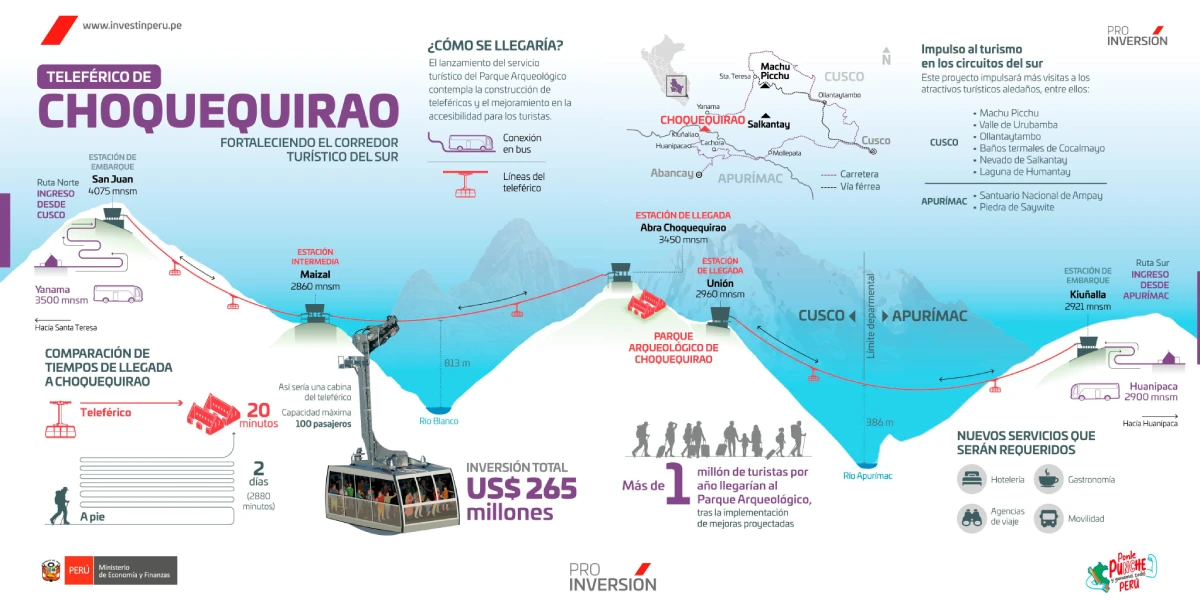
Do not mix these destinations
Choquequirao Cable Car Status in 2026
The Choquequirao cable car is one of the most searched access questions for travelers planning future visits to the site. The project exists, but it is not an operating visitor service. Choquequirao is still reached mainly by trekking routes, and any trip should be planned around the current trail access, not around a cable car opening date.
This matters because old headlines, projected dates and repeated announcements can confuse travelers. Until the concession, construction timeline and official opening are confirmed, the safest planning advice is to treat the cable car as a future project and the trek as the real access option.
Why the Cable Car Could Help
The cable car is not a meaningless idea. It responds to real problems: difficult access, low visibility, limited regional tourism development and the fact that many people cannot complete the current trek.
Possible Benefits
- More inclusive access: older travelers, families and people without trekking experience could see Choquequirao.
- Regional development: Apurímac and Cusco could receive more tourism income if services are well organized.
- New jobs: transport, guiding, interpretation, lodging, restaurants, handicrafts and local services could grow.
- More visibility: Choquequirao could become a better-known heritage destination instead of remaining a niche trek.
- More conservation funding: higher visitation can help finance research, maintenance and control if revenue is managed well.
Pro tip:
If you are searching for a future Choquequirao trip, separate two questions: “Can I visit today?” and “Will the cable car exist later?” Today, the reliable way to experience Choquequirao is still the trek.

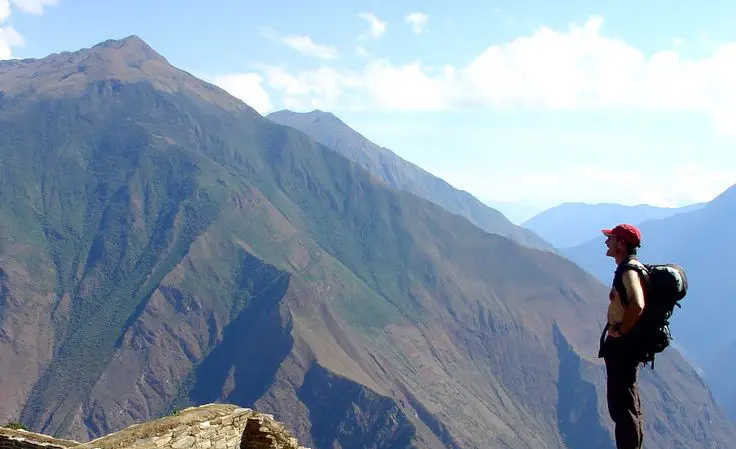
What Is at Risk if Access Changes Too Fast?
The risk is not only that more people arrive. The risk is that more people arrive before the place is ready. Choquequirao is still very different from Machu Picchu. It does not yet have the same visitor management system, transport chain, interpretation infrastructure or international tourism services around it.
If access changes quickly, the pressure could move faster than planning. Roads, water, waste, bathrooms, emergency response, signage, local training and conservation control would need to grow before mass visitation begins, not after.
| Risk | Why it matters | What should happen first |
| Archaeological wear | Uncontrolled movement can damage terraces, paths and sectors still under conservation work. | Visitor limits, marked routes, trained guides and permanent monitoring. |
| Weak local infrastructure | More tourists need roads, water, sanitation, waste systems and safe access. | Public investment before opening high-volume access. |
| Community displacement | Muleteers, cooks, local guides and families could lose income if the model excludes them. | Local hiring rules, training and benefit-sharing mechanisms. |
| Ecological pressure | Noise, construction, waste and traffic can affect habitats in a fragile landscape. | Environmental controls, zoning and strict operation standards. |
| Loss of experience | Choquequirao’s value is partly linked to silence, distance and effort. | Protect the trek as a premium low-density experience. |
PERU’S LEGENDARY HIKEInca Trail to Machu Picchu
Follow the historic trail through mountain passes, Inca sites, and cloud forest paths to Machu Picchu.
Infrastructure Is the Real Test
The cable car itself is only one part of the future of Choquequirao. A successful project would also need reliable roads, safe arrival zones, sanitation, medical response, communications, visitor centers, trained staff and a clear system for managing daily capacity.
This is where the debate becomes more practical. If the project brings more than a million annual visitors but the surrounding towns do not have enough water, sewage, roads, accommodation, waste management or public services, the cable car could create frustration instead of a better destination.
Warning:
A cable car can shorten the journey, but it cannot solve every problem by itself. Without public infrastructure and local planning, faster access could simply move pressure from the trail to the archaeological site and nearby communities.

Could the Trek Survive the Cable Car?
Yes, the trek can survive, but only if it is protected as a different experience. The Choquequirao trek is not just a way to get from point A to point B. It is the experience: the canyon, the camps, the descent, the climb, the tired legs and the slow arrival.
If the cable car is built, the trek should not be treated as an obsolete route. It should be positioned as a low-density, high-value journey for travelers who want landscape, effort and cultural interpretation.
Plan the trek before access changes
Important note:
The cable car may make Choquequirao easier one day, but it will not recreate the feeling of arriving after the canyon, campsites and slow mountain approach. If that version of Choquequirao matters to you, plan the trek with time, a local guide and realistic physical preparation.
For travelers visiting now, the practical route still begins with overland transport toward Cachora, Capuliyoc or nearby access points, followed by a multi-day hike through the Apurimac canyon. The cable car project may change access in the future, but it has not replaced the classic Choquequirao trek.
Will the Choquequirao Cable Car Replace the Trek?
Not immediately. The Choquequirao trek remains the real way to visit the site today. Even if the cable car opens in the future, the trek should survive as a different experience: slower, more physical, less crowded and more connected to the Apurimac canyon landscape.
If your goal is to experience Choquequirao as a remote Inca site, the trek still makes sense. If your main barrier is time, mobility or physical condition, the cable car may become relevant later, but it should not be used for current trip planning until authorities confirm its opening.
| Aspect | Today | If the cable car opens without enough planning |
| Access | Multi-day trek, physically demanding. | Short aerial access with much higher visitor potential. |
| Visitor profile | Trekkers, hikers and travelers seeking remoteness. | More day visitors, families, groups and short-stay travelers. |
| Local economy | Guides, cooks, muleteers and camp support are central. | Benefits could expand or concentrate, depending on the model. |
| Site management | Low density, fewer visitors, basic services. | Need for strict routes, carrying capacity and visitor control. |
| Experience | Slow, physical, quiet and landscape-based. | Faster and more accessible, but potentially less intimate. |
Did you know?
Choquequirao is often compared with Machu Picchu, but the future cable car would not automatically make the two experiences equal. Machu Picchu already has a mature ticket and circuit system; Choquequirao would need its own visitor management model before receiving large numbers of people.

Should You Visit Choquequirao Now or Wait?
If you want the remote version of Choquequirao, visit while the trek remains the main way in. It is demanding, but that effort is part of the experience. You arrive differently when the landscape has slowed you down.
If you cannot trek, waiting for future access may make sense. But the future version of Choquequirao will probably feel different. It may be more comfortable, more organized and more accessible, but also less silent.
| Traveler type | Best choice |
| Experienced hiker | Visit now by trek. |
| Traveler seeking solitude | Visit before large-scale access changes. |
| Limited mobility or no trekking condition | Monitor future access updates, but do not assume an opening date yet. |
| History and archaeology lover | Visit with a guide who can explain the site and current conservation concerns. |
| Traveler comparing Peru treks | Compare Choquequirao with Salkantay, Lares and the Inca Trail before deciding. |

Compare Choquequirao with other iconic Peru treks
Our Stance as a Local Travel Agency
At Inkayni Peru Tours, we are not against access. We are against careless access. Choquequirao can have a future with better infrastructure, more opportunities and wider access. But that future should not be built by treating the territory as empty space. The trek communities, guides, muleteers, cooks and families who already form part of the route should not disappear from the story.
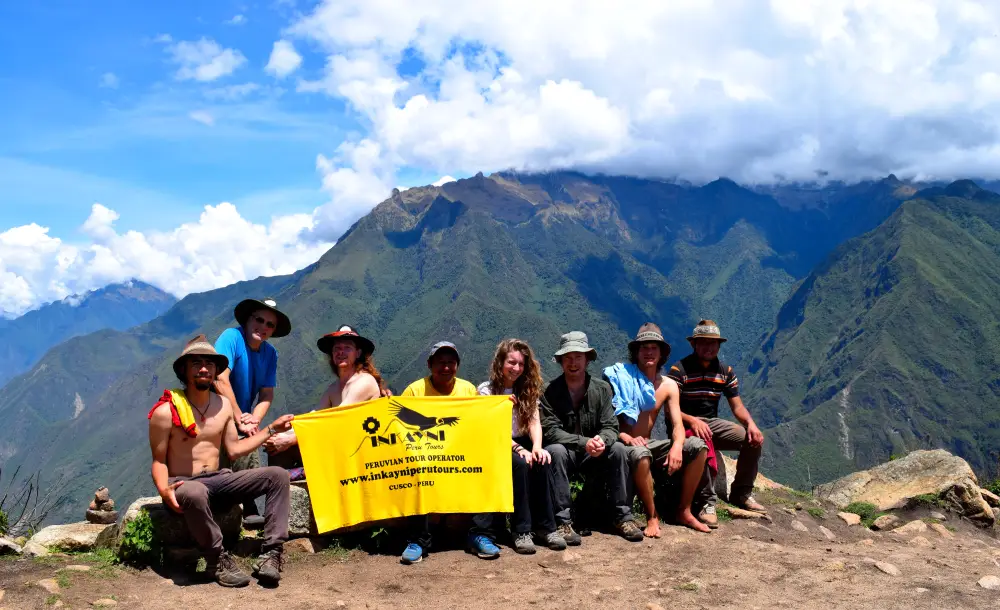
Our approach is simple: small groups, local guides, responsible camping, respect for the trail and clear information for travelers. If the cable car is built one day, we believe the traditional trek should remain protected as a meaningful way to reach Choquequirao.


Frequently Asked Questions About the Choquequirao Cable Car
Is there a cable car to Choquequirao now?
What is the current status of the Choquequirao cable car project?
When will the Choquequirao cable car be completed?
What does “Choquequirao cable car completion date” mean for travelers?
Where would the Choquequirao cable car be located?
Can I plan a Choquequirao trip in 2026 or 2027 using the cable car?
Is Choquequirao teleferico the same as Choquequirao tram?
Is Choquequirao seilbahn the same as the Choquequirao cable car?
Is the Choquequirao cable car the same as a Machu Picchu cable car?
What do Peru cable car or Inca cable car searches usually mean?
Will the Choquequirao cable car replace the trek?
Is it better to visit Choquequirao before the cable car opens?
How many visitors could Choquequirao receive with the cable car?
What must happen before the Choquequirao cable car can work safely for tourism?
Escrito por


Shared:



If you liked this article and the information you found, give us 5 stars!
 (1 votos, promedio: 5.00 de 5)
 Loading...