


Choquequirao Archaeological Park in Peru
Choquequirao is a major Inca archaeological site in southern Peru, high above the Apurímac Canyon in the Vilcabamba range, and is often described as Machu Picchu’s more remote sister site. What makes the Choquequirao Archaeological Park different is not only the scale of its terraces, plazas, ceremonial sectors and llama terraces, but the way it is reached: it is still quieter, less excavated and accessed mainly by multi-day trek.
Table of Contents
Most travelers hear about Choquequirao because it is often compared with Machu Picchu. That comparison is useful, but only up to a point. Choquequirao is not just “another Machu Picchu.” It is a larger, less excavated, harder-to-reach archaeological landscape where the ruins, the canyon, the terraces and the silence still shape the visit.
| 10,007 ftsite altitude (3,050 m) | ~1,800 haarchaeological area | ~30%commonly described as excavated | Hike onlycurrent access |
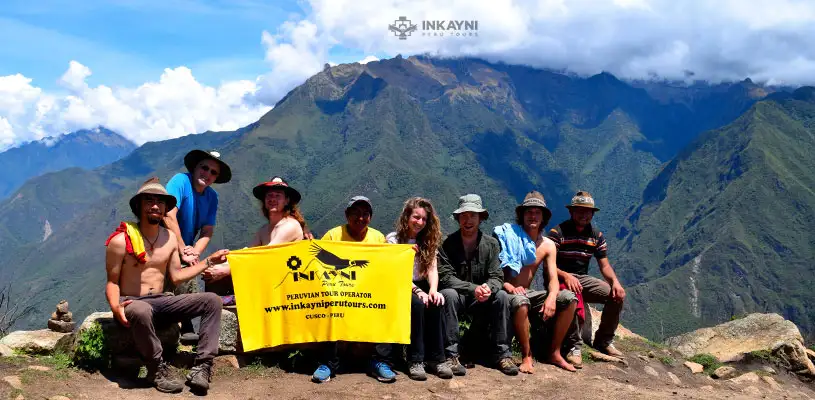
LOST CITADEL TREKChoquequirao Trek
Hike to one of Peru’s most impressive and least crowded Inca archaeological sites.
What Is the Choquequirao Archaeological Park?
The Choquequirao Archaeological Park, also searched as Choquequirao Peru, Choquequirao ruins or Parque Arqueológico de Choquequirao, is a large Inca complex in the Vilcabamba range above the Apurímac River. The visible site includes plazas, terraces, ceremonial platforms, water channels, residential areas and the famous llama terraces.
This blog should not replace the trek guide. The Choquequirao hike page should answer how to get there, how hard it is and what to pack. This page explains what Choquequirao is and why the archaeological park matters.
Important note:
If you are choosing between pages, use this guide for the site, sectors, history and meaning. Use the hike guide for trail distance, camps, route difficulty, logistics and preparation.
Choquequirao, Choquequirau or Choqequiraw: What Does the Name Mean?
The most common spelling in English and tourism content is Choquequirao. You may also see alternate spellings such as Choquequirau, Choqequiraw, Choqek’iraw or Chokekirao. These variations come from attempts to write Quechua and Andean sounds in Spanish or English spelling.
The name is usually translated as “Cradle of Gold.” It is commonly explained from chuqi or choque, associated with gold or precious metal, and k’iraw, often translated as cradle. In travel writing, the phrase sounds poetic, but it also points to status: Choquequirao was not a minor ruin. It was a high-value Inca center placed in a strategic and symbolic landscape.

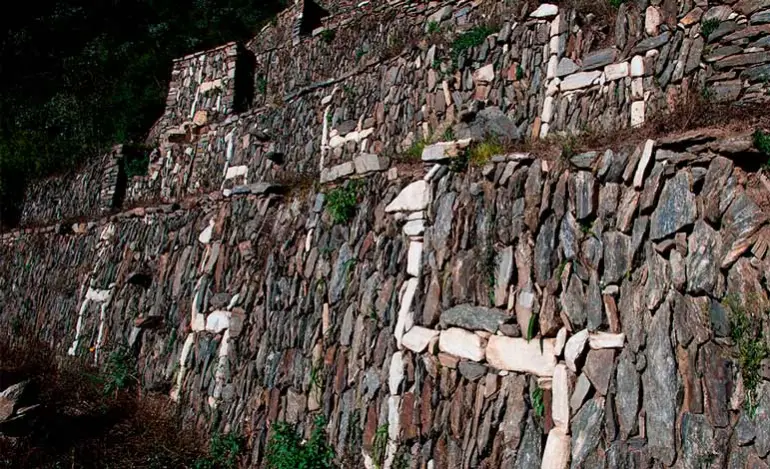
Why Choquequirao Does Not Need to Compete with Machu Picchu
Choquequirao is often called the sister site of Machu Picchu because both are major Inca complexes built in dramatic mountain landscapes. But the visitor experience is not the same. Machu Picchu is easier to reach, more regulated and more completely integrated into Peru’s tourism system. Choquequirao is quieter, less excavated and reached only after a demanding approach on foot.
That difference is the reason this article should stay focused on the archaeological park. It is not a general Machu Picchu comparison and not a step-by-step trekking manual. It helps travelers understand why the ruins are important before deciding whether the trek is worth the effort.
| Topic | This Choquequirao Archaeological Park guide | Choquequirao Hike guide |
| Main intent | Understand the ruins, history, sectors and archaeological value. | Plan the trek, difficulty, camps, route and logistics. |
| Best reader | Traveler researching what Choquequirao is and what they will see. | Traveler already considering the hike or comparing trek options. |
| Commercial bridge | Explains why the destination is worth adding to a Peru itinerary. | Helps convert readers who need the actual trekking service. |
Choquequirao planning context
The History Behind Choquequirao
- Choquequirao was developed during the Inca period and is usually associated with the 15th and 16th centuries. Its location was not accidental. From the ridge above the Apurímac Canyon, the site helped connect the high Andes with routes toward Vilcabamba and the forested valleys west of Cusco.
- Different sectors suggest administrative, ceremonial, agricultural and residential functions. In that sense, Choquequirao was not only a defensive refuge. It was a planned Inca center with terraces, plazas, storage areas, elite spaces, ritual platforms and water-related structures.
- After the Spanish invasion, the region became linked with the final years of Inca resistance. That is why Choquequirao is sometimes described as one of the last Inca refuges. The idea is powerful, but it should be handled carefully: the site’s value is not only in being “lost,” but in showing how the Incas occupied, organized and transformed a difficult mountain landscape.
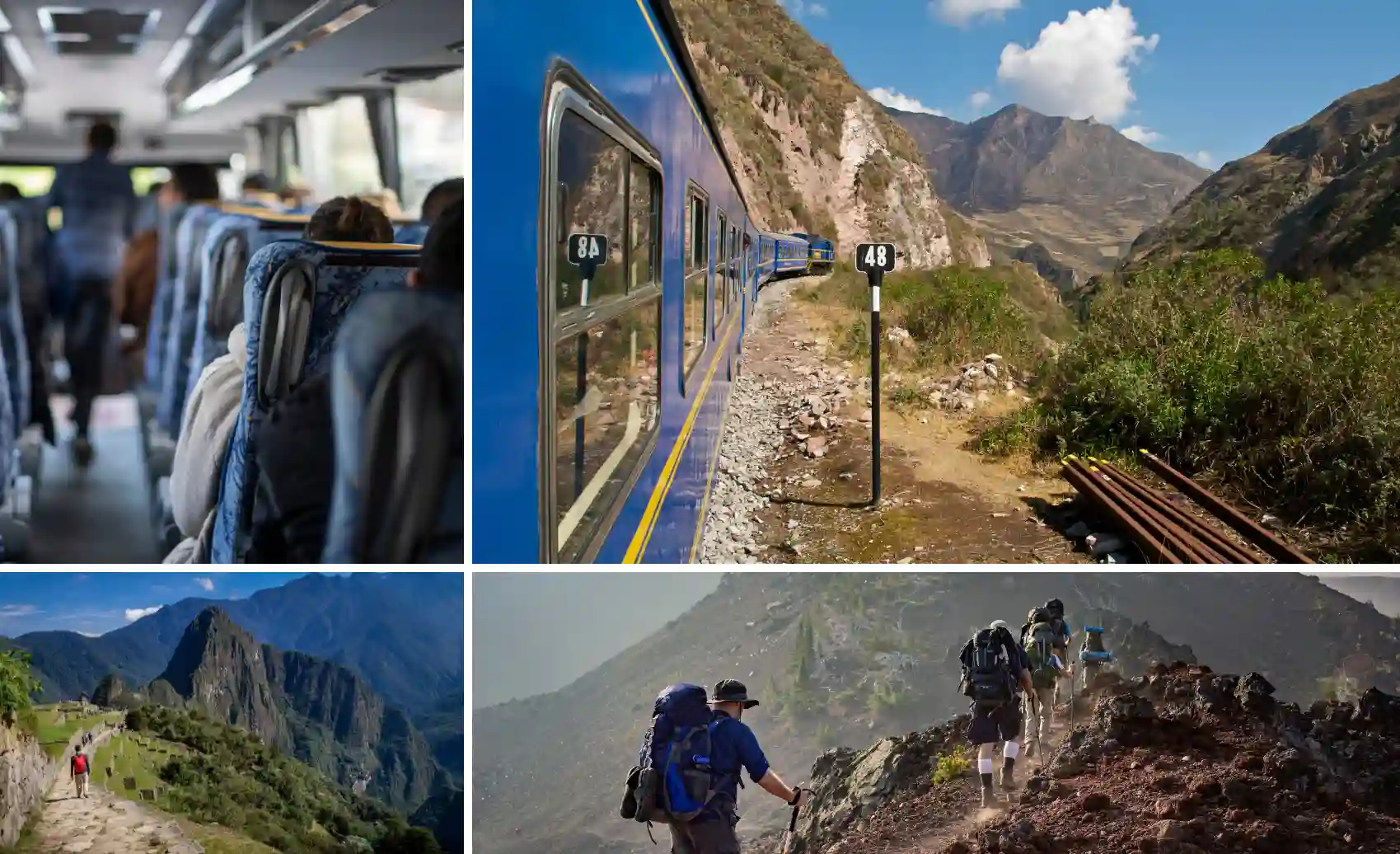
Choquequirao preserves terraces, stone buildings and ceremonial spaces still surrounded by mountain vegetation.
What Will You See at the Choquequirao Archaeological Park?
Visiting the Choquequirao Archaeological Park is a full-day experience inside the ruins, not a quick photo stop. Most organized treks allow several hours at the site, because the sectors are spread across terraces, plazas, ceremonial areas and side paths. A guide matters here: the stonework is impressive by itself, but the site makes more sense when each sector is read as part of a larger Inca landscape.
Main Zone
Plaza Principal and Central Sector
The heart of the city. A large open ceremonial plaza surrounded by Inca masonry structures, temples, storage halls and residential quarters. This is where many travelers first understand Choquequirao as a planned Inca center, not just a scattered group of ruins.
Unique Feature
The Llama Terraces
The most distinctive visual feature of the park. These agricultural terraces include white stone camelid figures built into the retaining walls, facing the Apurímac Canyon. They are one of the strongest reasons Choquequirao deserves its own archaeological guide.
Ceremonial
The Ushnu and Inca Cemetery
The Ushnu is a raised ceremonial platform linked with ritual and authority. Nearby funerary and ceremonial spaces help show that Choquequirao was not only administrative or defensive; it also carried strong religious and political meaning.
Engineering
Terraces, Water Channels and Storage Areas
Choquequirao’s terraces, channels and storage areas show how the Incas adapted a steep mountain ridge for agriculture, movement, water control and administration. These sectors are less famous than the plaza, but they explain how the site worked.
Landscape
Paqchayoq, Canyon Views and Wildlife
The surrounding landscape is part of the site experience. From several sectors, travelers see the Apurímac Canyon, cloud forest, waterfalls and birdlife. Choquequirao is archaeology, but it is also a mountain ecosystem.
| Sector or feature | What travelers see |
| Main Plaza | Open ceremonial space surrounded by stone structures. |
| Llama Terraces | Terraces with white stone camelid figures built into the walls. |
| Ushnu | Raised ceremonial platform with wide views of the landscape. |
| Kallankas and storage areas | Long structures and spaces linked with administration and storage. |
| Water and terrace systems | Channels, agricultural platforms and slopes transformed by Inca engineering. |


Did you know?
The llama figures at Choquequirao are one of the strongest reasons the site deserves its own guide. They are not simply “ruins like Machu Picchu”; they show a local expression of Inca architecture, landscape and symbolism.
Choquequirao vs Machu Picchu: How Do They Compare?
The comparison between these two sites comes up constantly, and for good reason. Both were built by the same civilization, in dramatic mountain landscapes, and both are tied to the wider Inca world. But the visitor experience is completely different. Machu Picchu is the easier-to-reach global icon; Choquequirao is the remote archaeological landscape that still demands time, effort and a longer approach.
| Feature | Choquequirao | Machu Picchu |
| Visitor experience | Remote, quiet and physically demanding. | Structured, regulated and much more visited. |
| Access | Currently reached only by multi-day trekking routes. | Train, bus, walking routes or trekking routes. |
| Visible restoration | Partially excavated and still surrounded by vegetation. | More restored and easier to interpret visually. |
| Archaeological scale | Often described as larger in total archaeological area, with much still under vegetation. | Smaller visible area, but more restored and globally recognized. |
| Unique feature | Llama terraces and a remote canyon setting. | Classic postcard view, circuits and global icon status. |
| Best for | Travelers who want archaeology, solitude and a demanding approach. | Travelers who want the most famous Inca site with more accessible logistics. |
Did you know?
You do not have to treat the comparison as a competition. Machu Picchu and Choquequirao answer different travel desires. If Machu Picchu gives the most iconic Inca image, Choquequirao gives a slower and more solitary sense of discovery.
Where Is the Choquequirao Archaeological Park Located?
The Choquequirao Archaeological Park is in the Cusco region of southern Peru, above the Apurímac Canyon and within the Vilcabamba mountain landscape. Travel articles often mention the border area between Cusco and Apurímac because the canyon and access routes connect both regions in practice.
For travelers, the useful detail is simpler: the route usually begins with a road transfer from Cusco toward Cachora or Capuliyoc, then continues on foot toward the canyon and the archaeological park. There is no direct road to the ruins.
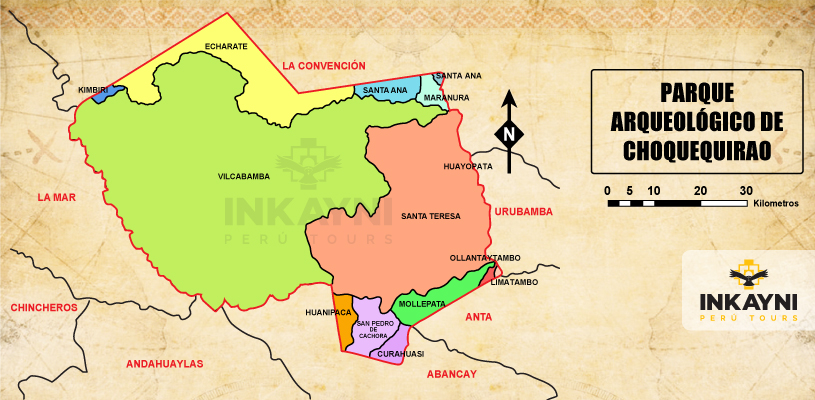
| Detail | Practical reference |
| Region | Cusco region, southern Peru. |
| Landscape | Vilcabamba mountain range and Apurímac Canyon area. |
| Altitude | About 10,007 ft (3,050 m) at the archaeological sector. |
| Current access | On foot, through multi-day trekking routes. |
| Common starting area | Cusco to Cachora or Capuliyoc, then trekking route. |
How to Get to Choquequirao Archaeological Park
To reach Choquequirao, travelers usually drive from Cusco toward Cachora or Capuliyoc and then begin the trek on foot. The route descends into the Apurímac Canyon, crosses the river and climbs toward Marampata before reaching the ruins. This is why Choquequirao belongs in a different category from day trips and easy archaeological visits.
For the complete route breakdown, use the Choquequirao hike guide. Here, the key point is that the archaeological park is still difficult to access, and that difficulty is part of why the site remains quiet.
| Access option | What it means | Best for |
| Guided trek | Transport, meals, camping, guide and mule support are organized. | Most travelers who want safety, context and smoother logistics. |
| Independent hike | You manage transport, food, water, camping gear and pacing. | Experienced trekkers comfortable with remote routes. |
| Extended trek to Machu Picchu | Long expedition that links Choquequirao with the Machu Picchu area. | Strong hikers with more time and prior trekking experience. |
| Future cable car | Discussed as a project, but not an operating visitor service today. | Travelers waiting for easier access should follow official updates. |
Keep this in mind:
The archaeological park and the trek are connected, but they are not the same search intent. This page explains the park; the trek page should carry the detailed itinerary, difficulty and packing advice.
Best Time to Visit Choquequirao Archaeological Park
The best time to visit Choquequirao is during the dry season, especially from May to September. The archaeological park can be visited in other months, but rain makes the approach more difficult, and the canyon route can become slippery and less predictable.
| Season | Months | What to expect |
| Dry season | April to October | Clearer skies, drier trail, better visibility and safer walking conditions. |
| Best window | May to September | Most reliable months for a trek-focused visit. |
| Wet season | November to March | More rain, muddier trail and higher risk of difficult trail conditions. |
| Shoulder months | April and October | Can be good, but conditions vary more from year to year. |
Wildlife and Landscape Around Choquequirao
Choquequirao is not only a stone site. The surrounding landscape includes canyon slopes, cloud forest, dry forest, high Andean vegetation and wildlife corridors. This is why the broader Choquequirao experience includes both archaeology and nature.
Travelers may see condors, hummingbirds, butterflies and a wide range of plant life along the trail. More elusive animals, such as spectacled bears or pumas, are part of the regional ecosystem but should not be expected on a standard visit. For a deeper nature-focused article, read our Wildlife in Choquequirao guide.
Pro tip:
Bring binoculars if you are interested in condors and birds. The best wildlife moments around Choquequirao often happen from viewpoints or quiet trail sections, not inside the central ruins.
Is Choquequirao Worth Adding to Your Peru Itinerary?
Yes, if you have enough time, strong fitness and real interest in archaeology. Choquequirao is not the right choice for a rushed first trip to Peru or for travelers looking for a comfortable day tour. It is best for people who want a remote Inca site and are willing to earn the visit on foot.
Choquequirao is the right choice if…
- You have at least 10 to 12 days in Peru and can dedicate several days to this trek alone.
- You want a major Inca site with very few other visitors around.
- You are in good physical condition and have done multi-day hiking before.
- The archaeological and historical significance of a site matters as much as the views.
- You want to see a site that still feels active, unfinished and partly hidden by vegetation.
It may not be the right fit if…
- Your Peru trip is 7 days or fewer and Machu Picchu is still your main priority.
- You have not done multi-day trekking or steep descents before.
- You are looking for a comfortable day trip or light hiking experience.
- You want fully excavated ruins with clear signage and easy access throughout.
- You prefer hotels every night instead of camps or simple trekking logistics.
Compare Choquequirao with other Peru treks
Visit Choquequirao with the Right Context
The Choquequirao Archaeological Park rewards travelers who arrive with patience. The hike gives the visit its weight, but the ruins themselves deserve more than a quick comparison with Machu Picchu. The plaza, llama terraces, ceremonial areas and unfinished excavation work show a different face of the Inca world.
If you want the experience without carrying every logistical detail yourself, our 5-day Choquequirao Trek gives you time to reach the park, explore the main sectors and return safely with a local guide, organized camps, meals and mule support.
Frequently Asked Questions About Choquequirao Archaeological Park
What is the Choquequirao Archaeological Park?
Is Choquequirao the same as the Choquequirao hike?
Frequently Asked Questions About Choquequirao Archaeological Park
What is the Choquequirao Archaeological Park?
Is Choquequirao really the Lost City of the Incas?
Is Choquequirao in Cusco or Apurimac?
Where is Choquequirao located?
What does Choquequirao mean?
Was Choquequirao part of the Inca resistance?
Is Choquequirao bigger than Machu Picchu?
Can you visit Choquequirao without hiking?
Is Choquequirao worth visiting if I already know Machu Picchu?
Autor

Shared:


If you liked this article and the information you found, give us 5 stars!
 (1 votos, promedio: 5.00 de 5)
 Loading...