


Before you start your route, make sure to choose your steps wisely
The best shoes for the Inca Trail are technical trekking shoes or mid/high-cut trekking boots with strong grip and stable support. On this route, footwear isn’t an accessory: it’s the piece of gear that protects your balance, your joints, and your comfort on long, uneven days.
If you’re planning to trek Andean routes, choose footwear with good ankle support, non-slip soles, and a comfortable fit. Avoid common athletic shoes. They’re not designed to handle rocks, mud, or sudden weather changes at altitude.
Table of Contents
Trekking footwear for Andean routes plays an essential role in the safety and performance of every hike. Andean trails, like the Inca Trail and other high-altitude routes in Cusco, combine rocky areas, wet sections, and steep slopes. In these scenarios, footwear quality makes the difference between a stable journey and one full of discomfort. Choosing wisely is a practical matter: sole, fit, and durability are the factors that define the experiences.
Before traveling, consider the type of terrain, the season, and your level of preparation. In this guide, you’ll learn how to identify the most suitable footwear for your route, which materials guarantee durability in the Andes, and what mistakes to avoid before heading out. Keep reading and avoid the most common errors.
| Mid/highBest support | 2 weeksBreak-in time | Nov–MarRainier months | 4,215 mHighest pass | $70–250Typical range | No sneakersAvoid urban shoes |

Trekking shoes for Inca Trail (Infographic)
Trekking Footwear for Andean Routes
Trekking footwear is your best ally for navigating Andean trails safely and comfortably. It’s designed with durable materials, high-traction soles, and cushioning interiors that absorb every step on irregular terrain. During iconic routes like the Inca Trail, where you cross Incan stairways, cobbled sections, and altitudes exceeding 4,000 m (13,123 ft), this type of footwear is essential.
Trekking shoes feature a more rigid or semi-rigid sole to prevent twists, pronounced lugs for grip on wet rock, and materials that allow breathability and quick drying when rain appears, especially if you travel during months with more variable Cusco weather.
Remember this:
Unlike common sneakers, which are designed for city streets or relatively flat surfaces, trekking footwear provides extra ankle support, protection against rocks, mud, or roots, and waterproof or moisture-resistant fabric, making it suitable for the changing climate of the Andes.

Trekking footwear is one of your best allies when you enjoy trekking routes.
If you’re considering tackling a hike on rustic trails with footwear not specifically designed for trekking, you should know it’s a poor choice. This type of footwear isn’t prepared to withstand trail conditions, which could cause breakage and seriously compromise the well-being of your feet.
If you’re determined to do the Inca Trail, you must set aside fashion trends and choose the option that allows you to walk with confidence and protects your well-being.
What types of terrain are trekking shoes used for?
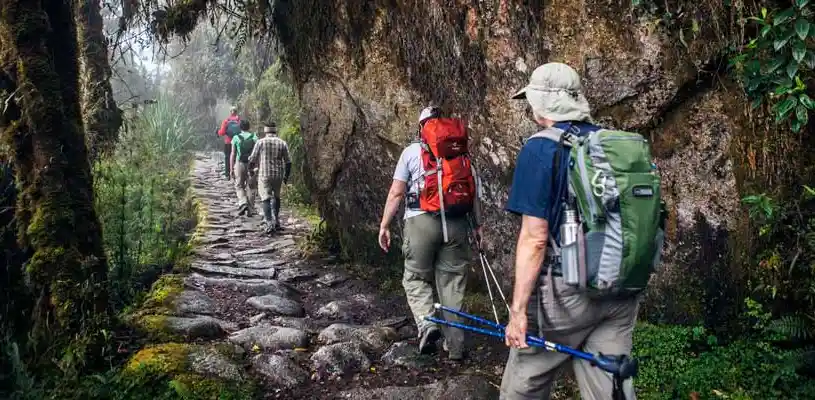
The Inca Trail was adapted to the rugged Andean geography, featuring steep sections, cobbled paths, stairways, and narrow trails along cliff edges. There are several pronounced elevation changes, like the climb to Inti Punku, where the stairs have a steep gradient and travelers must use all four limbs to advance before the final arrival toward Machu Picchu. Additionally, there are sections carved into massive rocks with narrow, slippery stairways, so caution is crucial. Using good footwear and trekking poles will help prevent pain in your feet, ankles, and knees, especially if you already understand how difficult the Inca Trail can feel on long descents.

Photo: Inkayni Peru Tours travelers hiking the Inca Trail.
Trekking footwear, designed with advanced technology, provides traction and stability on various terrains, including roots and branches on the Inca Trail. They’re ideal for climbing stone steps and reaching elevated areas like Warmi Wañusca Pass, the most demanding point of the Classic 4 Day Inca Trail. During the rainy season, they keep feet dry, preventing injuries. This footwear is superior to regular shoes, making it essential to bring them for the Inca Trail route, given the varied topography of the terrain.
Requirements that trekking footwear must meet
If you’re planning to do the Inca Trail or any trekking route in Cusco, you must consider certain details that your footwear absolutely must have. If any are missing, it simply won’t help protect your well-being on the route and could bring more complications than benefits. These recommendations also apply to Andean hikes like Lares, Salkantay, or Ausangate, where the terrain combines rock, mud, and elevation changes typical of the mountain range.
Here below, I’ll show you four key items that will greatly help you recognize the right footwear and make a good purchase without getting deceived in the process.
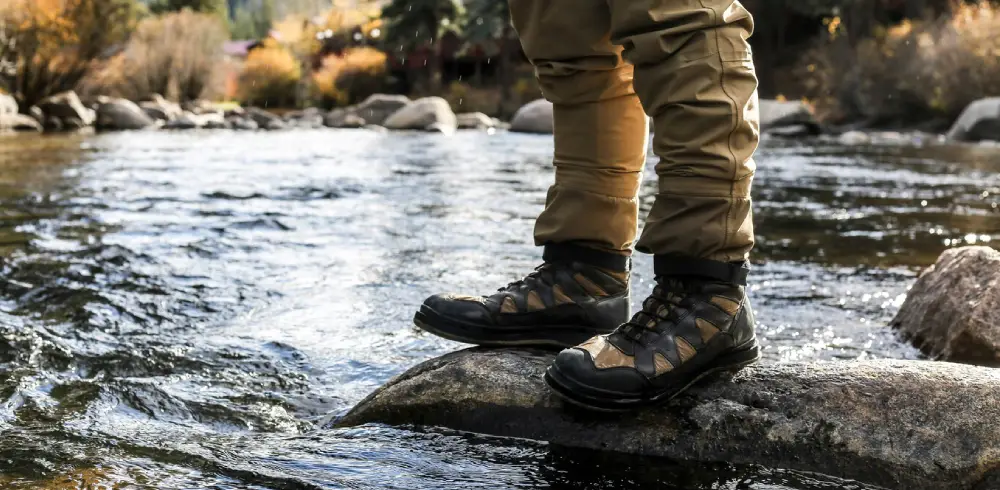
It’s advisable to look for technical water-resistant footwear for mountain routes.
Boot height (cut)
Trekking footwear is primarily classified by the height of its cut, which determines the level of support, stability, and ankle protection. Choosing this detail correctly can make the difference between a comfortable hike or a day full of discomfort, especially on Andean routes in Cusco like the Inca Trail, Salkantay, or Lares.
- Low-cut: This type of footwear is lightweight and flexible, ideal for short hikes or simple routes with little elevation change. It offers good ventilation and freedom of movement but less protection against twists. Perfect for those with experience who prefer to move quickly on dry or firm terrain.
- Mid-cut: Also called mid-cut, it provides a balance between support and mobility. The cut partially covers the ankle, offering greater stability without the weight of a high boot. It’s the most versatile option for multi-day hikes or mixed routes with irregular sections, typical of the Peruvian Andes.
- High-cut: This is the most robust type, designed for demanding terrain with rocks, mud, or steep slopes. It fully protects the ankle and provides rigidity, ideal for the Inca Trail during rainy season or for expeditions like Ausangate or Choquequirao. Its disadvantage is weight and less breathability, though the security it provides compensates on long, technical routes.

Remember to choose the right cut according to the type of route you’ll be doing.
If you’re looking for greater breathability or planning a lighter hike, the low-cut will be the best option, especially on easier route versions like the Short Inca Trail. On the other hand, if your goal is to trek irregular trails or you don’t have much experience, choose high-cut trekking shoes to guarantee stability and support with every step, and check your broader Inca Trail backpack setup before traveling.
Sole and grip
One of the most important aspects of good trekking footwear is the sole. Its function is to provide optimal grip on different terrains, efficiently drain mud and moisture, and cushion impact with each step. On routes like the Inca Trail, the type of sole can make the difference between a safe hike and an exhausting day.
There are three types of sole rigidity you should consider:
- Flexible soles: ideal for hiking or easy-level routes.
- Semi-rigid soles: recommended for demanding treks or light mountaineering.
- Rigid soles: suitable for alpine climbing or areas with climbs.
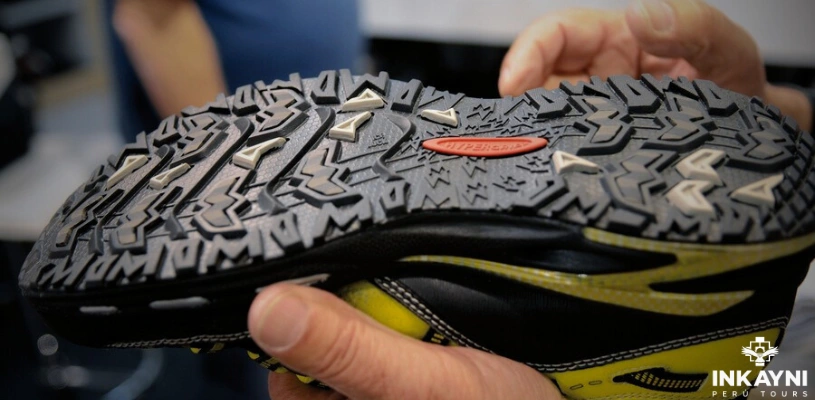
The sole is one of the factors that differentiates technical footwear from urban footwear.
For the Inca Trail or similar routes in Cusco, we recommend footwear with flexible or semi-rigid soles. You don’t need a completely rigid sole, as the terrain doesn’t require extreme climbing. Additionally, technical soles usually have deep lugs or grooves that improve grip on stone, mud, or wet roots.
Waterproofing
During any prolonged hike, it’s normal for feet to sweat or get cold if they get wet. On the Inca Trail and other Andean routes, humidity and rain are common, so protecting your feet from water and cold is essential to prevent blisters or injuries.
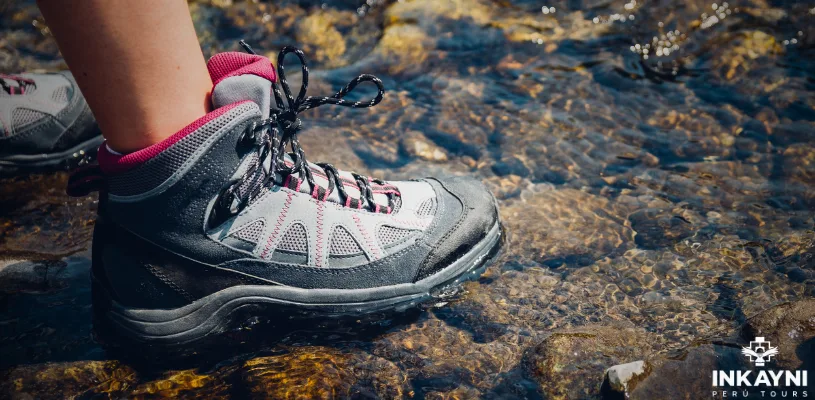
Details like waterproofing will keep your feet protected during the Inca Trail.
Good trekking footwear incorporates waterproof-breathable membranes (like GORE-TEX or equivalent), which protect you from mud, rain, and moisture without losing ventilation, especially when the Inca Trail weather becomes unstable. This helps keep feet dry and fresh throughout the route. Avoid wearing urban or dress shoes: they don’t have this technology and will increase the risk of chafing or slipping in wet areas.
Comfort
Now that you know the essentials, focus on comfort. Try several models before buying and choose the one that best adapts to the shape of your foot. Make sure it doesn’t cause discomfort while walking; ignoring this could translate into blisters or discomfort during the hike.
Many travelers recommend using trekking footwear in advance, at least two weeks before the trip, as part of your broader Inca Trail preparation. This way, the material adapts to the foot, softens, and avoids discomfort on the long sections of the Inca Trail or other Cusco routes.

The footwear you choose will be your best ally during your Andean trek.
If you still have doubts and are thinking about bringing your urban sneakers or dress shoes for photos, we repeat: don’t do it. They don’t have the necessary technology and could ruin your experience. Remember, good trekking footwear is key to enjoying the Inca Trail and any Andean route with safety and comfort.
Types of trekking footwear
Although it may seem incredible, there are two types of trekking footwear, and many times we choose to buy one without knowing if it will really serve us for the Inca Trail trekking route. Due to lack of knowledge, we make mistakes. To help you choose the right footwear, we present the two types that exist, along with their advantages and disadvantages, so you have a clear idea of which to buy and which is the best option for the Inca Trail route.
Trekking shoes (low-cut)
These are among the most aesthetic and preferred low-cut footwear by many travelers worldwide. Why this popularity? This type of footwear also features technology that provides protection and material resistance when exposed to rustic routes. An additional plus is that, thanks to their aesthetics, they can also be used in urban environments. Although they’re not given the use they truly deserve, this plus gives them greater preference over trekking boots.
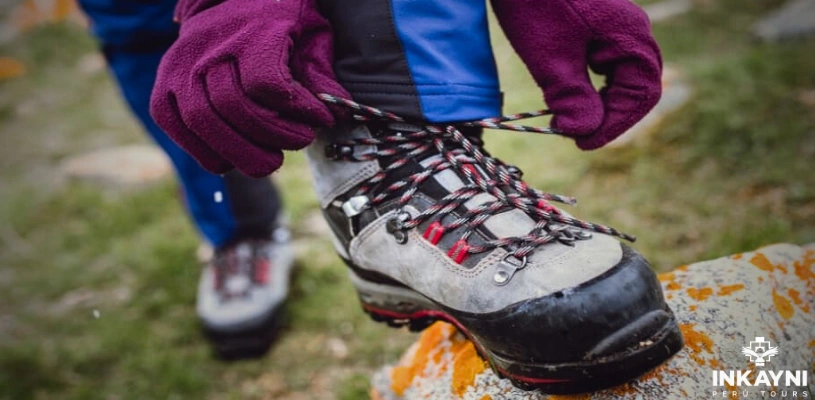
If you’re an extremely experienced traveler, one option could be using these in challenging places.
Advantages
- Lightness and comfort: Their reduced weight allows you to walk with agility and less fatigue, ideal for long sections of the Inca Trail or routes without extreme elevation changes.
- Good ventilation: They’re usually made with breathable materials that keep feet cool and dry in hot or humid climates.
- Flexible and versatile: Their softer sole adapts better to the natural movement of the foot, making them comfortable for both moderate trekking and urban use during the trip.
Disadvantages
- Less ankle support: Their low cut limits stability on irregular terrain, increasing the risk of twists or slips.
- Limited protection: They offer less water resistance, lower durability, and softer traction compared to cobbled terrain or mud.
In summary, trekking shoes are an excellent option for well-marked routes, dry days, and experienced travelers who prioritize lightness over total protection.
Trekking boots
Trekking boots, with their technology designed for well-being on demanding routes like the Inca Trail, are high-cut footwear ideal for irregular trails and difficult terrain. While not the most popular or lightweight, they differ from trekking shoes by their high cut, making them the best option for trekking routes with high difficulty levels.
Beyond protection, their technology gives you greater ease of movement on challenging terrain and helps reduce muscle fatigue in the feet.
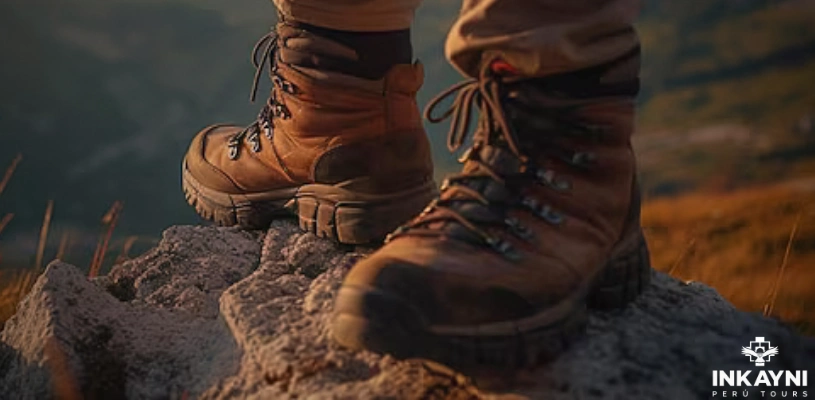
One of the best options for hiking the Inca Trail are trekking boots.
Advantages:
- Superior support and stability: Their high cut wraps the ankle and provides a key level of protection on irregular or cobbled terrain, reducing the risk of twists and improving balance on descents.
- Greater water resistance: Made with waterproof materials or breathable membranes like GORE-TEX, they keep feet dry under rain or when crossing wet areas of the Inca Trail.
- Extended durability: Their robust structure is designed to withstand the wear of long routes, rocks, mud, and additional weight, making them a long-term investment.
- Superior traction: Thick soles with deep lugs offer firm grip even on wet stone, mud, or loose terrain, guaranteeing stability with every step.
Disadvantages
- Heavier: Their solid construction increases weight, which can cause fatigue if you’re not used to it or if you do short routes.
- Less ventilation: Being more closed, they retain more heat and moisture, so they can feel hot in warm or sunny climates.
- Initial stiffness: Their structure requires a brief adaptation period before feeling completely comfortable; it’s advisable to use them several days before the trek.
In summary, trekking boots are the best choice for long routes, challenging terrain, and multi-day hikes in the Andes, where stability and protection are worth more than lightness.
| Aspect | Trekking Shoes | Trekking Boots |
| Design and support | Low-cut; lightweight and flexible, provide freedom of movement, especially on shorter or less demanding routes. | Mid or high-cut; greater protection and ankle stability for rough stone, descents, and multi-day trekking. |
| Weight and comfort | Very comfortable from first use; ideal for short routes. | Heavier and firmer; require prior adaptation. |
| Climate and breathability | High ventilation; not very resistant to heavy rain. | Waterproof or water-resistant; less ventilation. |
| Durability and traction | Recreational or low-demand use; moderate traction. | Designed for hard terrain; sole with deep grip. |
| Recommended terrain | Well-marked trails, stable climate, little elevation change. | Inca Trail, Salkantay, Lares, or long routes with mud and rock. |
| User profile | Experienced travelers who prioritize lightness and agility. | Hikers seeking safety and support at altitude. |
*Some adventurers still ask about hiking shoes vs running shoes, but the difference lies mainly in ankle protection, traction, and durability.
What are the best shoes for the Inca Trail?
Now that you know more about the available trekking footwear, the best option for doing the Inca Trail are trekking boots. Thanks to their technology and high cut, they’ll provide you with maximum protection and unmatched performance on the route.
If you’re wondering whether you can bring trekking shoes, the answer is yes, but keep in mind that there will be areas on the trail that will require the ankle protection that only a trekking boot can offer you.

This is one of the best options for doing the Inca Trail, try to avoid bringing urban footwear.
On the other hand, remember! You should avoid bringing urban or dress footwear, as it’s not designed to trek remote areas and lacks the necessary technology, which will compromise the well-being of your feet and could cause injuries you won’t want to have in the middle of the Inca Trail route. By not having the technology that trekking footwear provides, you could face unpleasant situations, like slips that could cause other additional injuries. Additionally, your footwear could break in the middle of the route.
So watch out for that, you have two types of footwear: one lighter for easy trekking routes and the other option, trekking boots, which is the best option for the Inca Trail since it has a higher difficulty level and rockier areas. Therefore, it’s essential that you look out for your safety.
What brands of trekking shoes and/or boots exist?
If you’re a traveler eager to explore, recognized brands like Salomon, La Sportiva, Merrell, Columbia, and The North Face offer models adapted to different levels of experience, budgets, and terrain conditions. These brands incorporate reinforcement technologies, waterproof-breathable membranes, and sole design conceived for walking many hours without feet suffering.
- Salomon: This company stands out for its durable, comfortable shoes with excellent grip, ideal for technical and mountainous terrain. Some of its most popular models include the X Ultra 4 Mid GTX and the Speedcross 5.
- La Sportiva: This brand specializes in high-performance shoes for demanding terrain and climbing. Their models are known for their precision, lightness, and support. Among the most popular are the Bushido II and the Kyber.

You have many options, choose the one that best suits your tastes and preferences.
- Merrell: This is a brand recognized for its versatile and comfortable shoes, suitable for a wide range of terrains and outdoor activities. Some of its most popular models include the Moab Fst GTX and the Agility Peak 4.
- Columbia: Columbia offers a wide range of trekking shoes for different types of terrain and climates. Some of its most popular models include the Newton Ridge Lite Waterproof and the Firecamp Mid Waterproof.
- The North Face: The North Face is a brand recognized for its clothing and equipment for outdoor activities and also offers a wide range of trekking shoes. Some of its most popular models include the Vectiv Fastpack Futurelight, the Hedgehog Fastpack Mid GTX, and the Ultraventure 3.
Remember! Before buying footwear from these brands, make sure it fits your feet well and doesn’t cause discomfort while walking. Keep in mind that comfort during the Inca Trail trek will largely depend on choosing the right footwear.
On the other hand, if you’re wondering which is the best brand, the final decision falls on you, since they all fulfill the same function of protecting you and providing support.
How much does trekking footwear cost?
Choosing the right footwear also involves considering your budget. Remember that there’s a wide variety of brands, models, and technologies, which offers you multiple options depending on your type of route and experience level.
Trekking footwear prices typically range from 70 USD to 250 USD, depending on their category and materials.
Why do prices vary so much?
- Trekking shoes are usually more economical than trekking boots because they use lighter materials and fewer structural components.
- In contrast, boots incorporate reinforcements, higher traction soles, and waterproof membranes that increase their cost.
Another decisive factor is manufacturing technology. The incorporation of breathable membranes, Vibram soles, cushioning systems, or designs with thermal reinforcement can raise the price, but also the durability and performance on demanding routes like the Inca Trail.

Your ideal footwear will be one that combines technology, comfort, and durability to trek the Inca Trail safely.
Expert tip:
In summary, if you’re planning short or medium-level hikes, an intermediate or basic model will suffice. But if you’re preparing for multi-day routes, wet terrain, or prolonged elevation changes, like those you’ll find in the Andes, on circuits like the Inca Trail, Salkantay, Lares, or Ausangate, investing in technical mid-range or high-end footwear will make the difference in your comfort and performance throughout the journey.
Some additional recommendations
You now know the essential aspects for choosing good trekking footwear. Now it’s worth considering some practical details that are often overlooked and can make a difference during the Inca Trail or any Andean route. Let’s explore some final recommendations:
- Choose the correct size: Make sure there’s a small space, approximately the thickness of a finger or between 10 and 20 mm, between the tip of your foot and the end of the footwear. This margin prevents toes from hitting the toe box during descents or when the foot swells, and reduces the risk of blisters or hematomas.
- Try them before the trip: Walk a few minutes with them on, ideally with the socks you’ll use on the route. If the model is rigid (for example, a technical boot), consider an adaptation period of at least 1-2 weeks so the material molds to the foot and avoids significant discomfort.
- Use technical socks: Avoid socks with thick seams or materials with poor breathability. Socks designed for trekking, without internal seams and made with fibers that evacuate moisture, effectively accompany technical footwear in its protective function and help keep the foot dry and stable during long journeys.
- Maintenance: care for your footwear after each route: After finishing the hike, clean your boots or shoes with a damp cloth and a soft brush if there’s mud. Wash the insoles with water and neutral soap, and let them dry in a ventilated place, without direct sunlight or contact with heat sources. This routine extends the footwear’s lifespan and helps preserve waterproofing/breathability.
These small precautions and prior reviews not only improve the comfort of your next hike, but also protect your investment and ensure that every step in the mountains is safer and free of distractions.
Did you know…?
At the end of the day, after a long hiking day, you can remove the footwear’s insole and fill its interior with newspaper. What for? To absorb moisture and prevent footwear deformation.
Other Guides That Help You Prepare for the Inca Trail
The first step toward a great adventure
Choosing the right trekking footwear is not a minor decision for the quality of your experience. On the trails of the Inca Trail or any Andean route, your boots are your connection with the earth, your balance, and your safety. A good pair of technical shoes or boots becomes your best travel companion: light, resistant, and prepared for every section of stone, mud, or ancient stairway.
Before embarking on the path to Machu Picchu, dedicate time to testing, choosing, and preparing your footwear. It’s not an expense: it’s an investment in well-being, freedom, and enjoyment. Because in the mountains, every well-taken step brings you a little closer to history, nature, and yourself.
Ready to put your trekking footwear to the test in the Andes?
From the steps of the Inca Trail to the high mountain passes of Salkantay or the cultural valleys of Lares Trek, a good pair of trekking boots or shoes is key to enjoying each day without worrying about your feet.
With years of experience in the Andes, Inkayni Peru Tours offers expert guides, safe logistics, and ideal equipment for every route, including support with Inca Trail permits and availability.
Frequently asked questions about trekking footwear
What type of footwear is best for the Inca Trail?
Should the footwear be waterproof?
How long before should I break in my footwear?
How much does a good pair of trekking boots or shoes cost?
Does the same footwear work for Salkantay, Lares, and the Inca Trail?
What type of socks should I use?
Shared:




If you liked this article and the information you found, give us 5 stars!
 (2 votos, promedio: 5.00 de 5)
 Loading...