


What to do in Machu Picchu?
The best places to visit in Machu Picchu depend on the circuit and route included in your ticket, because there is no single entrance that gives access to every viewpoint, temple, and mountain hike. If you are deciding what to do in Machu Picchu, start by choosing your priority first. For most first-time visitors, Circuit 2 usually makes the most sense because it combines the classic view with important archaeological sectors such as the terraces, Temple of the Sun, Main Temple, Temple of the Three Windows, Intihuatana, Sacred Rock, and Temple of the Condor. Circuit 1 works better for panoramic routes like Machu Picchu Mountain, Intipunku, and Inca Bridge, while Circuit 3 is the route to check for Huayna Picchu, Huchuy Picchu, the Great Cavern, and lower-sector visits.
Table of Contents
Machu Picchu is one of the most important archaeological sites in South America, but visiting it today requires more than choosing a date and buying a ticket. The sanctuary is organized by official circuits and routes, so the best places to visit in Machu Picchu depend on the ticket you choose before entering.
If you are wondering what to do in Machu Picchu, start with the route system. Some tickets focus on panoramic viewpoints, others on the classic archaeological sector, and others on mountain hikes such as Huayna Picchu, Machu Picchu Mountain, Huchuy Picchu, Intipunku or the Great Cavern. This guide explains what you can actually see inside Machu Picchu, how each circuit works, and which places are worth prioritizing for your visit.
| 3 circuitsofficial system | 10 routesticket-based access | 7,972 ft2,430 m altitude | Ticket firstroute decides access |
This article focuses on places and activities inside the archaeological site. For town logistics, hotels, restaurants, ATMs, luggage, train arrivals and hot springs, use our Aguas Calientes travel guide. For activities in the town itself, read our guide to things to do in Aguas Calientes.
WORLD WONDER IN THE ANDESMachu Picchu
Discover the history, landscapes, and essential tips for visiting this world wonder.

Machu Picchu is visited through official circuits and routes, so each ticket gives access to specific places inside the sanctuary.
Before Choosing What to See in Machu Picchu
The most important planning rule is simple. Choose the right ticket before building your list of places. Machu Picchu currently works with 3 circuits and 10 official routes. Each route gives access to specific viewpoints, temples, terraces, mountain hikes or archaeological sectors.
Heartbeat among the peaks. Photo by: Arissa.

Caressing a sleeping empire. Photo by: Chuckles.
For many first-time visitors, Circuit 2 gives the most complete classic experience because it usually combines a panoramic view with access to important urban and sacred sectors. Circuit 1 is stronger for upper viewpoints and special routes such as Machu Picchu Mountain, Intipunku and Inca Bridge. Circuit 3 focuses on the lower royal sector and gives access to routes such as Huayna Picchu, Huchuy Picchu and the Great Cavern when those routes are enabled.
Important note:
Always verify current tickets, routes and availability on the official ticket platform before buying. Route names, seasonal access and availability can change by official update.

Machu Picchu circuits map displaying Circuit 1, Circuit 2 and Circuit 3.
What to Do in Machu Picchu According to Your Circuit
Use this table before choosing your ticket. The circuit gives the general logic of the visit, but the route decides the exact access.
| Circuit | Main route logic | Best places and activities |
| Circuit 1 | Panoramic circuit with Routes 1-A, 1-B, 1-C and 1-D. | Upper viewpoint, Guardian House area, upper terraces, Machu Picchu Mountain, Intipunku and Inca Bridge. |
| Circuit 2 | Classic circuit with Routes 2-A and 2-B. | Classic viewpoint, agricultural terraces, Temple of the Sun area, Main Temple, Temple of the Three Windows, Intihuatana, Sacred Rock and Temple of the Condor. |
| Circuit 3 | Lower royal-sector circuit with Routes 3-A, 3-B, 3-C and 3-D. | Lower royal sector, Temple of the Sun area, Temple of the Condor, Huayna Picchu, Huchuy Picchu and Great Cavern. |

Infographic of main Machu Picchu areas. Inkayni Peru Tours.
Best Places to Visit in Machu Picchu by Route
This table connects the main Machu Picchu attractions with the route logic behind them. Use it to avoid buying a ticket that does not include the place you most want to see.
| Place or activity | Best circuit or route | Best for |
| Guardian House viewpoint | Usually Circuit 1 or selected Circuit 2 routes | Classic photo and first-time views |
| Agricultural terraces | Circuit 1 or Circuit 2, depending on route | Landscape, engineering and photos |
| Temple of the Sun | Circuit 2 or Circuit 3 logic | Inca architecture and sacred space |
| Main Temple | Usually Circuit 2 | Stonework and interpretation |
| Temple of the Three Windows | Usually Circuit 2 route logic | Sacred architecture and symbolism |
| Intihuatana | Usually Circuit 2 route logic when included | Symbolic and astronomical interpretation |
| Sacred Rock | Circuit 2 and selected Circuit 3 mountain-route flows | Andean sacred geography |
| Temple of the Condor | Circuit 2 and Circuit 3 route logic | Symbolic architecture |
| Huayna Picchu | Circuit 3, Route 3-A | Steep iconic climb |
| Huchuy Picchu | Circuit 3, Route 3-D when enabled | Shorter mountain-style route |
| Machu Picchu Mountain | Circuit 1, Route 1-A | Long panoramic hike |
| Intipunku or Sun Gate | Circuit 1, Route 1-C when enabled, or Inca Trail arrival | Viewpoint and Inca Trail connection |
| Inca Bridge | Circuit 1, Route 1-D when enabled | Short scenic side route |
| Great Cavern or Temple of the Moon | Circuit 3, Route 3-C when enabled | Longer, less standard route |
Guides to choose the right route before entering
Circuit 1 Places in Machu Picchu
Circuit 1 is the panoramic logic of Machu Picchu. Choose it when your priority is the upper viewpoint, the classic postcard angle, Machu Picchu Mountain, Intipunku or Inca Bridge. This circuit works especially well for travelers who want wide views, photos and route-specific side hikes.
Guardian House Viewpoint
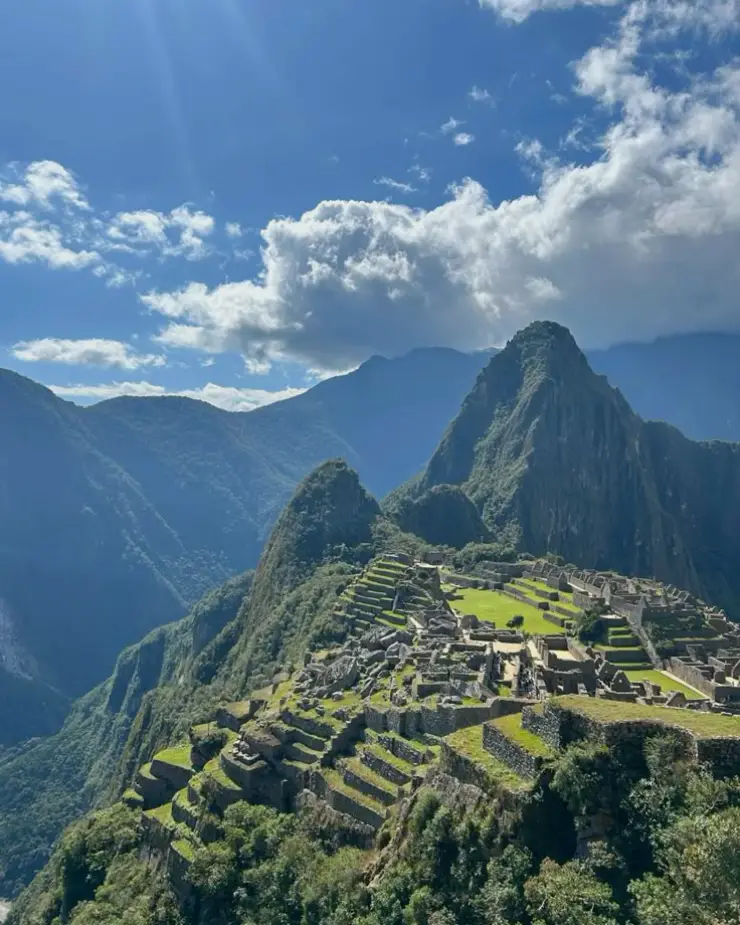
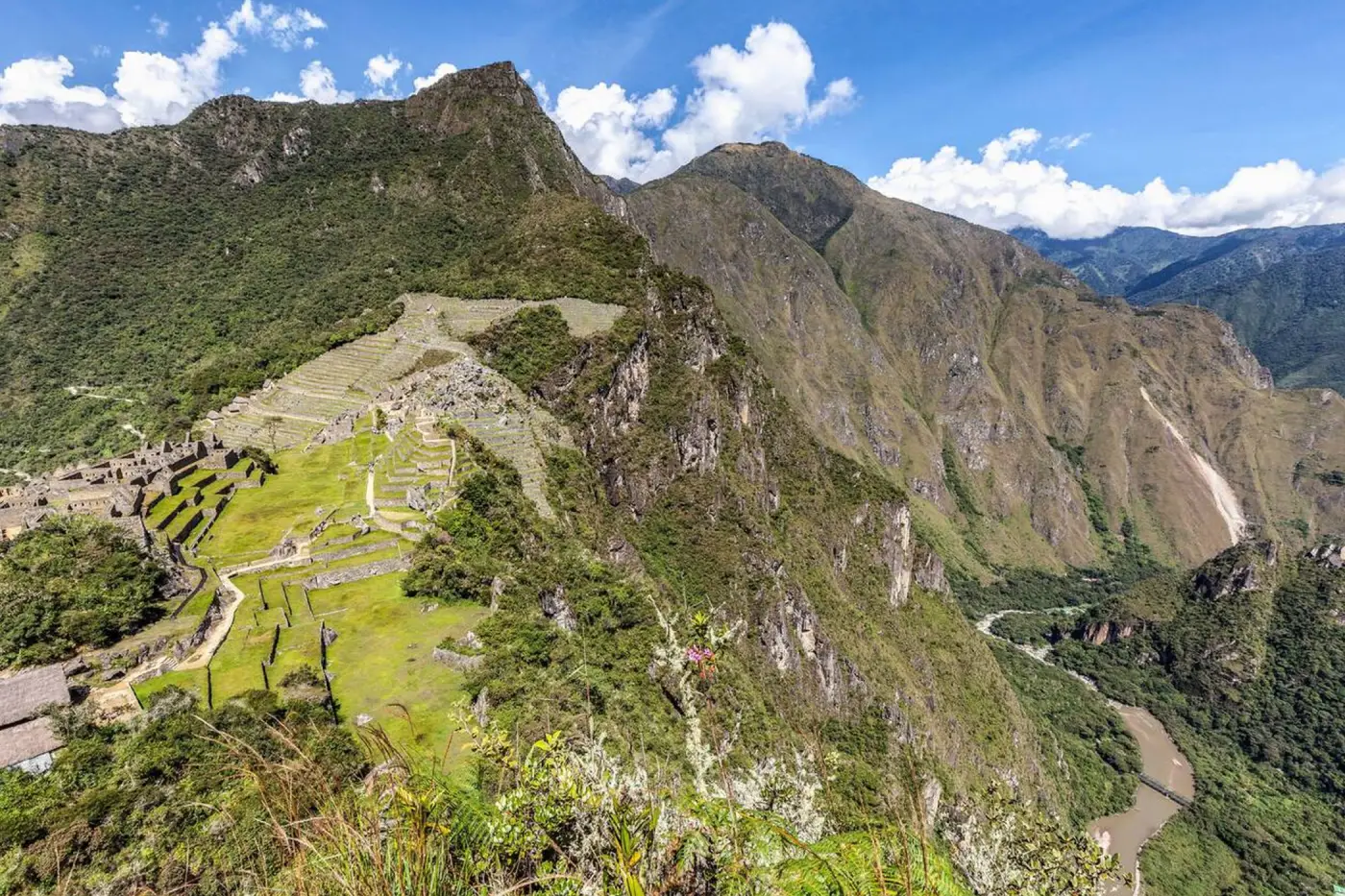
The Guardian House area is one of the most requested viewpoints in Machu Picchu. From this upper sector, travelers usually look across the agricultural terraces, the urban area and Huayna Picchu rising behind the citadel. This is the image many visitors have in mind before arriving.

The Guardian House viewpoint is one of the most requested photo spots in Machu Picchu.
If this view matters to you, choose your ticket carefully. Some routes focus on lower sectors and may not include the same upper angle. Circuit 1 is the clearest panoramic option, while Circuit 2 may also work well depending on the route.
Why visit it?
Visit the Guardian House viewpoint if your priority is the classic Machu Picchu photo, a clear visual introduction to the site, and a better sense of how the terraces, urban sector and mountains fit together. It is one of the most useful places for first-time visitors because it gives context before the archaeological walk begins.
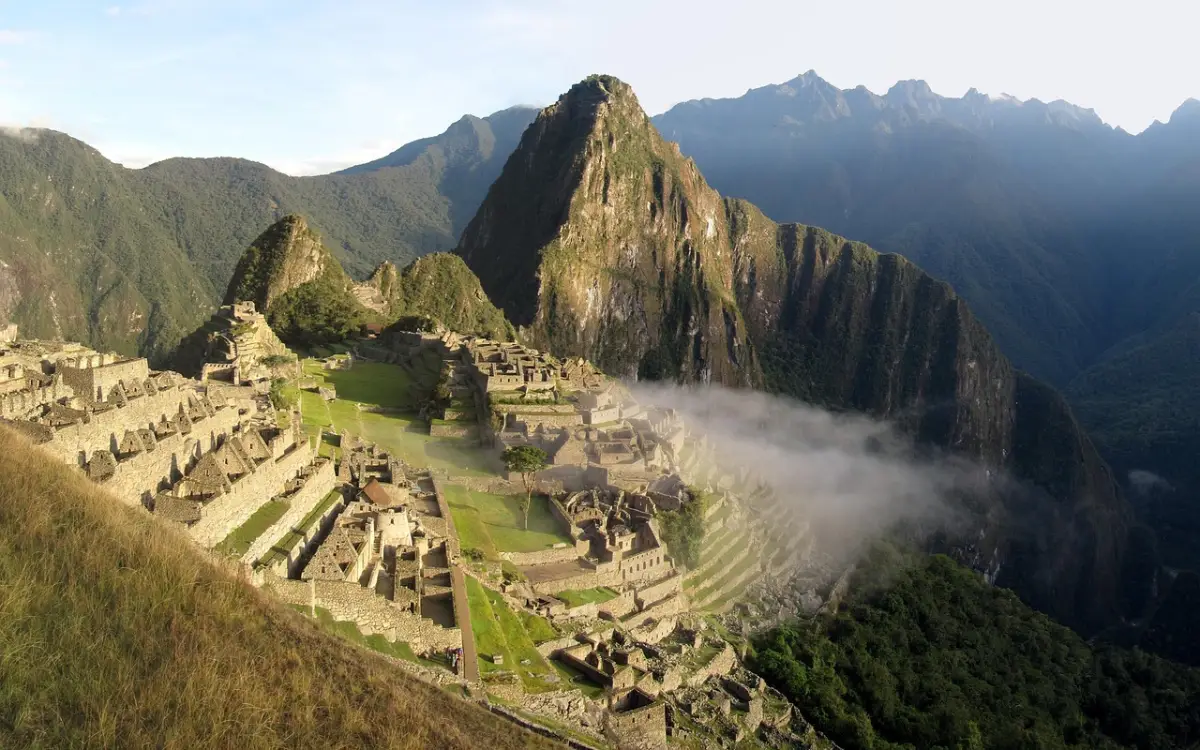
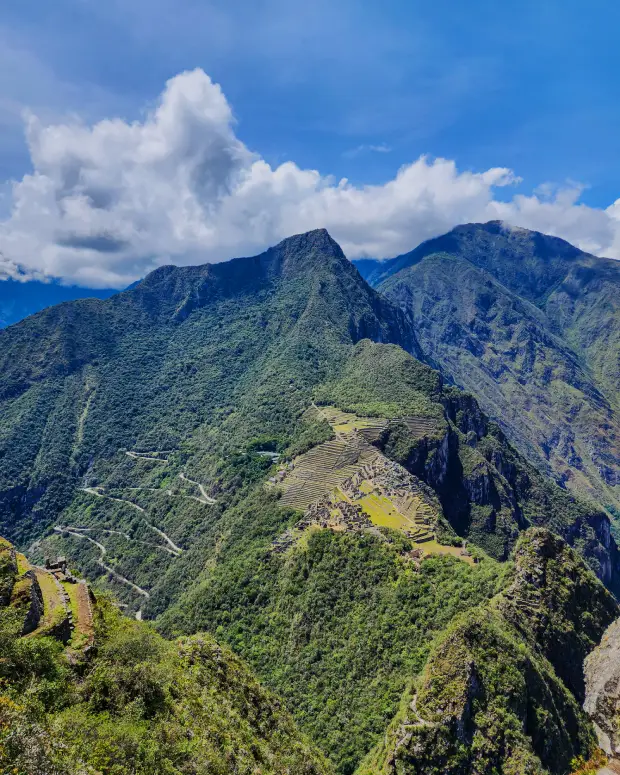
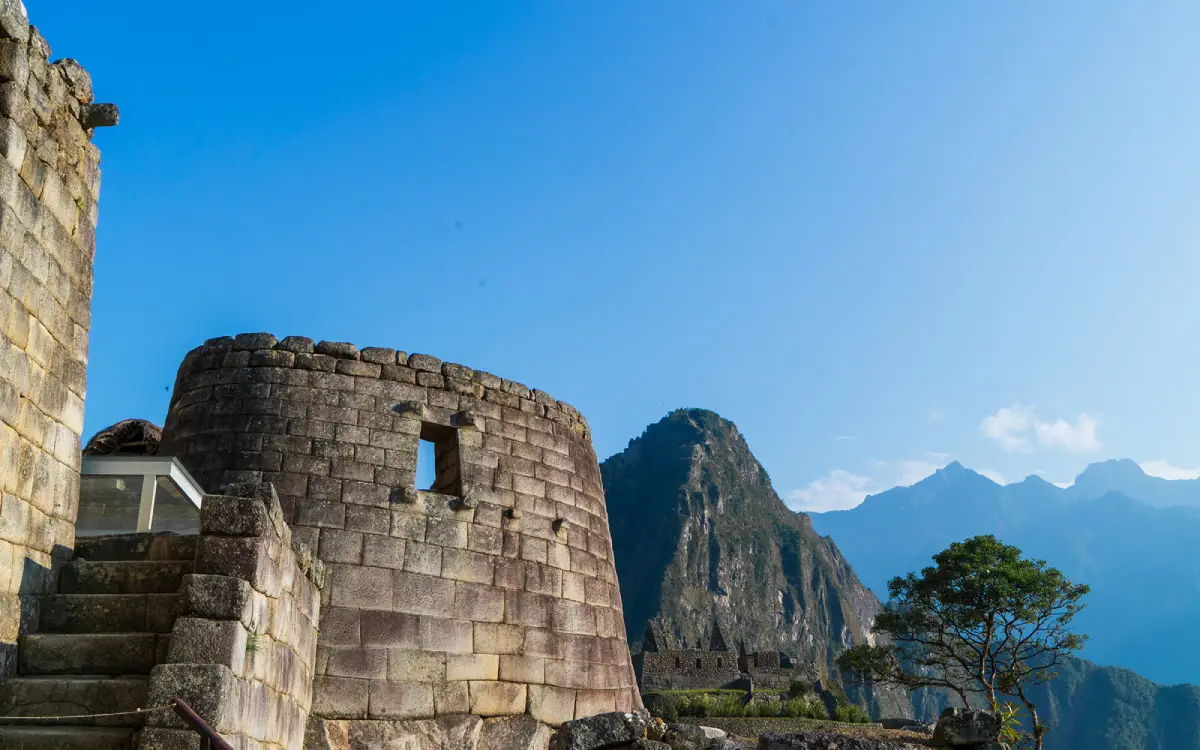
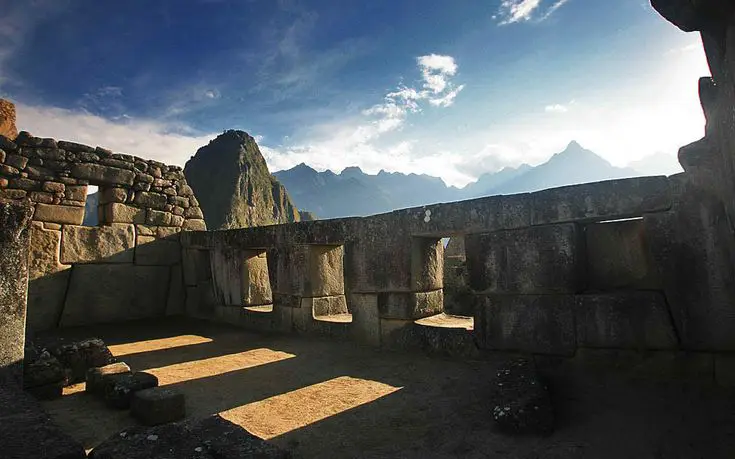
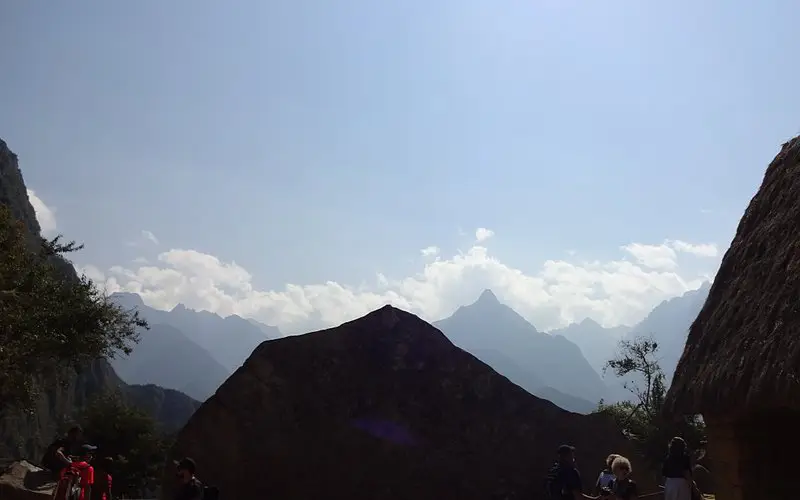
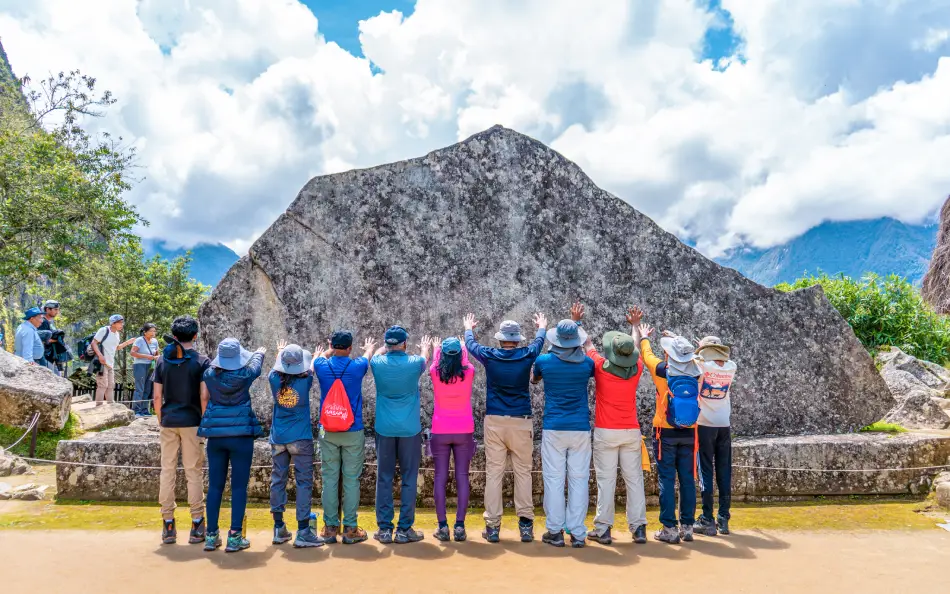
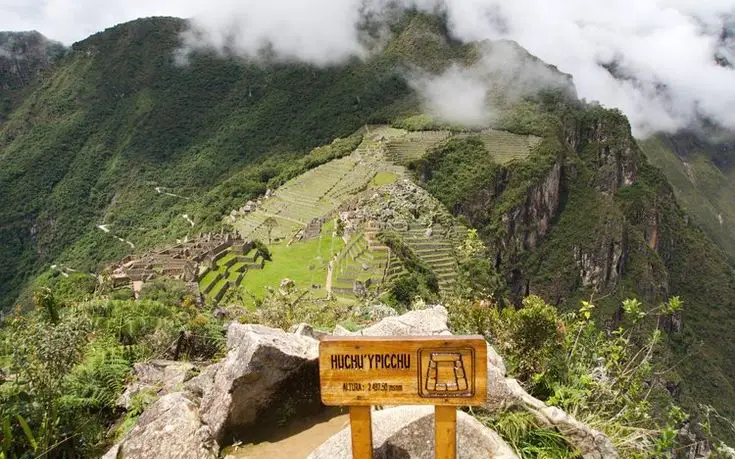
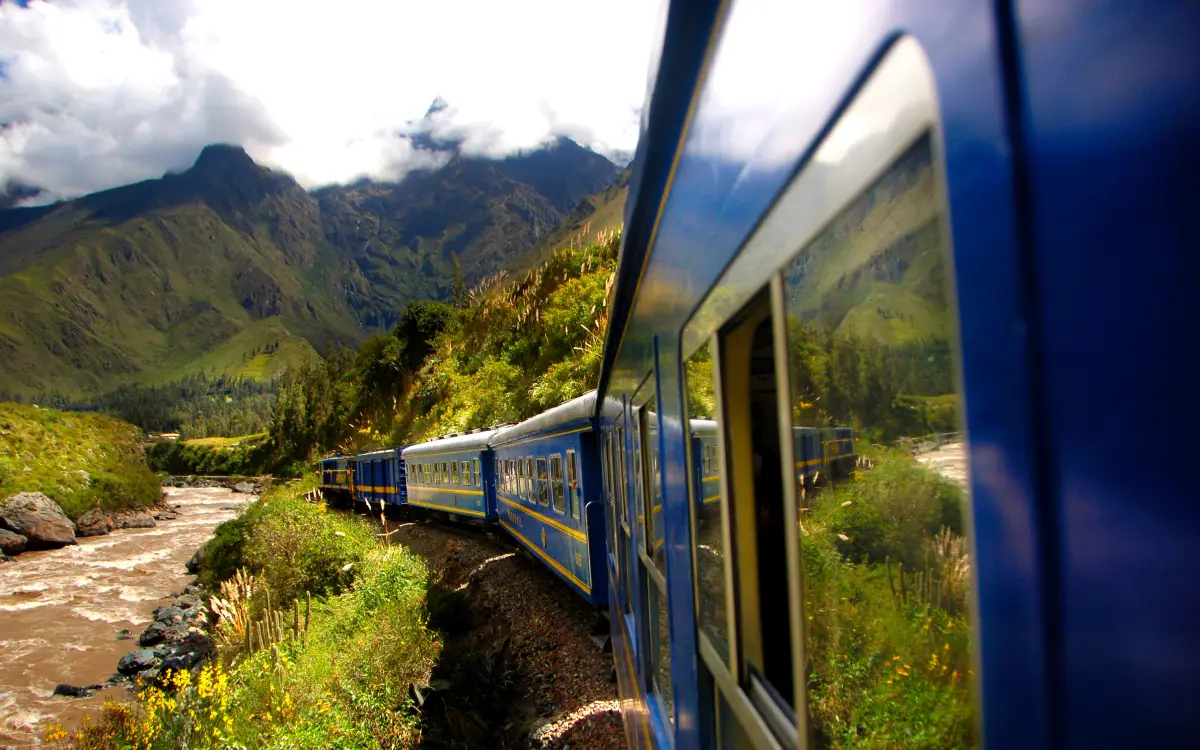
Finding refuge. Photo by: Boleto Machu Picchu. Taking care of the mountain. Photo by: José María Arboleda. The agricultural terraces are part of the engineering, visual identity and land management of Machu Picchu. They helped stabilize the mountain slope, control drainage and create usable agricultural space in a difficult environment. For travelers, the terraces also shape the first visual impression of the sanctuary. They create the stepped rhythm that connects architecture, mountain and cloud forest. A guide can help explain why these terraces are part of the site’s structure, not only a scenic background. Visit the terraces if you want to understand Machu Picchu as an engineered mountain city. They show how the Incas worked with slope, water, soil and altitude, and they also create some of the best visual frames for photos of the sanctuary. The terraces are part of Machu Picchu’s engineering, agriculture and visual identity. From the summit. Photo by: Summer 12. Machu Picchu Mountain is a long panoramic hike above the archaeological site. It is different from the citadel visit and requires a route-specific ticket, currently associated with Circuit 1, Route 1-A. This option works well for travelers who want a demanding ascent with broad views of the sanctuary, the Urubamba Valley and the surrounding mountains. It is physically demanding because of the length and continuous climb, but it is generally less exposed than Huayna Picchu. Visit Machu Picchu Mountain if you want the widest panoramic perspective of the sanctuary and have enough time and energy for a longer hike. It is a strong choice for travelers who prefer sustained effort, open views and a less exposed climb than Huayna Picchu. Machu Picchu Mountain is a long panoramic hike above the archaeological site. Revealing greatness. Photo by: Pixabay. The land always remembers. Photo by: Inkayni Peru Tours. For more detail, compare it with the Machu Picchu Mountain guide and the Huayna Picchu guide. Intipunku, also called the Sun Gate, was the traditional arrival point for Inca Trail hikers entering Machu Picchu. It sits above the sanctuary and offers a wide view of the citadel, the surrounding mountains and the route used by trekkers arriving from the Classic Inca Trail or Short Inca Trail. Travelers should be careful with old information. Intipunku is not included with every ticket. You may reach it if you arrive through the Inca Trail, the Short Inca Trail, or if you book the official Circuit 1 Route 1-C when it is available in high season. If Intipunku matters to your trip, confirm the route before buying. Visit Intipunku if you want to see Machu Picchu from one of its most meaningful arrival points. It is especially valuable for travelers interested in the Inca Trail, ancient access routes and a slower, more contemplative first view of the sanctuary from above. The veil of clouds and the traveler. Photo by: Inkayni Peru Tours. Bordering the mystery. Photo by: Inkayni Peru Tours. For travelers who want to arrive this way, compare the Short Inca Trail and the 4 Day Inca Trail before booking. The Inca Bridge is a short and scenic side route built along a narrow cliffside path. Its structure reflects defensive and strategic planning because the bridge section could be controlled or removed to limit access. Today, this route is usually associated with Circuit 1, Route 1-D when available in high season. It is a good option for travelers who want a quieter route and have no problem with heights. It is not ideal for visitors with vertigo. Visit the Inca Bridge if you want a short side route that shows how the Incas controlled movement through steep terrain. It is a good choice for travelers who want scenery, engineering and a quieter experience without committing to a long mountain hike. The Inca Bridge route is short, scenic and not ideal for travelers with vertigo. Worlds of wood and stone. Photo by: Guillen Pérez. Circuit 2 is usually the best route logic for a first-time classic visit. It combines a panoramic experience with more of the archaeological city, including terraces, temples, sacred structures and urban sectors that many travelers expect when they imagine Machu Picchu. The Temple of the Sun is one of the most important sacred structures in Machu Picchu. Its semicircular stonework, careful construction and relationship with light make it a key place for understanding Inca architecture and ritual space. Current routes usually allow visitors to observe it from designated points rather than move freely inside it. This area is especially important in Circuit 2 and Circuit 3 route logic. A guide adds real value here because the structure is easy to pass without understanding its ceremonial importance. Visit the Temple of the Sun if you want to understand the sacred and astronomical dimension of Machu Picchu. Its stonework, location and relationship with light make it one of the clearest examples of how architecture and ritual were connected in the Inca world. The Temple of the Sun is one of the most important sacred buildings in Machu Picchu. Stones that pray to the sun. Photo by: Boleto Machu Picchu. Dance above the clouds. Photo by: Antonio 82. The Main Temple area shows the scale and precision of Inca stonework. Large carved stones, open sacred space and visible structural changes make this sector important for understanding construction techniques, ritual use and the relationship between architecture and terrain. This is one of the strongest reasons to choose Circuit 2 if your goal is archaeological interpretation rather than only a panoramic photo. Visit the Main Temple if you want to see large-format Inca stonework and understand the ceremonial heart of the urban sector. It is one of the best places to slow down with a guide and read Machu Picchu through architecture rather than only landscape. The Main Temple area shows the scale and precision of Inca construction. The Temple of the Three Windows is one of the most symbolic structures in the Sacred Sector of Machu Picchu. Its trapezoidal openings frame the surrounding landscape and show the Inca ability to combine architecture, light and mountain geography. This sector is often associated with interpretations of Andean worldview, sacred space and architectural symbolism. Some readings connect the three windows with the three worlds of Andean thought, although visitors should treat this as interpretation rather than a simple fixed explanation. A guide can help separate documented architecture from popular simplifications. Visit the Temple of the Three Windows if you are interested in symbolic architecture, sacred space and the way Inca buildings frame the landscape. It is one of the most photogenic and interpretive places in the classic archaeological sector. Architecture dialogues with light. Photo by: Código Oculto. The Intihuatana is one of the most symbolic carved stones in Machu Picchu. Its name is often translated as “where the sun is tied,” and it is commonly associated with astronomical and ritual functions. Do not assume every ticket reaches this area. Access depends on the route currently assigned to your ticket. Visitors should never touch the stone because it is protected. Visit the Intihuatana if you want one of the strongest symbolic points of Machu Picchu. It helps connect the visit with astronomy, ritual, stone carving and the Inca relationship with cycles of light and time. The Intihuatana is one of the most symbolic structures in Machu Picchu. The Sacred Rock is one of the important ritual spaces within Machu Picchu. It is often interpreted in relation to the surrounding mountain landscape and the Andean idea of sacred geography. The route to this area depends on your ticket. Circuit 2 commonly works better for a fuller archaeological visit, while some Circuit 3 mountain-route flows pass near this sector before continuing toward Huayna Picchu, Huchuy Picchu or the Great Cavern. Visit the Sacred Rock if you want to understand how Machu Picchu relates to the surrounding mountains. This place is valuable because it shows how sacred geography, landscape and architecture could work together in the Andean worldview. The Sacred Rock connects Machu Picchu with the surrounding mountain landscape. Guarding the mountain. Photo by: Tripadvisor. From wonder. Photo by: Inkayni Peru Tours. The Temple of the Condor is one of the clearest examples of symbolic architecture inside Machu Picchu. The carved stone formation evokes the head and wings of a condor, an animal with deep meaning in Andean worldview. This area is relevant for Circuit 2 and Circuit 3 route logic. If this site matters to you, confirm your exact route before booking. Visit the Temple of the Condor if you want to see how the Incas could turn natural rock formations into symbolic architecture. It is one of the best places to understand the link between animals, mythology, stone and sacred space. The Temple of the Condor is one of the most symbolic structures in Machu Picchu. Knowing oneself as a companion of the sky. Photo by: Miles Shores. Stone spirit takes flight. Photo by: Pinterest. Circuit 3 focuses on the lower royal-sector logic of Machu Picchu. It is the circuit to check first if you want Huayna Picchu, Huchuy Picchu or the Great Cavern. It can also work for travelers who want a shorter archaeological route through lower sectors, but it should not be confused with the classic upper-viewpoint experience. Circuit 3 is useful when your route focuses on the lower part of the site. Depending on the route, this area can include sectors such as the Temple of the Sun area, the Temple of the Condor, the Doce Vanos, the eastern qolqas, the water mirrors and lower architectural spaces connected with elite or ceremonial use. This is the route logic many travelers miss when they only compare mountain names. Circuit 3 is not only about climbing Huayna Picchu. It also gives a different reading of Machu Picchu from the lower urban and royal-sector perspective. Visit the Lower Royal Sector if you want a different reading of Machu Picchu through elite spaces, water features, lower architecture and route-specific access. It is useful for travelers who already understand that not every valuable place is found from the classic upper viewpoint. Huayna Picchu is the steep mountain behind the classic Machu Picchu photo. It is one of the most famous add-on hikes, but it requires a specific ticket and is not suitable for every traveler. The current route is associated with Circuit 3, Route 3-A. The climb can feel exposed and demanding, especially in wet conditions. It is better for active travelers without strong fear of heights. Book early because availability is limited. Visit Huayna Picchu if you want the iconic steep climb behind Machu Picchu and a more intense physical experience. It is best for active travelers who are comfortable with narrow stairs, exposure and limited availability. Huayna Picchu is one of the most famous mountain routes inside Machu Picchu. At the corner of the dream. Photo by: Karikuy Tours. Steps through history. Photo by: Solo. For more detail, read our Huayna Picchu guide before choosing this route. Huchuy Picchu is a shorter mountain-style route inside Machu Picchu. It is usually less demanding than Huayna Picchu and Machu Picchu Mountain, but it still requires the correct route and availability. This option works best for travelers who want a lighter add-on hike without committing to the longer climb of Machu Picchu Mountain or the steeper ascent of Huayna Picchu. Always check whether Route 3-D is available for your travel date. Visit Huchuy Picchu if you want a shorter mountain experience with a rewarding view and less physical demand than Huayna Picchu or Machu Picchu Mountain. It is a practical option for travelers who want an add-on hike but do not want the hardest route. View from Huchuy Picchu toward Machu Picchu. Where adventure touches the sky. Photo by: Heather Jasper. The Great Cavern, often referred to in older travel content as the Temple of the Moon, is linked to a specific official route. It is not something you can simply add during a normal visit. The Great Cavern, also called the Temple of the Moon in older travel content, requires a specific route inside Machu Picchu. Under the current route system, this experience is associated with Circuit 3, Route 3-C when enabled. It requires more time and more walking than the standard visit, so check availability carefully before planning around it. Visit the Great Cavern if you want a longer and less standard route connected with Huayna Picchu’s wider archaeological landscape. It is better for travelers who have enough stamina, time and interest in a more demanding side route beyond the classic circuit. Towards the infinite green. Photo by: Natalia Roca. The moon protecting the rock. Photo by: Wikipedia. If you are still deciding what to do in Machu Picchu, do not start with a long checklist. Start with your main goal: Use this table as a planning reference. Prices can change by official updates, visitor category, route type and availability. Important note: Prices and route access can change. Always verify current availability before traveling, especially if your plan depends on Huayna Picchu, Machu Picchu Mountain, Huchuy Picchu, Intipunku, Inca Bridge or the Great Cavern. Photography inside Machu Picchu depends heavily on your ticket. Some routes give strong panoramic views, while others focus on lower sectors, temples or mountain routes. Photo tip: If the classic Machu Picchu photo matters to you, do not buy only by price or availability. Check the exact route first. Some tickets may let you visit important sectors but not the upper viewpoint angle many travelers expect. The archaeological visit and the town experience should be planned separately. Inside Machu Picchu, the route decides what you can do. In Aguas Calientes, your train time, hotel night and energy level decide what you can add. Getting to Machu Picchu is a separate decision from choosing what to see inside the sanctuary. Most travelers arrive by train to Aguas Calientes and then take the bus to the entrance. Trekkers may arrive through routes such as the Classic Inca Trail or Short Inca Trail, where Intipunku becomes part of the arrival experience. The most common route is to travel from Cusco or the Sacred Valley to Ollantaytambo, take the train to Aguas Calientes, and then continue by bus or on foot to the Machu Picchu entrance. This is the clearest option for travelers who want a classic visit without adding a multi-day trek. Where the jungle sings. Photo by: Inkayni Peru Tours. Winding toward eternity. Photo by: Inkayni Peru Tours. From Aguas Calientes, the bus ride to the entrance usually takes about 20 minutes. For most first-time visitors, the bus is the practical choice because it saves energy before walking inside Machu Picchu. Anticipation beats. Photo by: Salt in our hair. River that whispers at the foot of wonder. Photo by: Angella. The Classic Inca Trail and Short Inca Trail are different from a standard train-based visit because they connect the journey with the arrival at Intipunku. If your dream is to see Machu Picchu from the Sun Gate, compare these routes before choosing a normal entrance ticket. Strength and tenderness. Photo by: Inkayni Peru Tours. Traversing the secret of the sun. Photo by: Inkayni Peru Tours. Useful planning guides for Machu Picchu Choosing the right tour helps you connect the ticket, route, train schedule, guide and physical effort into one clear plan. This matters especially if you want a specific place such as Huayna Picchu, Machu Picchu Mountain, Intipunku, Inca Bridge or the Great Cavern. If you want a classic visit, choose a Machu Picchu tour that prioritizes Circuit 2 when available. If you want to arrive through the Sun Gate, compare the Classic Inca Trail and Short Inca Trail. If you want a mountain add-on, book early because Huayna Picchu and Machu Picchu Mountain have limited availability. The best places to visit in Machu Picchu are not chosen from a generic checklist. They are chosen through your ticket. A traveler who wants the classic photo, a traveler who wants temples, and a traveler who wants Huayna Picchu may need different routes even if all three are visiting the same sanctuary. If you are still deciding what to do in Machu Picchu, start with your priority. Choose panoramic views, archaeological interpretation, a mountain hike or an Inca Trail-style arrival. Then select the circuit that actually gives you access to that experience. At Inkayni Peru Tours, we help travelers plan Machu Picchu with the right route, timing, guide and travel logistics, so the visit feels clear before you arrive at the entrance gate. The best places to visit in Machu Picchu include the Guardian House viewpoint, agricultural terraces, Temple of the Sun, Main Temple, Temple of the Three Windows, Intihuatana, Sacred Rock, Temple of the Condor, Huayna Picchu, Machu Picchu Mountain, Intipunku, Inca Bridge, Huchuy Picchu and the Great Cavern. Your exact access depends on your circuit and route. With a standard ticket, you can follow the official route assigned to your circuit. Some routes focus on panoramic viewpoints, others on the classic archaeological sector, and others on lower sectors. Always check the exact route before buying because there is no single generic ticket that gives access to every place inside Machu Picchu. For many first-time visitors, Circuit 2 is usually the strongest option because it often combines a classic view with important archaeological sectors. This can include terraces, temples, urban areas and sacred spaces depending on the route available for your date. Circuit 1 is the clearest panoramic option for the classic postcard-style view. Some Circuit 2 routes may also work well, but you should confirm the current route before buying. Circuit 3 usually focuses on lower sectors and mountain routes, so it may not provide the same upper viewpoint angle. No. Intipunku is not included with every ticket. You may reach it by arriving through the Classic Inca Trail or Short Inca Trail, or by choosing Circuit 1, Route 1-C when this route is officially available. Always verify availability before planning around Intipunku. No. The Inca Bridge requires the correct route, usually Circuit 1, Route 1-D when available. It is a short scenic side route, but it is not recommended for travelers with vertigo or strong fear of heights. No. Huayna Picchu requires a specific ticket, currently associated with Circuit 3, Route 3-A. Spaces are limited and can sell out early, especially in high season. No. Machu Picchu Mountain is a separate panoramic hike above the archaeological site. It requires a route-specific ticket, currently associated with Circuit 1, Route 1-A. It is longer and more physically demanding than a standard visit through the citadel. Huayna Picchu is shorter, steeper and more exposed, with iconic views from the mountain behind the classic photo. Machu Picchu Mountain is longer, higher and more panoramic, with a more sustained ascent. Both require specific tickets and early booking. You can usually observe the Temple of the Sun from designated points depending on your route. Current visitor flow does not mean you can freely enter every structure. Check your exact circuit and route if this place is important for your visit. Yes, especially if you are interested in Inca architecture, sacred space and symbolic interpretation. It is one of the most recognizable structures in the Sacred Sector, but access depends on the route available with your ticket. Only with the correct route. The Great Cavern, often called the Temple of the Moon in older travel content, is associated with Circuit 3, Route 3-C when enabled. It requires more time, more walking and careful planning. A standard visit often takes about 2 to 3 hours, depending on the circuit, pace and guide. Mountain routes such as Huayna Picchu, Machu Picchu Mountain or the Great Cavern require more time and should be planned with your train, bus and entry schedule. A guide is highly recommended, especially for a first visit. Machu Picchu is easy to admire visually, but many places such as the Temple of the Sun, Sacred Rock, Temple of the Condor and urban sectors are much richer when someone explains their architecture, function and symbolic context. If you have an early entry time, sleeping in Aguas Calientes usually makes the day easier. If you travel from Cusco on the same day, plan carefully around train, bus and entrance schedules. For more detail, read our Aguas Calientes to Machu Picchu guide. No. Aguas Calientes activities are separate from the archaeological site. Hot springs, cafés, restaurants, hotels, the market and town logistics should be planned around your train and entry time, not mixed with your official Machu Picchu route. Choose a panoramic route, especially Circuit 1 when available. If you want both the view and more archaeological interpretation, check Circuit 2 availability before booking. Choose a route that includes more of the classic archaeological sector, usually Circuit 2 when available. This gives a better chance of seeing temples, urban spaces, sacred areas and stonework with a guide. Usually no. Visitor flow is controlled by the route printed or assigned to your ticket. Once inside, you must follow the authorized path. This is why choosing the correct ticket before entering is the most important planning step.

Agricultural Terraces
Why visit it?

Machu Picchu Mountain
Why visit it?


Intipunku or Sun Gate
Why visit it?


Inca Bridge
Why visit it?


Circuit 2 Places in Machu Picchu
Temple of the Sun
Why visit it?


Main Temple
Why visit it?

Temple of the Three Windows
Why visit it?
Intihuatana
Why visit it?

Sacred Rock
Why visit it?

Temple of the Condor
Why visit it?


Circuit 3 Places in Machu Picchu
Lower Royal Sector
Why visit it?
Huayna Picchu
Why visit it?


Huchuy Picchu
Why visit it?
Great Cavern or Temple of the Moon

Why visit it?


Which Machu Picchu Places Should You Prioritize?
Your goal
Best practical choice
First-time classic visit
Prioritize Circuit 2 when available, especially if you want temples, terraces and a fuller archaeological route.
Classic photo
Choose a route with panoramic access. Circuit 1 is the clearest option, while some Circuit 2 routes may also work well.
Best mountain challenge
Choose Huayna Picchu if you want a steep iconic climb, or Machu Picchu Mountain if you prefer a longer panoramic hike.
Shorter mountain add-on
Consider Huchuy Picchu when Route 3-D is available.
Inca Trail feeling
Arrive through the Classic Inca Trail, Short Inca Trail, or choose Route 1-C to Intipunku when enabled.
Quiet side route
Consider Inca Bridge when available, but avoid it if you have vertigo.
Longer archaeological side route
Consider the Great Cavern route only if you have enough time, stamina and the correct ticket.
Lower-sector visit
Use Circuit 3 route logic when your goal is the royal sector, Huayna Picchu, Huchuy Picchu or the Great Cavern.
How Much Do These Places and Activities Cost?
Activity or ticket
Approx. cost
Practical note
Machu Picchu standard entrance
From about $40–60+ USD (S/152–200+)
Depends on route, nationality, age and ticket type.
Huayna Picchu route
Usually higher than standard entrance
Requires a specific ticket and sells out early.
Machu Picchu Mountain route
Usually higher than standard entrance
Requires Route 1-A and more time inside the sanctuary.
Huchuy Picchu route
Route-specific ticket
Verify current availability before planning around it.
Intipunku or Inca Bridge
Route-specific ticket
Usually tied to high-season route availability.
Great Cavern route
Route-specific ticket
Available only when the official route is enabled.
Bus from Aguas Calientes
$12 USD one way / $24 USD round trip
Useful to save energy before entering the citadel.
Walk from Aguas Calientes
Free
Requires valid entrance ticket and physical effort before the visit.
Best Places for Photos in Machu Picchu
What Not to Do Inside Machu Picchu
How to Connect This Visit With Aguas Calientes
Your situation
Best practical choice
Early entry
Sleep in Aguas Calientes and take the bus up unless you are very fit and have enough time.
Same-day trip from Cusco
Focus only on Machu Picchu. Avoid adding town activities unless your train schedule allows it.
After a trek
Save energy for your route. Use the hot springs or rest in town after the visit.
Late return train
Add the museum, market, café or a short Aguas Calientes activity after the citadel.
How to Get to Machu Picchu Without Mixing the Plan
Train from Ollantaytambo

Bus from Aguas Calientes


Inca Trail Arrival


Best Tours to Visit Machu Picchu
Final Advice
Frequently Asked Questions About Places to Visit in Machu Picchu
What are the best places to visit in Machu Picchu?
What can you do in Machu Picchu with a standard ticket?
Which Machu Picchu circuit is best for a first visit?
Which circuit is best for the classic Machu Picchu photo?
Can I visit Intipunku with any Machu Picchu ticket?
Can I visit the Inca Bridge with any ticket?
Is Huayna Picchu included in the regular Machu Picchu ticket?
Is Machu Picchu Mountain the same as Machu Picchu citadel?
What is the difference between Huayna Picchu and Machu Picchu Mountain?
Can I visit the Temple of the Sun inside Machu Picchu?
Is the Temple of the Three Windows worth visiting?
Can I visit the Temple of the Moon or Great Cavern?
How long does a Machu Picchu visit take?
Do I need a guide in Machu Picchu?
What should I bring to Machu Picchu?
Should I visit Machu Picchu from Cusco or sleep in Aguas Calientes?
Are Aguas Calientes activities part of the Machu Picchu visit?
What is the best route if I only care about the view?
What is the best route if I care more about history than photos?
Can I change routes once I am inside Machu Picchu?
Autor

Shared:



If you liked this article and the information you found, give us 5 stars!
 (2 votos, promedio: 5.00 de 5)
 Loading...