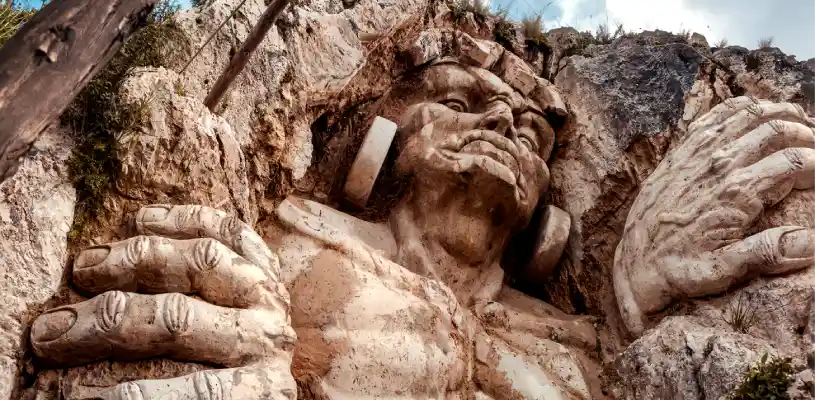
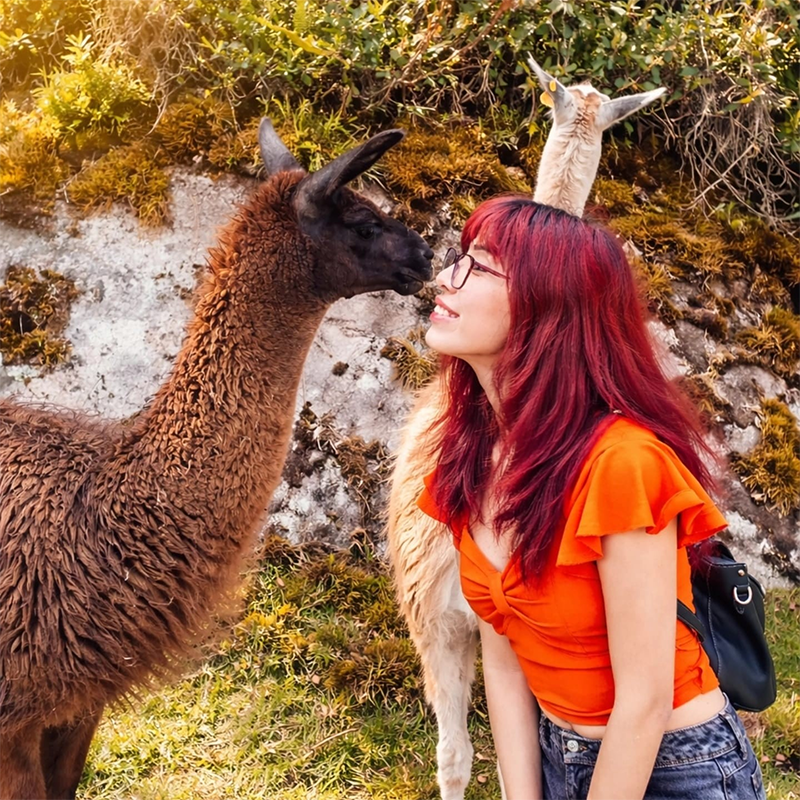
Apukunaq Tianan, also known as the Abode of the Gods, became popular after photographs of its huge stone figures began circulating on social media. These monumental carvings are located near Cusco and represent figures linked to Andean mythology, mountain worship, and local identity, which also makes the visit a light cultural complement to other tourist attractions in Cusco.
This guide explains what Apukunaq Tianan is, where it is located, how to get there, what you can see, when to visit, and what to bring if you want to include it in your Cusco itinerary.
| 13 kmFrom central Cusco | 3,450 mApprox. altitude | 8:30–5:30Typical opening hours | 20–45 minDrive from Cusco |
WORLD WONDER IN THE ANDESMachu Picchu
Discover the history, landscapes, and essential tips for visiting this world wonder.
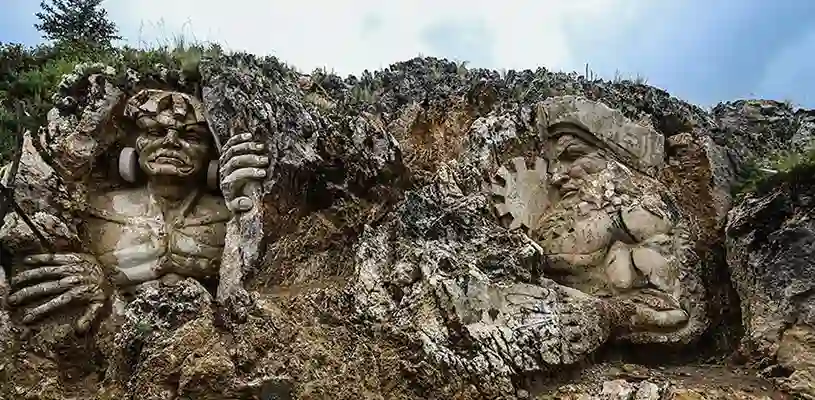
Apukunaq Tianan is not a trek, but it works well as a short cultural stop before bigger routes around Cusco. Travelers who later continue toward the Sacred Valley, the Huchuy Qosqo hike, the Lares Trek, the Inca Trail, or Machu Picchu often use it as an easy half-day visit when they want something visual, local, and less demanding than another full excursion.
Where is Apukunaq Tianan exactly?
Apukunaq Tianan is located near the Tica Tica Arc, in the Huayna Corcor area of Sencca, district of Poroy, northwest of the historic center of Cusco. Most local references place it around 13 km from the Plaza de Armas, although travel time can vary depending on traffic, transport type, and the access route.
Altitude:
Apukunaq Tianan is usually listed at around 3,450 m (11,319 ft) above sea level. Some visitor references place the wider sector closer to 3,850 m, so it is better to treat the visit as a high-altitude Cusco activity, especially if you have just arrived in the city. If you are still adapting to the altitude, review our acclimatization in Cusco guide before planning several activities on the same day.
Apukunaq Tianan origin
Apukunaq Tianan comes from a Cusquenian artistic project that seeks to portray Andean deities, symbols, and mythological figures through large stone sculptures. The Abode of the Gods shows figures related to Pachamama, water, the cosmos, protective beings, runa or humankind, and other elements of the Andean worldview.
During the work, some traditional rituals were performed as gestures of respect toward the deities and the surrounding landscape. It is important to understand the place as a modern cultural and artistic space inspired by Andean spirituality, rather than as an ancient Inca archaeological site.
Other Guides That Help You Plan Around Cusco
Legends and myths of the Abode of the Gods
When people arrive at the Abode of the Gods, they are often struck by the size of the sculptures and by the fact that many of them were carved by hand directly into stone. The site has grown not only because of its views and sculptures, but also because of the stories that surround the project.
Some local stories mention mukis or small mythical beings associated with the earth and underground worlds. According to these accounts, the place still carries unfinished symbolic work, as if the landscape itself continued asking to be represented. These legends should be read as part of the living imagination of the Andes, not as fixed historical facts. For more context on Andean symbols, you can also read our guide to the Chakana or Andean Cross.
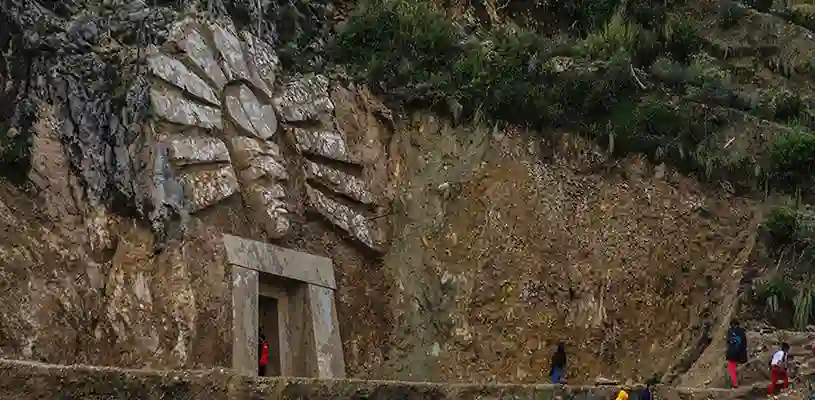
Why should you visit Apukunaq Tianan?
Apukunaq Tianan is a good option if you want a short visit near Cusco with open landscapes, large-scale stone sculptures, and a different view of the city’s contemporary cultural scene. From the upper area, you can observe the surrounding mountains, rural sectors, and the high-Andean light that changes throughout the day.
It is especially useful for travelers who have limited time in Cusco and want an easy half-day plan before or after larger trips such as the Sacred Valley, the Huchuy Qosqo hike, or Machu Picchu.
What can you find in the Abode of the Gods?
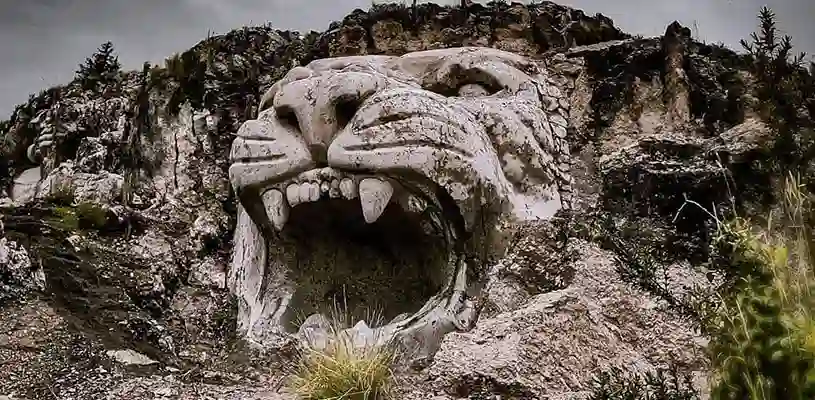
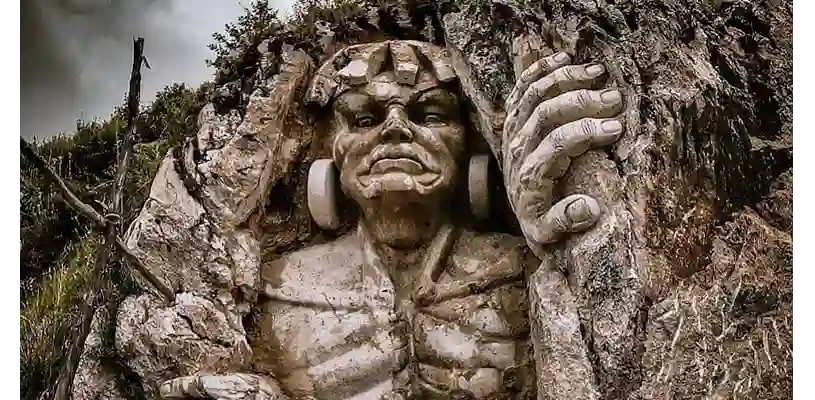
You will find monumental stone sculptures inspired by Andean deities, sacred animals, and mythological figures. The exact layout may change over time because the project continues to evolve, but visitors commonly look for figures that connect naturally with broader Andean symbols, similar to those explained in our Chakana or Andean Cross guide:
- The puma sculpture, linked to Andean symbolism and the earthly world.
- A three-dimensional door used by many visitors for photographs.
- The Apu Guardian and other figures related to the protective mountains.
- Viewpoints toward the rural landscape around Poroy and Cusco.
What method was used to build these stone sculptures?
Since Inca times, Andean communities have practiced forms of collective work that support families and local groups. One of these principles is called ayni, often understood as reciprocity: today for you, tomorrow for me.
In the case of Apukunaq Tianan, the idea of collective effort and local participation helps explain why the project is presented not only as a group of sculptures, but also as an expression of Cusco identity. Ayni refers to mutual help among people in Andean communities. Other forms of collective work include faena, or public work days organized by community leaders, and mita, a rotation-based system of service known from Andean history.
What is the best season to visit Apukunaq Tianan?
The best season to visit Apukunaq Tianan is usually the dry season, from May to October, because there is less rain, the dirt access roads are easier, and the views are clearer. This is the same general window many travelers use for short Cusco day trips and highland routes such as Rainbow Mountain. That said, the place can be visited year-round if you check the weather and avoid going during heavy rain.
The dry season: From May to October
The weather during this period is predominantly dry, especially in June, July, and August. Days are usually bright and sunny, while mornings and nights can be cold. This is the easiest season for photos, viewpoints, and short walks around the sculptures.
The rainy season: From November to April
During this time, Cusco receives more rainfall. The landscape can look greener, but the road and walking areas may become muddy or slippery. If you visit during these months, bring a waterproof jacket or rain poncho and check the daily forecast. For broader planning, see our Cusco weather by month guide.
How to get to the Abode of the Gods?
Getting to Apukunaq Tianan is not difficult, but the best option depends on your comfort level, time, and whether you prefer to travel independently or with organized transport.
| Option | How it works | Best for |
| Public transport | Take a bus toward Tica Tica / Sencca and continue by walking or local transport. | Budget travelers with time and basic Spanish. |
| Taxi or private transport | Leave from central Cusco and ask the driver to wait or coordinate return transport. | Travelers who want a simple half-day visit. |
| Organized tour | Includes transport and, depending on the operator, guide service or ATV activity. | Visitors who prefer logistics handled in advance. |
If you use public transport, one common route is to take local buses toward the Tica Tica / Sencca area and continue from the final stop. From there, you can walk or take local private transport depending on availability. If you prefer not to worry about return logistics, a taxi or organized tour is more practical. If you are combining this short stop with later train logistics, review how to get to Machu Picchu before fixing your full itinerary.
Inkayni tips before visiting
- Wear a hat and sunscreen; the sun can feel strong at this altitude.
- Bring your passport or any personal ID.
- Carry cash in soles for entrance fees, local transport, snacks, or small purchases; for a more local food reference, you can also read about pachamanca, one of the best-known traditional Andean dishes.
- Drink water and avoid scheduling too many high-altitude activities on your first day in Cusco.
- Bring light snacks such as dried fruit, peanuts, almonds, or raisins.
- Use comfortable shoes with good grip, especially during the rainy season.
- Bring a waterproof jacket or rain poncho from November to April.
- Take a camera or charged phone, but respect the sculptures and avoid climbing on fragile areas.
Final advice before visiting Apukunaq Tianan
Apukunaq Tianan is worth visiting if you want a short, visual, and culturally inspired stop near Cusco. It is easy to fit into a half-day plan, but it still sits at altitude and is exposed to sun, wind, and rain. Go with realistic expectations: this is a contemporary artistic complex inspired by Andean spirituality, not an ancient Inca ruin.
If you want to include it in a broader Cusco itinerary, check weather, carry cash, and choose transport that fits your schedule. With a little planning, the Abode of the Gods can become a calm and memorable stop before continuing toward the Sacred Valley or Machu Picchu or another short Cusco-based experience.
WORLD WONDER IN THE ANDESMachu Picchu
Discover the history, landscapes, and essential tips for visiting this world wonder.