


Choquequirao vs Machu Picchu
Machu Picchu is better for most first-time travelers because it is easier to reach, fits shorter itineraries and delivers Peru’s most iconic Inca experience. Choquequirao is better for hikers who want fewer crowds, a harder trek and a quieter archaeological site. In simple terms, choose Machu Picchu for comfort and limited time, and Choquequirao for remoteness and physical challenge.
Table of Contents
Peru has many archaeological sites, but few comparisons are as useful for travelers as Choquequirao vs Machu Picchu. Both belong to the Inca world and both sit in dramatic mountain landscapes, but they answer very different travel needs.
| Quick decision | Machu Picchu | Choquequirao |
| Best if you want | The iconic Inca sanctuary with easier access. | A remote archaeological trek with far fewer visitors. |
| Time needed | 1 full day is possible; 2 days is more comfortable. | Usually 4 or 5 days for the classic round trip. |
| Access style | Train and bus are the standard comfortable route. | Walking is normally required; there is no direct train, bus or road to the ruins. |
| Main planning issue | Tickets, circuits, trains and entry times. | Fitness, camps, transport, weather and trail logistics. |
Machu Picchu is the famous, structured and easier-to-reach sanctuary. Choquequirao is the remote, demanding and quieter alternative. The right choice is not about which site is “better” in general; it depends on your time, fitness, budget and travel style.
Choose Machu Picchu if…
- You want Peru’s most iconic Inca site.
- You have limited time or mixed fitness levels.
- You prefer train, bus, hotel and guide infrastructure.
- You can plan tickets and circuits in advance.
Choose Choquequirao if…
- You want solitude and a stronger expedition feeling.
- You are ready for a demanding multi-day trek.
- You prefer remote ruins over comfort.
- You do not want the trip to depend on Machu Picchu ticket availability.

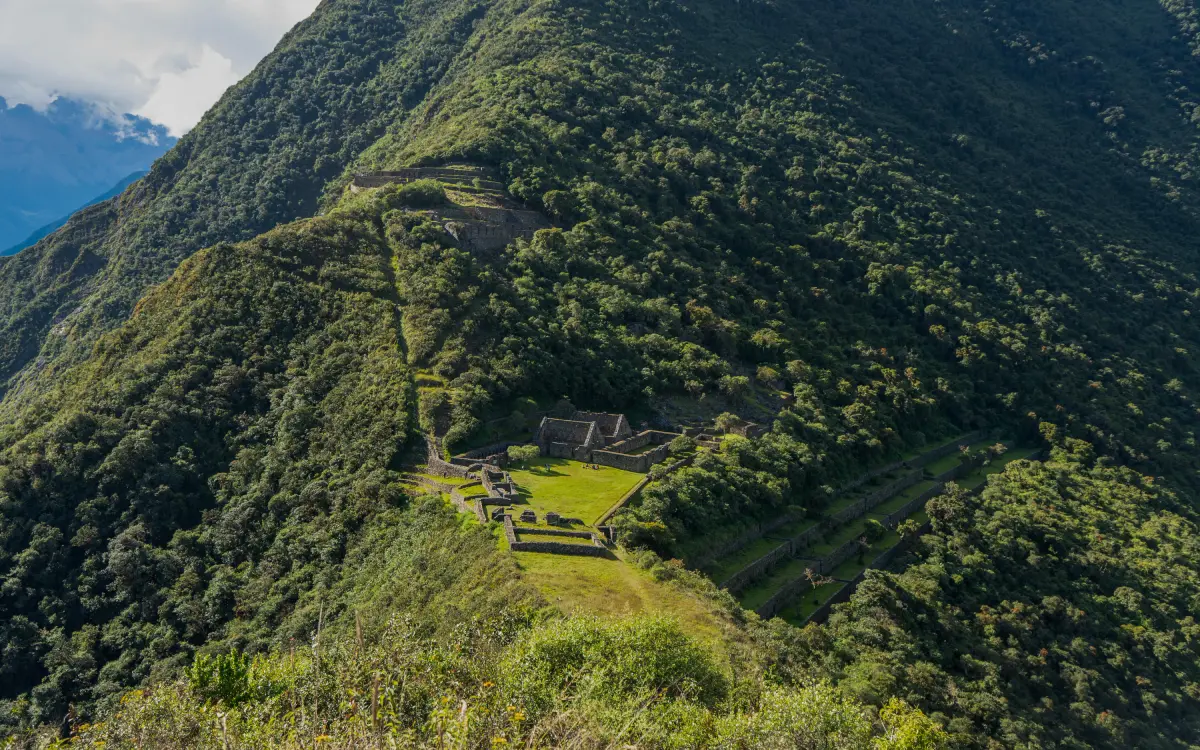
Choquequirao sits on a remote mountain ridge above the Apurímac Canyon.
WORLD WONDER IN THE ANDESMachu Picchu
Discover the history, landscapes, and essential tips for visiting this world wonder.
Choquequirao vs Machu Picchu: Main Comparison
| Decision point | Machu Picchu | Choquequirao |
| Main experience | Peru’s most iconic Inca sanctuary, easier to reach and highly structured. | A remote Inca site reached through a demanding canyon trek. |
| Typical time needed | 1 full day is possible; 2 days is more comfortable. | Usually 4 or 5 days for the classic round trip. |
| Access | Train to Aguas Calientes, then bus or walk to the entrance. Trekking is optional. | No train, bus or direct road to the ruins. Trekking is normally required. |
| Physical effort | Low to moderate by train and bus; high only if you choose a trek. | High by default because the visit depends on a multi-day hike. |
| Booking pressure | Higher. Tickets, circuits, trains and entry times should be planned in advance. | Lower ticket pressure, but more planning for transport, camps and trail conditions. |
| Visitor flow | Busier and more regulated, especially in high season. | Much quieter, with fewer visitors and a stronger expedition feeling. |
| Infrastructure | Stronger: trains, buses, hotels, restaurants, guides and official circuits. | More basic: camps, mule support, local logistics and fewer services. |
| Best season logic | Can be visited year-round, though dry season usually gives better visibility. | Best in drier months; heavy rain makes the canyon route more difficult. |
| Cost logic | Can be moderate or expensive depending on train, hotel, guide and ticket type. | Often good trekking value, but the real cost is time, effort and logistics. |
| Best for | First-time Peru travelers, families, limited-time visitors and travelers who want the classic image. | Fit hikers, repeat Peru travelers and people who want solitude, effort and remote archaeology. |
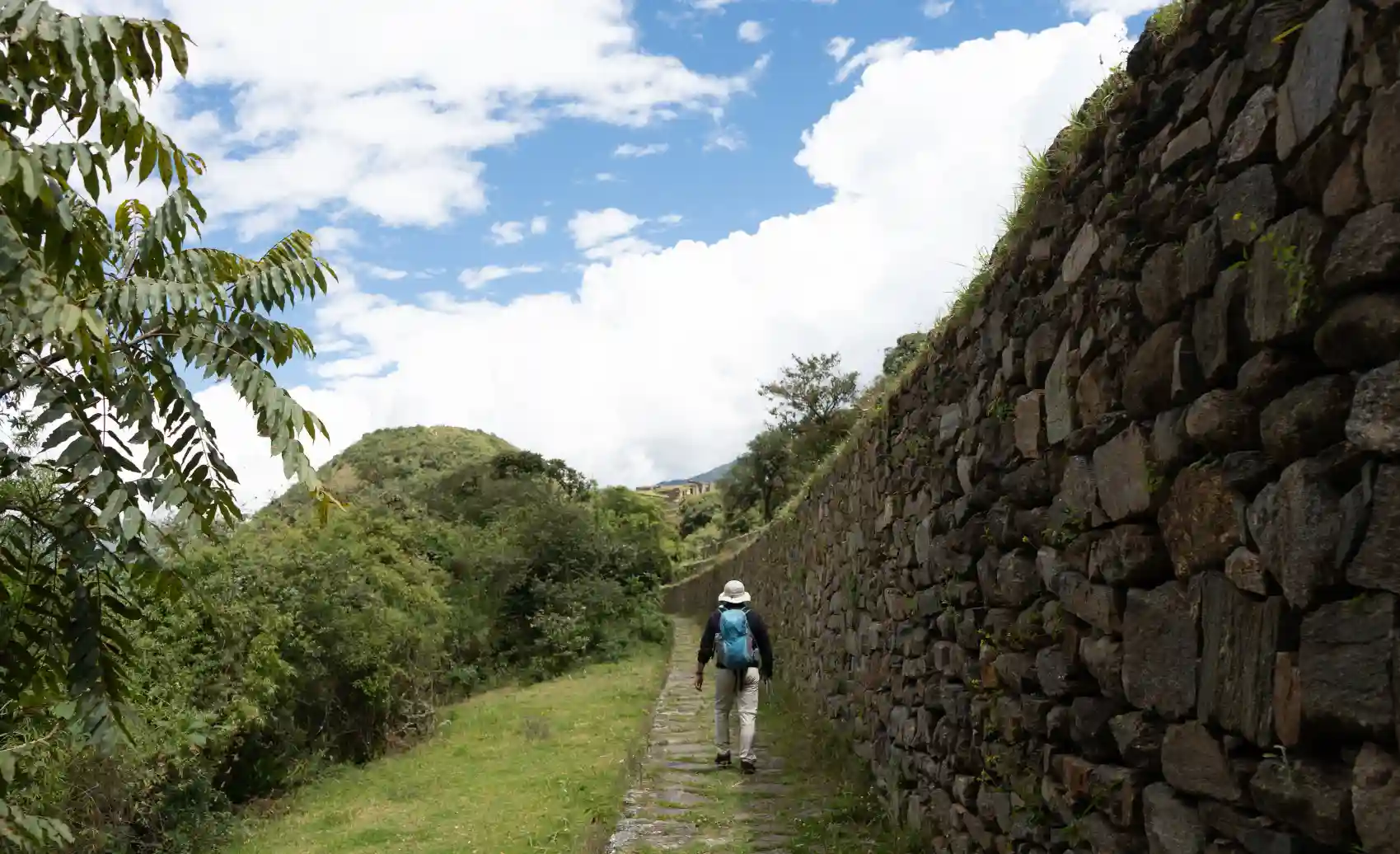
Traveler walking the entrance path to Choquequirao and its terraces.
1. Which Site Is More Impressive?
Both sites are impressive, but they impress in different ways. Machu Picchu wins for the classic first view, preservation and global recognition. Choquequirao wins for silence, scale, remoteness and the feeling of reaching a site that still feels partly unfinished.
Choquequirao
Choquequirao does not overwhelm through fame. Its impact grows through isolation, effort and landscape. The site spreads across a mountain ridge above the Apurímac Canyon, with terraces, plazas, ritual spaces, residential areas and sectors still partly covered by vegetation.
A safer way to explain the excavation issue is this: many references describe the visible or restored area as only a portion of the broader complex, often around 30% to 40%. Avoid presenting that number as a fixed scientific fact. The useful idea is that Choquequirao remains only partially excavated, restored and interpreted.
Machu Picchu
- Machu Picchu gives most travelers the stronger first impression. Its terraces, temples, mountain backdrop and classic viewpoint create one of the most recognizable images in South America. It also has a more complete visitor system, with official circuits that shape what each ticket allows you to see.
- That structure is both a strength and a limitation. Machu Picchu is easier to experience, but the visit is more controlled. Choquequirao gives more silence and physical immersion; Machu Picchu gives stronger visual certainty and a globally iconic arrival.
| Visual question | Better answer | Why |
| Most iconic photo | Machu Picchu | The classic viewpoint is internationally recognized and easier to reach. |
| Most remote atmosphere | Choquequirao | The journey, canyon and low visitor numbers make it feel more isolated. |
| Best first-time Peru symbol | Machu Picchu | It combines fame, access, preservation and cultural recognition. |
| Strongest expedition-style arrival | Choquequirao | You must earn the site through a demanding trek. |
Keep this in mind:
Do not choose Choquequirao because it is “better than Machu Picchu.” Choose it because you want a different reward: fewer people, harder access and a stronger feeling of discovery.
Plan the Machu Picchu side first
2. What Will You Actually See?
The practical question is not only “which site is bigger?” or “which one is more famous?” It is what you actually see when you arrive.
| What you see | Choquequirao | Machu Picchu |
| Main spaces | Main plaza, terraces, Ushnu, ceremonial areas, residential sectors and partially restored zones. | Temples, terraces, urban sectors, ceremonial areas, viewpoints and circuit-specific routes. |
| Signature feature | The Llama Terraces / Sun Llamas in Sector VIII. | The classic panoramic viewpoint with Huayna Picchu behind the citadel. |
| Landscape | Apurímac Canyon, dry slopes, cloud forest influence and broad mountain silence. | Cloud forest mountains, Urubamba River canyon and iconic green peaks. |
| Visit rhythm | Slower and more open, but limited by the trek schedule. | More controlled because tickets, circuits and entry times shape the visit. |
| Best content match | Choquequirao ruins | Machu Picchu circuits |
3. Which Experience Is More Physically Demanding?
Choquequirao is harder by default because the destination normally requires a multi-day trek. Machu Picchu is different: it can be an easy cultural visit by train and bus, or a demanding trek if you choose the Inca Trail, Salkantay or another hiking route.
Choquequirao
The hardest part of Choquequirao is not extreme altitude. It is the repeated canyon effort: long descent, heat, steep climb, tired legs and the return route. In 4 days it feels compact and intense; in 5 days the rhythm is more reasonable.
| Choquequirao factor | Practical meaning |
| About 38.5-39.7 mi / 62-64 km round trip | Long enough to create cumulative fatigue. |
| Usually 4 or 5 days | 4 days is intense; 5 days gives better pacing. |
| Site altitude around 9,950-10,000 ft / 3,030-3,050 m | Lower than high Andean passes, but still high enough to matter. |
| Deep canyon descent and return climb | Harder on knees, quads and endurance than on pure altitude tolerance. |
Machu Picchu
Machu Picchu does not require trekking unless you choose a trekking route. A train-and-bus visit is much easier than Choquequirao. The Classic Inca Trail, Salkantay Trek or Short Inca Trail change the experience completely.
| Machu Picchu access option | Physical effort | Best for |
| Train + bus | Low to moderate. | Most first-time travelers, families and short itineraries. |
| Short Inca Trail | Moderate. | Travelers who want hiking and Sun Gate arrival without 4 days of trekking. |
| Classic Inca Trail | Moderate to high. | Travelers who want Inca sites throughout the route and can secure permits. |
| Salkantay Trek | High. | Trekkers who want a mountain route to Machu Picchu. |
Important:
Do not compare Choquequirao with a normal Machu Picchu train visit as if both required the same effort. Choquequirao is a trek-first destination. Machu Picchu can be easy or demanding depending on how you arrive.
If Machu Picchu is the goal, choose the right route
PERU’S LEGENDARY HIKEInca Trail to Machu Picchu
Follow the historic trail through mountain passes, Inca sites, and cloud forest paths to Machu Picchu.
4. Which Place Is More Exclusive and Less Touristy?
Choquequirao: quiet, remote and still demanding
- Choquequirao is the clear winner if your main priority is solitude. It receives only a tiny fraction of Machu Picchu’s visitor flow, and the reason is simple: you cannot arrive by train or bus. The difficulty of access filters the experience.
- That exclusivity also means fewer services. Do not expect the same level of infrastructure as Aguas Calientes or Machu Picchu. Choquequirao feels special because it is harder, quieter and more basic.
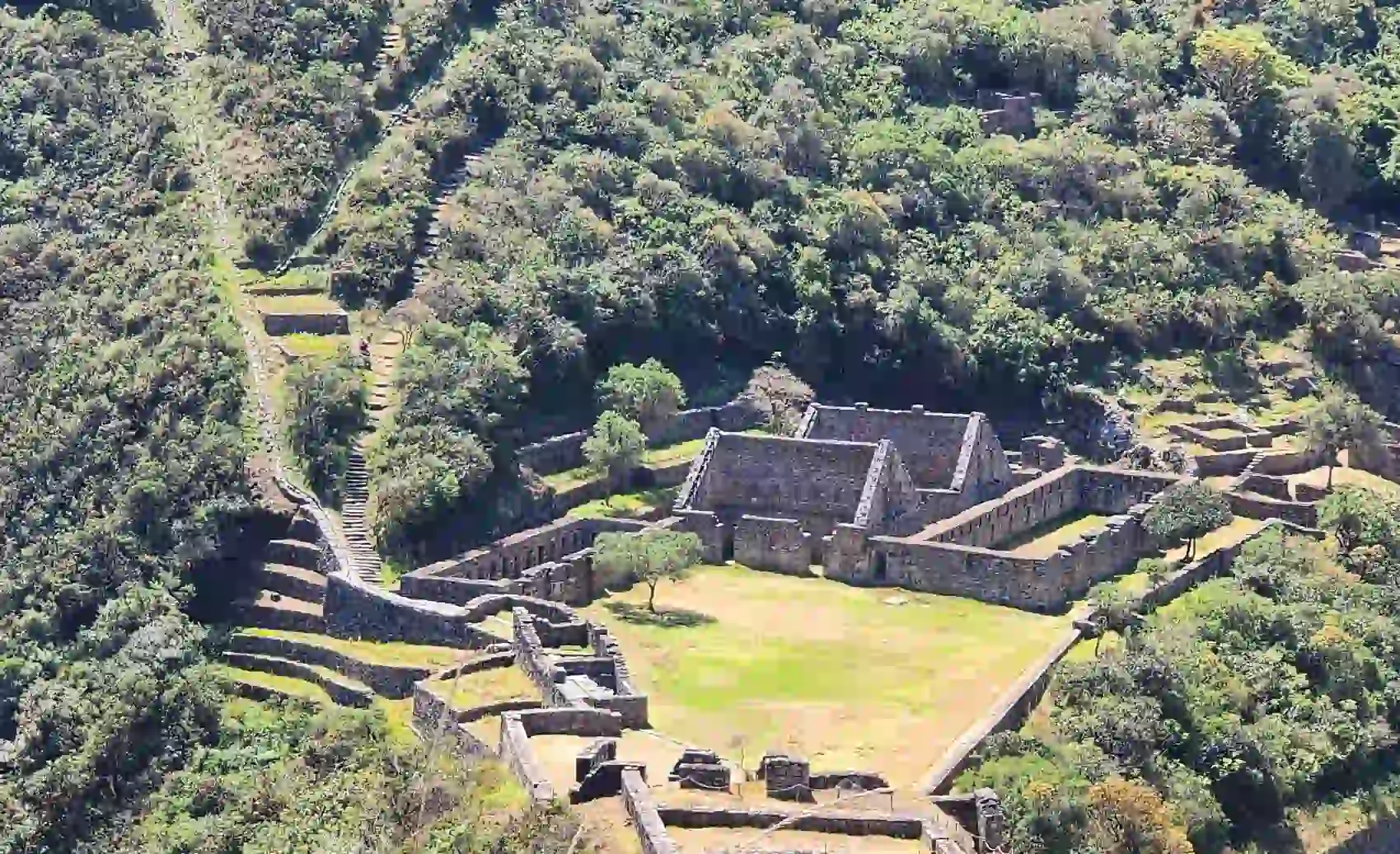
Panoramic view of Choquequirao’s main plaza.
Machu Picchu: iconic, busy and carefully managed
- Machu Picchu receives heavy demand because it is Peru’s most famous destination. Timed tickets, circuits and entry rules are part of how the sanctuary manages crowds. That does not make it less valuable, but it does make the experience less intimate.
- If you want the classic Peru image, Machu Picchu is hard to replace. If you want silence and fewer people, Choquequirao fits better.
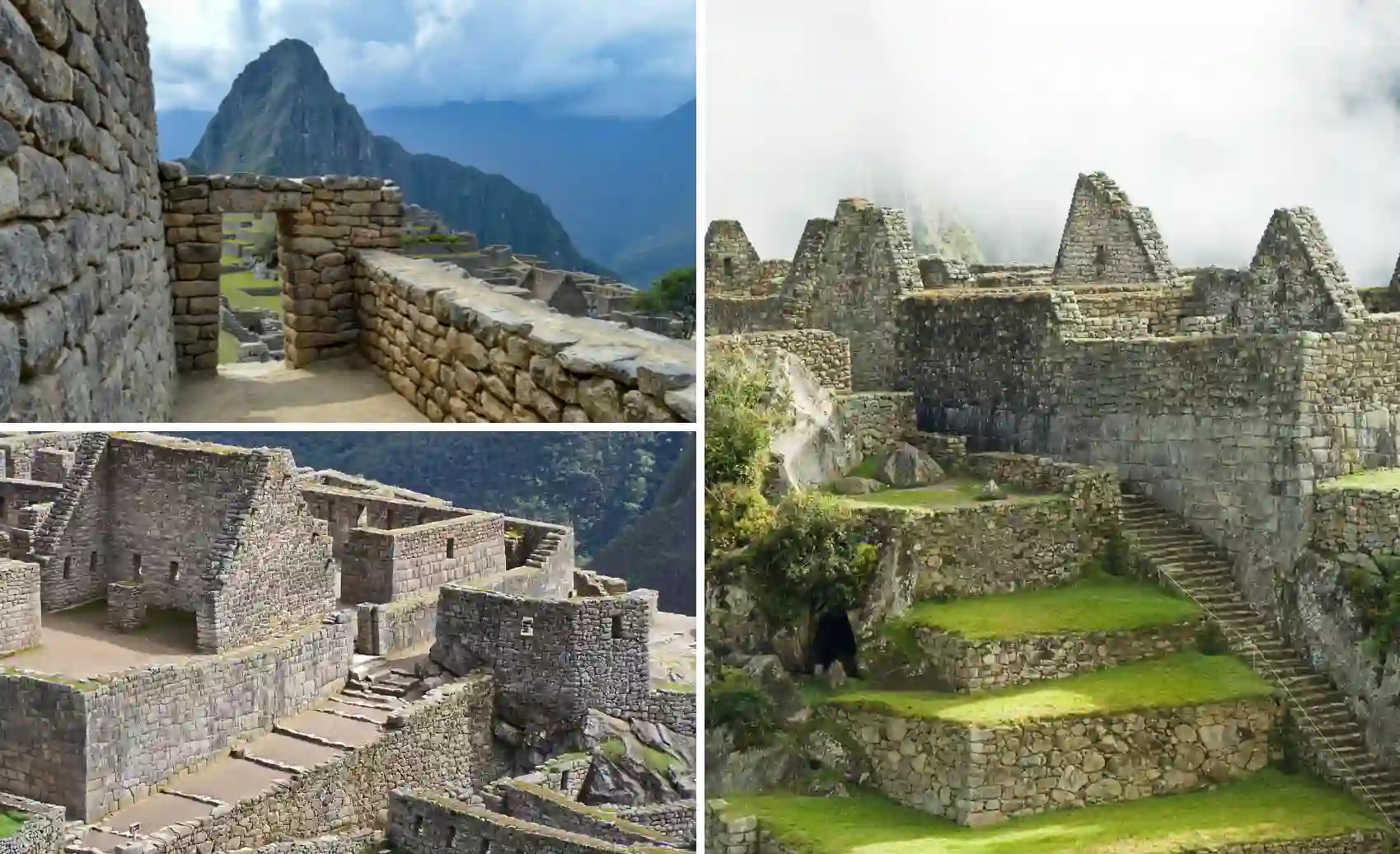
Sections of Machu Picchu with terraces and stone houses.
5. Accessibility: Which Is Easier to Visit?
- Machu Picchu is much easier to visit. Most travelers take a train to Aguas Calientes and then a bus to the entrance. Walking from Aguas Calientes is possible, but the bus is the standard comfortable option.
- Choquequirao is the opposite. Current access still depends on walking. The classic route usually begins around the Capuliyoc / Cachora access area, then descends and climbs through the Apurímac Canyon; the full logistics are clearer in how to get to Choquequirao. That means time, fitness, food, camps, mule support or careful independent logistics.
| Access factor | Machu Picchu | Choquequirao |
| Direct road from Cusco | No direct road to the entrance, but train + bus access is well established. | No direct road to the archaeological site. |
| Train option | Yes, to Aguas Calientes / Machu Picchu Pueblo. | No. |
| Bus option | Yes, from Aguas Calientes to the entrance. | No bus to the ruins. |
| Trekking required | No, unless you choose a trekking route. | Yes, normally 4 or 5 days round trip. |
| Best planning base | Cusco, Sacred Valley, Ollantaytambo or Aguas Calientes. | Cusco plus Capuliyoc / Cachora route logistics. |
| Future access note | The current visit already has a mature transport system. | A cable car project exists, but it is not a current visitor access option. |
Solve the Choquequirao logistics before choosing it
LOST CITADEL TREKChoquequirao Trek
Hike to one of Peru’s most impressive and least crowded Inca archaeological sites.
6. Cost: Which One Is More Expensive?
A basic Machu Picchu visit can cost less than a guided Choquequirao trek. But Machu Picchu becomes expensive when you add round-trip trains, bus tickets, a guide, hotel night, better train categories or mountain tickets. Choquequirao can offer strong trekking value, but it costs more in time, effort and logistics.
| Travel style | Machu Picchu | Choquequirao |
| Basic independent trip | Often possible at lower cost if you manage train, bus and ticket carefully. | Possible only for experienced hikers who can manage food, camping, route safety and transport. |
| Standard guided option | Usually rises with train category, guide, ticket type and starting point. | Often good value per trekking day because it includes transport, meals, camps, guide and mule support. |
| Comfort-focused trip | Can become expensive quickly with hotels, premium trains or private guiding. | Comfort is limited; better service usually means private support, better camps and extra logistics. |
| Best value if… | You want the most iconic site with less physical effort and fewer days. | You want several days of trekking, solitude and a remote archaeological reward. |
Pro tip:
Choose Machu Picchu if time and comfort matter more. Choose Choquequirao if you want more trekking value per day and accept that the real cost is effort, logistics and time.
7. Tickets, Permits and Visitor Rules
Machu Picchu requires more ticket planning. You must choose an official ticket, entry time and route or circuit. Popular routes can sell out, especially in high season.
Choquequirao is more flexible, but not “no planning.” The entrance system is simpler than Machu Picchu’s, but the route itself requires serious organization: weather, campsites, transport, food, mule support and return timing.
| Rule or ticket issue | Machu Picchu | Choquequirao |
| Timed entry | Yes. Entry times and circuits matter. | Not comparable to Machu Picchu’s timed circuit system. |
| Advance booking | Strongly recommended for popular dates, circuits and trains. | Recommended for agencies, dry-season departures and logistics. |
| Guide | Common and useful for understanding circuits, history and route limits. | Not always legally mandatory, but strongly recommended for most travelers. |
| Independent travel | Possible by train and bus if tickets are secured. | Possible for experienced hikers, but demanding and remote. |
| Official ticket site | Tu Boleto | Usually paid on route or included by an operator. |
8. History and Cultural Significance
Machu Picchu
Machu Picchu is usually linked to the 15th century and the period of Pachacútec. Many interpretations describe it as a royal, ceremonial and administrative center rather than a normal city. Its preservation, architecture and location helped turn it into Peru’s strongest archaeological symbol.
It is important to avoid saying it was simply “discovered” in 1911 as if nobody knew it existed. Local knowledge existed before Hiram Bingham brought the site to international attention. Today, Machu Picchu is a UNESCO World Heritage Site and one of the most visited cultural destinations in South America.
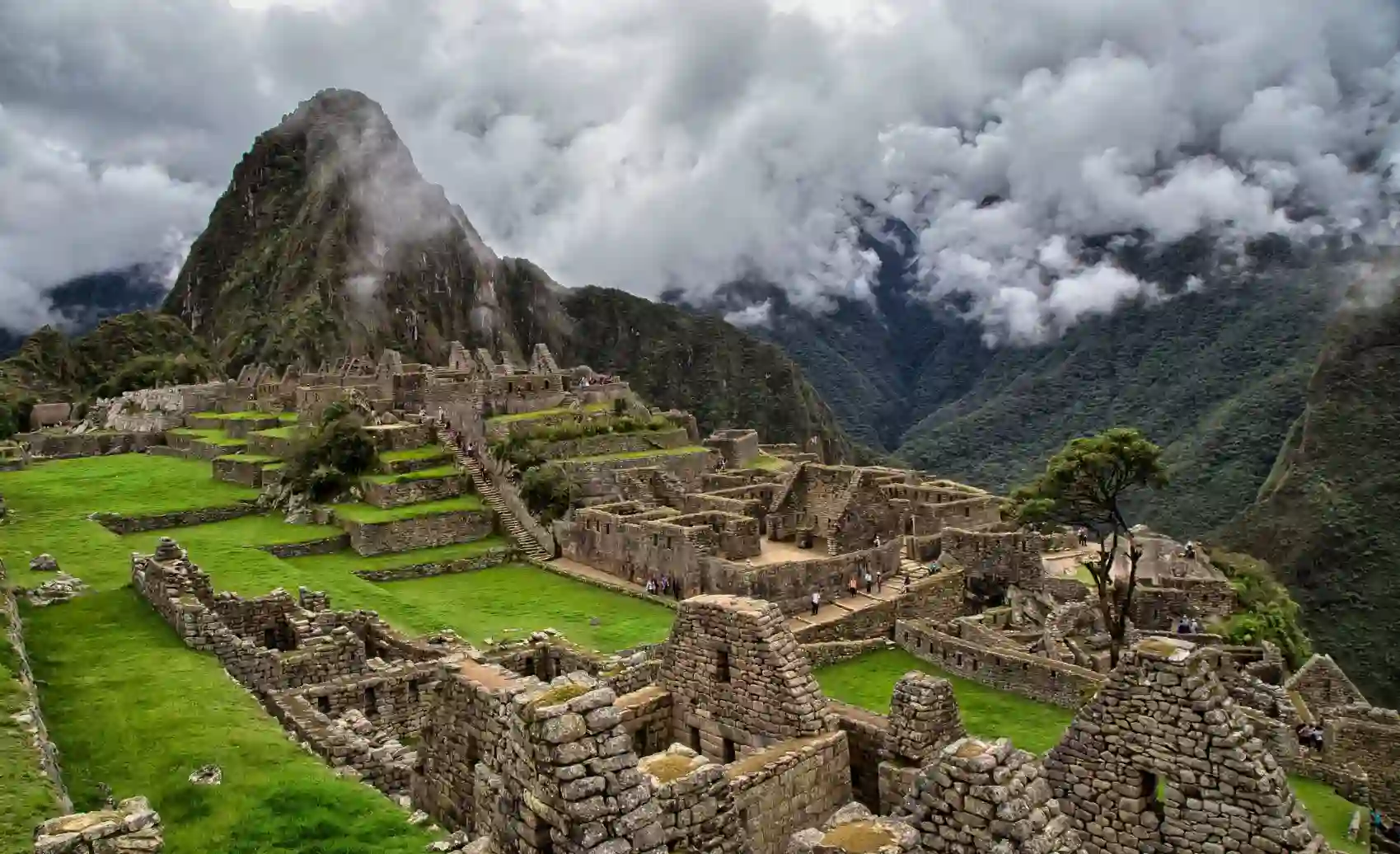
Panoramic view of Machu Picchu’s lower sector.
Choquequirao
Choquequirao is often connected with the Vilcabamba region and the difficult period of Inca resistance after the Spanish invasion. That connection should be handled with care: Vilcabamba la Grande was the final Inca capital, while Choquequirao belongs to the wider strategic and cultural landscape of that world.
Its value comes from the combination of ceremonial spaces, terraces, mountain position, agricultural planning and unfinished archaeological interpretation. It feels less like a fully packaged monument and more like a site still being recovered.
9. Best Time to Visit Choquequirao vs Machu Picchu
Both destinations are usually easier in the dry season, especially from May to September. April and October can also work well. The key difference is access: Machu Picchu can be visited year-round by train and bus, while Choquequirao becomes much more demanding when rain affects steep canyon trails; compare Machu Picchu weather with the best time to visit Choquequirao before choosing.
| Season | Machu Picchu | Choquequirao |
| May to September | Best visibility, but also high demand and more crowds. | Best window for trekking, drier trails and safer canyon conditions. |
| April and October | Often a good balance of weather and demand. | Good shoulder months, but still check conditions. |
| November to March | Rainier, but still possible if tickets, trains and conditions allow. | Higher rain risk, slippery sections and possible route disruptions. |
| February | Machu Picchu remains open, but the Classic Inca Trail closes for maintenance. | No fixed February closure, but rain can make the trek a poor choice. |
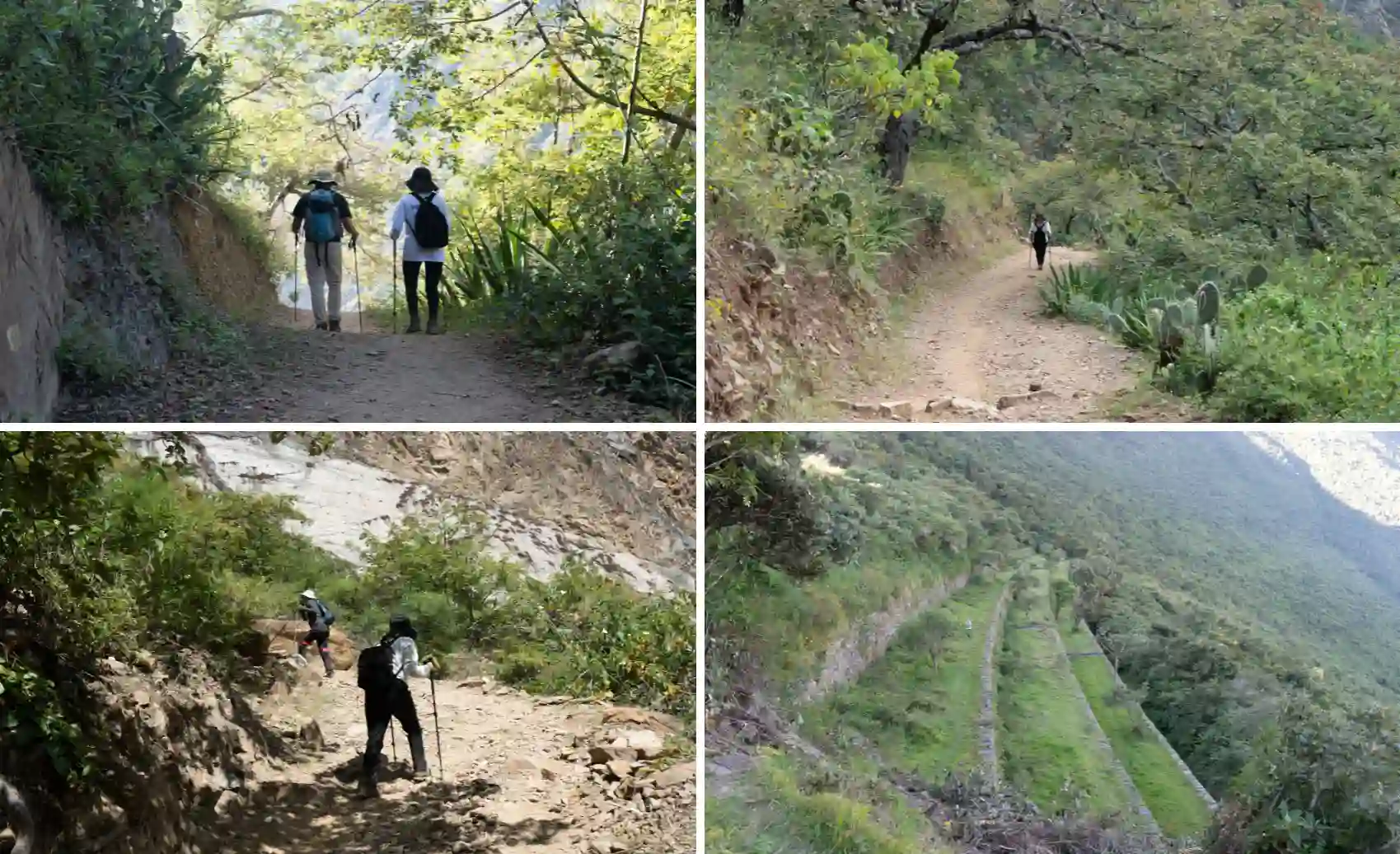
Dry, solid trails and stable weather are the main advantages of Choquequirao in the dry season.
10. Which Destination Fits Your Traveler Type?
| Traveler type | Better choice | Reason |
| First trip to Peru | Machu Picchu | It is the most iconic and easier to include in a classic itinerary. |
| Strong trekker seeking solitude | Choquequirao | The route is harder, quieter and more remote. |
| Family or mixed fitness group | Machu Picchu | Train, bus and hotel logistics make the visit more manageable. |
| Traveler avoiding crowds | Choquequirao | Visitor flow remains far lower than Machu Picchu. |
| Traveler with only 1 or 2 days | Machu Picchu | Choquequirao needs several trekking days. |
| Traveler who already knows Machu Picchu | Choquequirao | It offers a deeper and less conventional Inca experience. |
| Comfort-focused traveler | Machu Picchu | Infrastructure is stronger and logistics are easier. |
| Physical challenge seeker | Choquequirao | The Apurímac Canyon makes the route demanding from the first day. |
Can You Visit Choquequirao and Machu Picchu in One Trip?
Yes. There are long trekking routes that connect Choquequirao with Machu Picchu, usually taking about 8 to 10 days depending on the itinerary, pace and operator. This is not a simple combination of two attractions; it is a serious expedition through valleys, mountain passes, rural areas and lesser-known archaeological zones.
This route is best for experienced hikers with time, strong endurance and a real interest in remote trekking. If you only want to “see both,” it may be easier to visit Machu Picchu separately and choose Choquequirao as its own trek.
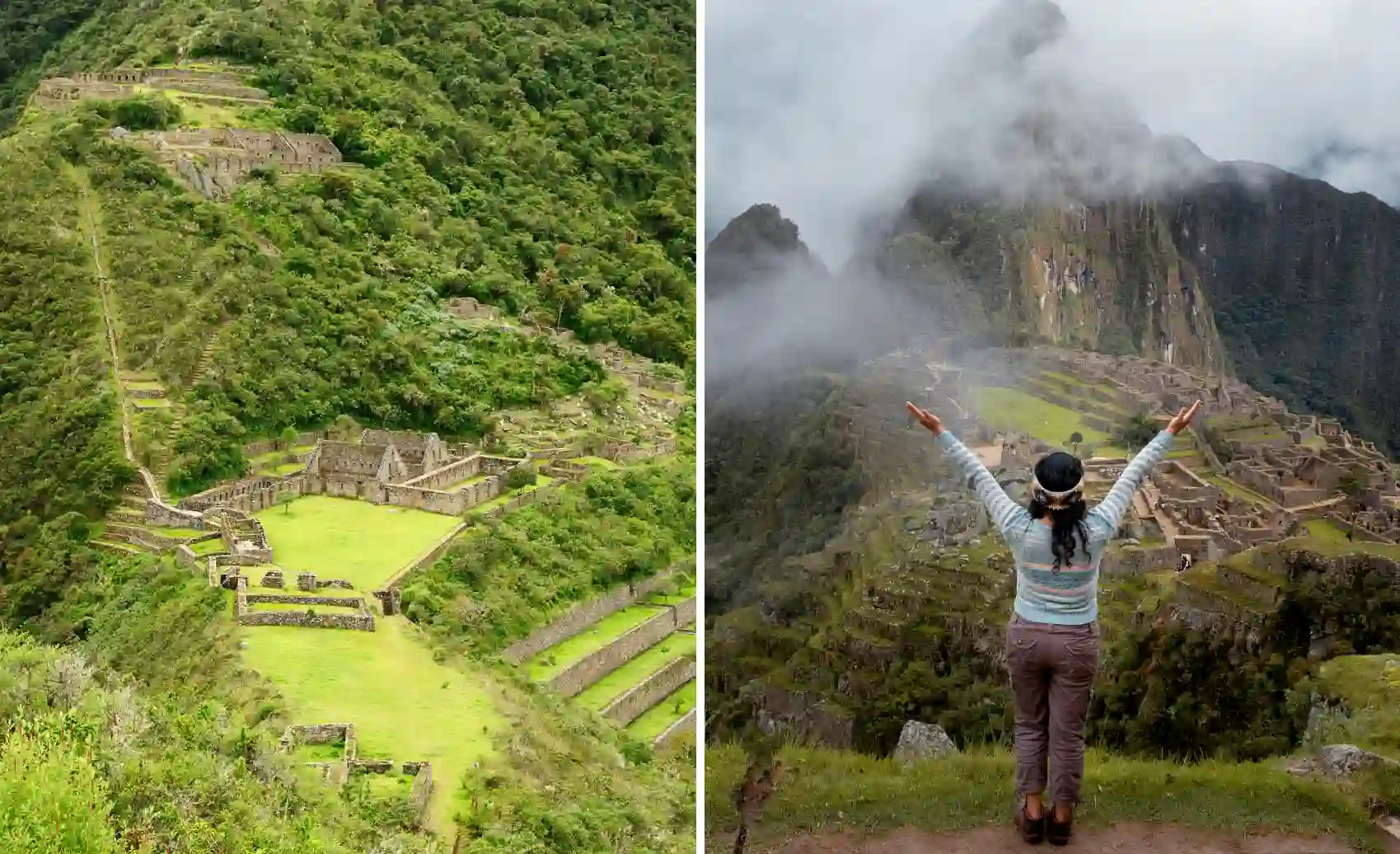
Choquequirao vs Machu Picchu in the mist.
Pick the Experience, Not Just the Name
Machu Picchu and Choquequirao are both extraordinary, but they do not serve the same traveler. Machu Picchu is the stronger choice if you want the most famous Inca sanctuary, easier access, better infrastructure and a visit that works with limited time. Choquequirao is the stronger choice if you want a demanding trek, fewer people, canyon landscapes and a remote archaeological site that still feels unfinished in the best sense.
For most first-time travelers, Machu Picchu is the safer starting point. Choose train and bus for comfort, or the Short Inca Trail if you want a lighter hiking arrival. Choose Choquequirao when the journey itself matters as much as the ruins, and when you are ready for the harder, quieter and more remote side of the Andes.
Frequently Asked Questions About Choquequirao vs Machu Picchu
Is Choquequirao better than Machu Picchu?
Which is harder to visit, Choquequirao or Machu Picchu?
Can I visit Machu Picchu without trekking?
Can I visit Choquequirao without trekking?
How many days do I need for Choquequirao vs Machu Picchu?
Which is more expensive?
Do I need a guide for Choquequirao?
Do I need to buy Machu Picchu tickets in advance?
Which destination is better for families?
Which destination is better for experienced hikers?
What is the best time to visit Choquequirao?
What is the best time to visit Machu Picchu?
Is Choquequirao less crowded than Machu Picchu?
Can I visit both Choquequirao and Machu Picchu in one trip?
Where can I buy Machu Picchu tickets?
Which one should I choose if I only have one chance?
Autor

Shared:


If you liked this article and the information you found, give us 5 stars!
 (1 votos, promedio: 5.00 de 5)
 Loading...