


What a Peruvian Christmas Dinner Usually Includes
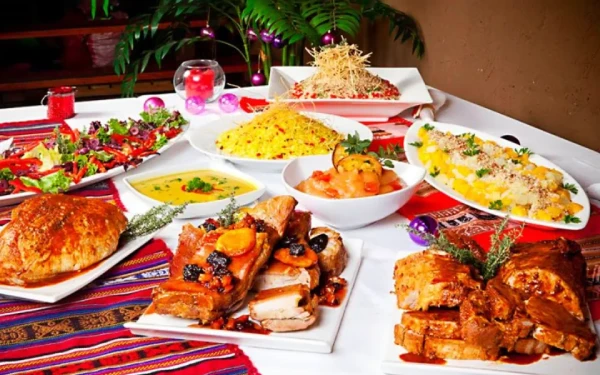
A typical Peruvian Christmas dinner centers on Christmas Eve, not Christmas Day. The typical Peruvian Christmas dinner includes roasted turkey or lechón (roast pork), Arabic rice with raisins and nuts, sweet apple and sweet potato purées, festive salads, and the almost obligatory pairing of panetón with hot chocolate. The exact menu changes by region and family, but that structure is the clearest baseline. For travelers in Cusco or Lima, the practical issue is not finding food, but booking early if you want something beyond a hotel buffet.
Table of Contents
December is high season in several cities across the country, restaurants fill up, some menus change just for Christmas, and many neighborhoods organize their own activities. If you’re planning Christmas trips to Machu Picchu during those dates, it also helps to understand what else to do in Cusco, how dinner is organized, what’s typically served, and what options you have if you’re looking for something more local than an international buffet.
The Peruvian Christmas Menu at a Glance
When it comes to Christmas food in Peru, Nochebuena revolves around an abundant table where Andean, European, and Creole influences blend together. Here are some of the dishes and preparations that most commonly appear at a typical Peruvian Christmas dinner:
| Dish | What it is | Why it matters |
| Roasted turkey or lechón | Turkey marinated with ají panca, garlic, cumin, beer, orange juice and spices, or lechón marinated with vinegar, garlic, herbs and sometimes chicha de jora. Usually stuffed with ground meat, dried fruits and soaked bread. | It’s the centerpiece of the table and Peru’s equivalent to Thanksgiving turkey, served in generous portions symbolizing abundance and celebration on Christmas Eve. |
| Christmas Arabic rice | Rice sautéed with butter or oil, golden angel hair pasta, dark raisins, pecans or walnuts, onion and sometimes a touch of soy sauce or broth, with a slightly sweet and aromatic flavor. | It’s the most typical side dish for Christmas in Peru, blending Arab and Creole influences and almost always served alongside turkey or lechón. |
| Sweet apple and sweet potato purées | Apple purée with sugar, cinnamon and sometimes white wine, and sweet potato purée with butter, sugar, cinnamon and cloves. Served warm or hot in separate dishes. | Their sweetness balances the salt and fat from the roasted meats and is a flavor strongly associated with Christmas for kids, adults and seniors alike. |
| Apple salad and Russian salad | Apple salad with carrot, celery, raisins, walnuts and mayo or yogurt. Russian salad with potato, carrot, peas, beets and mayo, sometimes with ham, apple or hard-boiled egg. | They provide freshness, crunchy texture and color, and are prepared in large platters to serve many guests without complications. |
| Christmas tamales or humitas | Corn dough wrapped in plantain or corn husks. Tamales usually have pork or chicken, olives, hard-boiled egg and pepper; sweet humitas have fresh cheese and anise. | They connect the Christmas table with traditional Andean and coastal recipes and are eaten as appetizers, pre-midnight snacks or part of the leftovers on the 25th. |
| Panetón with hot chocolate | Fluffy sweet bread with candied fruits or chocolate chips, paired with thick hot chocolate made with cocoa, milk, cinnamon, cloves and sometimes vanilla. | It’s the most iconic Christmas combination in the country, present weeks before Christmas Eve at gatherings and breakfasts. For many, there’s no Peruvian Christmas without panetón and chocolate, even in the middle of summer. |
| Toast drinks | Sparkling cider, red or white wine, local or imported sparkling wines and, in some cases, pisco sour or other light cocktails served near midnight. | They signal the formal start of the celebration, the moment for hugs, good wishes and photos next to the tree and nativity scene. |
For many travelers, Christmas in Cusco is not just about dinner. It also becomes part of a bigger Andes itinerary that may continue through the Sacred Valley, a visit to Machu Picchu, or even a trek such as the Inca Trail, the Salkantay Trek, the Lares Trek, or the shorter Huchuy Qosqo route. If that is your case, it helps to read Christmas dinner not as an isolated meal, but as part of how you organize your days in Cusco during one of the busiest moments of the year.
The Main Dishes: What Do Peruvians Eat at Christmas Dinner?
Main Dishes
Roasted Turkey
Roasted turkey has become the centerpiece of Christmas food in Peru, though the tradition gained popularity with the growth of Peru’s modern poultry industry throughout the 20th century. What makes turkey in Peru unique is the seasoning: ají amarillo (a bright yellow pepper with moderate heat) and ají panca (a smoky, mild Peruvian pepper paste) give it a distinctively Peruvian twist. Some cooks even inject their turkeys with wine or beer to keep the meat extra juicy, a technique that elevates this holiday favorite.
Main ingredients for Peruvian turkey marinade:
- 7 tablespoons ají panca paste
- 2 tablespoons ají amarillo paste
- 2-3 tablespoons ground or blended garlic
- 1 cup dark or light beer
- 1 cup white or red wine
- 1 cup fresh orange juice
- 1/2 cup chicha de jora (optional)
- 3-4 tablespoons soy sauce
- 2 tablespoons ground cumin
- 2 tablespoons ground black pepper
- 1 tablespoon dried oregano
- 1/2 teaspoon Chinese cinnamon
- 3.5 oz melted butter
- 1/4 cup pisco (optional, for injecting)
- Salt to taste
Some cooks inject the turkey with wine, pisco or beer in the breast and thighs to keep the meat extra juicy. Preparation includes a prior brine (water with salt for 4-8 hours) so the turkey absorbs flavor down to the bones, then it’s marinated with all the ingredients for at least 3 hours or overnight before roasting.
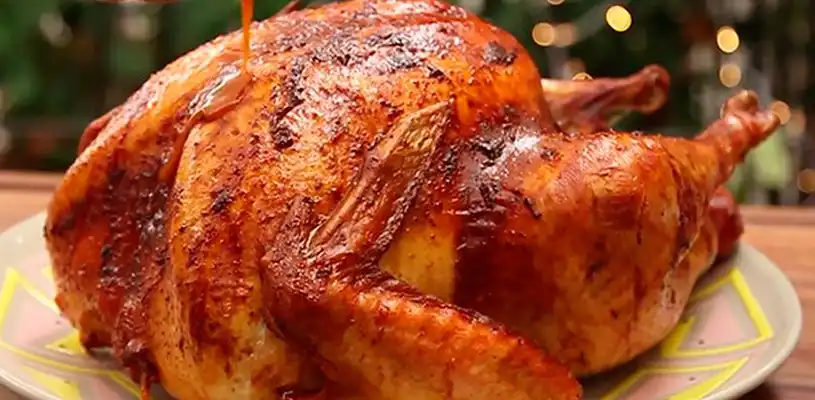
Roasted turkey is typically served with apple purée, tamales wrapped in plantain leaves, fresh salad, mashed potatoes and rice (often the special Arabic rice described below). It’s roasted at 350-400°F for 3-4 hours depending on size, basting every 30 minutes with its own juices.
Roasted Pork (Lechón or Cochinillo)
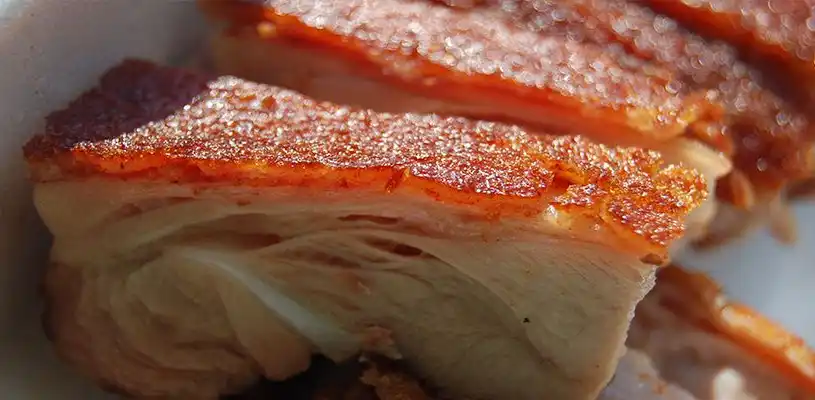
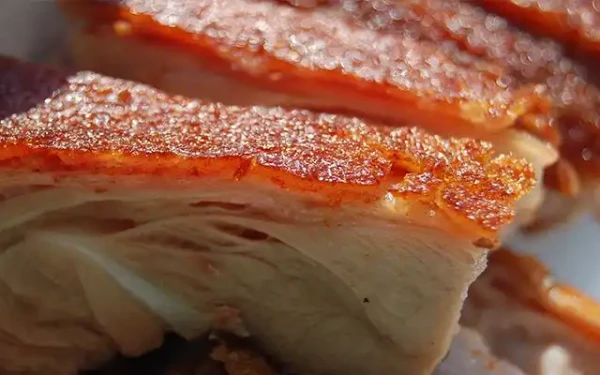
For many Peruvian families, especially in Cusco and the Andean highlands, lechón (roasted pork or suckling pig) is the star of the show among Christmas dishes in Peru. This signature dish is served with two tamales of different flavors: one sweet and one savory. The plate also includes moraya (a traditional freeze-dried white potato from the Andes) and fresh bread.
Main ingredients for Peruvian lechón marinade:
- Juice of 4-6 fresh oranges
- Juice of 2-3 lemons
- 3 tablespoons ground garlic paste
- 2 tablespoons ají panca paste
- 1 tablespoon ají amarillo or ají mirasol
- 1 tablespoon ground cumin
- 1 tablespoon ground black pepper
- 2 tablespoons powdered oregano
- 3 tablespoons soy sauce
- 1/2 cup light or dark beer
- 1/4 cup wine vinegar or white vinegar
- 1/4 cup pisco (optional)
- Ginger juice (optional)
- Lard or butter for basting
- Fresh rosemary sprigs
- Salt to taste
The pork is marinated overnight (at least 8-12 hours) with all these ingredients, some cooks inject the juice into the shoulders and legs with a syringe. Then it’s slowly roasted at 350°F for 3-4 hours, regularly basting with its juices, until the skin becomes crispy and golden.
The Side Dishes and Accompaniments
Apple Purée
Apple purée is an essential side dish for many Peruvians at Christmas, especially when served alongside roasted turkey. Add sliced and pre-washed apples to a pot with sugar, water, butter and lemon juice. Some cooks add half a glass of white wine for extra depth of flavor. Let it cook until it boils and the apples are tender, then mash with a fork to achieve a velvety, smooth texture.
Sweet Potato Purée
Sweet potato purée is another traditional side dish that’s easy to prepare. Boil the sweet potatoes with a pinch of sugar and a cinnamon stick. Once ready, mash them to create a creamy texture, then mix with more sugar and add butter. Add a bit of orange juice for brightness, and finish with chopped walnuts for texture and crunch.
Arabic Rice
This is perhaps the most iconic side dish when you ask what do Peruvians eat for Christmas. Arabic rice is prepared with jasmine rice, almonds, raisins, angel hair pasta (fine vermicelli) and broth. Cook the raw angel hair pasta in oil until golden, then add raisins, almonds and garlic for 2-3 minutes. Add the rice, mix well, then add the broth (at least 4 cups) and salt. Cover and cook for about 20 minutes. Some families add a cup of cola for a sweet, caramelized flavor that makes this dish unforgettable.

Arroz a la Jardinera
This colorful rice dish with vegetables is another popular option among Peruvian food for Christmas. It’s flavorful, simple and economical.

Christmas Salad
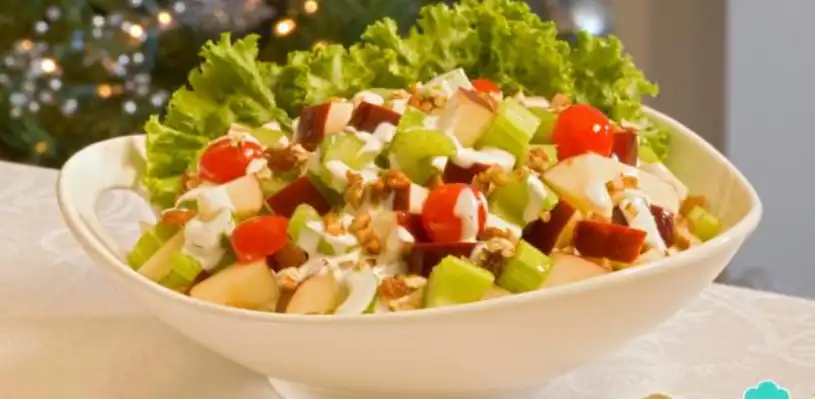
Salad provides something light, crunchy and refreshing to balance the rich roasted turkey and heavy side dishes. A popular option is a coleslaw-style salad with cabbage, pineapple, apples, raisins, walnuts and almonds combined with salad dressing and evaporated milk.
Desserts and Drinks
Panetón (Peruvian Christmas Sweet Bread)
Panetón is a sweet bread filled with raisins and candied fruits. This Italian panettone originally arrived in Peru with Italian immigrants in the early 1900s and has since become deeply rooted in Christmas traditions in Peru. Today, Peru is one of the world’s largest consumers of panetón per capita.
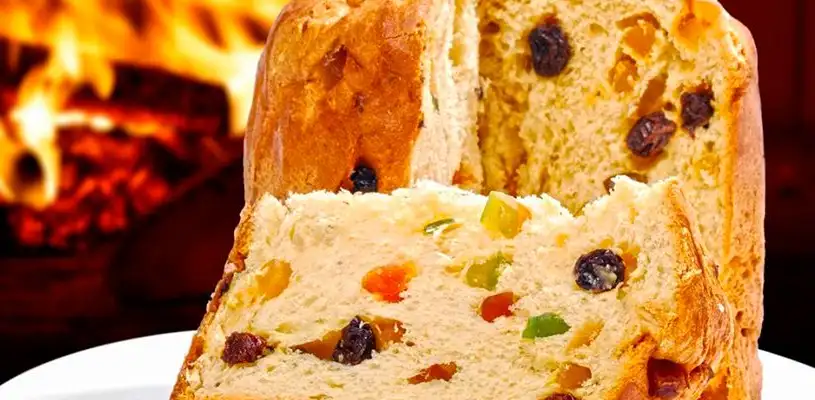
You can buy panetón in Peru year-round, but stores are absolutely packed with them in the weeks before Christmas and for at least a month after. Popular brands include Donofrio and Todinno, and you’ll find everything from classic versions to gourmet options with chocolate chips or filled with dulce de leche.
You can also find quinuatón, a healthier variation made with quinoa, reflecting Peru’s modern fusion of traditional ingredients with imported traditions.
Hot Chocolate
Hot chocolate is the classic Christmas drink in Peru, even though it’s summer in December. In Cusco, temperatures typically range from about 44°F at night to around 63°F during the day, so a hot cup of chocolate still feels perfect.

The combination of panetón with hot chocolate is iconic in Peru. In the weeks before Christmas, many communities hold chocolatadas, social gatherings where people come together to drink hot chocolate, eat panetón and often donate gifts to children from less fortunate families.
Other Festive Drinks You Might Find
- Ponche navideño: A sweet, hot Christmas punch often made with milk, egg, cinnamon, cloves and sometimes pisco for the adult version. Similar to eggnog.
- Algarrobina: A classic Peruvian pisco cocktail made with carob syrup, evaporated milk, egg yolk and pisco. It’s creamy, sweet and festive.
- Champagne and beer: Many families have champagne or sparkling wine on hand for midnight toasts, along with plenty of beer throughout the night.
Expert tip:Many upscale restaurants in Cusco (like El Tupay at Belmond Hotel Monasterio, Casa Andina Premium Cusco and other high-end hotels) typically offer special Christmas Eve dinners with traditional Christmas dishes in Peru. Always check their current holiday schedule and book well in advance.
Other Guides That Help If You Are Spending Christmas in Cusco
The Complete Peruvian Christmas Menu
So when someone asks what do Peruvians eat for Christmas, you can now explain that a traditional Christmas Eve dinner includes:
- Main dish: Roasted turkey seasoned with ají amarillo and ají panca, or lechón (roast pork).
- Rice: Arabic rice with raisins, almonds and angel hair pasta.
- Side dishes: Tamales, apple purée, sweet potato purée, mashed potatoes and arroz a la jardinera.
- Salad: Fresh Christmas salad with cabbage, fruits and nuts.
- Dessert: Panetón (sweet bread with candied fruits) and sometimes quinuatón (quinoa-based panetón).
- Drinks: Hot chocolate with cloves and cinnamon, ponche navideño, algarrobina cocktails, champagne and beer.
All of this is enjoyed at midnight on December 24th, after attending Misa de Gallo and exchanging gifts with family, with fireworks lighting up the Peruvian sky. These Christmas traditions of Peru create a unique and unforgettable Christmas experience.
Christmas Dishes in Peru by Region
One fascinating aspect of what Peruvians eat for Christmas is how the menu varies across Peru’s three distinct geographic regions. While turkey and panetón appear throughout the country, each region adds its own unique dishes to the Peru Christmas food table.
Coastal Christmas Food (Lima and the Coast)
On the Peruvian coast, especially in Lima, families often include fresh seafood as part of their Christmas in Peru food celebration. While turkey or lechón remains the main dish, you might also find:
- Ceviche: Some coastal families serve fresh ceviche as an appetizer before the main Christmas dinner, using sea bass or other fresh fish from the Pacific.
- Anticuchos: These beef heart skewers marinated in ají panca, vinegar, cumin and garlic are popular street food year-round, but also appear at Christmas gatherings in Lima and coastal cities.
- Causa Limeña: This layered dish of mashed yellow potato, avocado and seafood (often tuna or crab) sometimes appears as a cold appetizer during coastal Christmas celebrations.
- Ají de Gallina: This creamy chicken stew with ají amarillo, walnuts and cheese served over rice is a Lima classic that occasionally appears on Christmas tables as an alternative to turkey.
The Christmas customs in Peru on the coast often reflect the region’s Afro-Peruvian and Creole influences, with music and dancing continuing well past midnight on Christmas Eve.
Andean Christmas Food (Cusco, Arequipa and the Andes)
In the Andean highlands, where traditional Christmas in Peru blends indigenous and Catholic traditions, the menu leans toward heartier, earthier ingredients:
- Lechón: Roast pork is even more popular in the Andean regions than turkey, often prepared in wood-fired ovens and served with moraya (dehydrated potatoes) and traditional Andean grains.
- Pachamanca: In some rural Andean communities, families prepare pachamanca for Christmas – meats and vegetables cooked underground with hot stones, a pre-Columbian cooking method that creates incredibly tender, smoky flavors.
- Rocoto Relleno: This Arequipa specialty of spicy peppers stuffed with ground beef, cheese and vegetables sometimes appears on Andean Christmas tables.
- Chupe de Camarones: In Arequipa, this rich shrimp chowder is a festive dish that occasionally graces Christmas dinner tables.
- Cuy (Guinea Pig): Though not specifically a Christmas dish, roasted cuy is special occasion food in Cusco and the highlands, and some traditional families include it in their Christmas feast.
Important note:
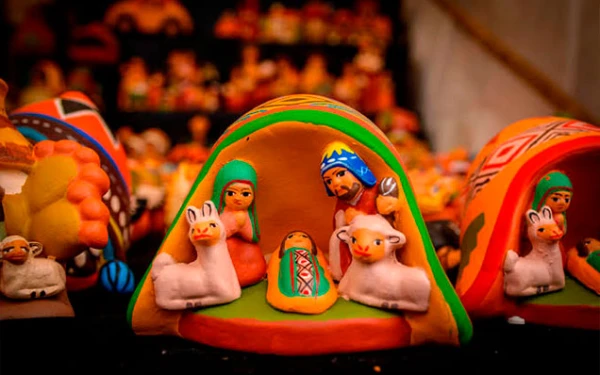
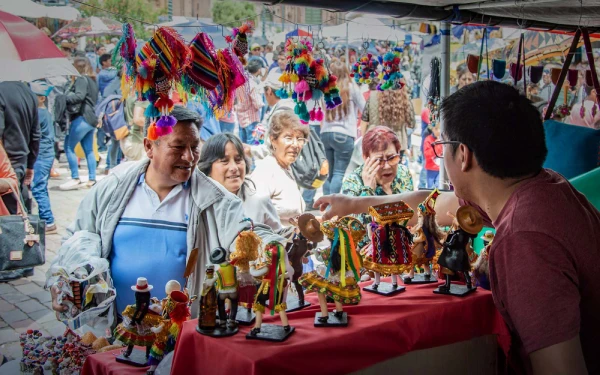
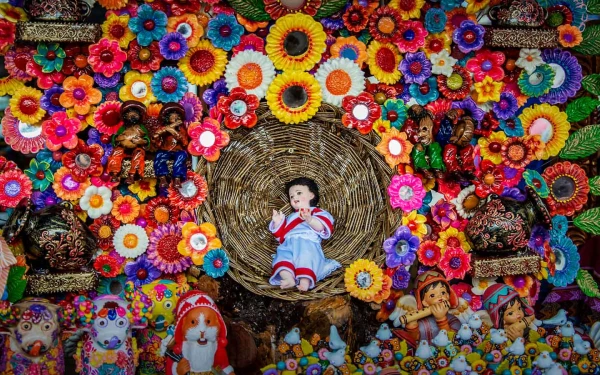
In Cusco and other Andean cities, nativity scenes often feature llamas and alpacas alongside traditional figures, reflecting the blend of Christmas holiday traditions in Peru with local Andean culture. The Santurantikuy market in Cusco’s Plaza de Armas on December 24th is where families buy handcrafted figures to complete their nativity scenes.
Amazon Rainforest Christmas Food (Iquitos, Tarapoto and the Jungle)
In Peru’s Amazon region, Peruvian Christmas food takes on a distinctly tropical character, with ingredients from the jungle and rivers:
- Juane: Though traditionally eaten during the San Juan festival in June, juane (rice, chicken, eggs and olives wrapped in bijao leaves and steamed) also appears at Christmas celebrations in the jungle. The bijao leaves give the rice a distinctive green color and subtle earthy flavor.
- Paiche: This massive Amazonian freshwater fish (one of the world’s largest) is often grilled or prepared as ceviche for special occasions, including Christmas.
- Tacacho con Cecina: Mashed plantains formed into balls and served with smoked pork is a beloved Amazonian dish that frequently appears at Christmas gatherings.
- Patarashca: Fish wrapped in bijao leaves and grilled over charcoal is another jungle Christmas favorite, with the leaves imparting a smoky, earthy flavor.
- Inchicapi: This thick, creamy soup made with chicken, peanuts, cilantro and yuca is comfort food in the Amazon and sometimes serves as a starter for Christmas dinner.
Amazonian Christmas celebrations often incorporate tropical fruits like aguaje, camu camu and açaí into desserts and drinks, adding a distinctly jungle flavor to Peru’s Christmas festivities.
This regional diversity in Christmas dishes in Peru reflects the country’s incredible geographic and cultural variety. From the Pacific coast to the high Andes to the Amazon rainforest, each region brings its own ingredients, cooking techniques and cultural influences to the Christmas table. This makes asking “what do Peruvians eat for Christmas” a question with many delicious answers, depending on where in Peru you’re celebrating.
TURQUOISE LAKE HIKEHumantay Lake
Discover bright turquoise waters beneath the snowy peaks of the Andes.
When Do Peruvians Celebrate Christmas?
Understanding Christmas traditions Peru begins with knowing when the celebration happens. Unlike the United States where December 25th is the main event, Christmas Peru centers on Christmas Eve, known as Noche buena (literally “Good Night”).
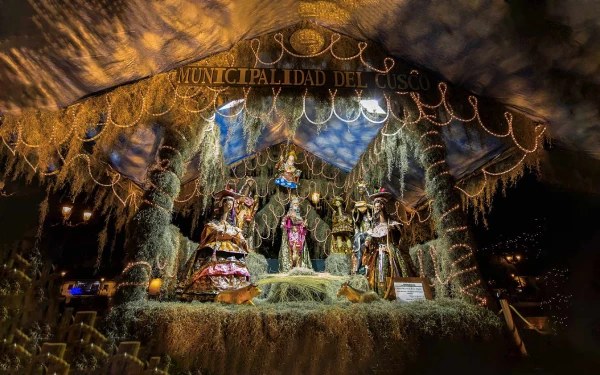
Many families attend Misa de Gallo (Rooster’s Mass) around 10 PM, then return home for the main Peruvian Christmas dinner celebration, which typically begins around midnight or shortly after. When the clock strikes 12, fireworks light up the sky in Cusco, Lima and cities across Peru. Families hug, exchange gifts around the nativity scene (called nacimiento), and then sit down to feast together.
December 25th is usually a quiet recovery day spent at home with family, while December 24th is when all the action happens. This is one of the Christmas customs in Peru that surprises many visitors.
Did you know…?
One of the most beloved traditions in Peru during Christmas is the chocolatada. In the weeks before Christmas, communities organize social gatherings where families drink hot chocolate, eat panetón and donate gifts to children from less fortunate families. It’s a beautiful expression of the giving spirit that defines Christmas traditions of Peru.
What is Santurantikuy?
If you visit Peru for Christmas, don’t miss the famous Santurantikuy market on December 24th at Cusco’s Plaza de Armas. This centuries-old Christmas market, dating back to colonial times, features artisans selling handmade nativity figures, moss for mangers and the iconic Niño Manuelito figures.
What Does Peru Do for Christmas? Understanding the Customs
Beyond the food, understanding what does Peru do for Christmas helps complete the picture. The celebration includes several key elements:
- Nativity Scenes: Elaborate nativity scenes are displayed in homes, churches and public spaces. Many include Andean animals like llamas and alpacas alongside traditional figures.
- Midnight Fireworks: When the clock strikes twelve on December 24th, cities across Peru erupt with fireworks displays as families celebrate.
- Gift Exchange: Unlike many countries where gifts are opened on Christmas morning, Peruvian families exchange presents at midnight on December 24th.
- Religious Services: Misa de Gallo is a central part of the celebration for many families.
Did you know…?
In the early 1970s, Peru’s then-military government briefly banned Santa Claus, claiming he was an instrument of capitalism and anti-Christian. However, Saint Nicholas made a quick comeback after civilian government was restored in 1980. Today, both Santa Claus and the traditional Baby Jesus coexist peacefully in Peru’s mixed Christmas celebration.
Where Tourists Can Experience a Peruvian Christmas Dinner
For travelers spending several days in the region, Christmas dinner in Cusco often works best as part of a wider plan that may also include the Sacred Valley or a later visit to Machu Picchu.
In Cusco:
Many upscale hotels and restaurants offer special Christmas Eve menus with roasted turkey or lechón, Arabic rice and panetón. Popular options include:
- Belmond Hotel Monasterio (El Tupay and other hotel restaurants) – often features gourmet multi-course dinners with live music.
- Casa Andina Premium Cusco – frequently offers traditional Christmas Eve dinner service.
- Pachapapa in San Blas – a more casual option with traditional Peruvian dishes in a cozy courtyard setting.
- Chicha by Gastón Acurio – may offer special Christmas menus; always call ahead to confirm.
Important: You must book well in advance for Christmas Eve, as restaurants fill up quickly. Some restaurants may close early on December 24th or be completely closed on the 25th so staff can spend time with their families.
In Lima:
The capital offers even more options, from luxury hotels in Miraflores and San Isidro to traditional restaurants throughout the city. Many places close early on December 24th for their own family celebrations, so confirm schedules, check special Christmas menus and make reservations in advance.
Cultural Experience:
Some tour operators offer “Christmas with a Peruvian family” experiences where you can join a local household for their traditional Christmas in Peru celebration. This provides an authentic look at what Peruvians eat for Christmas in a real family setting, complete with gift exchange at midnight and fireworks.
Planning Your Christmas in Peru
If you want to experience an authentic Peruvian Christmas dinner in Cusco and combine it with a visit to Machu Picchu, our team at Inkayni Peru Tours can help you plan an unforgettable Christmas adventure in the Andes. Many travelers also use those dates to connect Cusco with the Sacred Valley, or to choose a trek like the Inca Trail or the Salkantay Trek for the days that follow.
We offer customized itineraries that include cultural experiences, trekking adventures and authentic Peruvian celebrations.
MULTI-ADVENTURE ROUTEInca Jungle Trek
Bike, raft, and hike through tropical valleys on an adventurous route to Machu Picchu.
Frequently Asked Questions About Peruvian Christmas Dinner
How is Christmas dinner in Peru different from the United States?
In Peru, the main celebration happens on Christmas Eve, and dinner is often served after midnight once families have done hugs, toasts, and fireworks. The menu may include turkey or lechón, arroz árabe, and panetón with hot chocolate, but the flavors and the late night energy feel very different from a typical US Christmas Day meal.
What do Peruvians eat for Christmas at a typical Christmas Eve dinner?
A classic Peruvian Christmas Eve table features roasted turkey or oven roasted lechón, arroz árabe with raisins and nuts, and sweet sides like apple purée and sweet potato purée, plus a cold salad. Dessert is almost always panetón with hot chocolate, and many homes also add tamales or humitas depending on the region.
What time is Christmas dinner served in Peru?
Many families eat late on December 24, often right after midnight. Some go to Misa de Gallo first and then return home for the meal and gift time, while December 25 is usually calmer and built around leftovers and family rest.
Where can a US traveler try a Peruvian Christmas dinner?
In Lima, Cusco, and other tourist cities, hotels and restaurants often offer special Christmas Eve dinners with the classic dishes, which is the easiest option if you are traveling without local friends or family. Some operators also arrange small group experiences with a local family, which feels more personal and gives you a closer look at the tradition.
Is Peruvian Christmas food too spicy for someone from the United States?
Usually not. Many Christmas dishes use ají amarillo or ají panca for flavor in marinades, but the heat level is typically mild because it is cooked for everyone in the family. If you are sensitive, skip extra sauces and ask for mild seasoning.
Are there options if I don’t eat turkey, pork or red meat?
Yes. Even when turkey and lechón are the main proteins, the meal includes sides like rice, purées, salads, and vegetables that are easy to adapt. In bigger cities, many restaurants can offer chicken, fish, vegetarian, or vegan alternatives if you request it in advance.
How different is the Christmas climate in Peru compared to the United States?
Peru has Christmas during summer, but weather depends on the region. Lima is usually mild and cloudy, while Cusco can feel warm in the day but noticeably cool at night because of the altitude. It can feel strange for US travelers to drink hot chocolate in summer, but in the Andes it makes perfect sense after sunset.
Is it necessary to book a Christmas Eve dinner in Peru in advance?
Yes, especially in Cusco and Lima. Many places run set Christmas Eve dinners with limited seating, and reservations can sell out quickly because it is the biggest night of the holiday. If you want a specific hotel, restaurant, or experience, book early.
What Peruvian Christmas dishes should I definitely try if I only have one night?
If you only have one night, go for the classics: turkey or lechón, arroz árabe, and at least one sweet side like apple purée or sweet potato purée. Finish with panetón and hot chocolate, which is the signature pairing most Peruvians associate with Christmas.
Can I combine Peruvian Christmas dinner with a trip to Machu Picchu?
Yes, and Cusco is one of the best places to do it. Just plan around Christmas Eve since dinner is late and many services run on holiday schedules, then use the following days for Machu Picchu. December is popular, so book trains and tickets ahead of time.
Autor

Shared:



If you liked this article and the information you found, give us 5 stars!
 (Ninguna valoración todavía)
 Loading...