The Inca Trail is the most well-known trekking route to Machu Picchu. In practice, the Inca Trail combines history, geography, and physical challenge. Altitude changes how effort feels, weather can shift in a matter of hours, and logistics are regulated by permits. That’s why the experience improves significantly when you arrive with a clear plan: choosing the right version, acclimatizing with time, and preparing essentials without overpacking.
Use this page as the main planning hub for the Inca Trail to Machu Picchu: route versions, what to expect day by day, permits, operator choice, prices, training, packing, campsites, porter logistics, and the decisions that matter before paying.
WORLD WONDER IN THE ANDESMachu Picchu
Discover the history, landscapes, and essential tips for visiting this world wonder.
What is the Inca Trail?
The Inca Trail is the most famous trekking route to Machu Picchu. Located in the Cusco region of Peru, it follows part of the ancient Inca road network, passing stone paths, mountain passes, cloud forest, tunnels, bridges, and archaeological sites before entering Machu Picchu through Intipunku, the Sun Gate.

Tourists enjoying nature on the Inca Trail
The Inca Trail (The Essentials)
Where is the Inca Trail?
The famous section of the Inca Trail that ends at the ancient citadel of Machu Picchu is located in the Cusco region, Peru. It begins at kilometer 82 of the railway line connecting the small town of Piscacucho with Aguas Calientes (Machu Picchu Pueblo), and ends at the Inca citadel of Machu Picchu.

What makes this section of the Inca Trail special are its impressive stone structures, bridges, and beautifully preserved tunnels. These Inca architectural constructions, which have withstood the test of time, are recognized for their scenic beauty and cultural significance. It also helps to understand the broader geography of the Sacred Valley, especially if you are still deciding where to stay before or after the trek.
The Qhapaq Ñan: Inca Road Network
The great Inca road network, or Qhapaq Ñan, extended more than 30,000 km (18,641 miles) throughout South America and formerly connected the main Inca cities or llaqtas of Tahuantinsuyo. This ancient road network encompasses territories that are now part of Ecuador, Bolivia, Colombia, Chile, Argentina, and especially the territories now part of Peru.
These roads were primarily used by pedestrians and pack animals, such as llamas, and were a fundamental part of the Inca Empire’s extensive communication and transportation system.
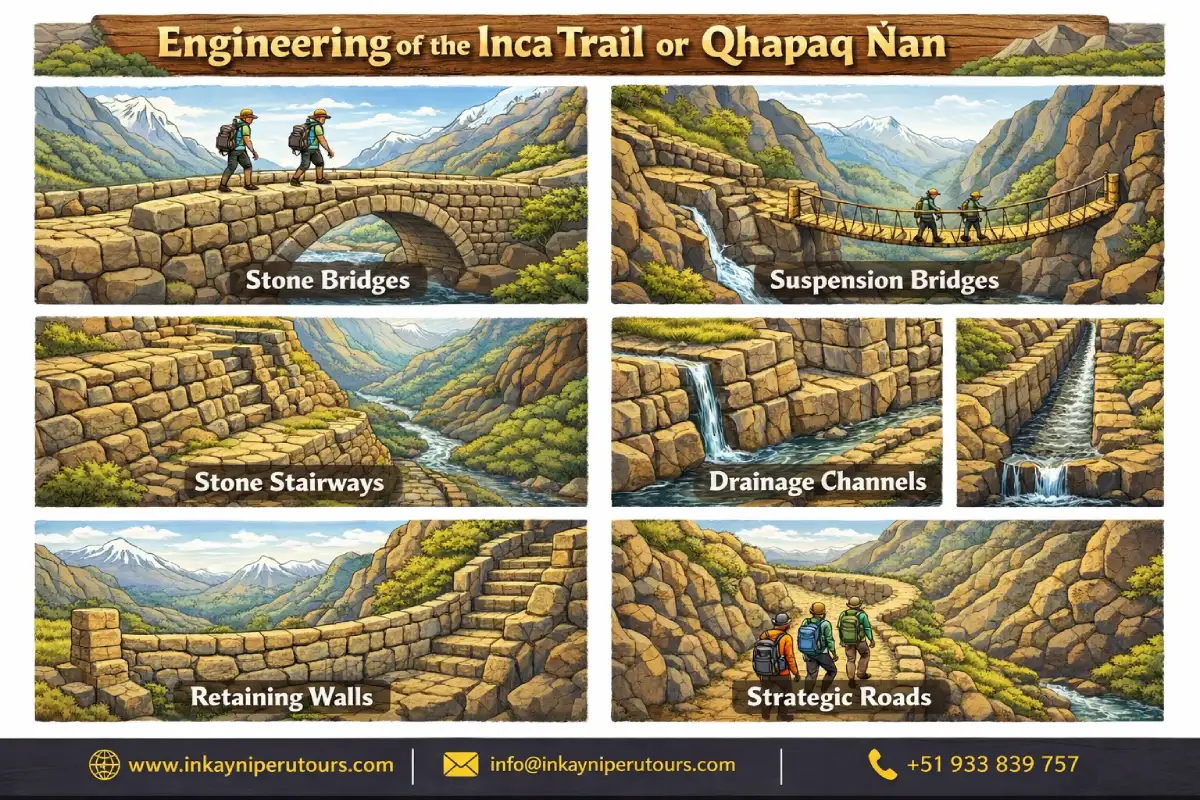
If we refer specifically to the famous section known as the Inca Trail to Machu Picchu, it spans 44 kilometers (27 miles). It runs from kilometer 82 of the Ollantaytambo – Aguas Calientes railway line and ends at Machu Picchu.
Brief History of the Inca Trail
Various pre-Inca cultures began tracing pre-Hispanic roads from around 2000 BC. Centuries later, at the height of the Inca Empire during the 15th century, that road-building tradition was perfected, expanded, and integrated to become the great Qhapaq Ñan network. Many sections were built with precisely carved and fitted stones, a type of assembly that explains their resistance and durability. Within this framework, Machu Picchu and the famous Inca Trail section are typically attributed to the reign of Pachacutec, the ninth Inca, and were built with indigenous labor and engineering techniques remarkable for their time.
Why is the Inca Trail Famous?
The Inca Trail is important and famous for several reasons:
- It’s a remarkable testament to the skill and ingenuity of the ancient Inca civilization in building an intricate road network spanning vast distances and diverse terrains.
- The Inca Trail offers unparalleled adventure and exploration. Those who embark on this journey have the opportunity to fully immerse themselves in Inca history and culture, traverse diverse ecosystems, and test their physical limits.
- Designated as one of the “50 Best Trails in the World” by National Geographic. Included in the list of “10 Best Trails in the World” by Lonely Planet.
- Recognized as one of the “25 Best Routes in the World” by Forbes.
- Featured as one of the “10 Best Routes in the World” by The New York Times.
- Recognized as one of the “10 Best Hikes in the World” by The Guardian.
- Additionally, the route forms part of a wider cultural and natural landscape. The Historic Sanctuary of Machu Picchu was inscribed by UNESCO as a mixed World Heritage property in 1983, while the broader Qhapaq Ñan, Andean Road System was inscribed as a transnational cultural property in 2014.
Compare Inca Trail versions before choosing
Machu Picchu: The Final Destination
Machu Picchu is one of the seven wonders of the modern world and was declared a Mixed Heritage Site by UNESCO, standing out as an astonishing feat of Inca engineering, architecture, and agriculture. Unlike many other settlements, Machu Picchu remained largely protected from direct colonial transformation after its abandonment, which helps explain the exceptional preservation of many of its structures.
Machu Picchu, an impressive Inca construction, is located in the Cusco region of Peru, in the province of Urubamba and the district of Machu Picchu. It sits halfway up the mountains of Huayna Picchu and Machu Picchu Mountain, in the Vilcabamba Batholith of the Andes mountain range. Additionally, it’s located within the Machu Picchu Historical Sanctuary, a natural conservation area protected by the Peruvian state.

Inca Trail Versions
| If your priority is… | Choose this version | Why it fits |
| Limited time or moderate effort | Short Inca Trail, 2 days | You still hike through Wiñay Wayna and enter Machu Picchu through Intipunku without camping for several nights. |
| The complete classic experience | Classic Inca Trail, 4 days | Best balance of history, campsites, archaeological sites, cloud forest and the iconic arrival at Machu Picchu. |
| A slower pace | 5-day Inca Trail | Same core route as the classic trek, but with more time for rest, photos and a less compressed rhythm. |
| Maximum challenge | Salkantay + Inca Trail, 7 days | Combines high-altitude Salkantay terrain with the regulated Inca Trail. Best for experienced trekkers. |
Short Inca Trail (2 Days/1 Night)
The Short Inca Trail is ideal for those with limited time. It covers the best sections of the trek in just one day of hiking, visiting Wiñay Wayna and Intipunku before reaching Machu Picchu. Perfect for families or travelers with tight schedules.

Brief Itinerary: Day 1 you’ll depart early from Cusco to Ollantaytambo by train to km 104 (Chachabamba). From there you begin the hike ascending through cloud forest to Wiñay Wayna, then continue to Intipunku where you’ll have your first view of Machu Picchu. You descend to the citadel for a brief visit before heading to your hotel in Aguas Calientes. Day 2 you’ll wake early for the full Machu Picchu tour (2-hour guided tour) and return by train to Cusco in the afternoon.
Travelers comparing duration, effort, and route access in more detail should also review our Short Inca Trail Guide, especially if they are deciding between the 2-day version and the classic route.
| Day | Route | Distance | Max Altitude | Difficulty |
| 1 | Cusco → Km 104 → Wiñay Wayna → Intipunku → Aguas Calientes | 6 mi (10 km) | 8,858 ft (2,730 m) | MODERATE |
| 2 | Guided Machu Picchu tour → Return to Cusco | — | 7,972 ft (2,400 m) | EASY |
Who’s it for? Travelers with limited time, families with children, or those who prefer a less physically demanding experience.

Classic Inca Trail (4 Days/3 Nights)
The Classic Inca Trail is the most popular version. It covers 43 km (27 miles) traversing diverse ecosystems, from Andean valleys to cloud forest. You’ll cross Dead Woman’s Pass (Warmiwañusca) at 4,215 m (13,828 ft), visit archaeological sites like Runkurakay and Sayacmarca, and arrive at Machu Picchu through Intipunku at dawn on the fourth day.

Illustrated map – Classic Inca Trail 4 days to Machu Picchu
Brief Itinerary: Day 1 you begin at km 82 with flat trekking to Wayllabamba (12 km/7.5 miles, 5-6h). Day 2 is the hardest: you ascend to Warmiwañusca pass at 4,215 m (13,828 ft) and descend to Pacaymayu (11 km/7 miles, 7-8h). Day 3 you visit multiple Inca ruins (Runkurakay, Sayacmarca, Phuyupatamarca) on a long stage to Wiñay Wayna (16 km/10 miles, 6-7h). Day 4 you wake at 4am to reach Intipunku at sunrise, descend to Machu Picchu for a guided tour, and return to Cusco by train in the afternoon.
| Day | Route | Distance | Max Altitude | Difficulty |
| 1 | Km 82 → Llactapata → Wayllabamba | 7.5 mi (12 km) | 9,842 ft (3,000 m) | MODERATE |
| 2 | Wayllabamba → Warmiwañusca → Pacaymayu | 7 mi (11 km) | 13,828 ft (4,215 m) | CHALLENGING |
| 3 | Pacaymayu → Runkurakay → Sayacmarca → Wiñay Wayna | 10 mi (16 km) | 13,123 ft (4,000 m) | DEMANDING |
| 4 | Wiñay Wayna → Intipunku → Machu Picchu → Cusco | 3 mi (5 km) | 8,858 ft (2,730 m) | EASY |
Who’s it for? Adventurers in good physical condition who want the complete Inca Trail experience with camping, archaeological sites, and epic arrival at Machu Picchu.

Travel and live the trail to the fullest! / Classic Inca Trail 4 days to Machu Picchu
5-Day/4-Night Inca Trail
The 5-day Inca Trail covers the same distance as the 4-day version (43 km/27 miles), but with shorter stages and a more relaxed pace. Ideal for those who want more time for acclimatization, landscape appreciation, or are traveling with children. The extra day allows you to enjoy without rushing.

Illustrated map – 5-day Inca Trail to Machu Picchu
Brief Itinerary: Similar to the classic but with shorter days. Day 1 you reach Wayllabamba in 5-6h. Day 2 you climb to Warmiwañusca (13,828 ft/4,215 m) and descend to Pacaymayu in 6-7h. Day 3 medium section to Phuyupatamarca with visits to ruins (6h). Day 4 you descend to Wiñay Wayna and continue to Machu Picchu via Intipunku, then hotel in Aguas Calientes. Day 5 full Machu Picchu tour in the morning and return to Cusco.
| Day | Route | Distance | Max Altitude | Difficulty |
| 1 | Km 82 → Wayllabamba | 7.5 mi (12 km) | 9,842 ft (3,000 m) | MODERATE |
| 2 | Wayllabamba → Warmiwañusca → Pacaymayu | 7 mi (11 km) | 13,828 ft (4,215 m) | CHALLENGING |
| 3 | Pacaymayu → Runkurakay → Phuyupatamarca | 6.5 mi (10.5 km) | 13,123 ft (4,000 m) | CHALLENGING |
| 4 | Phuyupatamarca → Intipunku → Machu Picchu → Aguas Calientes Hotel | 6 mi (10 km) | 12,073 ft (3,680 m) | EASY |
| 5 | Machu Picchu Tour → Return to Cusco | — | 7,972 ft (2,400 m) | EASY |
Who’s it for? Families with children (7+ years), people seeking an extra day at Machu Picchu, or those who value more time for photography and contemplation.

Inca Trail + Salkantay Trek (7 Days)
The 7-day combined trek unites two legendary routes: first you ascend to Salkantay glacier (20,574 ft/6,271 m) crossing Incachiriaska pass at 5,200 m (17,060 ft), then connect with the classic Inca Trail. Total: 82 km (51 miles) of extreme trekking through all Andean ecosystems.

Illustrated map – Inca Trail + Salkantay trek to Machu Picchu
Brief Itinerary: Day 1 you climb to Humantay Lagoon (13,779 ft/4,200 m) and sleep in Soraypampa. Day 2 you ascend near Salkantay glacier to Pampa Japonesa (15,092 ft/4,600 m). Day 3 you cross the highest pass (Incachiriaska at 17,060 ft/5,200 m) in extreme conditions. Days 4-5 you connect with the traditional Inca Trail passing through Warmiwañusca and visiting ruins. Day 6 you reach Wiñay Wayna to rest. Day 7 you enter Machu Picchu at sunrise and return to Cusco.
This combined itinerary overlaps with many of the same questions travelers already have about the Salkantay Trek to Machu Picchu Guide, especially around altitude, weather exposure, and route profile. Since day one also includes Humantay, this Complete Guide to Humantay Lake Guide can also help before choosing the combined option.
Who’s it for? Experienced trekkers in excellent physical condition seeking the ultimate challenge and most complete adventure in the Peruvian Andes.
Choose Your Inca Trail Version
Short Inca TrailDuration: 2 days / 1 night Distance: 6 mi (10 km) Max altitude: 8,858 ft (2,730 m) EASY
Ideal for limited time and families |
MOST POPULAR
Classic Inca TrailDuration: 4 days / 3 nights Distance: 27 mi (43 km) Max altitude: 13,828 ft (4,215 m) MODERATE
The complete iconic experience |
5-Day Inca TrailDuration: 5 days / 4 nights Distance: 27 mi (43 km) Max altitude: 13,828 ft (4,215 m) MODERATE
A slower pace with more time at Machu Picchu |
Salkantay + Inca TrailDuration: 7 days / 6 nights Distance: 51 mi (82 km) Max altitude: 17,060 ft (5,200 m) EXTREME
For experienced trekkers seeking a harder route |
Important Note:
These are the Inca Trail versions offered by Inkayni Peru Tours. Itineraries, included services, comfort level, and price may vary depending on the tour operator you choose. We recommend comparing what each agency includes (equipment quality, meals, certified guides, group size) before booking your Inca Trail adventure.
Booking guides for safer Inca Trail planning
Inca Sites Along the Route
Patallacta (Llactapata):
This archaeological site, also known as “high city” or “city on the hill,” is an ancient construction found on the Inca Trail route to Machu Picchu.

Llactapata or Patallacta archaeological site
Runkurakay:
These are semicircular ruins that were once used as a resting place with religious-ceremonial functions.

Runkurakay archaeological site surrounded by lush vegetation
Sayacmarca:
It’s an incredible archaeological site with a strategic location that controls all the cloud forest valleys. It’s believed to have been built by the Colla civilization, which predates the Incas.
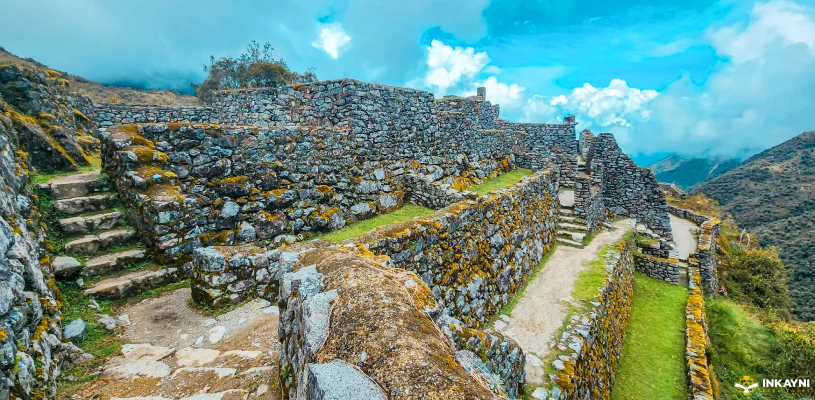
Sayacmarca ruins on the Inca Trail
Phuyupatamarca:
Its name means “town above the clouds,” it’s a fascinating place housing baths, buildings, bridges, and a plaza. Due to the presence of fog, it gives the sensation of being above the clouds.

Phuyupatamarca archaeological site “town above the clouds”
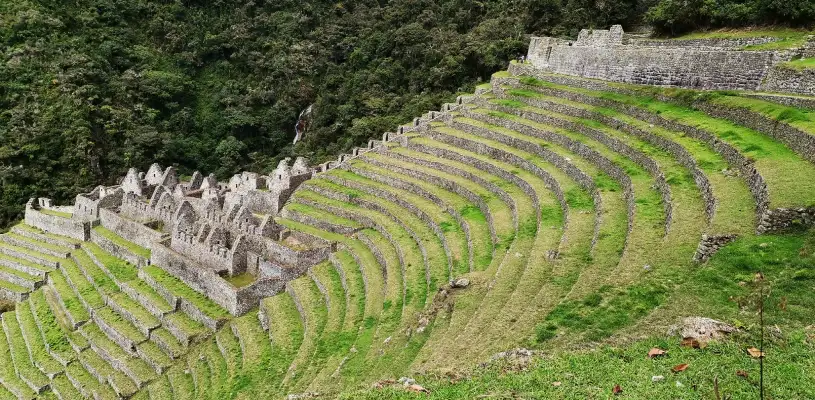
Wiñay Wayna:
Coming from the Quechua language meaning “forever young,” it’s one of the most iconic architectural monuments of the Inca Trail.
Intipunku (Sun Gate):
Also known as Sun Gate, it’s an amazing site serving as a checkpoint and astronomical observatory. It offers the first and best view of Machu Picchu.
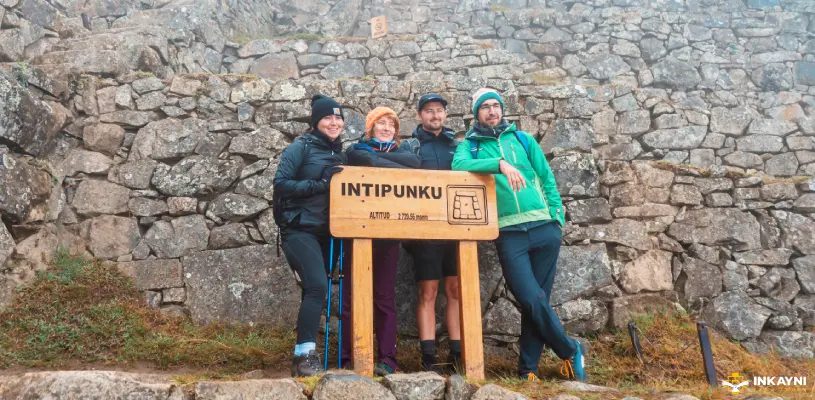
Tourists at the entrance to Inti Punku (Sun Gate)
Machu Picchu:
Considered one of the 7 wonders of the modern world, it stands out for its impressive architecture, its location atop a mountain, and its spectacular natural surroundings. It’s an iconic destination that attracts visitors from around the world.

Majestic view of the sacred llacta of Machu Picchu
PERU’S LEGENDARY HIKEInca Trail to Machu Picchu
Follow the historic trail through mountain passes, Inca sites, and cloud forest paths to Machu Picchu.
Inca Trail Campsites
Main Campsites
Wayllabamba Campsite:
It’s the first resting place after starting the trek from kilometer 82. It’s located at an altitude of approximately 3,000 m (9,842 ft). It’s typically where you spend the first night of the hike.
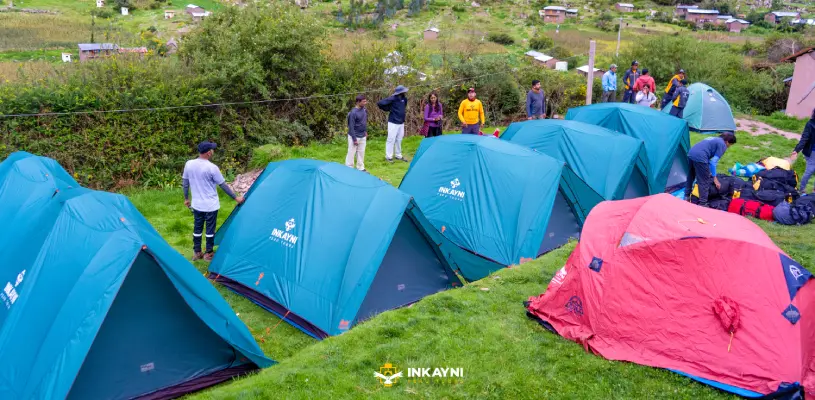
Wayllabamba campsite
Pacaymayo Campsite:
This campsite is located at an altitude of around 3,580 m (11,745 ft). You reach it after a demanding ascent from Wayllabamba, passing through the highest point of the Inca Trail: Dead Woman’s Pass (Warmiwañusca). Pacaymayo is a popular place to spend the second night on the trail.

Tourists resting at Pacaymayo campsite
Phuyupatamarca Campsite:
Located at 3,600 m (11,811 ft), this is the best camping spot to admire the sunset and sunrise.
On the 4-day Inca Trail, this campsite becomes the last option where tourists will camp if there’s no space left at Wiñay Wayna. However, for the 5-day Inca Trail, this is a fixed camping point.

Phuyupatamarca campsite
Wiñay Wayna Campsite:
It stands out for its agricultural terraces and proximity to the Wiñay Wayna ruins. It’s located at an altitude of approximately 2,700 m (8,858 ft). It’s typically the last campsite before reaching Machu Picchu.

Wiñay Wayna campsite
Planning and Booking
How Far in Advance to Book the Inca Trail?
Expert Tip:
The Inca Trail has a maximum capacity of 500 people per day, including support staff, so it’s advisable to book at least 6 months in advance. The trek can only be done with authorized agencies, and when booking, it’s essential to enter passport details exactly as they appear on the document.
When permits for a given day sell out, there’s no waiting list or reserve spots. The system is inflexible because the goal is to protect the sanctuary, not maximize visitors.
- Classic Inca Trail (4 days): Book at least 6 months in advance.
- Short Inca Trail (2 days): Spaces are more accessible. Two months in advance is usually sufficient.
How to Choose a Tour Operator
- The Inca Trail doesn’t allow independent trekkers. You must hire an authorized agency that manages permits, certified guides, transportation, campsites, and meals.
- Verify that the operator is registered with the Ministry of Culture or the Ministry of Foreign Trade and Tourism. This registration guarantees that the agency complies with labor regulations for porters and safety standards.
Quick Verification Before Paying
- Day-by-day itinerary with campsites and estimated times.
- Clear list of included vs. not included services, with specified rental costs.
- Maximum group size and guide-to-trekker ratio.
- Written policy on porters: maximum load, equipment, meals.
- Change and cancellation terms in writing.
- Formal booking confirmation with permit number.
Important Note:
The trek cost reflects equipment quality, food, and above all, working conditions for the support team. Excessively low prices usually mean underpaid porters, deficient equipment, or insufficient food. Compare what each package includes before deciding based on cost alone.
Step-by-Step Booking Process
- Verify the agency is authorized: Confirm it appears in official registries, has positive reviews on travel platforms and social media, and has a secure website.
- Check availability and dates: Check availability and, during high season, book several months in advance.
- Submit details and pay: Complete the booking with exact passport details, indicate extra services (if required), and make the requested payment or deposit.

What does an Inca Trail permit look like?
Expert Tip:
Save everything. Payment receipts, booking confirmation, permit number. Carry printed and digital copies during the trip. Control personnel ask for documentation at various points along the trail.
Prices and What’s Included
The cost of the Inca Trail trek ranges from $400 to $1,500 USD per person. The variation depends on trek duration (2, 4, 5, or 7 days), season, group size (private vs. shared), and the level of service each operating travel agency offers.
What You Get by Price Range
- Low range ($400-600): Essential equipment, rentals separate, large groups (14-16 people), basic tents and sleeping pads.
- Mid-range ($600-1,000): Better food, smaller groups (10-12 people), better quality tents, portable toilets included.
- High range ($1,000-2,000): Private or very small groups, premium equipment (spacious tents, inflatable mattresses), customized menus, detailed attention.
Generally Included:
- Inca Trail and Machu Picchu entrance permits
- Certified professional guide
- Cusco-starting point transportation and return
- All meals during the trek
- Camping equipment (tents, sleeping pads)
- Porters for group equipment
Additional Cost (typically):
- Sleeping bag: $15-25 USD
- Trekking poles: $10-15 USD
- Personal porter for 11 lbs (5 kg): $150-200 USD
- Tips for guides and porters
- Travel insurance with evacuation coverage
Important Note:
Always contact the travel agency directly for updated quotes, service inclusions, dates, and preferences.
Private vs. Group Tours (Quick Comparison)
| Tour Type | How It Works | Flexibility | Cost |
| Private Tour | Travel only with your group (family/friends). Maintains the base itinerary, but can adjust pace, breaks, and operational preferences. | High: more control over pace and timing within route limitations. | Usually costs 40–60% more than group. Often includes air mattress at no extra cost. |
| Group Tour | Agency opens dates and adds travelers until capacity is reached (typically 8–20 people). | Medium-low: schedules and itinerary are usually fixed. | More economical: lower individual cost. |
Best Time to Visit
- The dry season (April to October) offers more stable conditions. There’s little rain, trails maintain traction, visibility at high passes is clear. Campsites don’t deal with mud or constant humidity. May to September sees the highest visitor numbers. Optimal weather, but campsites are full and permits sell out months in advance.
- Rainy season (November to March): The Inca Trail closes in February for annual maintenance. During the other months it rains frequently, trails get muddy, and nights are colder and more humid. In return, vegetation is greener, there are fewer people, and costs may be lower.
What to Adjust in Packing According to Season
- Dry season: Dust in the air, intense high-altitude sun, cold nights. Prioritize hat, SPF 50+ sunscreen, thermal layers, and warm clothing for camp.
- Rainy season: Slippery ground, constant humidity. Prioritize waterproof jacket (not lightweight poncho), waterproof backpack cover, internal dry bags, quick-dry synthetic clothing.
Warning:
Don’t get ahead of or fall behind the group. Accidents happen when trekkers ignore protocols. Your guide knows the safe pace according to daily conditions.

According to the average monthly precipitation chart on the Inca Trail throughout the year, the best season to arrive in Cusco is between May, June, July, August, and September.
Passport Requirement
You must carry the original passport used when making the reservation throughout the entire trek. Copies, notarized photocopies, or other identity documents are not accepted.
Specific Requirements:
- Minimum validity of 6 months from the trek start date
- Same name and number that appears on the entry permit (zero tolerance for discrepancies)
- Acceptable physical condition: legible pages, no tears or water damage
SERNANP personnel verify identity at various checkpoints. The electronic system cross-references passport data with the permit to prevent fraud and control access. Additionally, at specific points along the trail and at Machu Picchu, they stamp the passport as a souvenir. Many travelers collect these stamps.

On-site visit stamp at Machu Picchu
If you’ve changed passports, contact the agency immediately before the trip. Changing the number on the permit requires processing with the Ministry of Culture, which can take several weeks. Don’t assume you can resolve this in Cusco.
Physical and Mental Preparation
Difficulty Level by Version
- Short Inca Trail (2 days): Moderate difficulty. Suitable for families with active children or people with limited time. First day involves 6-7 hours of hiking with moderate elevation gain. Doesn’t cross Dead Woman’s Pass.
- Classic Inca Trail (4 days): Moderate to challenging difficulty. Day 2 crosses Warmiwañusca (13,828 ft/4,215 m) with sustained 3-4 hour ascent. Days 3 and 4 are gentler but with accumulated elevation change. Requires acceptable physical condition and previous experience on long hikes.
- Long Inca Trail (5-7 days): Includes more remote sections and greater accumulated mileage. Difficulty similar to the classic due to altitude, but demands better endurance due to extended duration.
Preparation guides for the Inca Trail
Altitude Acclimatization
Cusco sits at 11,152 ft (3,400 m). The highest pass on the Inca Trail reaches 13,828 ft (4,215 m). At that altitude, the air contains approximately 40% less oxygen than at sea level. The body needs time to produce more red blood cells and adjust breathing.

Altitude sickness quick guide for trekking in the Andes.
Common altitude sickness symptoms (soroche):
- Headache (mild to intense, especially upon waking)
- Dizziness or vertigo when standing up quickly
- Fatigue disproportionate to effort made
- Nausea, sometimes with vomiting
- Loss of appetite
- Insomnia or fragmented sleep
- Rapid, shallow breathing (especially at night)

Altitude sickness is known as the body’s difficulty in acclimatizing to oxygen deficiency at high altitudes
Each person reacts differently. Age, physical condition, and previous mountain experience don’t reliably predict who will have symptoms. Sea-level athletes may suffer more than sedentary people because they tend to maintain a high pace without adjusting to oxygen availability.
How to Prevent Altitude Sickness
Acclimatize 2–3 days in Cusco before the trek (3–4 if arriving directly from sea level), walk without rushing and avoid strong efforts. Maintain constant hydration (2–3 L/day), eat light meals with carbohydrates, and rest well. Coca tea can relieve mild symptoms, but doesn’t replace acclimatization or water.

Coca tea, a beverage with stimulating properties and various benefits, such as relieving fatigue, altitude sickness, and aiding digestion
Medications: Some travelers use acetazolamide (Diamox) to prevent or reduce symptoms. Consult with your doctor before the trip: it has contraindications (sulfa allergy, kidney problems) and side effects (tingling in hands, metallic taste, frequent urination). The typical dose is 125-250 mg twice daily, starting 24 hours before ascending.
Recommended Physical Training
The Inca Trail demands cardiovascular endurance, leg strength, and joint stability. It doesn’t require mountaineering technique, but does require the ability to walk 5-7 hours daily with a backpack for several consecutive days.
Cardiovascular training (3-4 times/week, 8-12 weeks before):
- Walk, run, swim, or bike with progressive increases (10% weekly in duration/intensity)
- Include intervals: alternate high pace (3-5 min) with active recovery (2-3 min)
- Goal: walk 5-6 hours straight with 11-15 lb (5-7 kg) backpack without exhaustion

Endurance training:
- Walk on varied terrain (hills, stairs, irregular trails)
- Use the exact trek boots during training (minimum 30-40 hours prior use)
- Practice with loaded backpack (11-15 lbs/5-7 kg) the final 4 weeks
- If living in flat area, go up/down stairs with backpack (3-4 sets of 10-15 floors)
Muscle strengthening (2-3 times/week):
- Squats, lunges, and deadlifts for legs
- Core (plank, abs, lower back) for stability
- Balance work (yoga, pilates) to prevent sprains
- Include 1-2 complete rest days per week
What to Bring on the Inca Trail

How to Organize Your Backpack
Basic principle: weight at center, close to back. Place heavy objects (water, camera) in the center of the backpack, close to the lumbar area. Distribute weight evenly between both sides to avoid imbalance.
By accessibility layers:
- External pockets: water bottle, snacks, sunscreen, toilet paper
- Top of backpack: waterproof jacket, light jacket, hat
- Center of backpack: change of clothes, camera, portable battery
- Internal waterproof pocket: passport, permits, money, documents
Use waterproof bags or covers to protect clothing and electronics. Compression bags reduce volume of bulky items (fleece, sleeping bag if carrying it with you).
Expert Tip:
Walk 2-3 hours with the loaded backpack before the trip. Adjust shoulder straps, hip belt, and chest strap until comfortable. Most of the weight should rest on the hips, not the shoulders.
Essential Packing List
| Item category | What to bring |
| Documents | Original passport, valid student ID if applicable, printed booking confirmation and permit number. |
| Footwear | Broken-in hiking boots with good traction and lightweight sandals or comfortable shoes for camp. |
| Layered clothing | Quick-dry shirts, trekking pants, waterproof jacket, fleece or warm layer, beanie, gloves, sun hat, technical socks and dry change of clothes in a waterproof bag. |
| Protection and care | SPF 50+ sunscreen, insect repellent, lip balm with SPF, biodegradable wet wipes, hand sanitizer, personal medication and a basic first-aid kit. |
| Technical gear | Headlamp with spare batteries, trekking poles with rubber tips, bottle or hydration system, waterproof dry bags and a portable battery. |
| Optional | Camera, earplugs, small notebook, lightweight binoculars and a compact camp towel. |
For a deeper breakdown, compare this section with the Inca Trail backpack guide and the best shoes for the Inca Trail before buying new gear.

Essential gear you need to bring on the Inca Trail
Weight Limits and Regulations
Personal backpack (what you carry): Maximum recommended 11-15 lbs (5-7 kg). Includes water, snacks, warm clothing for the day, camera, items for immediate use.
Duffel bag (what porters carry): Maximum 11 lbs (5 kg) if you hired an additional personal porter. Includes sleeping bag (if renting it), change of clothes, hygiene items, what you don’t need during the hike.
Porters have legal load limits according to the Porter Law: 44 lbs (20 kg) for men, 33 lbs (15 kg) for women. This weight includes group equipment (tents, cooking utensils, food) and trekkers’ personal bags.
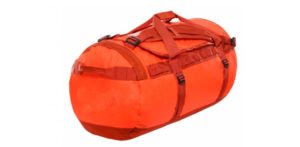
Warning:
Weigh before leaving. The agency may reject bags exceeding the limit, forcing you to leave items in Cusco. Weigh your luggage at the hotel before departure day and adjust if necessary.
What Not to Bring (Prohibited or Unnecessary)
- Excess clothing or equipment that adds weight without utility
- Alcoholic beverages (prohibited on the trail)
- Very ripe or perishable fruits that decompose quickly
- Weapons, large knives, hunting or fishing tools
- Fossil fuels (gasoline, kerosene, unauthorized extra gas cartridges)
- Glass containers (risk of breakage and non-biodegradable waste)
- Amplified sound equipment (respect for wildlife and other trekkers)
- Drones or professional filming equipment without special permits from the Ministry of Culture
Logistics and Services on the Inca Trail
- Porters transport group equipment and personal bags (max 11 lbs/5 kg per traveler).
- Three daily meals plus snacks, with vegetarian/vegan menu options at no extra cost.
- Public toilets at campsites (squat-style); some agencies offer portable toilets.
- Shower only at third campsite (Wiñay Wayna) with hot water.
- Cell phone signal practically non-existent; electricity only at Wiñay Wayna (limited).
Porters: Roles and Labor Regulations
Porters make the trek possible. They leave last each morning after dismantling the complete camp, walk at an accelerated pace (usually overtaking the trekking group), and arrive first at the next site to set up tents, prepare food, and have everything ready when the group arrives hours later.

The Porter Law (in effect since 2001, reinforced in 2018) establishes:
- Load limit: 44 lbs (20 kg) for men, 33 lbs (15 kg) for women (includes group equipment and travelers’ personal bags)
- Mandatory equipment: proper trekking boots, waterproof jacket, identifiable uniform
- Active medical insurance and first aid training
- Fair wages (not less than legal minimum), quality food equivalent to trekkers’, adequate tents for their rest
Porters say goodbye to the group on the third day, before reaching Machu Picchu. They return to the starting point (Km 82 or Km 104) to prepare for the next group. This cycle repeats throughout the season.
Food During the Trek
Agencies provide three daily meals plus “happy hour” (snacks and hot drinks at the end of each day). Menus consider the high caloric expenditure of high-altitude hiking.
Typical breakfast: Coffee, tea, coca tea, or hot chocolate. Eggs (scrambled, omelet, or fried), pancakes or French toast, fresh seasonal fruit, oatmeal, cereals, natural juice. Generous portions for morning energy.

Tourists enjoying an outdoor breakfast on the Inca Trail route
Lunch and dinner: Hot soup (quinoa, vegetables, chicken), main course (chicken, meat, fish, pasta, chaufa rice, stews), fresh salads, dessert (flan, fruit, gelatin). Preparations vary each day.

Happy hour: At the end of the day, before dinner, hot drinks (chocolate, tea, coffee) are served with snacks (cookies, popcorn, fried wontons). It’s the group’s social moment.
Special diets: Inform the agency when booking if you’re vegetarian, vegan, celiac, or have allergies. Cooks adapt menus at no additional cost. Specify clearly: “vegetarian” (no meat or fish) or “vegan” (no animal products including dairy and eggs).

Protein-rich foods
Sanitary Services
Main campsites have public squat-style toilets (no seat) with cold running water. Cleanliness varies depending on daily traffic and maintenance. Bring hand sanitizer, extra toilet paper, and wet wipes.
Some agencies (like Inkayni Peru Tours) include ecological portable toilets exclusive to your group, which significantly improves the hygiene experience.

Showers: Only available at the third campsite (Wiñay Wayna) with hot water (solar or gas system). For the remaining days, use wet wipes for basic hygiene. Bring a small quick-dry towel.
Drinking Water During the Trek
The agency provides boiled and filtered water at each meal. The process: they boil water, filter it, and cool it. Bring enough water only for the first morning (from Cusco to the first lunch on the trail, about 4-5 hours).
Carry at least two 1-liter bottles or a 2-liter hydration system (CamelBak or similar). Purified water will be available at each meal stop to refill.
Warning:
Don’t drink stream water. Although mountain water appears crystal clear, it may contain parasites (Giardia) or fecal contamination from animals. Use only water provided by the agency or bring purification tablets as emergency backup.
Other Guides That Help Before Booking the Inca Trail
Equipment Included by the Agency
Generally included:
- Sleeping tents (double occupancy, brands like North Face, Doite, or Eureka)
- Dining tent with tables and chairs
- Kitchen tent with all necessary equipment
- Basic foam sleeping pads (1-2 inches/3-5 cm thick)
- Complete cooking and dining utensils
Generally NOT included (additional rental):
- Sleeping bag: $15-25 USD (temperature range 14-5°F / -10 to -15°C)
- Trekking poles: $10-15 USD (adjustable, with rubber tips)
- Premium inflatable mattress: $10-20 USD (more comfort than basic pad)
Expert Tip:
Again, confirm exactly what your specific package includes when booking. Some premium agencies include sleeping bags and inflatable mattresses in the base price.
Connectivity and Electricity
- Cell phone signal and internet: Practically non-existent during the trek. Only at very specific points (trail entrance, some campsites in elevated positions) can you catch weak and intermittent signal. Don’t count on connectivity for family or work emergencies. Inform family/work that you’ll be out of communication for 4 days (or 2 days on the short trek). Consider it an opportunity to disconnect from screens and connect with your surroundings.
- Electricity: Only available at Wiñay Wayna campsite (third campsite on the classic trek). There’s a shared outlet with limited availability (all trekkers compete for it during 1-2 hours).
- Recommendation: Bring fully charged portable batteries (power banks) before starting the trek. Minimum recommended capacity: 10,000 mAh if charging phone only, 20,000 mAh if charging phone + camera. Turn off devices you’re not using to conserve battery (airplane mode, close background apps).

It’s necessary to bring portable charging devices, as there’s no electricity readily available on the Inca Trail
Outlets in Peru: Type A, B, and C. Voltage 220V, frequency 60Hz. Most modern chargers (phones, cameras) are compatible (verify it says “Input: 100-240V”), but verify before traveling. If your device is only 110V, you’ll need a voltage transformer.

Type A, B, and C outlets
Luggage Storage in Cusco
Luggage you don’t need during the trek can be stored at your hotel in Cusco (free service at most hotels) or at the travel agency’s offices. Only take with you what’s strictly necessary for the hiking days.
Clearly label your stored luggage with name, return date, and contact information.
Payment Methods and Tips
Balance due in Cusco: Most agencies accept cash (US dollars or Peruvian soles) and credit cards (Visa, MasterCard, American Express). Card fee: expect a 5% surcharge on the amount for processing.
Tips for the team: It’s customary (not mandatory) to tip at the end of the trek. Bring cash in soles for this purpose. Suggested amount per trekker:
- Guide: 80-120 soles ($20-30 USD)
- Cook: 60-80 soles ($15-20 USD)
- Each porter: 40-60 soles ($10-15 USD)
These amounts are suggestions based on good service. Adjust according to your experience and budget. Tips are delivered in an envelope at the end of the trek (the guide coordinates the farewell ceremony).
Considerations for Children and Seniors
Children: There’s no official age restriction, but responsible agencies recommend minimum 7 years old and previous experience on long hikes. The child must be accustomed to walking 4-5 hours with a light backpack, be in good health, and have no respiratory or cardiac issues.
All minors under 18 must be accompanied by a parent or legal guardian with notarized authorization.
Seniors (60+ years):
- Should hire additional porter (26 lbs/12 kg of personal luggage) for safety
- Arrive in Cusco at least 3-4 days before the trek for extended acclimatization
- Consult with doctor before booking to verify cardiovascular and respiratory fitness
- Consider travel insurance with comprehensive medical evacuation coverage
Each person responds differently to altitude, prolonged effort, and rustic camp conditions. Listen to your body, communicate any discomfort to your guide immediately, and don’t minimize symptoms for fear of “ruining” the group’s experience.
Important Note:
The Inca Trail is demanding but accessible for people with proper preparation. Plan ahead, acclimatize correctly, train according to your baseline condition, and maintain realistic expectations. The experience is worth every step.