


What to Do in Aguas Calientes Before or After Machu Picchu
The best things to do in Aguas Calientes depend almost entirely on how much free time you really have. If you only have a short gap before your train, stay near the station and choose the handicraft market, a café, or the stone sculpture walk. If you have a half day or one extra night, Mandor is the best nature activity, while the hot springs work best after Machu Picchu or after a long trek. The Manuel Chávez Ballón Museum is the strongest option for archaeological context or a rainy afternoon, and lighter stops like the butterfly house or Alcamayo make more sense when you want something short without turning the day into another full outing.
Table of Contents
Aguas Calientes is more than the town where travelers sleep before Machu Picchu. It is a compact mountain village shaped by the train station, the Urubamba River, hot springs, cloud-forest vegetation and the constant movement of travelers heading toward the Inca citadel.
This guide focuses on activities in Aguas Calientes and Machu Picchu Pueblo. It does not cover the full logistics of the town in detail, because that belongs in our Aguas Calientes travel guide. It also does not list activities inside the archaeological site, because those belong in our guide to what to do in Machu Picchu.
Here, the goal is simple: help you decide what to do before your train, after Machu Picchu, during a rainy afternoon, or if you decide to stay one extra night in town.
| Hot springsbest after the visit | Mandorbest half-day walk | Museumbest for context | 1 extra nightbest for activities |

Aguas Calientes sits between steep green mountains, with the river shaping the valley below. Photo by: Velmont.
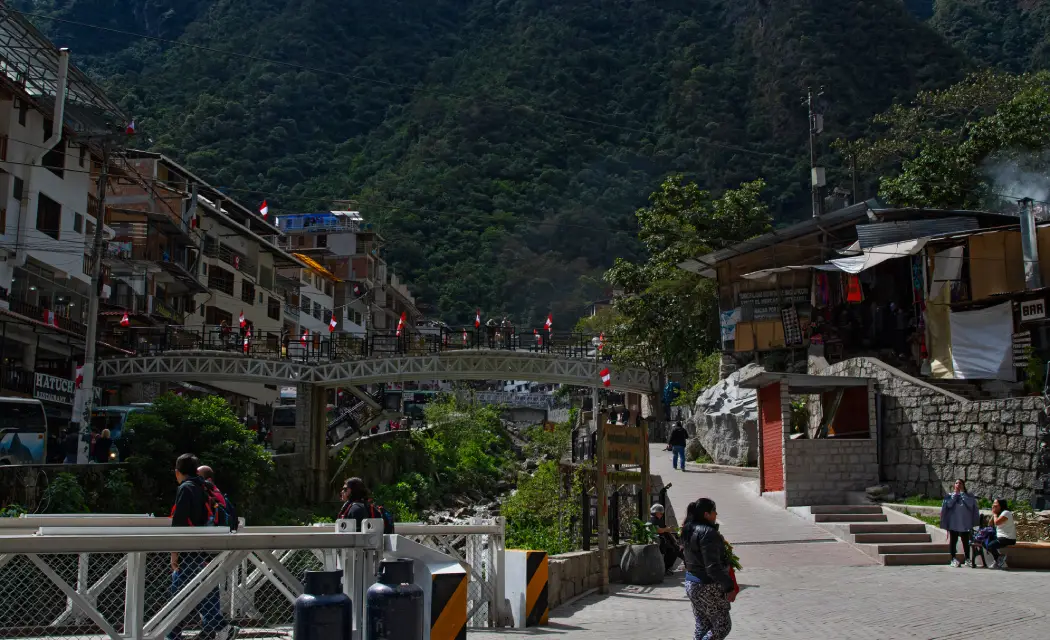
Daily life in Aguas Calientes unfolds below the mountains that surround Machu Picchu. Photo by: Punk Bird.
WORLD WONDER IN THE ANDESMachu Picchu
Discover the history, landscapes, and essential tips for visiting this world wonder.
Best Things to Do in Aguas Calientes: Quick Comparison
Use this table to choose activities according to your available time, energy and train schedule.
| Activity | Time needed | Approx. cost | Best for |
| Hot springs | 1.5–2 hours | About $5–7 USD (S/20–25) | Relaxing after Machu Picchu, Salkantay, Inca Jungle or a long travel day. |
| Mandor Gardens and waterfall | 3–4 hours | About $3 USD (S/10) | Nature, birds, orchids, waterfall and a calm half-day walk. |
| Alcamayo waterfall | 1.5–2 hours | Local fee may apply | Shorter nature walk near town. |
| Manuel Chávez Ballón Museum | 1–1.5 hours | About $6–7 USD (S/22), or included with some Machu Picchu tickets | History, archaeology and better context before or after the citadel. |
| Botanical garden | 30–60 minutes | Usually linked to museum access; verify locally | Orchids, native plants and cloud-forest environment. |
| Butterfly house | 30–45 minutes | About $4–6 USD (S/15–20) | Families, light visit and cloud-forest fauna. |
| Handicraft market | 30–60 minutes | Free entry | Last-minute souvenirs before the train. |
| Stone sculpture circuit | 30–60 minutes | Free | Easy walk, photos and public art around town. |
| Cafés, restaurants and quiet bars | 1–2 hours | Varies | Waiting before the train, dinner after Machu Picchu or rainy afternoons. |
Important note:
Prices and opening hours in Aguas Calientes can change by season, municipality updates, operator rules and demand. Use the amounts in this guide as planning references and verify locally before paying, especially for the hot springs, Mandor, the butterfly house and the museum.
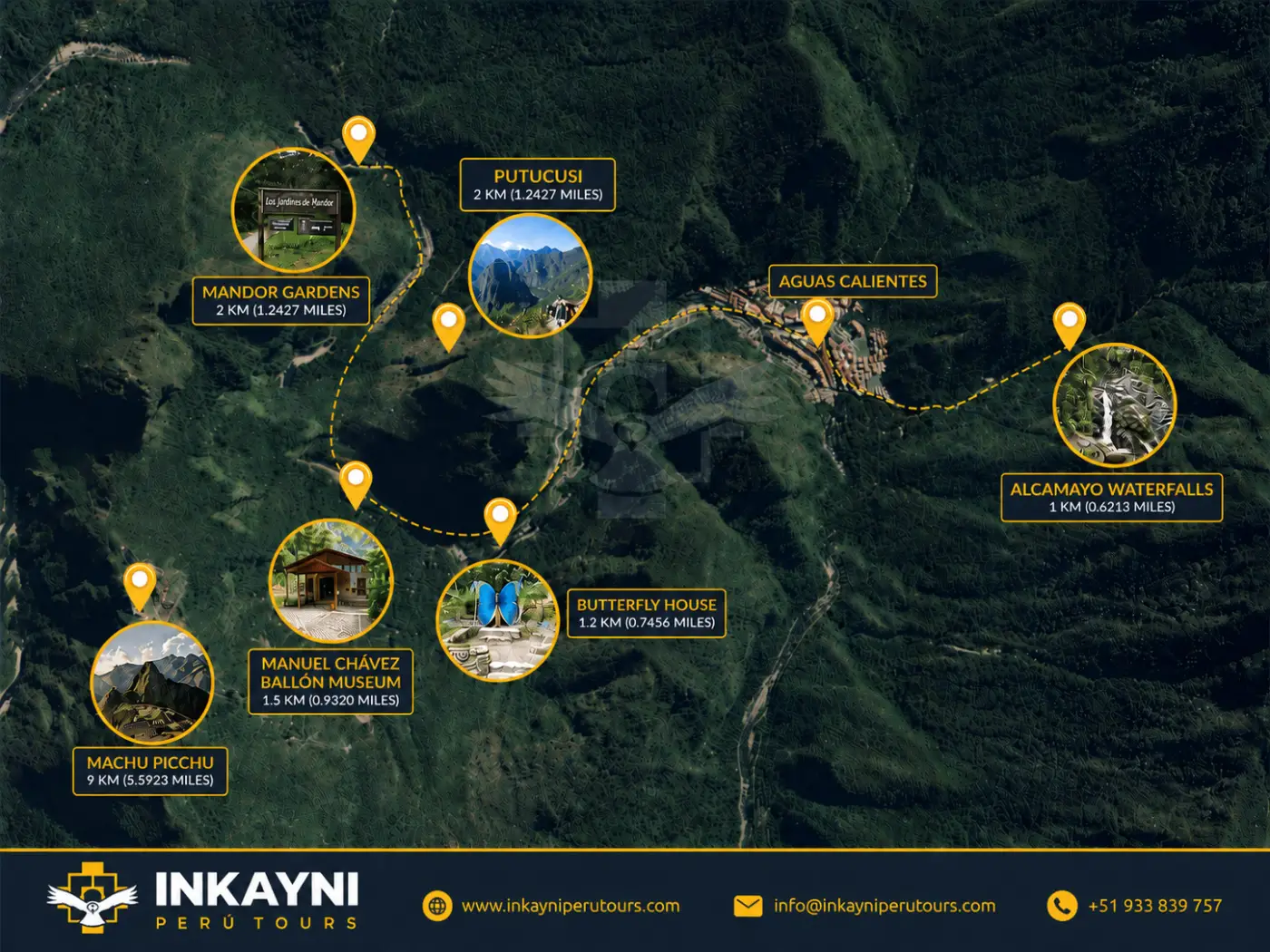
Map of Machu Picchu Pueblo (Aguas Calientes) highlighting the main attractions.
Hot Springs in Aguas Calientes
The hot springs are the most famous activity in town and the reason Aguas Calientes has its name. They sit in the upper part of town and are reached on foot from the main square by walking uphill along Avenida Hermanos Ayar.
They are useful after Machu Picchu, after a trek, or during a rainy afternoon when you want to rest your legs. Keep expectations realistic: the pools are simple and local, not a luxury spa. The water has a natural mineral tone, and the facilities can feel basic during crowded hours.
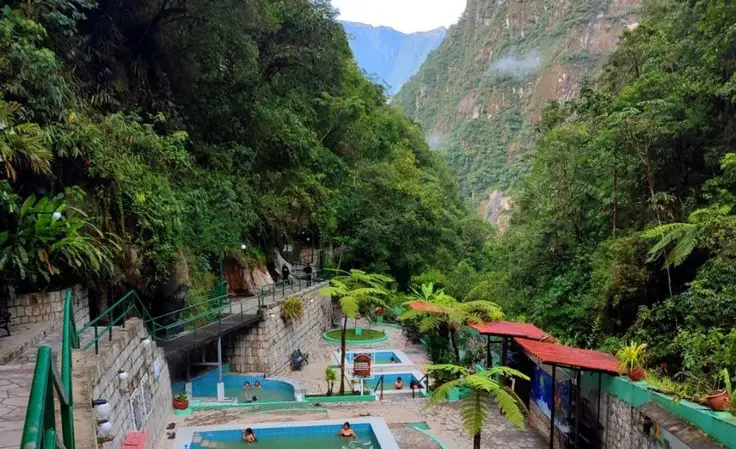
Thermal baths in Aguas Calientes
- Walking time from the main square: about 10 to 20 minutes uphill.
- Common opening reference: around 5:00 a.m. to 8:00 p.m.; verify current hours locally.
- Approx. foreign visitor price: about $5–7 USD (S/20–25).
- What to bring: swimsuit, towel, sandals, cash and a change of clothes.
- Best time: early morning for fewer people or late afternoon after visiting Machu Picchu.
Thermal baths in Aguas Calientes sit among green slopes near Machu Picchu. Photo by: Cusco Lodge Hotel Boutique.
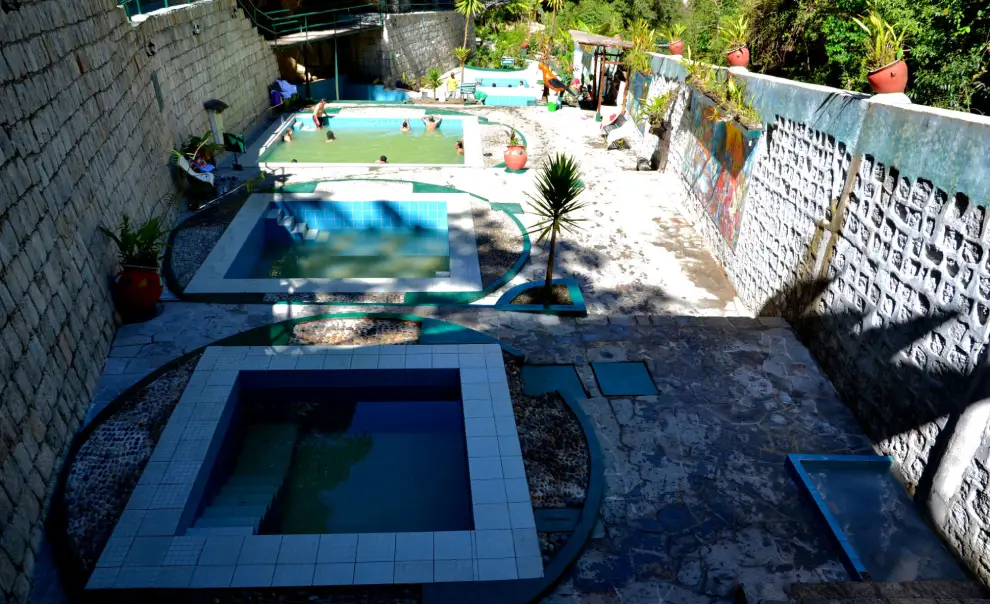
Sunlight falls over the hot spring pools in the mountain valley of Aguas Calientes. Photo by: Machupicchu Terra.
Mandor Gardens and Waterfall
Mandor is the best nature activity near Aguas Calientes if you have a free half day. The route follows the railway direction toward Hidroelectrica and enters a private natural area with vegetation, birds, orchids, fruit trees and a waterfall.
This activity is better for travelers who already slept in town or have a late return train. It is not ideal if you are rushing after Machu Picchu with only one or two hours before departure.
- Access route: walk from Aguas Calientes toward the railway route to Hidroelectrica.
- Walking time: around 1 hour each way from town, depending on pace.
- Visit time: about 3 to 4 hours including the walk and time inside.
- Approx. entrance fee: about $3 USD (S/10), subject to local updates.
- Bring: water, insect repellent, comfortable shoes, rain layer and camera.
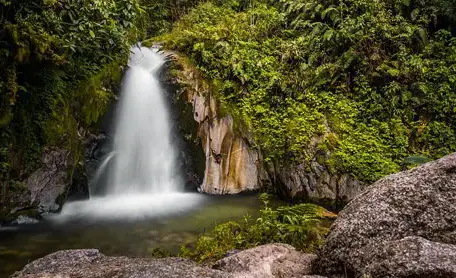
Mandor waterfall runs through dense vegetation near Aguas Calientes. Photo by: Tour in Peru.
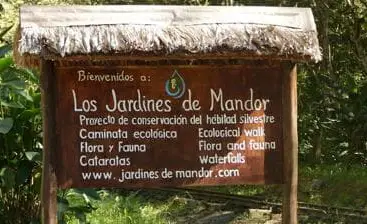
The entrance to Mandor Gardens marks a quiet ecological trail near Aguas Calientes. Photo by: Machupicchu Terra.
Alcamayo Waterfall
Alcamayo is a shorter nature activity near town. It works well if you want a lighter walk than Mandor and still want vegetation, water and a break from the busiest streets of Aguas Calientes.
The trail is usually simple, but conditions can change after rain. Ask locally before going, wear shoes with grip and avoid starting too late in the afternoon.
[INSERT IMAGE HERE: Alcamayo waterfall near Aguas Calientes, vertical or horizontal image with visible waterfall and green vegetation.]| Alcamayo detail | Planning reference |
| Best for | Short nature walk, waterfall, humid forest and a quieter break near town. |
| Time needed | About 1.5 to 2 hours depending on pace, trail condition and photo stops. |
| Bring | Cash, water, insect repellent, shoes with grip and rain protection. |
| Best moment | Morning or early afternoon, especially during rainy months. |
Manuel Chávez Ballón Museum and Botanical Garden
The Manuel Chávez Ballón Site Museum is one of the best activities if you want to understand Machu Picchu beyond the postcard view. It explains the archaeological research, objects, construction logic and historical context of the Inca city.
The museum is located outside the town center, on the road toward Machu Picchu near Puente Ruinas. It can be visited before or after the citadel if your timing allows it. The nearby botanical garden adds a natural layer with plants, orchids and cloud-forest species from the sanctuary.
- Walking time from town: about 30 to 40 minutes, depending on starting point.
- Approx. price: about $6–7 USD (S/22), though access may be included with some Machu Picchu tickets.
- Best for: archaeology, context, rainy days and travelers with a late train.
- Practical tip: combine it with the butterfly house or the walk toward Puente Ruinas.
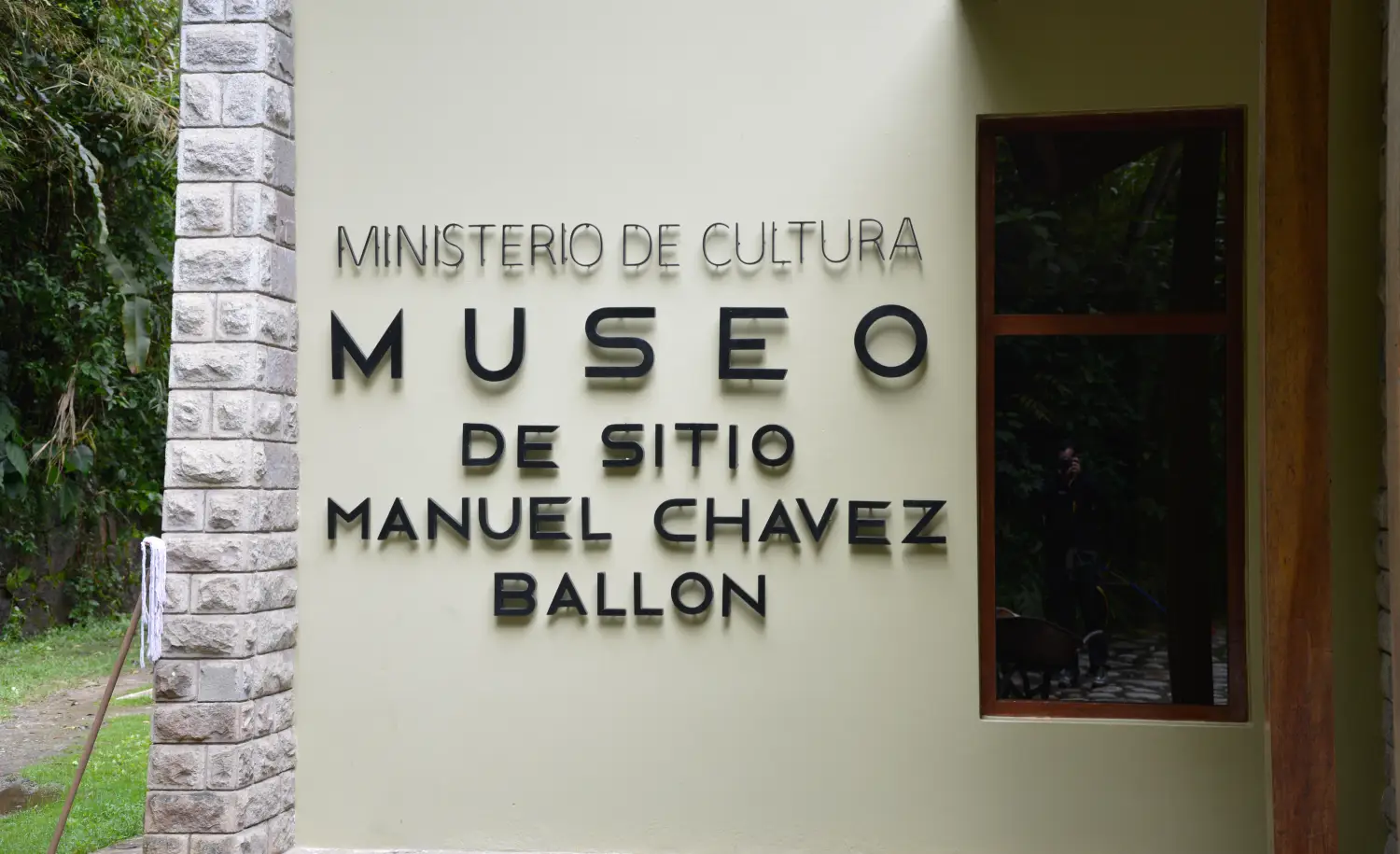
The Manuel Chavez Ballon Museum preserves part of the archaeological memory of Machu Picchu. Photo by: Gaël Beure.
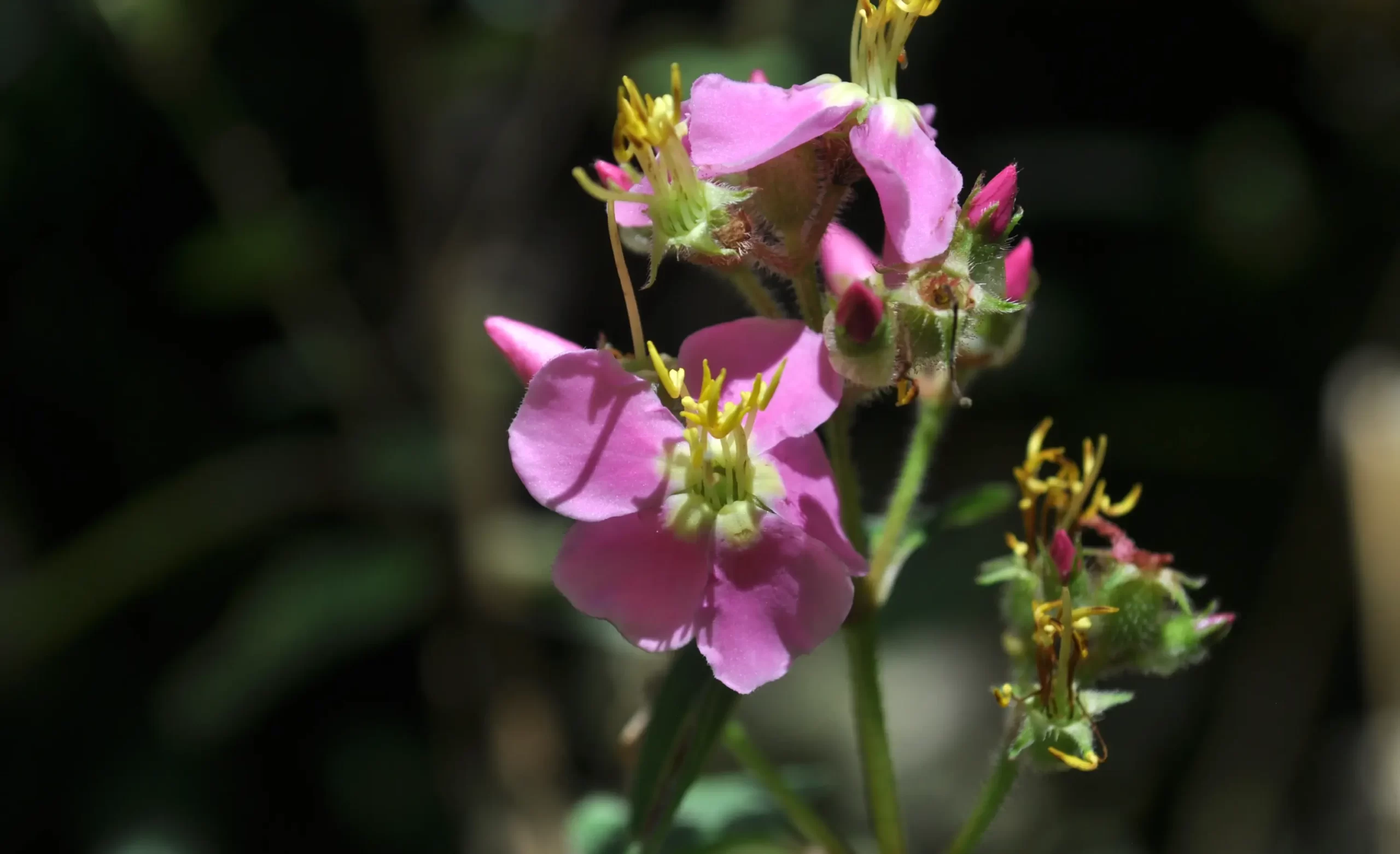
The botanical garden near the Machu Picchu Museum gathers native plants from the surrounding cloud forest. Photo by: Congo Chris.
Butterfly House Near Aguas Calientes
The butterfly house, often called the Mariposario, is a small educational project near the road toward Machu Picchu. It is a good stop for families, travelers with children, or anyone interested in the cloud-forest environment around the sanctuary.
The visit is usually short and easy. You can learn about the butterfly life cycle, see local species and understand why the humid forest around Machu Picchu is biologically rich.
- Walking time from town: about 15 to 25 minutes.
- Visit time: about 30 to 45 minutes.
- Approx. price: about $4–6 USD (S/15–20), subject to local updates.
- Best for: families, light activity, rainy-day backup and biodiversity.
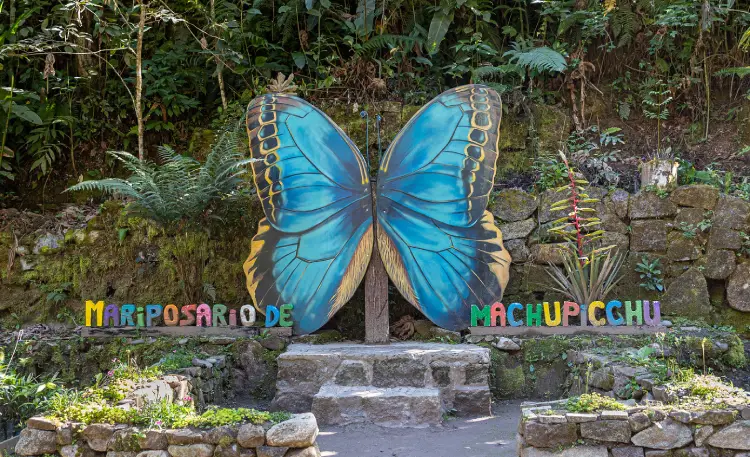
The butterfly area in Aguas Calientes shows the quieter life of the mountain forest. Photo by: Leaning Ladder.
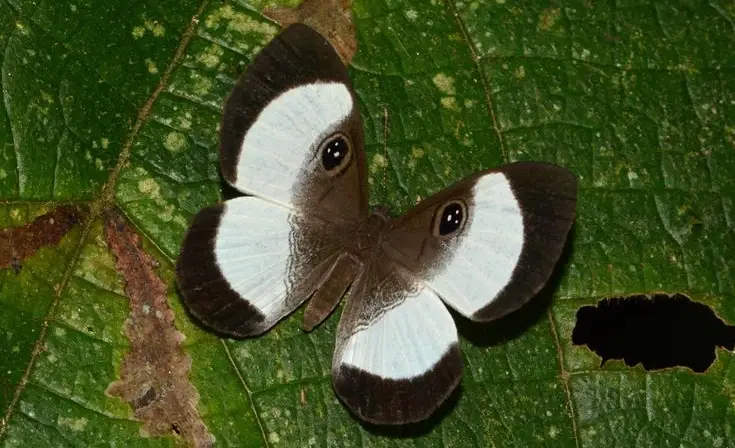
A black and white butterfly rests in the cloud forest environment near Machu Picchu. Photo by: Ken Kertell.
Handicraft Market Next to the Train Station
The handicraft market is one of the easiest activities in Aguas Calientes because it sits beside the train station. You can browse textiles, ceramics, small bags, souvenirs, alpaca-style garments, jewelry, postcards and decorative pieces.
Prices are often more tourist-oriented than in Cusco or Pisac, but the market is convenient. It is especially useful if you have 30 to 60 minutes before your train and do not want to walk far.
- Location: next to the train station.
- Entry: free.
- Best for: last-minute souvenirs, light shopping and rainy-day browsing.
- Payment tip: carry cash and small bills.
- Bargaining tip: compare prices calmly and bargain respectfully.
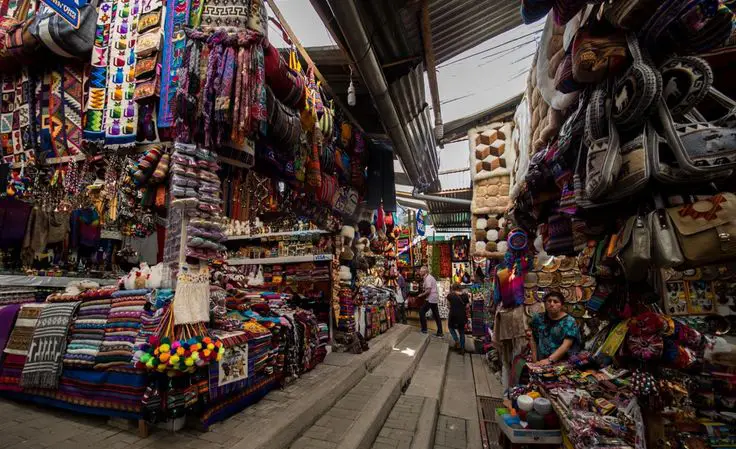
A sensory walk through the handicrafts of Aguas Calientes. Photo by: Will Tang.
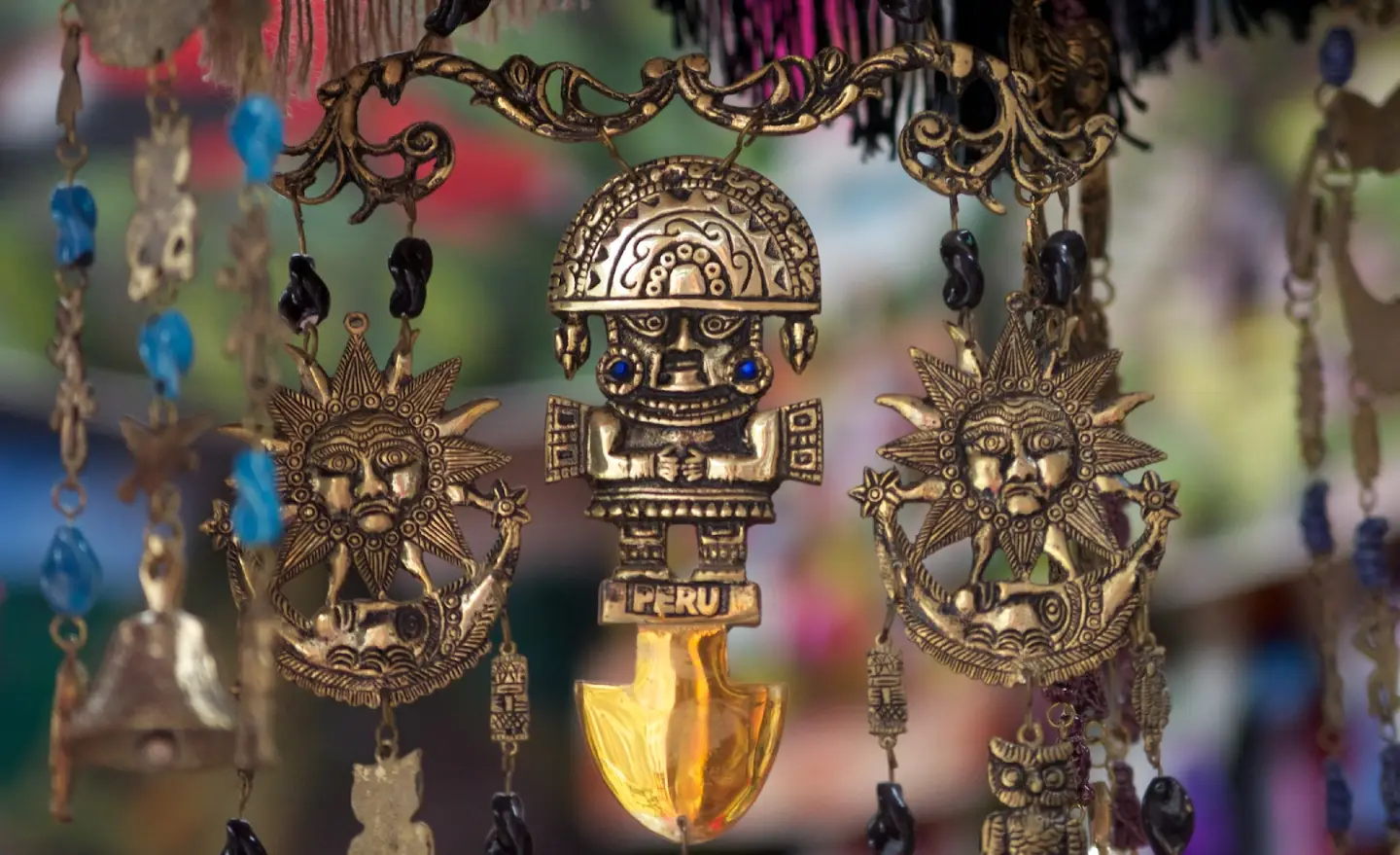
Golden shine among Inca-style ornaments in Aguas Calientes. Photo by: Hyee Haw.
Stone Sculpture Circuit
Aguas Calientes has an open-air sculpture circuit that many travelers notice only while walking between the train station, bridges and river areas. The sculptures represent Andean figures, animals, sacred beings and symbolic faces carved in stone.
This activity is free, easy and useful when you do not have enough time for a longer hike. It also works well at sunrise or late afternoon, when the light is softer and the streets feel calmer.
- Location: around the river, bridges and central pedestrian areas.
- Time needed: 30 minutes to 1 hour.
- Cost: free.
- Best for: photos, light walk, public art and a calm town activity.
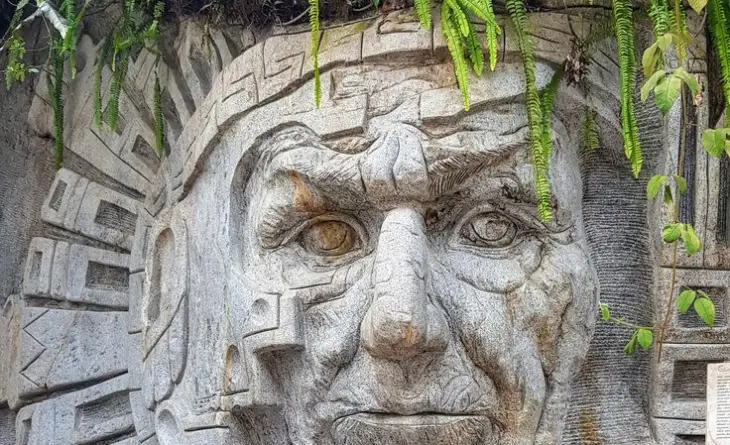
A stone sculpture of Wiracocha brings Andean sacred imagery. Photo by: Viaje Propio.
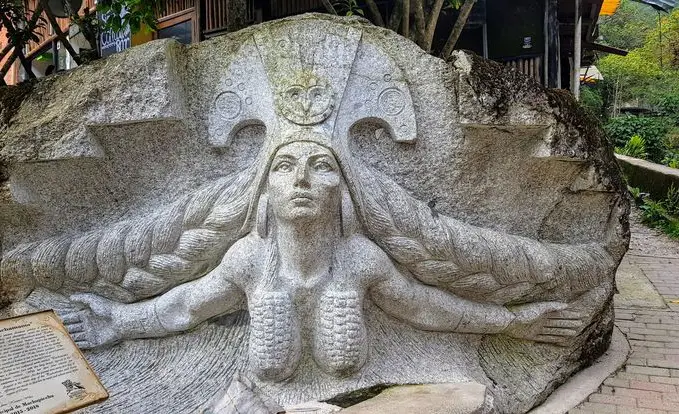
A stone sculpture of Pachamama, Mother Earth. Photo by: Viaje Propio.
Food, Cafés and Quiet Bars in Aguas Calientes
Aguas Calientes has many restaurants because almost every traveler passes through town before or after Machu Picchu. You will find Peruvian food, trout, lomo saltado, pizzas, cafés, craft beer, hotel restaurants and tourist menus.
The town is not the best place for a long nightlife plan if you have an early Machu Picchu entry. A quiet dinner, a hot drink, a beer or a light meal works better than staying out late before the visit.
- Best before Machu Picchu: light dinner, early sleep and snacks ready for the next morning.
- Best after Machu Picchu: trout, soup, pasta, lomo saltado or a relaxed meal near the river.
- Best while waiting for the train: cafés, casual restaurants or places close to the station.
- Budget tip: look beyond the most visible tourist streets for simpler menus.
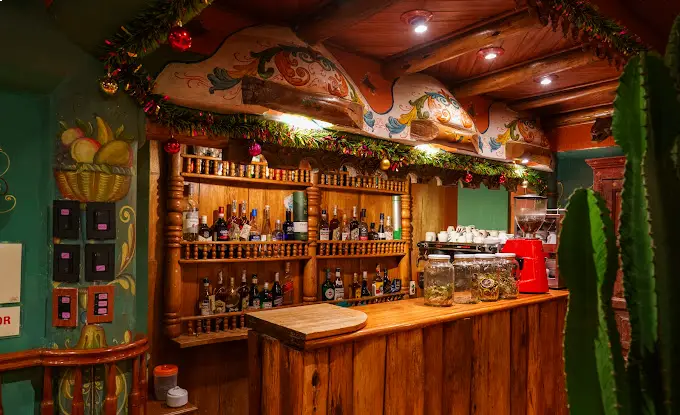
Peruvian fusion food adds another layer to the stay in Aguas Calientes. Photo by: Darryl Sato.
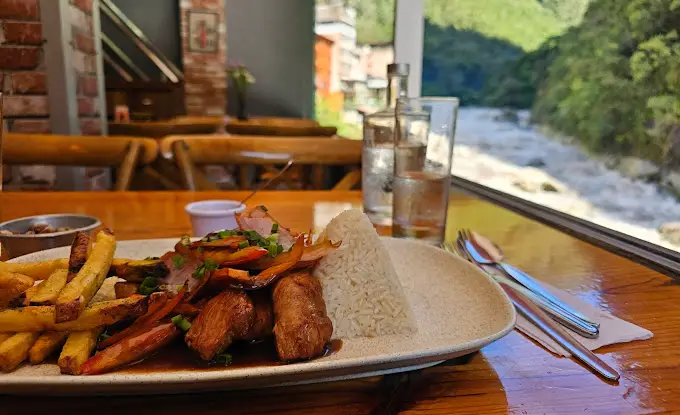
Lomo saltado served beside the Urubamba River in Aguas Calientes. Photo by: Fanjia Jin.
Putucusi Mountain: What to Know Before Considering It
Putucusi is the mountain in front of Machu Picchu and Aguas Calientes. Years ago, it was known as an adventurous hike with steep wooden ladders and unusual views of the sanctuary. Today, it should not be treated as a normal tourist activity.
Access has been unsafe or restricted for long periods, and route conditions can change because of missing ladders, vegetation, rain, landslides and lack of maintenance. Do not attempt this route unless reliable local authorities confirm that it is open and safe. For most travelers, the safer choices are official mountain routes inside Machu Picchu, such as Huayna Picchu, Machu Picchu Mountain or Huchuy Picchu when available.
Safety warning:
Putucusi is not a route to improvise. If it is closed, unsafe or not officially recommended, do not enter. A free viewpoint is not worth an accident before or after Machu Picchu.
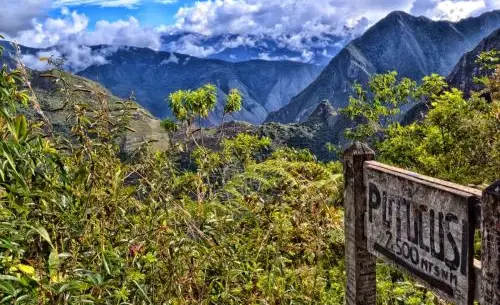
The start of the Putucusi Mountain trail near Aguas Calientes. Check current access before considering it. Photo by: Andina.
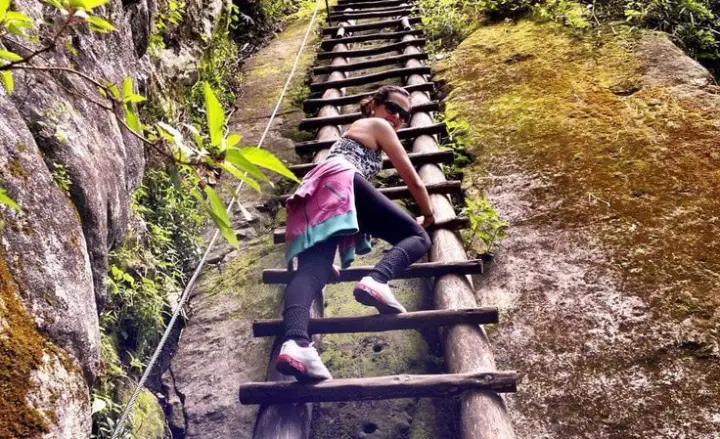
The steep stairway on the Putucusi Mountain trail shows why safety verification matters. Photo by: Oscar Montalvo.
Guides to plan Aguas Calientes without mixing intentions
What to Do Before the Train
If your return train leaves soon, choose activities close to the station. Do not walk to Mandor, Alcamayo or the museum unless you have enough time and daylight.
| Available time | Best activity |
| 30 minutes | Handicraft market, coffee near the station or stone sculptures nearby. |
| 1 hour | Market plus a simple meal or café. |
| 2 hours | Hot springs, butterfly house, museum only if timing and location work. |
| Half day | Mandor, Alcamayo, museum and botanical garden, or a slower lunch plus market. |
What to Do After Visiting Machu Picchu
After Machu Picchu, your body and timing matter more than your wish list. If you walked up, climbed a mountain route or arrived after a trek, avoid adding another demanding hike. Choose recovery, food, hot springs or a short cultural stop.
| After Machu Picchu situation | Best choice |
| Tired after the visit | Meal, hotel rest, hot springs or quiet café. |
| Late return train | Museum, botanical garden, butterfly house or handicraft market. |
| Rainy afternoon | Hot springs, museum, café, restaurant or market. |
| Still energetic | Alcamayo or short town walk; Mandor only if you have enough time. |
What to Do If You Sleep One Night in Aguas Calientes
One night is the most common plan. It gives enough time to arrive, rest, visit one light activity and prepare for Machu Picchu the next day.
Simple one-night plan
- Arrival afternoon: check in, walk around town, visit the handicraft market or hot springs.
- Evening: early dinner, prepare ticket and daypack.
- Next morning: bus or walk to Machu Picchu according to your entry time.
- After the visit: lunch, museum or market if your train leaves later.
What to Do If You Stay Two Nights
Two nights give you real breathing room. This is the best option if you want to explore Aguas Calientes instead of treating it only as the station town.
Two-night plan
- Day 1: arrive by train or Hidroelectrica, visit hot springs or market.
- Day 2: visit Machu Picchu, then recover with dinner or hot springs.
- Day 3: Mandor, Alcamayo, museum, botanical garden or butterfly house before return train.
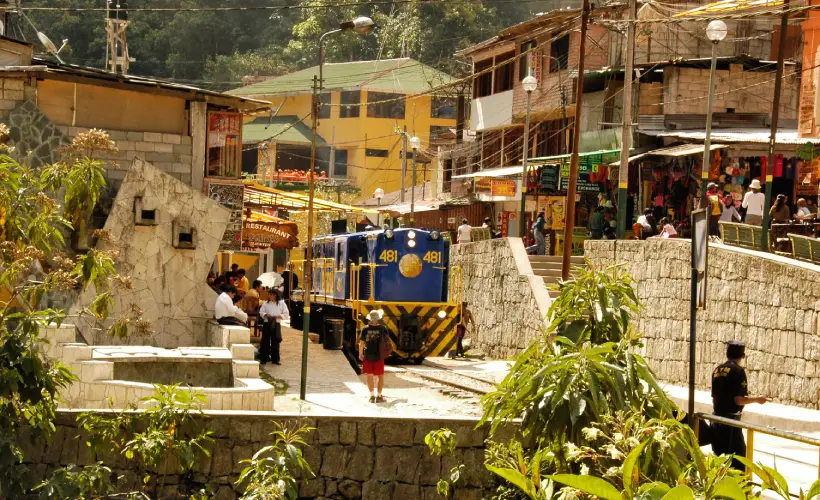
Railroad tracks run through Aguas Calientes. Photo by: Matt B. Diehl.
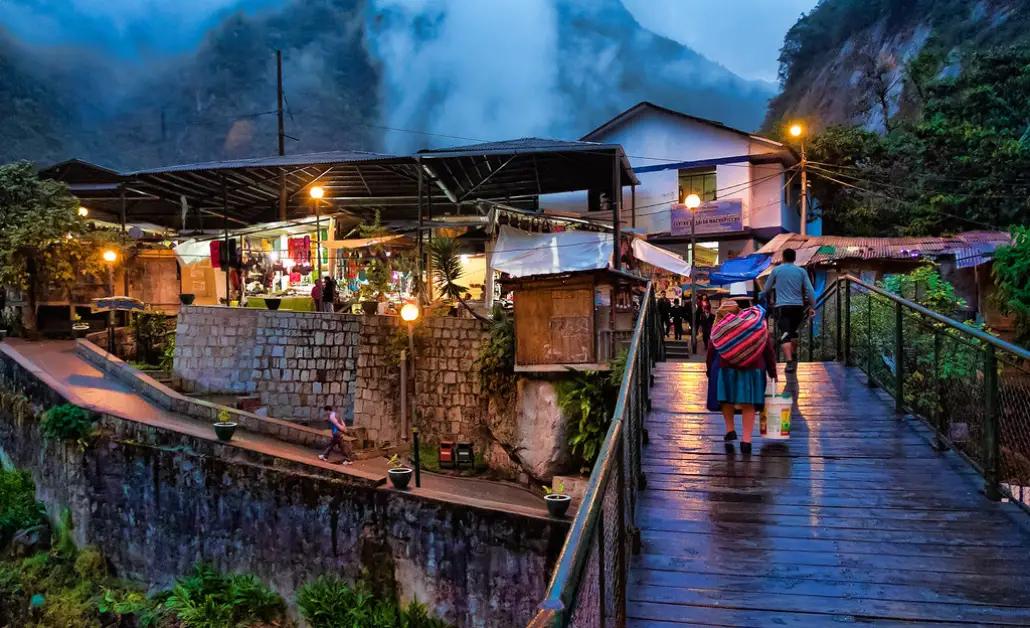
A cloudy day softens the colors of Aguas Calientes. Photo by: Ramon C.
Best Activities by Weather
Aguas Calientes is humid and rain can appear even outside the wettest months. Choose activities according to weather, not only according to your original plan.
| Weather | Recommended activities |
| Clear morning | Mandor, Alcamayo, stone sculptures, museum road or butterfly house. |
| Light rain | Hot springs, museum, cafés, market or short town walk with rain gear. |
| Heavy rain | Avoid longer nature walks. Choose museum, restaurant, café, market or hotel rest. |
| After a long trek | Hot springs, dinner, massage if available, and early sleep. |
For broader planning, check Machu Picchu weather by month before deciding whether to add Mandor, Alcamayo or outdoor walks.
What Not to Do in Aguas Calientes
- Do not treat Putucusi as a normal open tourist hike without current local verification.
- Do not plan Mandor if your train leaves soon.
- Do not leave your passport, train ticket or Machu Picchu ticket in checked luggage.
- Do not assume every local attraction accepts cards.
- Do not stay out late if your Machu Picchu entry is early.
- Do not confuse town activities with what your official Machu Picchu circuit allows inside the citadel.
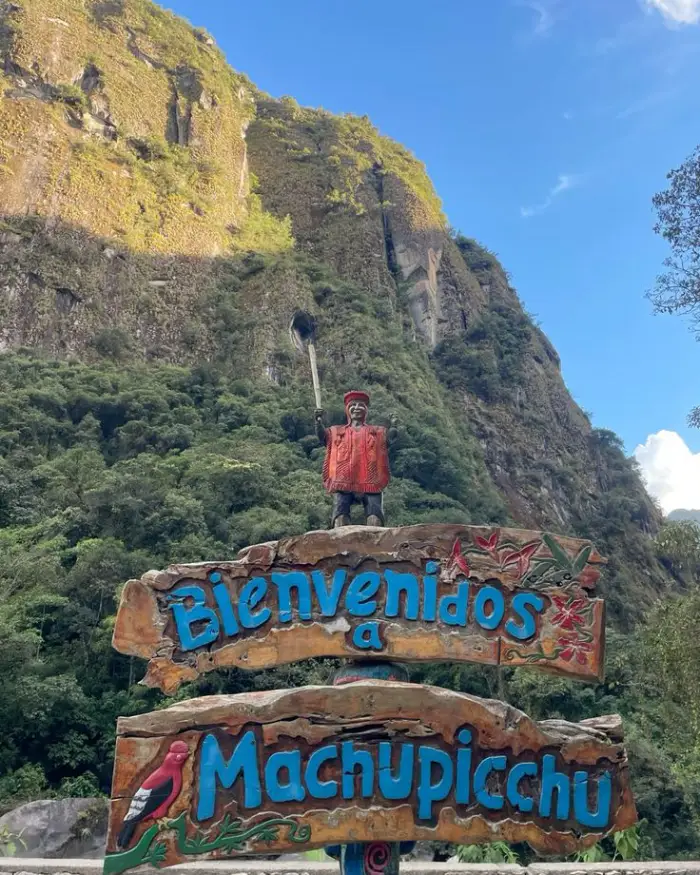
The welcome sign in Aguas Calientes. Photo by: Marisa Stoker.
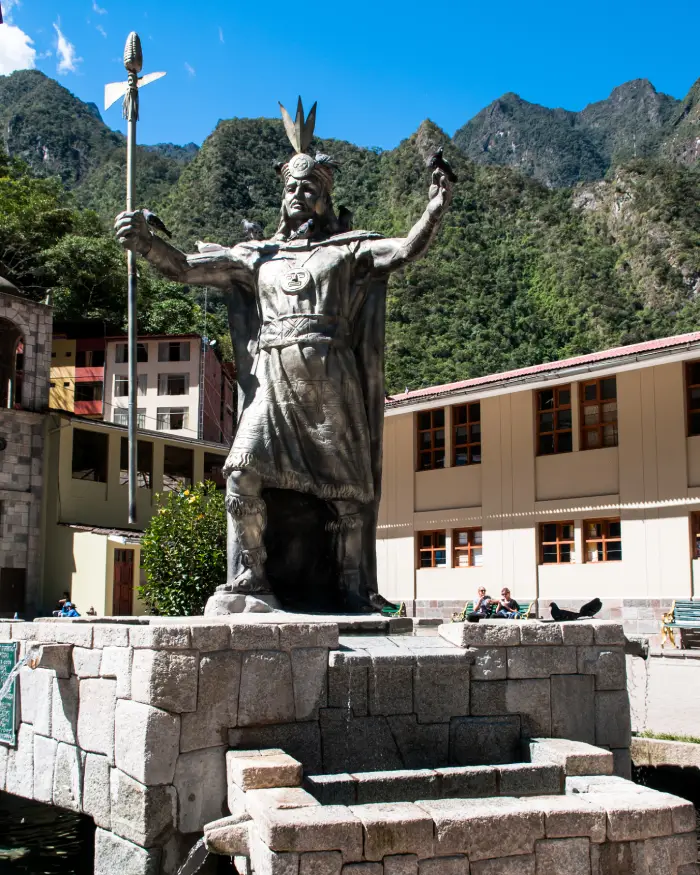
An Inca statue at the entrance of Aguas Calientes. Photo by: H. Y.
Plan Your Stay in Aguas Calientes Without Rushing
Aguas Calientes works better when you choose activities according to your actual schedule. A traveler arriving late by train should not plan the same activities as someone staying two nights. A traveler tired after Salkantay or Inca Jungle should not plan the same way as someone arriving fresh from Ollantaytambo.
Contact Inkayni Peru Tours if you want help coordinating your train, hotel, Machu Picchu ticket, bus, guide and free time in Aguas Calientes.
Frequently Asked Questions About Things to Do in Aguas Calientes
What are the best things to do in Aguas Calientes?
Is Aguas Calientes worth visiting beyond Machu Picchu?
Are the hot springs in Aguas Calientes worth it?
Can I visit Mandor Gardens before my train?
What can I do in Aguas Calientes if it rains?
Is Putucusi Mountain open?
What can I do in Aguas Calientes with only one hour?
Is the butterfly house good for families?
How many nights should I stay in Aguas Calientes?
What is the difference between Aguas Calientes and Machu Picchu Pueblo?
Escrito por


Shared:


If you liked this article and the information you found, give us 5 stars!
 (Ninguna valoración todavía)
 Loading...