The Choquequirao Trek 5 Days gives this route something the faster versions cannot: time. You still descend deep into the Apurímac Canyon, climb hard toward Marampata and sleep in remote camps, but the effort is distributed more intelligently and Day 3 belongs to Choquequirao itself.
That extra day changes the experience. It means a steadier pace, more time inside the ruins and a better chance to reach sectors that rushed itineraries may leave out. The trek remains demanding, but it feels less like a race and more like a journey worth earning.
| 5 daysclassic pace | 36-38 miapprox. total route | Day 3main ruins visit | Moderate-hardbetter paced |
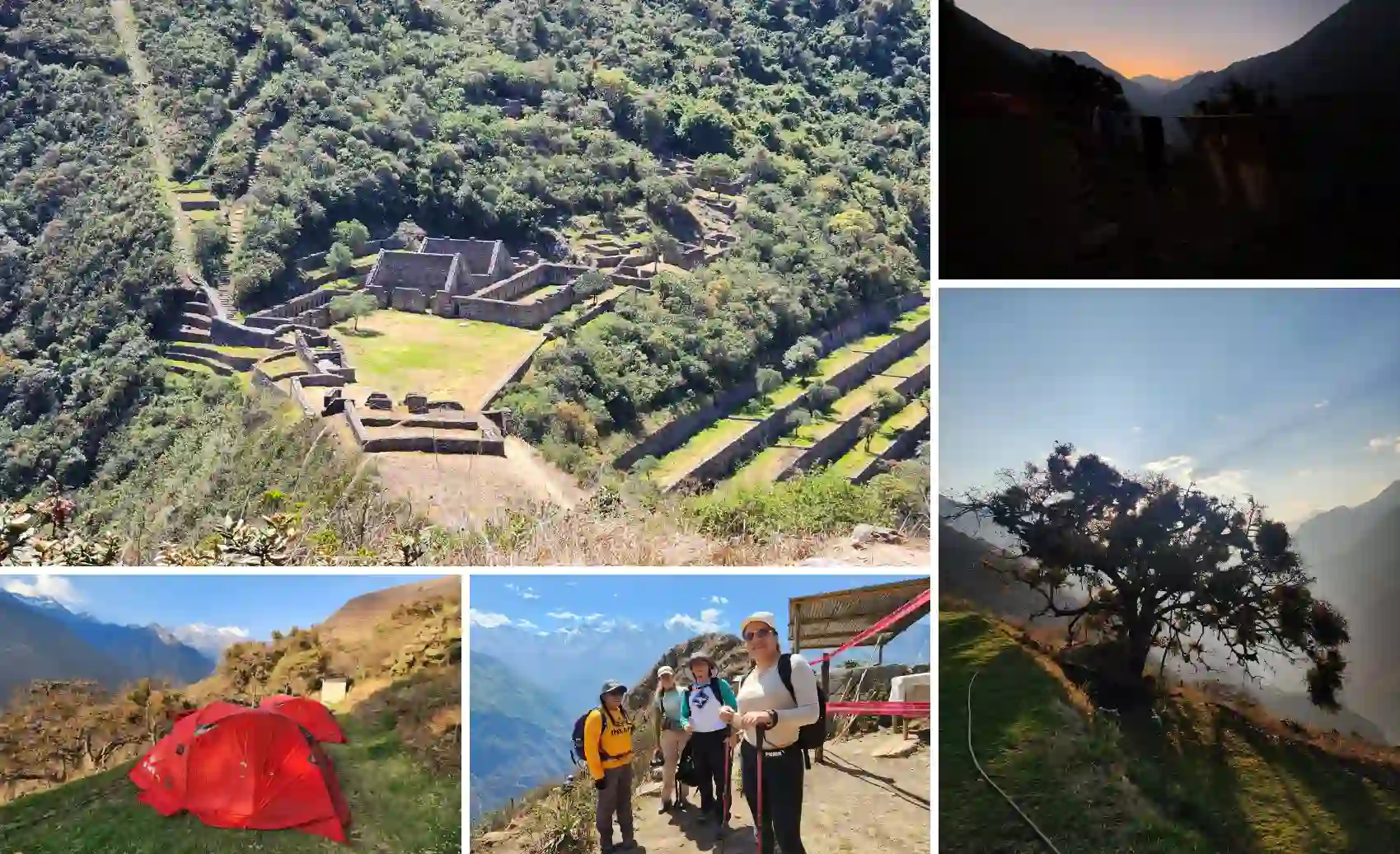
A balanced five-day route to Choquequirao, with time to hike and actually explore.
LOST CITADEL TREKChoquequirao Trek
Hike to one of Peru’s most impressive and least crowded Inca archaeological sites.
The 5-day version makes more sense beside the broader Choquequirao route and other long Peru treks such as the Inca Trail, the Salkantay Trek, the Lares Trek, or the Ausangate Trek. The difference is not only distance, but how the effort is distributed and how much real time you keep for Choquequirao itself.
What Is the Choquequirao Trek 5 Days?
The Choquequirao Trek 5 Days is the classic, better-paced version of the route to Choquequirao. Instead of compressing the canyon descent, steep ascent and archaeological visit into fewer days, it gives your body more time to handle the effort and gives the ruins more time to matter.
This does not make the trek easy. Choquequirao still requires strong legs, patience, heat management and several nights away from normal services. The difference is that the 5-day itinerary feels more balanced than the 4-day version, especially for travelers who want to enjoy Choquequirao without turning the whole trip into a race.
Important note:
The 5-day route is still a real trek, not a soft walk. It is more manageable than the 4-day version, but beginners should still prepare with training, acclimatization and realistic expectations.
Choquequirao Trek 5 Days vs 4 Days
The main difference is not the trail itself. The route is similar, but the pace changes. The 5-day trek gives more room to recover, spend time at the archaeological site and avoid pushing every day to the limit.
| Factor | 5-day Choquequirao trek | 4-day Choquequirao trek |
| Best for | Travelers who want a balanced pace and more time at the ruins. | Fit travelers with less time and stronger hiking rhythm. |
| Daily effort | Demanding, but better distributed across the route. | More compressed, with longer and harder days. |
| Time at Choquequirao | Usually fuller and less rushed. | Possible, but tighter and more dependent on group pace. |
| Beginner suitability | Better for active first-time multi-day trekkers. | Not recommended for most beginners. |
| Best planning page | This 5-day guide. | Choquequirao Trek 4 Days. |
Choose the right Choquequirao route
Choquequirao Trek 5 Days Itinerary
The itinerary below follows a common five-day structure. Camps, exact distances and timing can vary by operator, weather, trail conditions and group pace. The advantage of the 5-day version is that the main Choquequirao visit happens as its own day, not as something squeezed between long trail sections.
Day 1: Cusco to Capuliyoc to Chiquisca
Day 1 snapshot: drive to Capuliyoc and descend toward Chiquisca.
Focus: start steady and adapt to canyon heat
The journey starts early with a drive from Cusco toward Capuliyoc, a natural viewpoint above the Apurímac Canyon. After the first views, the trek begins with a steady descent toward Chiquisca, where many groups spend the first night.
| Day 1 detail | Reference |
| Main route | Cusco to Capuliyoc, then hike down toward Chiquisca. |
| Trail character | Scenic descent, exposed views and warmer canyon terrain. |
| Approx. hiking time | About 4 to 5 hours, depending on pace and stops. |
| Difficulty | Moderate, mostly because of the long downhill and heat. |
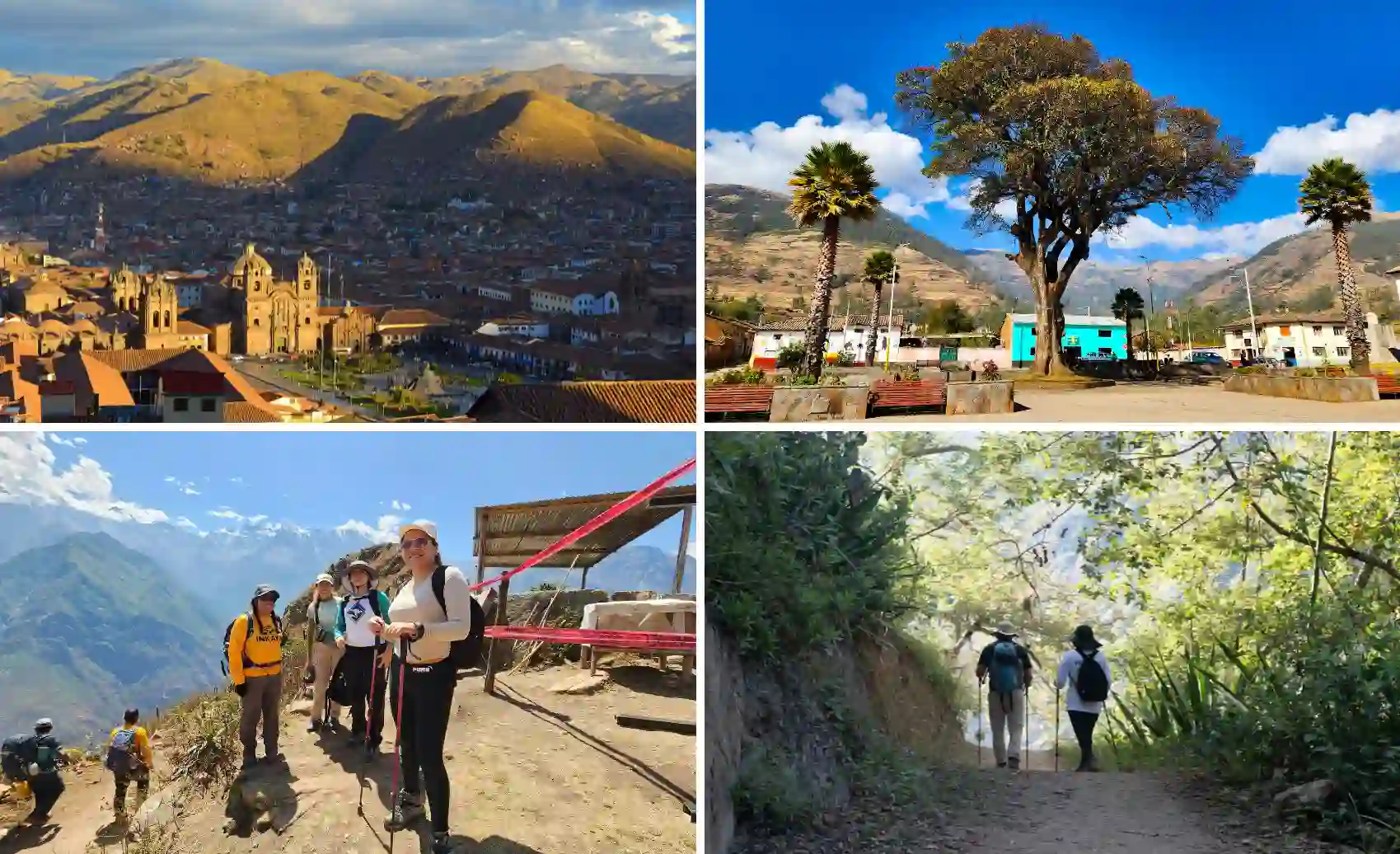
Day 1 starts with big views and a steady descent into the Apurímac Canyon.
Day 2: Chiquisca to Playa Rosalinas to Marampata
Day 2 snapshot: cross the river area and climb to Marampata.
Focus: the main physical test of the trek
Day 2 is usually the hardest physical day. The trail continues down toward Playa Rosalinas near the Apurímac River, then climbs strongly toward Marampata. This ascent is the section that makes Choquequirao feel like a serious trek.
| Day 2 detail | Reference |
| Main route | Chiquisca to Playa Rosalinas, then climb to Marampata. |
| Trail character | River crossing area followed by a long, sustained ascent. |
| Approx. hiking time | About 6 to 7 hours, depending on pace and conditions. |
| Difficulty | High, especially in heat or if you start too fast. |

Day 2 is the turning point: river crossing, then the toughest climb to Marampata.
Day 3: Marampata to Choquequirao to Marampata
Day 3 snapshot: visit Choquequirao with more time and less pressure.
Focus: ruins, photos and deeper exploration
Day 3 is the reason many travelers choose the 5-day itinerary. You hike from Marampata to Choquequirao and spend real time exploring the archaeological site. A good visit can include the main plaza, terraces, ceremonial areas, viewpoints and, when time and pace allow, more distant sectors.
| Day 3 detail | Reference |
| Main route | Marampata to Choquequirao, guided site visit and return to Marampata. |
| Trail character | Shorter hiking day focused on the archaeological complex. |
| Approx. visit time | Often several hours, depending on the itinerary and group pace. |
| Key advantage | More time to understand the ruins without rushing the return. |
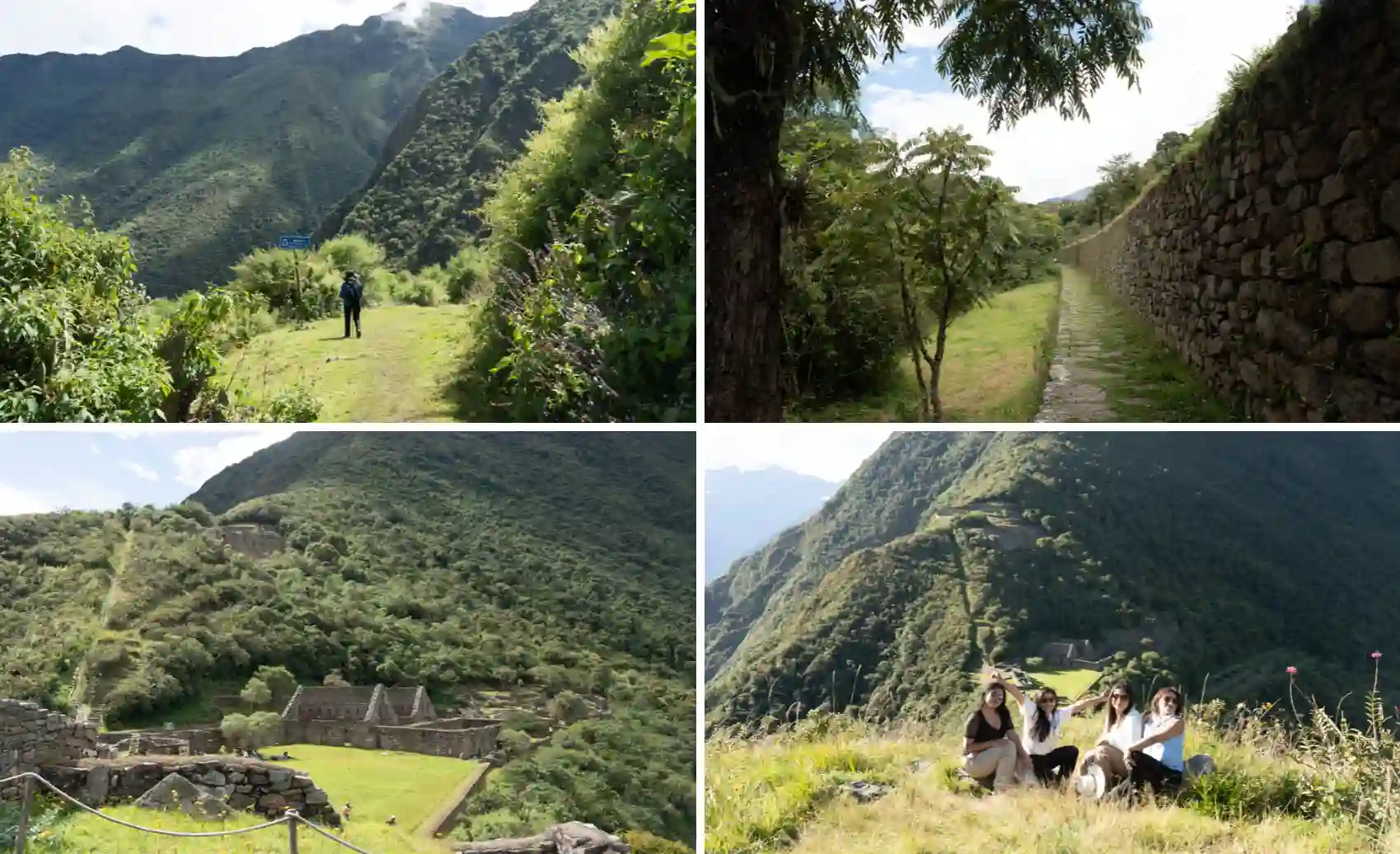
Day 3 is the reward: temples, terraces and real time inside Choquequirao.
Day 4: Marampata to Playa Rosalinas to Chiquisca
Day 4 snapshot: begin the return from Marampata through the canyon.
Focus: long descent and controlled pacing
The return begins with a descent from Marampata toward Playa Rosalinas. After crossing the canyon area again, the trail continues toward Chiquisca. The day is demanding, but the 5-day pace gives more recovery than trying to compress the return too much.
| Day 4 detail | Reference |
| Main route | Marampata to Playa Rosalinas, then toward Chiquisca. |
| Trail character | Long descent, canyon heat and final climb toward camp. |
| Approx. hiking time | About 6 to 7 hours, depending on pace and conditions. |
| Useful gear | Trekking poles help protect the knees on the descent. |
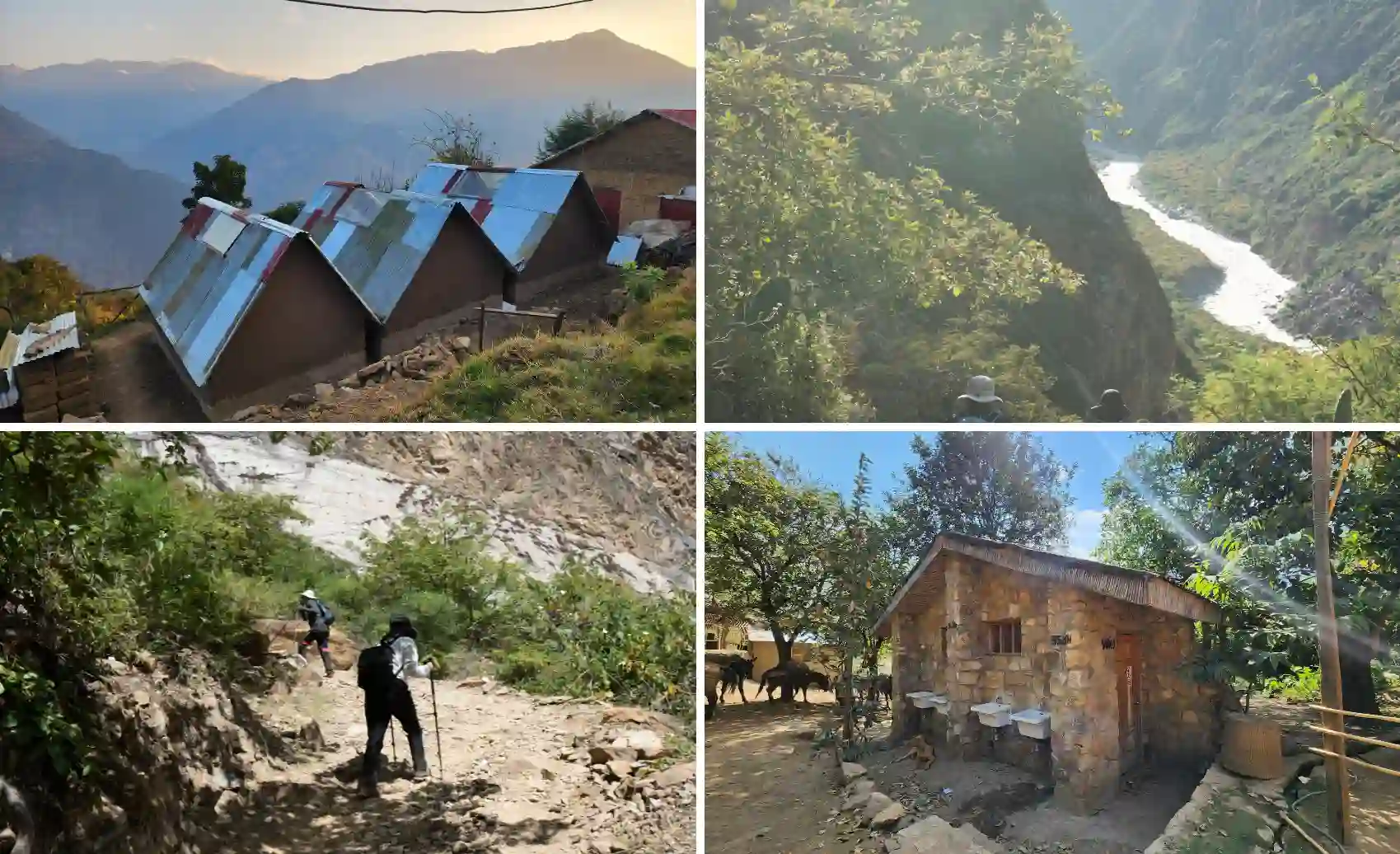
Day 4 is the return: long descent, river crossing and one last push to camp.
Day 5: Chiquisca to Capuliyoc to Cusco
Day 5 snapshot: climb back to Capuliyoc and return to Cusco.
Focus: final push and wide canyon views
The final day climbs back toward Capuliyoc. It is shorter than the hardest days, but the ascent can still feel demanding because your legs are tired. After reaching the viewpoint, transport returns you to Cusco.
| Day 5 detail | Reference |
| Main route | Chiquisca to Capuliyoc, then return by road to Cusco. |
| Trail character | Final climb with wide canyon views. |
| Approx. hiking time | About 3 to 4 hours, depending on pace. |
| Ending point | Capuliyoc viewpoint and return transfer to Cusco. |
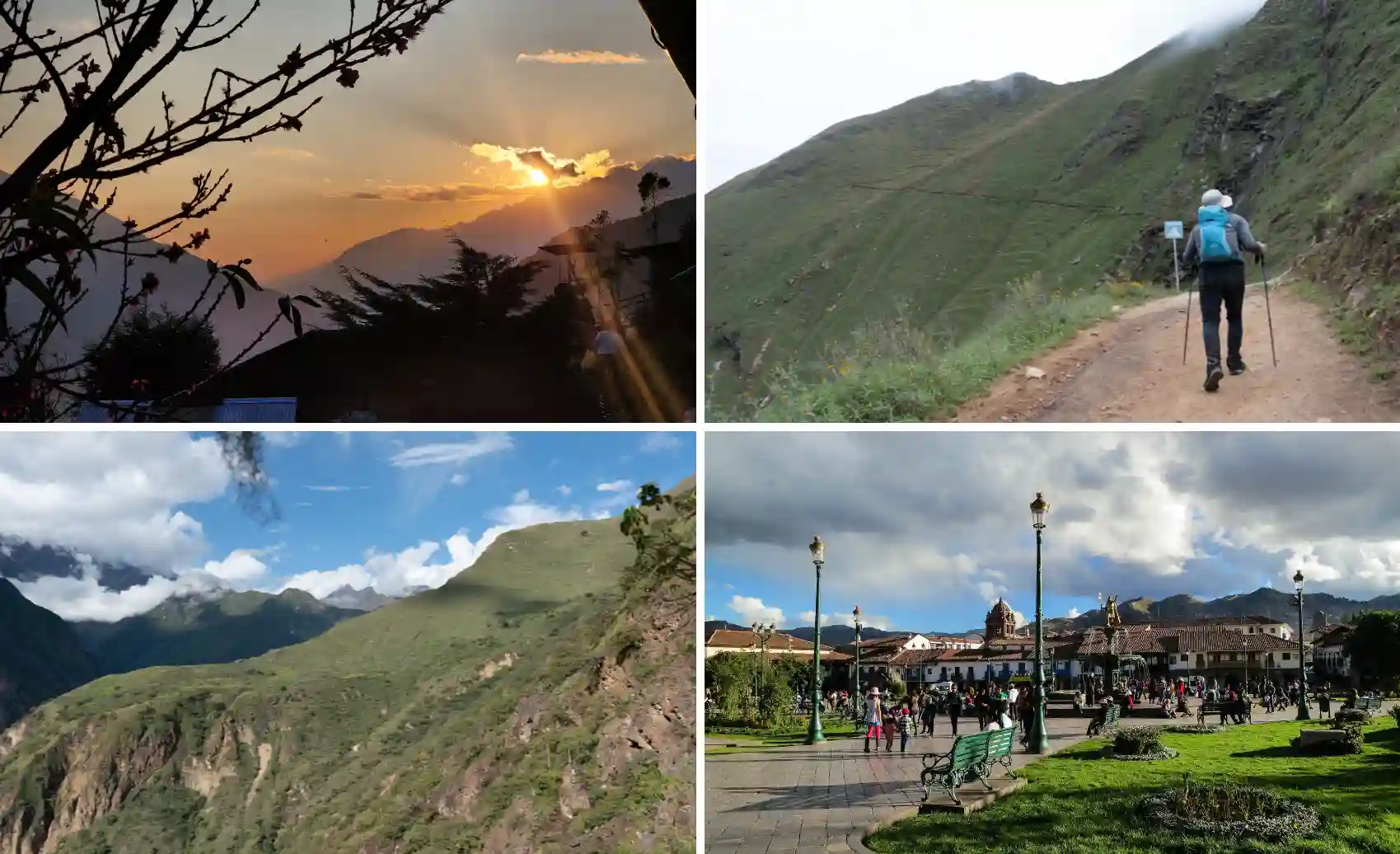
Day 5 closes strong: a final climb and a wide open farewell to the Andes.
Why Choose the 5-Day Choquequirao Trek?
The 5-day version is popular because it protects the experience. You still work hard, but the itinerary gives more space for the landscape, the ruins and your body. That matters on a route where the reward is not only arriving, but having enough energy to understand where you arrived.
- More time at Choquequirao: Day 3 is focused on the archaeological complex, not only passing through it.
- Better distribution of effort: The hardest climbs are still there, but recovery is more realistic.
- More flexible pacing: Guides can adjust stops and timing with less pressure.
- Better for photography: You have more time for viewpoints, ruins and trail scenes.
- More realistic for active beginners: It is still demanding, but less aggressive than the 4-day route.

The five-day pace gives more time for landscapes, rest stops and a fuller visit to the ruins.
How Much Time Do You Spend at Choquequirao?
The exact time depends on the group and guide, but many 5-day itineraries allow several hours for the ruins. This can make the difference between seeing only the central sectors and having enough time to understand terraces, ceremonial areas, viewpoints and hidden details like the stone llamas if conditions allow.
| Aspect | 5-day trek | Faster versions |
| Time on site | Several hours, usually with more margin. | More limited and dependent on group pace. |
| Visit pace | More relaxed and flexible. | More compressed. |
| Sectors covered | Main sectors, with better chance to include extra areas. | Often focused on the central areas. |
| Return to camp | Usually with better timing and less pressure. | Can feel rushed if the group is slow. |
Did you know?
If the stone llamas of Sector VIII matter to you, mention it before the site visit starts. The 5-day trek gives a better chance to include that detour, but it still depends on pace, daylight and route decisions.
Ideal Physical Pace for the 5-Day Trek
The 5-day version is often described as more accessible, but that should be understood correctly. It is more accessible than the 4-day version, not easy in general. You still need to handle canyon heat, steep climbs, camping nights and repeated hiking days.
| Day | Physical feel | Main challenge |
| Day 1 | Moderate | Long descent and heat exposure. |
| Day 2 | High | Strong ascent from the canyon toward Marampata. |
| Day 3 | Low to moderate | Site exploration, short walks and managing energy. |
| Day 4 | High | Long return descent and climb toward camp. |
| Day 5 | Moderate | Final climb to Capuliyoc with tired legs. |
Who Is the Choquequirao Trek 5 Days Best For?
This version is best for travelers who want challenge with more control. It gives you a stronger chance to enjoy the archaeological site, keep a safer pace and still experience the remoteness that makes Choquequirao special.
| Traveler type | Recommendation |
| Active first-time trekker | Possible, if you train and acclimatize properly. |
| Experienced hiker | Good choice if you want a balanced pace rather than a rushed route. |
| Photography-focused traveler | Recommended because the schedule gives more time for views and ruins. |
| Traveler with children or older adults | Only if they are active, prepared and comfortable with multi-day hiking. |
| Traveler with only 4 free days | Compare carefully with the 4-day version, but do not force the route if fitness is uncertain. |
What Should You Pack for the Choquequirao Trek 5 Days?
You need equipment for hot days, cool nights, possible rain and camping conditions. The difference with the 4-day version is not the type of gear, but the amount of clothing and how well you manage weight.
- Footwear: hiking boots or trail shoes with strong grip.
- Sun protection: hat, sunglasses and sunscreen for exposed canyon sections.
- Layers: light hiking shirts, warm layer for camp and rain jacket.
- Hydration: water bottle or hydration system.
- Night essentials: headlamp, personal medication and basic toiletries.
- Support gear: trekking poles are strongly recommended for descents.
How Much Does the Choquequirao Trek 5 Days Cost?
A well-supported Choquequirao Trek 5 Days generally costs between US$540 and US$700 per person. The final price depends mainly on group size, whether the departure is shared or private and which camping, meal and mule services are included.
| Travel style | Estimated price | What to expect |
| Organized guided trek | US$540–700 per person | Guide, transport, meals, camping logistics, cooking team, mule support and entrance arrangements. |
| Private departure for one or two travelers | US$640–1,200+ per person | Higher individual cost because transport, guide, cook and support staff are divided among fewer travelers. |
Inkayni Peru Tours currently publishes its private 5-day service between US$539 and US$639 per person for groups of two to eight travelers. The exact rate decreases as the group becomes larger, so the final price should always be confirmed for your departure date and number of travelers.
Price reference:
The extra day does not always make the 5-day trek dramatically more expensive than the 4-day version. Group size, staffing and service level usually affect the final price more than the additional day alone.
Prepare before choosing a remote trek
Choose the Five-Day Route
The Choquequirao Trek 5 Days keeps everything that makes this journey memorable: the canyon, the long climbs, the camps, the silence and the reward of reaching one of Peru’s most remote Inca sites. What changes is the rhythm. The effort is better distributed, the archaeological visit has its own day and the return does not feel as compressed.
If this is the pace you want, the 5-day Choquequirao Trek with Inkayni Peru Tours includes transport, camps, meals, mule support, entrance arrangements and a local guide, so your energy stays focused on the trail and the time you have inside Choquequirao.