


Table of Contents
Quick Answer
If you want trekking in Cusco with Inca ruins, choose based on your travel style: Choquequirao for a tough, remote citadel; the Classic Inca Trail for the iconic Machu Picchu route; Inca Jungle for a multi adventure trek; or Huchuy Qosqo for a shorter, quieter hike above the Sacred Valley.
From the legendary Inca Trail to the quieter routes to Choquequirao, hiking is often the only way to reach the ancient centers of Andean power.
In this guide, we share 4 trekking routes in Cusco that let you combine archaeology and adventure as you walk original sections of the Qhapaq Ñan, the vast road system that once linked the entire Inca Empire.
Which one best fits your experience level and expectations? Keep reading and plan your next great Inca hike. If you are researching trekking in cusco, this is a strong place to start.

The Sacred Network: Understanding the Inca Road System
Long before the Spanish arrived, the Inca Empire achieved an extraordinary feat of territorial integration: more than 18,641 miles (30,000 kilometers) of roads connected the coast, highlands, and jungle, linking the most distant corners of the Tawantinsuyo.
This network was known as the Qhapaq Ñan, and its purpose was not only practical. It connected sacred routes, political centers, and ceremonial spaces.
| The Qhapaq Ñan: The Great Inca Network | ||
| High altitude engineering | A political and symbolic network | Archaeology along the way |
|
|
|
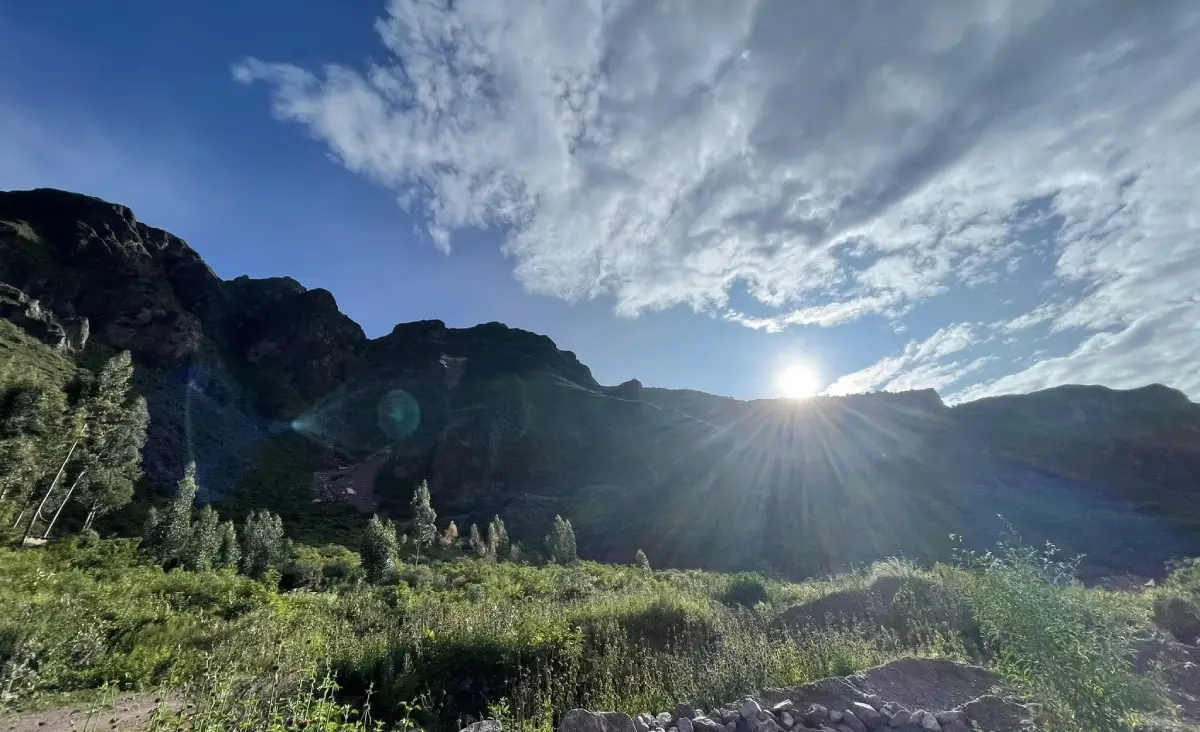
Trekking in Cusco: 4 Unique Hikes to Inca Ruins
Cusco offers very different routes for reaching Inca ruins on foot. Some are famous and in very high demand, like the Inca Trail. Others are quiet and lightly traveled, like Huchuy Qosqo. Here are 4 representative options for different experience levels and travel styles.
1.- Choquequirao Trek: A Challenging Route to a Remote Archaeological Site
The Choquequirao trek is a demanding 5 day hike that connects Cusco with one of the largest and least visited Inca citadels in the country. There is no road access, and the only way to get there is on foot, along a high effort route that is ideal if you want a true wilderness experience far from mass tourism.
- Duration: 5 days of hiking, out and back on the same route.
- Total elevation change: more than 9,843 feet (3,000 meters) of descents and climbs, mainly in the Apurímac Canyon.
- Crowds: low. Daily visitors often stay below 20.
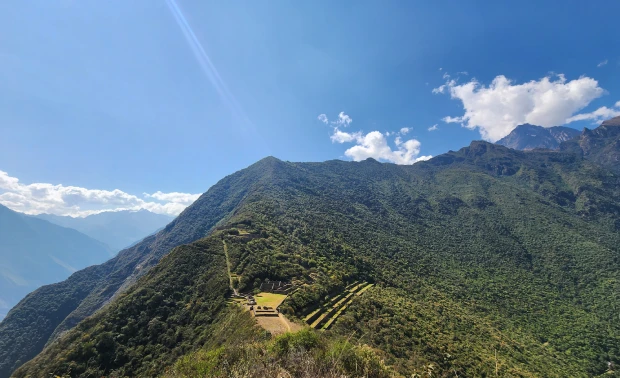
Did you know…?
Only about 30% to 40% of Choquequirao has been excavated. Many structures are still covered by vegetation, which gives it the feel of a “site still being discovered.”
2.- Classic Inca Trail: The Sacred Approach to Machu Picchu
This trekking route is the most famous in Peru and requires booking months in advance. It follows original sections of the Qhapaq Ñan and lets you enter Machu Picchu through the Sun Gate. It is designed for travelers who want an organized hike with full services and established campsites.
- Duration: 4 days, with daily hikes between 6 and 9 hours.
- Access to archaeological sites along the way, including Wiñay Wayna and Sayacmarca.
- Limited permits: only 500 people per day (including guides and porters).
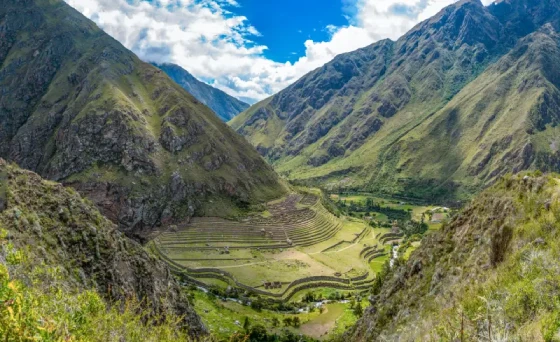
Did you know…?
The Inca Trail is only one piece of the wider Andean road system: a network that once connected territories from the north to the far south of the continent.
3.- Inca Jungle Trek: A Multi Adventure Route to the Sacred City
The Inca Jungle is a 4 day alternative route that combines mountain biking, hiking, zipline, and hot springs. The walking portion follows cloud forest and rural trails, ending in Machu Picchu via Aguas Calientes. It is ideal for younger travelers or anyone looking for a more flexible, high energy experience.
- Duration: 4 days, with hiking on days 2 and 3 (low to moderate difficulty).
- Activities included: mountain biking, zipline, hot springs (depending on the package).
- Climate: warmer and more humid than high altitude treks.

Did you know…?
Even though the Inca Jungle is a modern route, it includes an original Qhapaq Ñan section between Santa María and Santa Teresa, passing sites like Inca Carcel.
4.- Huchuy Qosqo Trek: A Short Route to a Citadel Above the Sacred Valley
This 3 day trek connects Cusco with Huchuy Qosqo, an Inca citadel perched above the Sacred Valley. It is ideal if you have limited time, or if you want a shorter hike before a longer tour. The trail crosses puna landscapes and rural Quechua communities.
- Duration: 3 days. High altitude hiking with moderate elevation changes.
- Highest point: 13,780 feet (4,200 m s. n. m.) at the Pukamarca pass.
- Crowds: very low. It is often a route with no other groups on the trail.
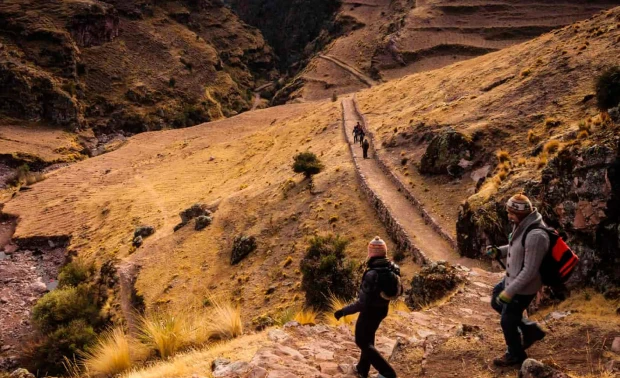
Did you know…?
Huchuy Qosqo means “Little Cusco” in Quechua, and it is believed to have been a palace built by Inca Wiracocha after stepping away from power.
How Do You Choose Between These 4 Trekking Routes in Cusco?
Not every traveler wants the same experience. Some prioritize walking a famous trail, while others want solitude, rare views, or a true physical challenge. This chart helps you compare what each trek offers and what kind of experience you can expect.
| Trek | What You Get | Type of Experience |
| Choquequirao Trek |
|
|
| Classic Inca Trail |
|
|
| Inca Jungle Trek |
|
|
| Huchuy Qosqo Trek |
|
|

Essential Preparation Before a Trek to Inca Ruins
Before you head out on a hike to ancient Inca centers, make sure you are truly prepared. It is not only about physical endurance, but also logistics and respect for the cultural landscape you are entering.
Fitness Level by Trek Type
| Choquequirao trek | Classic Inca Trail | Inca Jungle trek | Huchuy Qosqo trek |
|
|
|
|
Basic Gear for Altitude and Camping
Bring what you need, but do not skip the essentials, especially if your trek includes camping or routes far from services.
- Layering system: a windbreaker, a warm fleece, and a waterproof jacket.
- Trekking boots with strong traction, already broken in to prevent blisters.
- Headlamp, reusable water bottle, and trekking poles.
- Sleeping bag (minimum 14°F (-10 °C) if you do Choquequirao or Salkantay).
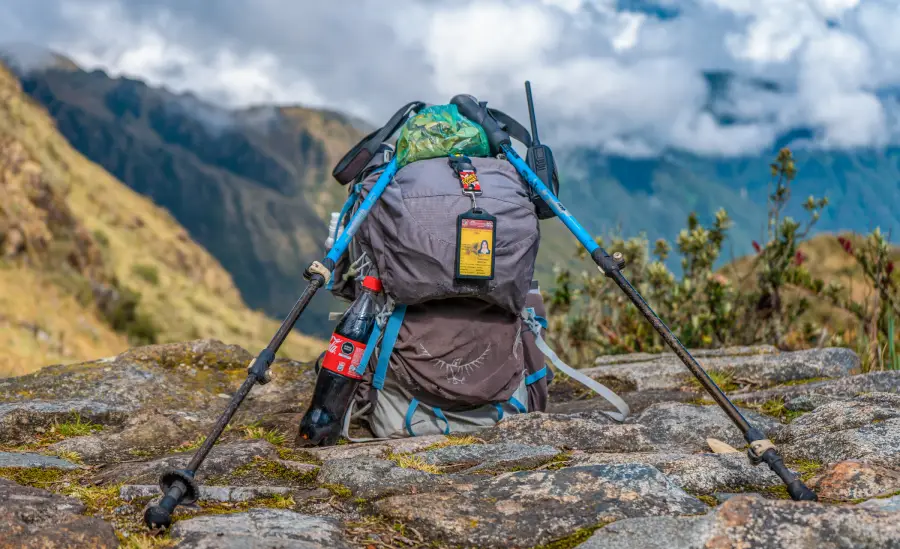
Warning:
On routes like Choquequirao, there are no shops or electricity for days.
Weather, Season, and Ruins: When Should You Go Trekking in Cusco?
Not all hikes to Inca ruins feel the same throughout the year. Some trails turn slick during rainy season, while others get packed in peak months. Here is a clear guide to choosing the right time.
|
Monthly Breakdown for Planning Trekking in Cusco |
||
|
Dry season |
Rainy season |
Shoulder months (April and October) |
|
|
|
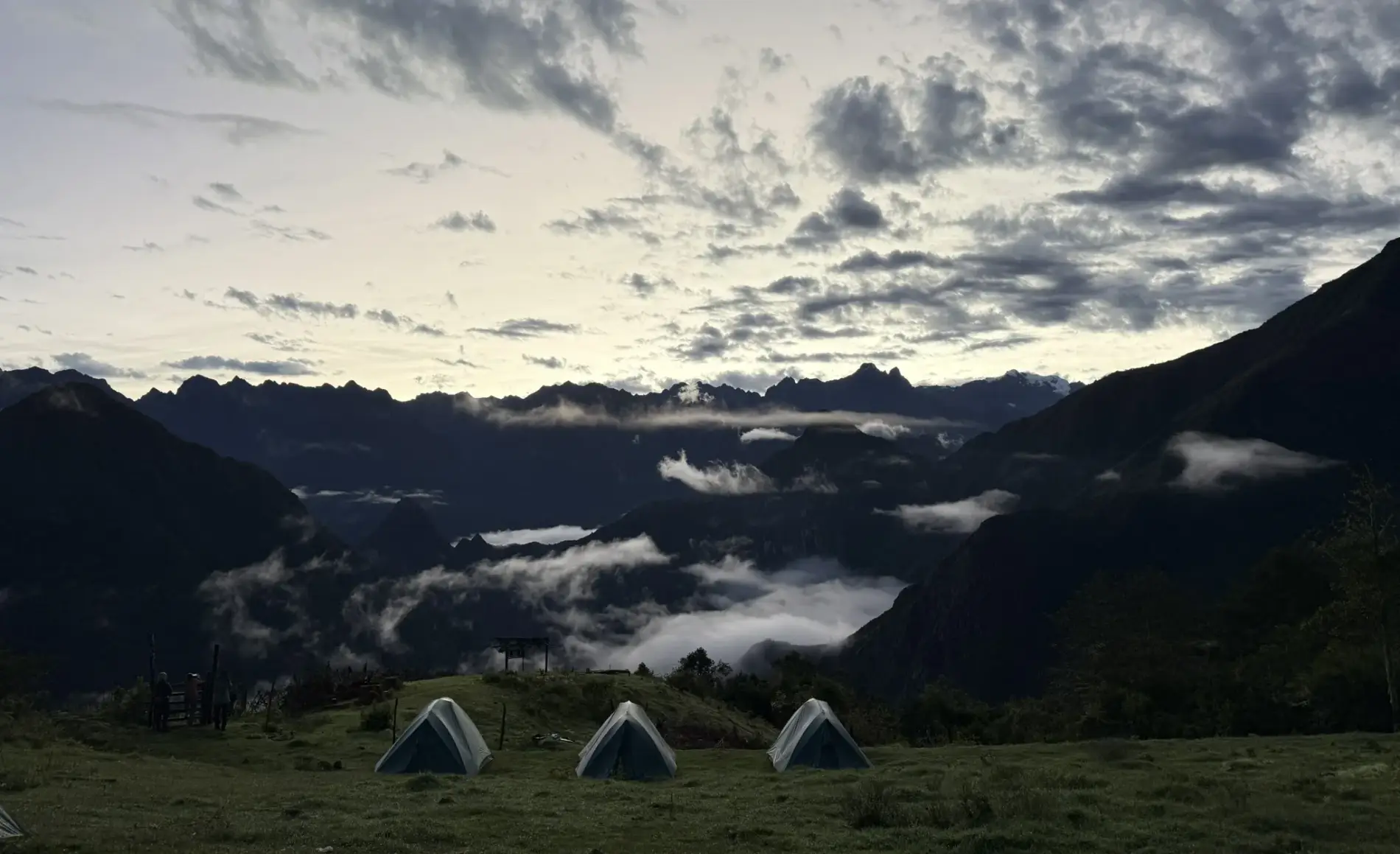
Warning:
Avoid demanding treks during rainy season. Some trails may close temporarily due to slide risk. Before you travel, confirm current route conditions with the organizing agency.
Inkayni Peru Tours vs. Independent Trekking
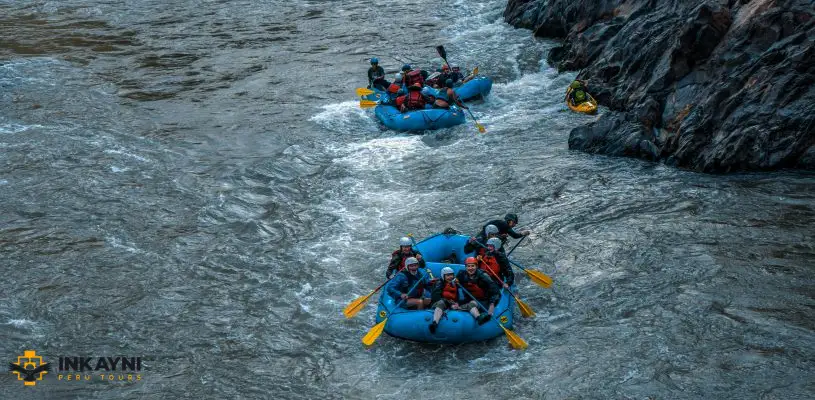
Trekking to archaeological sites is not only a physical challenge, it is also a cultural experience rooted in interpretation. At Inkayni Peru Tours, we offer routes built for different experience levels, with sustainable logistics and guides who are deeply committed to cultural heritage.
| Why Choose Inkayni Peru Tours? | ||||
| Archaeological interpretation | Low impact travel | Community partnership | Safety and planning | Traveler comfort |
|
|
|
|
|

The Trail That Connects With You
Exploring Inca ruins through trekking goes far beyond a physical experience. Whether you want the silence of Choquequirao, the living history of the Inca Trail, the energy of the Inca Jungle, or the calm of Huchuy Qosqo, there is a route that matches the way you travel.
At Inkayni Peru Tours, we do not only take you into the mountains, we guide you with respect, knowledge, and real commitment. We believe in travel that honors the paths we walk and the communities that live along them.
Ready to start your adventure?
Write to us, tell us what you are looking for, and together we will find the trekking route in Cusco that fits you best. If trekking in cusco is on your radar, we will help you choose with confidence.

Frequently Asked Questions
What’s the difference between trekking tours to Inca ruins and regular hiking in Peru?
Unlike standard hiking, treks that include archaeological sites offer a deeper cultural journey. Walking ancient Inca roads connects you not only with nature, but also with Peru’s living history.
Which Machu Picchu alternatives offer the best ruins focused trekking experiences?
Choquequirao, the Vilcabamba trek, and the Inca Quarry trek stand out for their archaeological richness. Choquequirao is often called the “sacred sister of Machu Picchu.” Vilcabamba connects with the last refuges of the Inca Empire. Cachicata shows how many of these temples were built. Each route tells a different story.
Do I need to be very fit for the Choquequirao trek in Peru?
Yes. It is one of the most physically demanding treks in southern Peru, with multiple days of steep climbs and descents. Prepare with long training hikes and strong acclimatization. That said, it is achievable for active travelers with prior training and a steady mindset.
Can a beginner hiker do the Vilcabamba trek in Peru?
This trek is long and remote, so it is not recommended for beginners with no multi day trekking experience. If you are well acclimatized and in good physical condition, you can enjoy it as long as you go with experienced guides. A flexible itinerary and a safety focused agency are key.
What makes the Huchuy Qosqo trek special compared with the Classic Inca Trail?
Even though it is shorter and more accessible, the Huchuy Qosqo trek delivers wide Sacred Valley views and access to an Inca site that sees far fewer visitors. It is ideal if you want a more intimate experience, with cultural contact and no permit restrictions.
How far in advance should I book trekking tours in Peru that include archaeological ruins?
For regulated routes like the Inca Trail, book at least 6 months ahead, especially from May through August. For alternative treks like Choquequirao or Huchuy Qosqo, 1 to 2 months is often enough. Booking early improves planning, acclimatization, and access to specialized guides.
What’s included in a typical Inca Quarry trek package in Peru?
Packages typically include transportation, bilingual guides, camping gear, porters, meals during the trek, entrance tickets to archaeological sites, and the final visit to Machu Picchu (depending on the itinerary). They also usually include a pre trek briefing and support with return logistics.
Escrito por

Shared:


If you liked this article and the information you found, give us 5 stars!
 (Ninguna valoración todavía)
 Loading...