


Table of Contents
Quick Answer:
Cusco’s cuisine is a living Andean legacy. Highlights include the crispy and aromatic baked guinea pig; the festive chiri uchu; the comforting chairo de chuño; the spicy rocoto relleno; the succulent suckling pig; and the hearty timpu. Flavors that tell a story in every market and home.
If you’re coming from anywhere in the world, many Cusco dishes are designed for mountain weather. That’s why you’ll see hot broths, hearty stews, and generous portions—perfect after hikes or cold days. Also, Peru maintains a solid international food reputation; for example, it was recognized as “World’s Leading Culinary Destination” in 2025.
In this guide you’ll find what each dish is, how it tastes, when people usually eat it, and how to order it with confidence. The idea is simple: help you choose your next traditional Cusco dish without wasting time or falling into tourist traps.
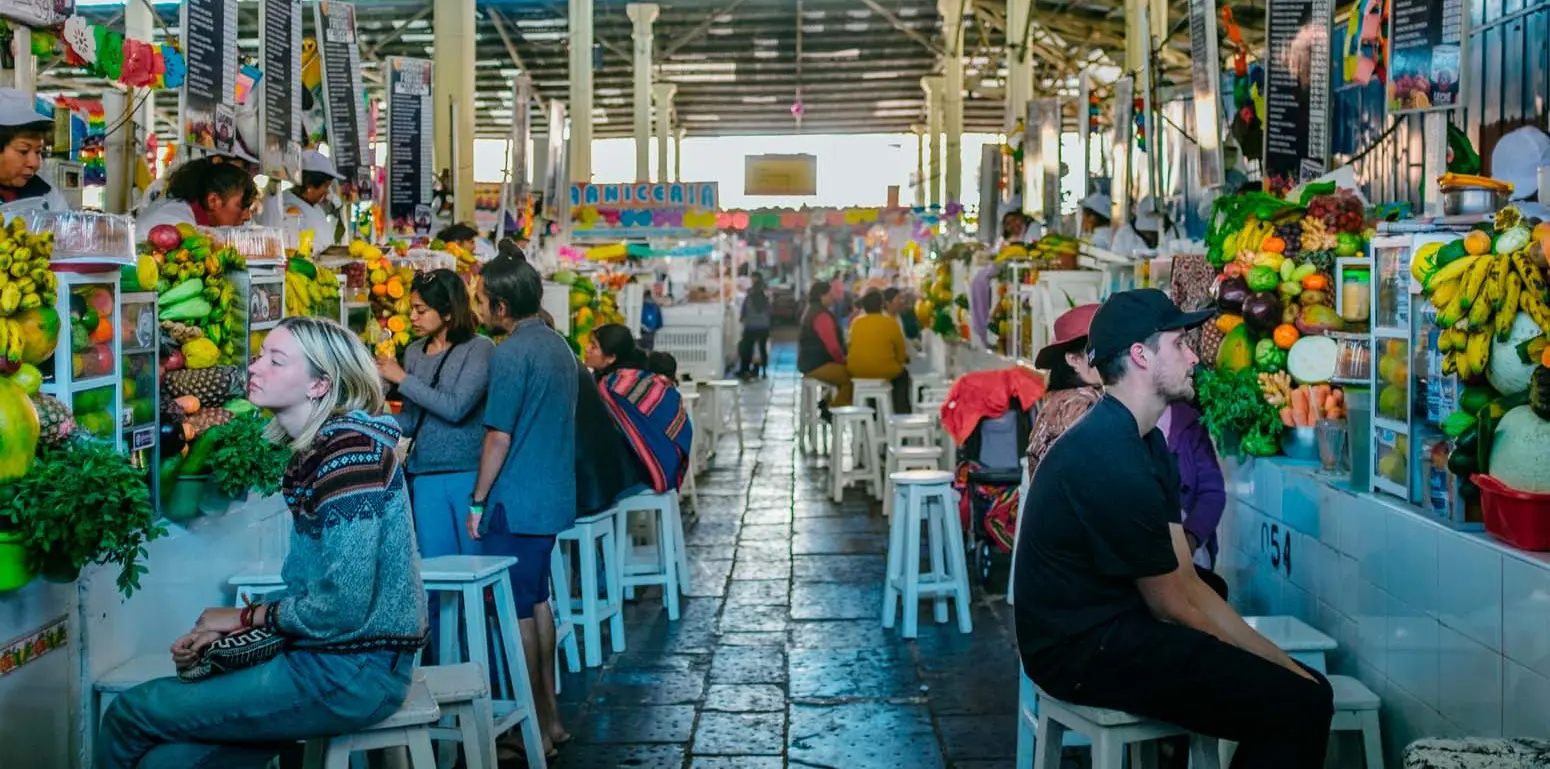
Discover 15 Traditional Cusco Dishes!
1. Chiriuchu
Chiriuchu, which means “cold chili” in Quechua, is Cusco’s most iconic ceremonial dish, traditionally served during Corpus Christi in June. This elaborate cold dish is never heated and represents Andean cultural fusion, combining ingredients from different ecological zones: roasted guinea pig, chicken, charqui, Cusco sausage, fish roe, cheese, toasted corn, cochayuyo, and rocotos. Each component symbolizes aspects of Andean cosmology—mountain, valley, and coast brought together on a single plate. During Corpus Christi you’ll find vendors around Plaza San Francisco. Outside the season, picanterías in San Jerónimo and San Sebastián prepare it by request.

Expert tip:
If you’re coming from countries with spicy food (Mexico, Thailand, India), you’ll probably enjoy the rocoto; even so, start with just a little.
2. Cuy al Horno
Cuy al horno (roasted guinea pig) is one of the Andean culinary icons: crispy skin, firm meat, and intense flavor, typically with potatoes and salad. For many travelers it’s a cultural experience, not just a gastronomic one. This traditional dish usually surprises first time visitors, but it remains essential for understanding authentic Andean culture. Cuy al horno is prepared by marinating the whole animal in a mixture of garlic, cumin, ají panca, and local herbs before slowly roasting it until the skin turns golden and crispy. The meat is tender, slightly gamey, and surprisingly similar to dark poultry meat in texture. Traditional restaurants serve it whole with potatoes, corn, and rocoto sauce on the side. Many travelers find it ideal to share one order between two people for a first tasting. Remember that eating cuy supports sustainable and traditional farming practices deeply rooted in Cusco culture.
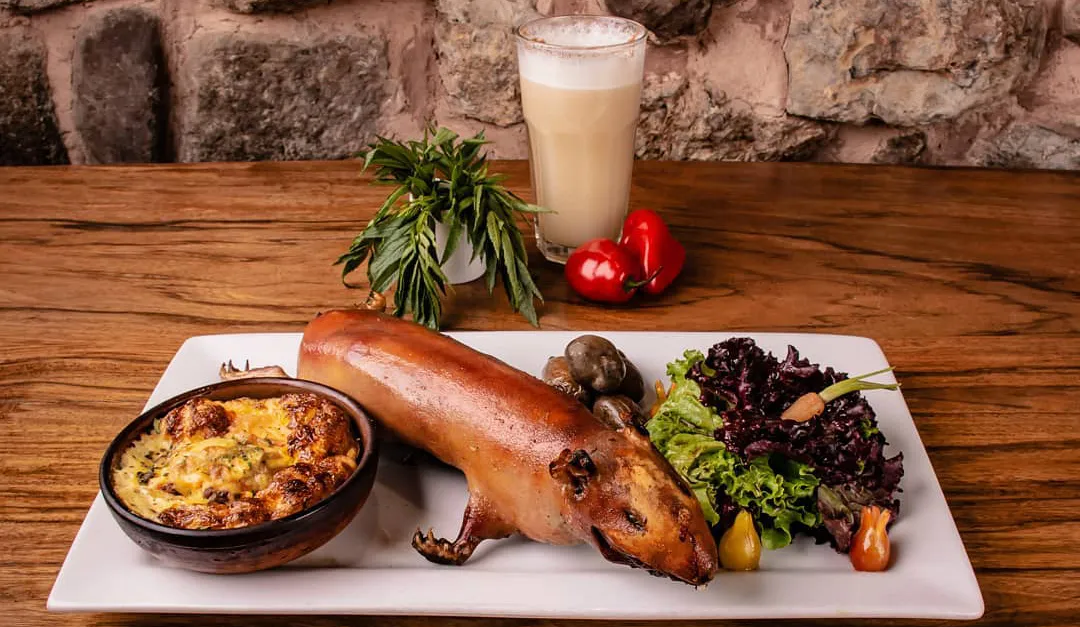
Cusco-style Baked Guinea Pig
Expert tip:
If you struggle with trying “new” meats, start by sharing a portion.
3. Adobo
Adobo cusqueño is a hearty pork stew slow cooked overnight in chicha de jora, ají panca, and spices, resulting in a mahogany colored, spicy red broth. Known as “levanta muertos” (the dead raiser) for its comforting and energizing power, it’s the traditional Sunday breakfast in Cusco, especially on important dates. It’s served with Oropesa bread for dipping in the delicious thick sauce.

Expert tip:
Pair it with local bread and a hot drink. If you’re not used to heavy breakfasts, share it or ask for a half portion.
4. Lechon
Cusco lechón is oven roasted pork with preparation that combines the best of Spanish tradition and Andean techniques. The meat is seasoned with local herbs, garlic, and ají panca, slow cooking until it achieves golden, crispy skin on the outside with juicy, tender meat inside. It’s the star dish at family celebrations and major festivals. It’s served with generous accompaniments like tamal, potatoes, mote, moraya, Oropesa bread, or stuffed rocoto. While you can find it in Cusco restaurants on Sundays, it’s worth visiting Saylla or Huarocondo for the complete experience.

Plate of Cusco-style lechón roast
Expert tip:
If you try it at markets or picanterías, prioritize vendors with high turnover. And ask for the ají on the side to adjust the heat level.
5. Kapchi de habas y setas
Kapchi is a creamy, comforting stew that represents Cusco home cooking. Prepared with fresh fava beans, potatoes, fresh cheese, milk, and aromatic herbs like huacatay, this vegetarian dish demonstrates how Andean cuisine creates satisfying flavors with simple, local ingredients. The preparation involves cooking the fava beans and potatoes in milk until achieving a creamy texture, adding cheese that partially melts into the sauce. There’s also a variant with wild mushrooms, especially popular during the rainy season (November through March) when these fungi appear in the highlands around Cusco. It’s served with rice or stuffed rocoto.

Kapchi de Habas, creamy fava bean and potato stew
Expert tip:
It’s an excellent comforting option if you’re adjusting to the altitude, looking for alternatives without much meat, or simply want to try authentic Cusco home style cooking.
6. Puchero
Puchero, also known as T’impu, is an abundant one pot stew that combines multiple meats (beef, lamb, chicken) with varied vegetables (cabbage, carrots, potatoes, yuca), chickpeas, mote, and moraya. This Andean dish is especially popular during carnival season (January through March) and Sunday afternoons. What’s distinctive is its serving style: first the hearty meat broth is presented as soup, followed by separate platters with the meats and vegetables, letting you customize each bite. It’s accompanied with rice and spicy ají.

Puchero Soap
Expert tip:
If you’re traveling during the rainy season, this is the dish you’ll want when you come back wet or cold.
7. Chairo
Chairo is a thick soup of pre Columbian origin that was created by Cusco farmers who needed substantial food for long days working in the fields. It combines lamb or beef, charqui (dehydrated meat), chuño and moraya (potatoes dehydrated through an ancient Andean process of exposure to cold and sun), fresh potatoes, fava beans, peas, carrots, wheat mote, and aromatic herbs like mint, oregano, parsley, and cumin. The result is an abundant dish with an almost stew like texture and deep flavor that provides warmth, energy, and immediate satisfaction. It’s considered the perfect remedy against soroche (altitude sickness) because of its comforting nature.

Chairo Soap
Expert tip:
If you’re coming from sea level, a chairo at lunch might sit better than a heavy dinner, especially if you’re waking up early for a tour the next day.
8. Chicharrón
Cusco chicharrón is distinguished by its unique preparation method: pork chunks slow cooked in their own fat with minimal water, until the liquid evaporates and the meat becomes tender inside with a golden, crispy exterior. This slow, low process essentially confits the pork, seasoned simply with salt and cumin to enhance its natural flavor. It’s an especially popular dish for breakfast and social meals, traditionally served with mote, french fries, t’anta wawa (corn flatbread), and salad criolla, with optional spicy ají. You’ll find the best versions at San Pedro Market starting at 6 AM, where the communal atmosphere and direct interaction with vendors make the experience more authentic. Saylla also stands out, a district located 1 hour from downtown Cusco, recognized as a mandatory food stop to try this dish at traditional picanterías on weekends.

Cusco-style chicharron
Expert tip:
Ask for a “mixed” portion if the place offers different cuts. And balance it with something fresh (onion and lime) so it doesn’t feel too heavy.
9. Zarza De Patitas
Zarza de patitas (or pig’s feet salad) is a traditional Cusco dish prepared with pig’s feet slow cooked until soft and gelatinous. You’ll easily find it at picanterías near Cusco and at San Pedro Central Market. It’s mixed with onion, bay leaf, Canchán potato (ideal for its texture), tomato, pepper, oil, parsley, oregano, and salt to taste. Its charm lies in the contrast between the creamy pig’s feet and the fresh, aromatic ingredients, achieving an intense but balanced flavor.

Expert tip:
Choose a vendor at San Pedro Market: high turnover is usually the best sign of freshness.
10. Nabo Haucha
Nabo jaucha or navo cusqueño is a traditional dish less known to tourists but highly valued in Cusco home cooking. Prepared with fresh turnips slow cooked along with blood sausage, well cooked mote, potatoes, and sometimes lamb or mutton, creating a comforting stew where the turnips become tender and slightly sweet, absorbing all the flavors. Some versions also include turnip greens, corn, and fava beans. It’s a highly nutritious dish, excellent for fighting anemia because of its iron content. You’ll find it mainly at San Pedro Central Market and traditional picanterías in residential neighborhoods like Ttio and Santa Rosa, at very accessible prices. It’s a perfect option if you’re looking to get closer to everyday Cusco and try authentic home cooking that many travelers overlook, beyond the usual tourist dishes.

Plate of yuyo haucha
Expert tip:
Ask about “daily specials” at markets or local lunch spots. If you find it, take advantage: it’s not always available.
11. Choclo con queso
Choclo con queso is the simplest and most beloved combination in Cusco cuisine: giant kernels of Cusco Giant White Corn boiled with salt and sometimes mint or huacatay, served steaming alongside thick slices of salty fresh cheese. The kernels are three times larger than regular corn, with a starchy texture and subtly sweet, nutty flavor that contrasts perfectly with the salt of the fresh cheese. Though available year round, the best season is during the rains (December through February) when choclo is most abundant and tender. You’ll find it at markets, street corners, and plazas, making it the perfect snack between tours or a light meal for stomachs adjusting to altitude. This combination represents ingredients that sustained Andean civilizations for millennia and continue to define Cusco’s agricultural identity.

Expert tip:
Ideal if you need something quick before walking. If they offer you ají, try just a small amount: it completely changes the flavor profile.
12. Sopa de Quinua
Quinoa soup is a comforting and nutritious dish that combines this Andean grain with vegetables (carrots, potatoes, peas), sometimes meat (chicken or beef), local herbs, and frequently melted cheese or egg. The quinoa contributes complete protein, mild nutty flavor, and slightly thickens the broth, creating a preparation that’s easy to digest and gluten free. It’s exceptionally beneficial at altitude, providing steady energy thanks to its high content of fiber, vitamins, and minerals (manganese, magnesium, iron, copper, phosphorus). It helps with weight control, constipation, diabetes, cardiovascular health, and anemia. You’ll find it from simple eateries to refined restaurants ($8 to $12 dollars), being common in daily menus. It’s a perfect choice for travelers in the acclimatization process because of its gentle, stomach friendly nature, plus it’s considered by locals as ideal for maintaining health during Cusco’s cold months.

Expert tip:
If you’re trekking today or climbing to higher altitude, a quinoa soup at lunch can help you maintain energy without feeling “heavy.”
13. Rocoto Relleno
Rocoto relleno is a dish of Arequipa origin enthusiastically adopted in Cusco. It consists of thick walled rocotos similar to bell peppers but significantly spicier than jalapeños that are boiled and then stuffed with seasoned ground beef, raisins, peanuts, and spices, covered with cheese, and baked until gratinéed. The result combines complex flavor layers: savory meat, sweetness from raisins, crunchy texture of peanuts, and creamy cheese that helps temper the heat. It’s traditionally served with pastel de papa and white rice, or as a perfect accompaniment to other dishes like lechón, cuy, or mushroom kapchi. You’ll find it at traditional restaurants and on Maruri Street in downtown Cusco. Many places can adjust the heat level, though the authentic experience involves embracing the genuine fire of the rocoto.
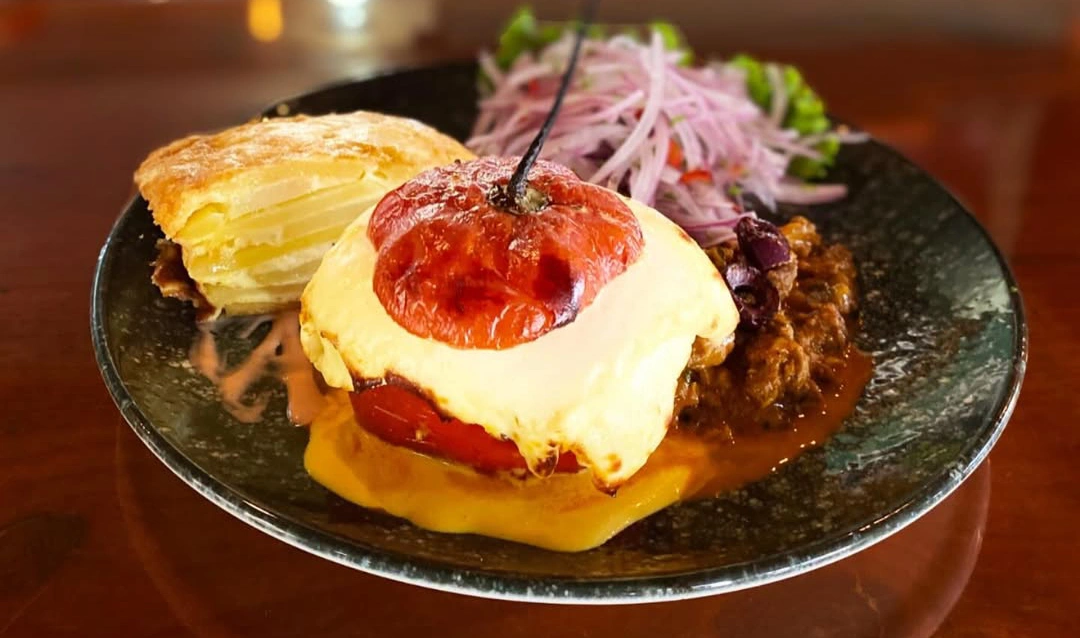
Stuffed rocoto (Rocoto Relleno)
Expert tip:
If you have high spice tolerance, still start with a small portion—rocoto is intense. But if you can’t handle heat, ask for recommendations and consider another dish that day.
14. Huatía
Huatía is one of Peru’s oldest cooking methods, preparing food in an earthen oven with hot stones. In Cusco it’s consumed mainly between June and July, using peruanitas or yellow potatoes of regular size that are first sun warmed while the oven is assembled. The stones are heated over fire, then buried along with potatoes, sweet potatoes, corn, fava beans, and sometimes meat (chicken, lamb, or pork), all seasoned with Andean herbs and wrapped in leaves. The slow cooking for 30 minutes creates incomparably tender results with subtly smoky flavors. For the authentic experience, visit rural communities or cultural tourism programs in the Sacred Valley.

Expert tip:
Try it with cheese and a mild sauce; it’s a cultural experience as well as a gastronomic one.
15. Chupe de peras
Chupe de peras is a creamy Cusco soup that combines sweet Andean pears with potatoes, creating a unique sweet savory contrast. It’s prepared with a base of caramelized onion and ají colorado, adding in cold water squash, carrot, choclo, rice that bursts in the broth, cochayuyo (dehydrated seaweed), and flying fish roe that contribute intense ocean flavor. It’s complemented with poached eggs, cheese, milk, and fresh huacatay that aids digestion at altitude. It’s the star dish during the Patrón San Sebastián festival (January 20), traditionally vegetarian though it can be prepared with lamb broth. You’ll find it at picanterías during January through March, perfect for the rainy season.

Expert tip:
If you like exploring unusual flavors, this is the “surprise dish” on the list.
FREQUENTLY ASKED QUESTIONS
What’s the most popular traditional dish in Cusco?
Is Cusco’s traditional food spicy?
Where can I find authentic dishes in Cusco?
Are there vegetarian options among the traditional dishes?
How much should I budget to eat traditional dishes in Cusco?
What’s the best time to try them?
Can they help with altitude sickness?
Do I need to speak Spanish to order?
These are the 15 traditional dishes of Cusco that you shouldn’t miss trying if you find yourself in this beautiful city. Inkayni Peru tours invites you to visit our page and our blog for more information about our quality service to our passengers.
Autor

Shared:



If you liked this article and the information you found, give us 5 stars!
 (Ninguna valoración todavía)
 Loading...