


Table of Contents
Is it safe to drink the water in Peru? This is one of the most common concerns among travelers visiting destinations like Lima, Cusco, or Machu Picchu, and for good reason: no one wants to spend their vacation in a hotel bed or, worse yet, in a hospital due to negligence.
In this guide, you’ll find reliable and up-to-date information about water quality in Peru, with practical tips that locals also follow to know where yes, where no, and what precautions to take. The idea isn’t to worry you but to give you simple tools to travel with confidence and enjoy your itinerary without setbacks.
Light drinks fresh. Photo by: Yahoo en Español.

Streams of necessity. Photo by: Beliefnet.
Is it safe to drink tap water in Peru?
Water quality in Peru: Official standards vs. Reality in urban and rural areas
In urban areas, a significant percentage of the population has direct access to potable water. However, problems such as poor pipe conditions and intermittent service can compromise the quality of water reaching homes.
In rural areas, the situation is more critical. Many communities lack adequate access to potable water, depending on natural sources that aren’t always safe.
According to recent data from INEI, only 76.6% of rural areas have access to public water network service, and only 3% of rural households have water that meets adequate residual chlorine levels.
A sip of the future. Photo by: Convergence World Boutique.
Why locals don’t drink tap water
The practice of not consuming water directly from the tap is deeply rooted in Peruvian culture. Many Peruvians prefer to boil water before drinking it to eliminate possible pathogens, a custom passed down from generation to generation.
Others choose to buy bottled water, perceiving it as a safer and more convenient option. This preference is also influenced by the taste and appearance of tap water, which in some areas can be unpleasant due to the presence of minerals or chemical treatments.
Additionally, although the local population may have developed some immunity to microorganisms present in the water, foreign visitors could be more susceptible to illness if they consume it untreated.
Quick summary:
Although regulations exist to guarantee water quality in Peru, factors such as deficient infrastructure and cultural practices lead both locals and visitors to take additional precautions, such as boiling water or consuming bottled water, to ensure their health and well-being.

Refreshing the everyday. Photo by: Infobae.
Safe water options for tourists
1. Bottled water
Bottled water is widely accessible in Peru and represents a reliable option for tourists. You can purchase it at:
- Supermarkets: Large chains like Wong, Metro, and Plaza Vea offer a variety of brands and sizes.
- Minimarkets and local stores: Smaller establishments present on almost every corner of cities and towns.
The most common sizes include 625 ml and 2.5-liter bottles. Regarding average prices in major cities (may vary in remote areas), a small bottle usually costs between S/1.50 and S/3.00, while a large one ranges between S/4.50 and S/6.00. It’s recommended to verify that the bottle seal is intact at the time of purchase to ensure its authenticity.
2. Boiling water
Boiling water is a traditional and effective method to eliminate pathogenic microorganisms. To do it correctly:
- Bring water to a boil.
- Maintain the boil for at least 1 minute.
- At altitudes above 2,000 meters above sea level, such as in Cusco (3,399 m), it’s recommended to boil water for 3 minutes because the boiling point is lower at higher altitudes.
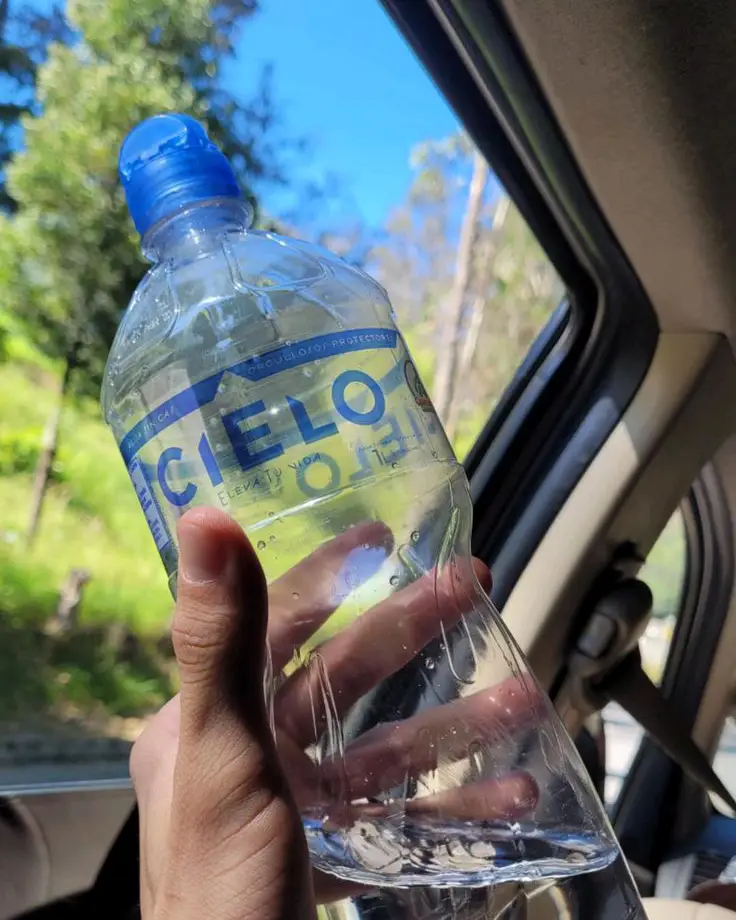
Bottled sky. Photo by: José Gutiérrez.
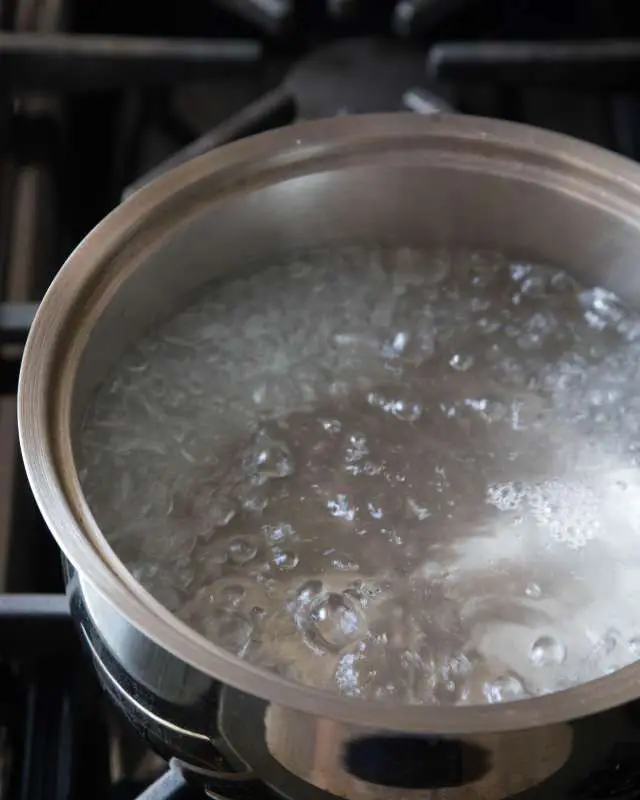
Bubbles in liquid flight. Photo by: The Kitchn.
3. Purification methods
For those planning outdoor activities or extended stays in rural areas, there are devices and products designed to purify water:
- Portable filters: Devices like LifeStraw allow you to drink directly from natural sources, eliminating bacteria and parasites.
- SteriPen: Uses ultraviolet light to disinfect water in a matter of minutes.
- Water purification tablets: Generally composed of chlorine or iodine, they’re effective for disinfecting water. The manufacturer’s instructions should be followed for proper use.
4. Water in hotels and restaurants
In tourist establishments, it’s common for water used for cooking and serving guests to be boiled or purified. However, it’s prudent to:
- Always ask: Confirm with staff if the water is safe to drink.
- Ice and juices: Make sure ice and beverages are prepared with filtered or bottled water.
Important note:
Some higher-category hotels implement filtration systems to guarantee the quality of water they offer their clients.

Freshness pours softly. Photo by: Massi.
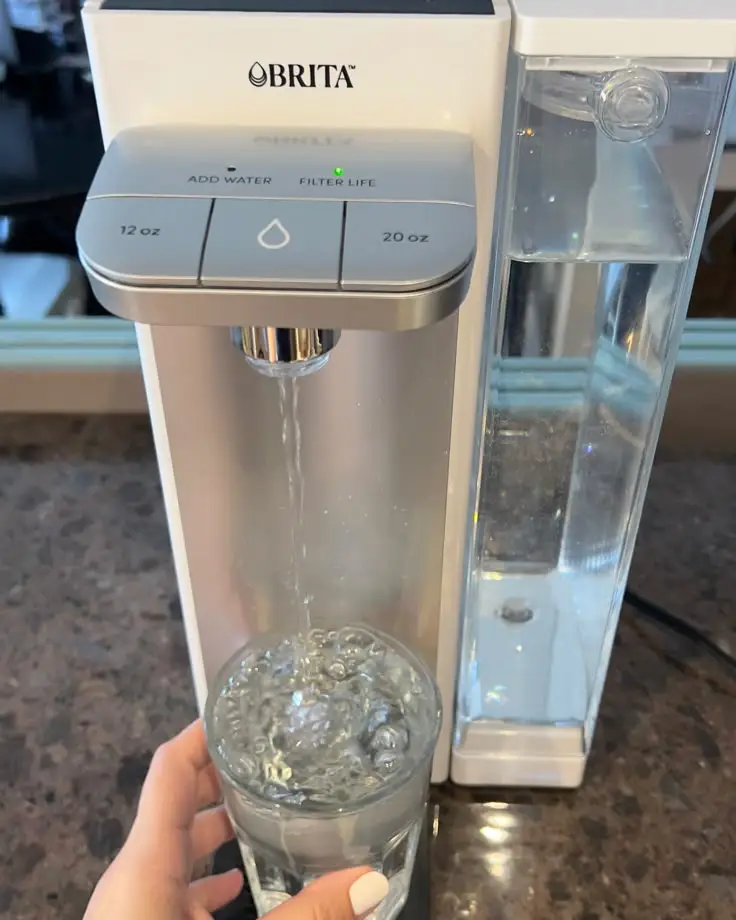
Filtering thirst. Photo by: Laura Bruj.
Risks of drinking untreated water in Peru
Consuming untreated water in Peru can expose travelers to various gastrointestinal diseases. Below, some of the most common ones are detailed, along with their symptoms and recommended actions if contracted.
Common diseases
- Traveler’s Diarrhea: This condition is frequent among tourists and is due to ingesting food or water contaminated with bacteria, viruses, or parasites. Although it’s usually self-limiting, it can be uncomfortable and affect the traveler’s itinerary.
- Giardiasis: Caused by the parasite Giardia lamblia, this intestinal infection is transmitted through contaminated water. It’s more common in areas where sanitation is poor.
- Intestinal Infections caused by bacteria such as Escherichia coli, Salmonella, and Shigella: These bacteria can be present in contaminated water or food. Severity varies depending on the organism and amount ingested.
Common symptoms
Symptoms of these diseases usually include:
- Frequent and liquid diarrhea
- Abdominal pain or cramps
- Nausea and vomiting
- Fever in some cases
- Dehydration, manifested by intense thirst, dark urine, and dizziness
What to do if you get sick
- Hydration: It’s essential to replace lost fluids and electrolytes.
- Consult local pharmacies: You can ask for guidance and over-the-counter medications that relieve mild symptoms.
- Assistance at your accommodation: Inform your hotel staff; many have protocols to assist sick guests.
- Professional medical care: If symptoms persist more than 48 hours, are severe, or include blood in stools, seek immediate medical attention.
- Travel insurance: It’s highly recommended to have insurance that covers medical expenses abroad.

Hands seeking relief. Photo by: Global News.
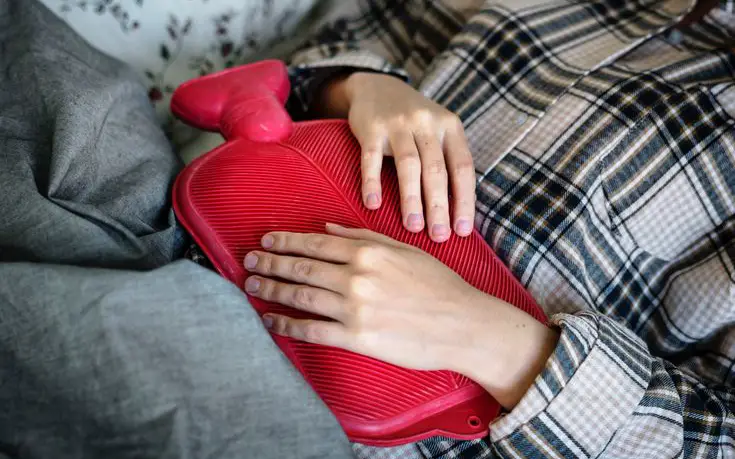
Waiting for calm in the belly. Photo by: Arica Walker.
Expert tip:
Staying alert to symptoms and acting promptly ensures faster recovery and reduces the risk of complications.

Science in hands. Photo by: Josh Chen.
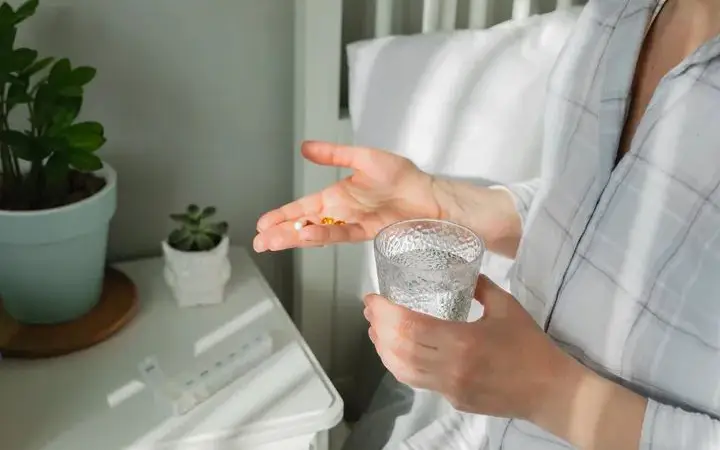
A matter of time. Photo by: HuffPost.
Drinking water in Cusco
Cusco, with its thin air and cobblestone streets steeped in history, is also a place where staying hydrated isn’t a luxury: it’s a necessity. The altitude of over 3,300 m.a.s.l. (10,826 feet) increases dehydration, so drinking enough water is key to avoiding altitude sickness.
But is it really safe to drink tap water in Cusco?
The truth is that, although Cusco is a highly touristic city and its water system is treated for local consumption, tap water is not considered potable for tourists.
Old pipes, possible cross-contamination, and the different intestinal resistance of visitors make locals themselves recommend not drinking it without boiling or filtering it first.
Where to buy water in Cusco?
- Neighborhood stores and minimarkets (like Tambo, Oxxo, Listo)
- Large supermarkets (Orion, Plaza Vea)
- Gas stations or service stations
- Traditional markets like San Pedro or Wanchaq (at organized stalls)
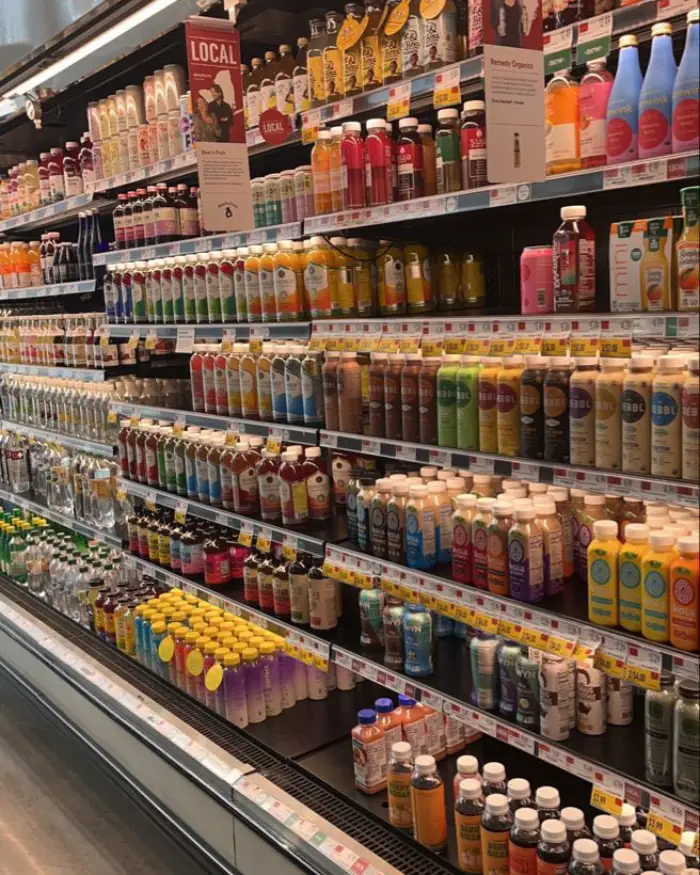
Multicolored aisle. Photo by: Jada.
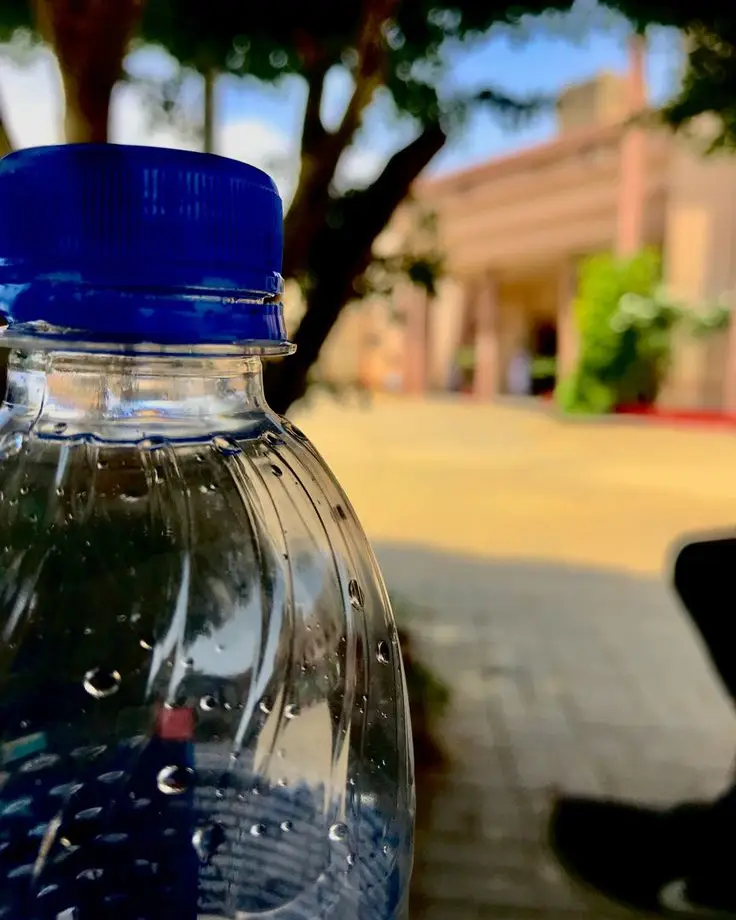
A breather. Photo by: Anwashah.
The average prices in 2025 are:
- 625 ml bottle: between S/ 1.50 and S/ 3
- 1.5-liter bottle: S/ 3 to S/ 5
- 7 to 20-liter gallons: S/ 8 to S/ 18 (more economical and eco-friendly if you have somewhere to refill your reusable bottle)
Important note:
Some sustainable accommodations also offer purified water refill stations, a good way to avoid excessive plastic use.
Water safety on the route to Machu Picchu
- Trains (PeruRail and IncaRail): They don’t usually sell very large water bottles, but they do offer small cups or individual bottles for sale.
- Buses to the Machu Picchu entrance: They don’t sell water, so make sure to buy it in Aguas Calientes.
- Trekking via Hidroeléctrica or Inca Trail: Bring enough water or a purification method (filter, tablets, SteriPen). In official campsites or rural areas there may be boiled water, but confirm with your tour operator.
- Hotels and accommodations in Aguas Calientes: Most lodgings offer complimentary bottles or sell purified water at reception.
Expert tip:
Always carry a reusable bottle with you and fill it whenever you have access to safe water. In Cusco and Machu Picchu, hydration not only improves the experience: it can make the difference between a full day and an exhausting one.
So, Can You Drink the Water in Peru?
Water in Peru continues to be a bridge between the modern and the traditional. Large cities are advancing toward safer systems, but a reality still persists where caution makes the difference between a full experience and an avoidable setback.
At Inkayni Peru Tours we know that, with a little foresight and these tips in mind, you’ll be prepared to travel from the southern valleys to the highland markets with confidence.
Your trip deserves to be full of discoveries, not discomfort. And with this guide, we hope every sip is part of a peaceful experience deeply connected with this land.
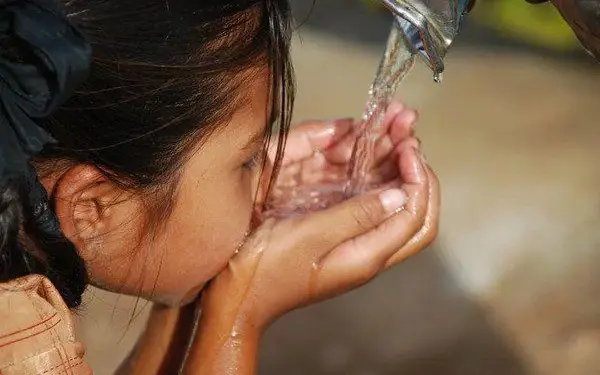
Protecting childhood. Photo by: FilterSmart.
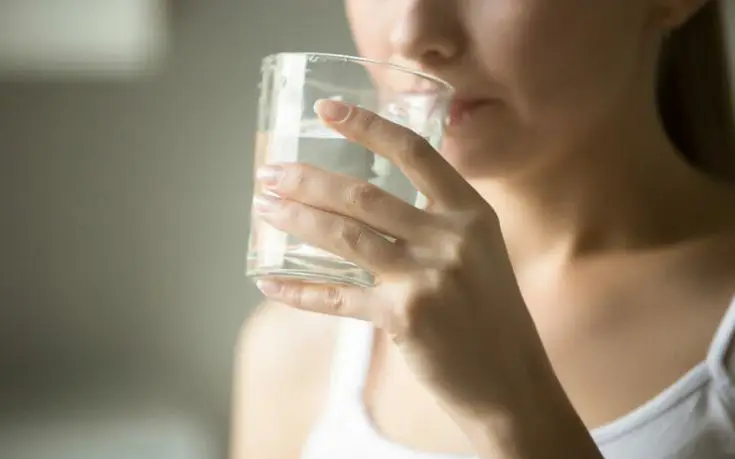
Thirst is quenched. Photo by: Newsner.
Frequently asked questions
Is it safe to drink water in Peru from the tap?
It’s not recommended. Although potable water in cities like Lima or Cusco is treated, it doesn’t meet the standards that many international travelers are accustomed to. It may contain microorganisms that could affect your stomach if you’re not used to it. For drinking, it’s best to use bottled, purified, or boiled water.
What happens if I accidentally drink tap water?
Don’t panic. If you took a sip while brushing your teeth or washing fruit, most likely nothing serious will happen. But if you start feeling stomach discomfort, the ideal is to hydrate well, eat lightly and, if symptoms persist, seek medical attention or a pharmacy for appropriate treatment.
Is ice safe in Peru?
It depends on the place. In tourist restaurants, hotels, and trusted cafés, ice is generally made with purified water. But in street stalls or informal venues, it’s better to avoid it as a precaution. If in doubt, ask for your drink without ice.
Where can I buy bottled water?
It’s very easy to find bottled water in Peru. You can buy it at neighborhood stores, minimarkets, supermarkets, and pharmacies. The most common brands are San Luis, Cielo, and San Mateo. In tourist areas, you can even find it at kiosks or at the entrance to archaeological sites.
How much does a bottle of water cost in Peru?
In April 2025, approximate prices are:
-
-
- Small bottle (625 ml): between S/1.50 and S/3.00
- Large bottle (2.5 liters): between S/4.50 and S/6.00
-
Is it safe to shower or bathe with tap water?
Yes, showering or washing hands with tap water doesn’t pose a risk for most people. Just avoid swallowing water during the shower or while brushing your teeth. If you have very sensitive skin, you might notice slight dryness, especially in high-altitude areas like Cusco.
Do hotels offer purified water?
Many hotels, especially mid-range or higher category ones, provide complimentary water bottles or have purified dispensers in common areas. It’s always good to ask when checking in. In more budget accommodations, you may need to buy your own bottled water.
Is it difficult to get drinking water in Peru?
Not at all. Although drinking from the tap isn’t recommended, access to bottled or purified water is widely available throughout almost the entire country. In rural destinations or trekking areas, like the Salkantay Route, it’s recommended to bring purification tablets or personal filters, as availability may be more limited.
Can I use a reusable bottle during the trip?
Yes, and it’s an excellent idea both for sustainability and convenience. You can fill it at your hotel, at purified water stations, or pour bottled water into it. Some accommodations even offer filtered water fountains for refilling bottles, especially in Cusco, Lima, or Arequipa.
Autor

Shared:


If you liked this article and the information you found, give us 5 stars!
 (Ninguna valoración todavía)
 Loading...