


Table of Contents
Although many travelers tend to associate vaccines with destinations in Africa or Asia, if you’re planning your first visit to the heart of South America and the Andes, you’re probably wondering what vaccines need for Peru to travel safely and whether you really need to get any before departing. The country combines coast, highlands, and jungle, and each zone involves different health conditions. What if your route includes the Amazon? How far in advance should you get vaccinated? What happens if you’re coming from a country with special requirements? The answers aren’t always the same for all travelers and depend on your actual itinerary.
Before you pack, it’s worth understanding how altitude, tropical climate in certain areas, and health regulations can influence your trip. The decisions you make weeks before boarding the plane can make the difference between a smooth journey or unnecessary setbacks along the way. Keep reading and learn to avoid the most common mistakes.
Peru, Contrasts That Demand Preparation
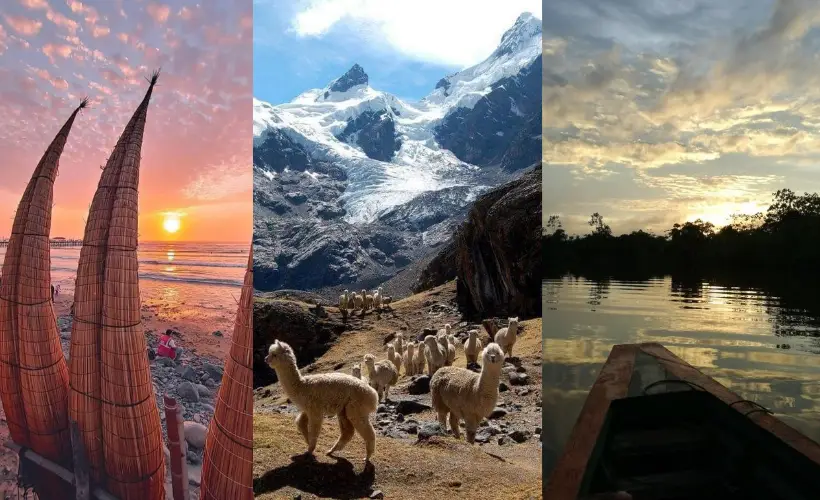
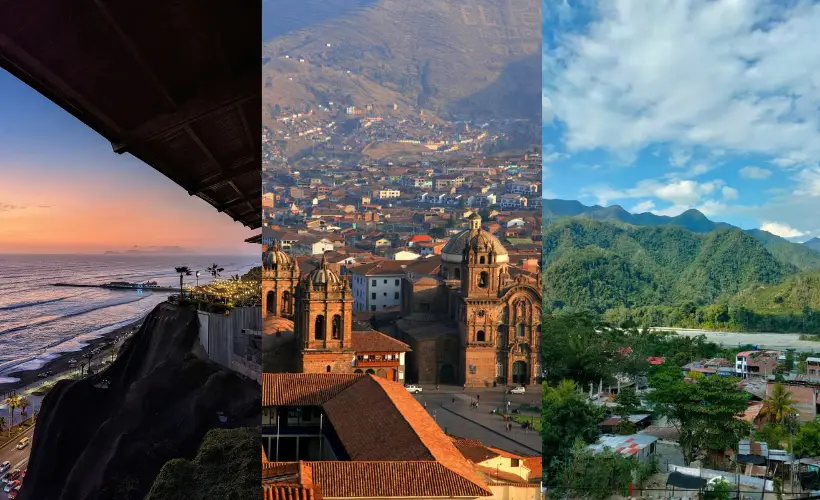
Peru isn’t a homogeneous territory, but rather the confluence of multiple natural settings ranging from coastal deserts to tropical rainforests and Andean mountain ranges with snow-capped peaks. Although its geography is much more complex, the most common and practical division is to separate it into coast, highlands, and jungle. Each region has its own climate, altitude, and health conditions worth considering before traveling:
- The central and northern coast is mostly arid or temperate, with moderate temperatures during much of the year. During the rainy season, especially in the north, there can be an increase in mosquito presence and dengue cases, although risk usually concentrates in specific areas.
- In the highlands, where iconic destinations like Cusco, the Sacred Valley, and Puno are located, the main health factor isn’t linked to vaccines, but to altitude. Many areas exceed 10,000 feet above sea level and require progressive acclimatization to avoid discomfort. The climate is dry and temperate during the day, with cold nights, which also influences trip preparation.
- The lowland jungle, especially in Loreto, Ucayali, and Madre de Dios, has a humid tropical climate year-round. Yellow fever is endemic there, and cases of dengue and malaria can occur in rural areas. That’s why, in this part of the country, international health authorities recommend the yellow fever vaccine and basic preventive measures like daily use of repellent and lightweight long-sleeved clothing.
Vaccines Needed for Peru: What Are the Most Recommended?
Although Peru doesn’t require mandatory vaccines for most travelers, prevention is your best ally for enjoying your trip without setbacks. Organizations like the Centers for Disease Control and Prevention (CDC) and the World Health Organization (WHO) recommend certain vaccines depending on the type of trip you’ll be taking:
- Hepatitis A: Highly recommended for all travelers, as the virus can be transmitted through contaminated water or food, even in urban areas.
- Hepatitis B: Suggested if your trip is long, if you plan to receive medical care, get tattoos, or have close contact with locals.
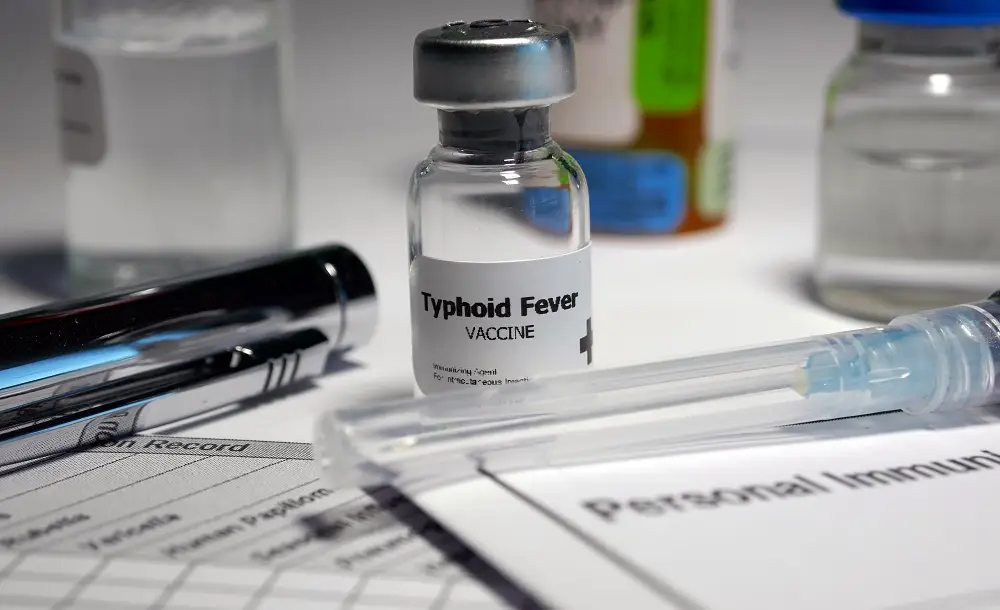
- Typhoid fever: Ideal if you’ll be eating at local markets, rural areas, or outside tourist hotels.
- Tetanus: Make sure your booster is up to date (recommended every 10 years).
- Rabies: Only in specific cases, such as long trips to rural areas, activities with animals, or volunteer work in wilderness areas.
- Influenza (seasonal flu): Highly recommended if you’re traveling during flu season or have risk factors.
Expert tip:
These vaccines aren’t necessary for everyone. Your itinerary, trip duration, and planned activities will make the difference. The best approach is always to consult with a travel medicine center.
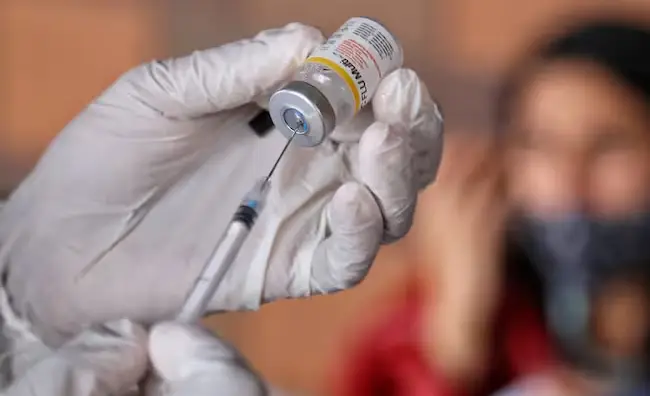

Recommended Vaccines for Peru by Region
Peru is many in one. From the golden, desert coast to the sacred peaks of the Andes or the dense, pulsating jungle, each zone demands different preparation, even when it comes to your health. Here’s a quick guide by region:
Coast (Lima, Ica, Arequipa)
Urban or semi-urban areas with low risk of tropical diseases. Recommended vaccines are routine ones (such as tetanus, measles) and hepatitis A, for food safety.
Highlands (Cusco, Puno)
No specific vaccines are required for this region, but altitude can certainly play tricks on you. If you have cardiac or respiratory conditions, consult with your doctor before undertaking the trip. Remember that altitude deserves respect.
Jungle (Iquitos, Madre de Dios)
Here nature is exuberant, but also demanding in terms of preventive health.
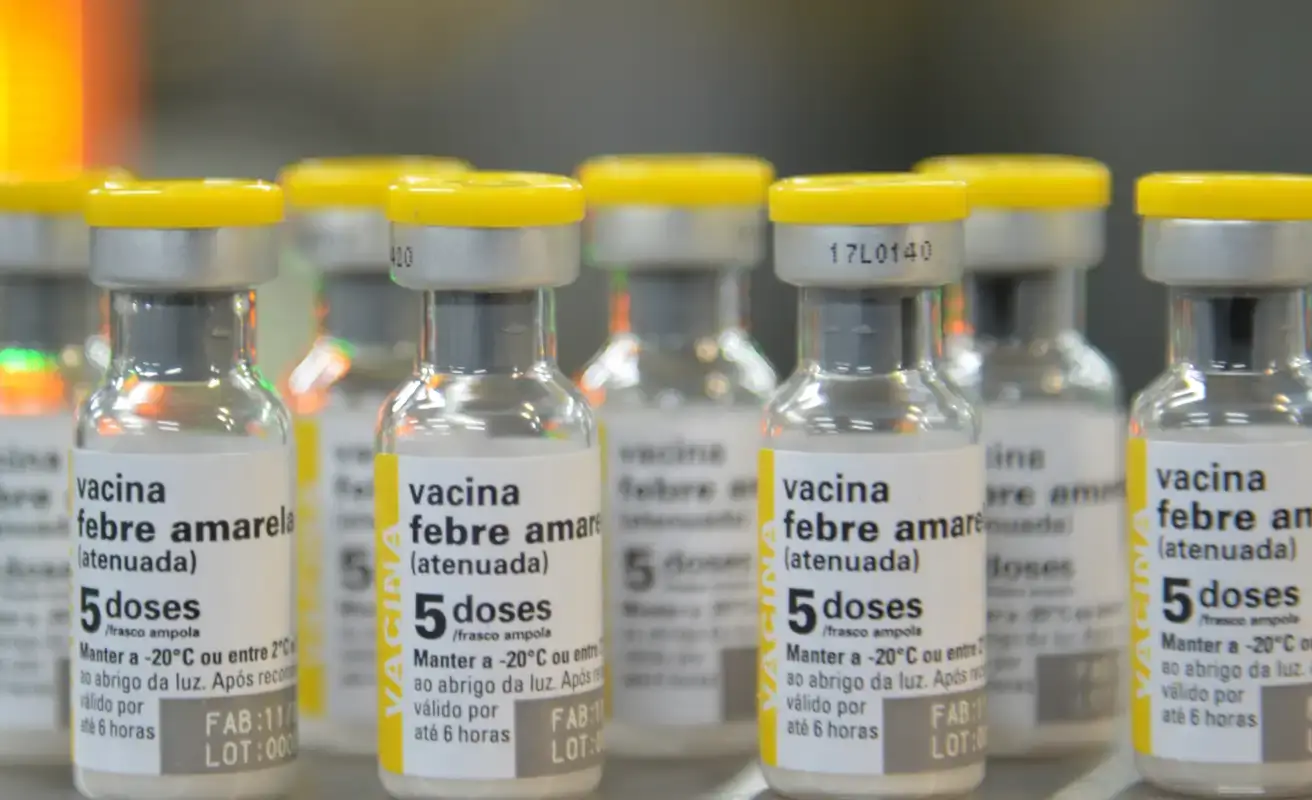
- Yellow fever vaccine Peru: essential. You must apply it at least 10 days before your trip.
- Malaria: no vaccine exists, but you can use prophylaxis if your doctor suggests it.
- Daily protection: DEET repellent, long-sleeved clothing, mosquito nets.
| Region | Risk and Recommendations |
| High Andes (Cusco, Machu Picchu, Lake Titicaca) | There’s no risk of malaria or yellow fever here. Keep routine vaccines up to date and consider hepatitis A. |
| Amazon (Loreto, Madre de Dios, Ucayali, San Martín/Amazonas) | Yellow fever is present; the vaccine is highly recommended. Evaluate chemoprophylaxis against malaria and use repellent daily. |
| Peruvian Coast | Dengue risk increases during rainy season, especially in the north. Yellow fever and malaria aren’t common except in specific hotspots. |


Peru Vaccine Requirements for Entry
Currently, Peru doesn’t require mandatory vaccines to enter as a tourist, regardless of whether you’re arriving from the Americas, Europe, Asia, or another region. Most travelers can enter the country without presenting any specific vaccination certificate.
- If you’re coming from a country with yellow fever risk (such as Brazil or certain areas of Africa), proof of vaccination may be requested upon entry, especially if you’re also visiting the Peruvian Amazon.
- COVID-19: Currently, proof of vaccination or negative test isn’t required for entry, but carrying your digital or physical vaccination card can always be useful, especially if you’re transiting through several countries or entering enclosed spaces.
Main Exception
The only vaccine that may be required under specific circumstances is yellow fever. If your itinerary includes Amazonian areas or low-altitude rural zones, such as Loreto, Madre de Dios, Ucayali, Amazonas, San Martín, Puno, Cusco, Junín, Pasco, or Huánuco, this vaccine is highly recommended. Although it’s not mandatory for most visitors, it may be requested if you’re coming from a country with transmission risk or if your route includes subsequent destinations that require it.
If you’re arriving from a country with yellow fever risk, such as Brazil or certain areas of Africa, or make a stopover in one of them, you may be asked for the international vaccination certificate (yellow card) when entering Peru. Additionally, if after your stay you travel to another country in the region, it’s worth reviewing their health regulations. For example, Ecuador requires this certificate from travelers who have stayed more than ten days in Peru before entering.
COVID-19 Situation
Peru doesn’t require proof of vaccination or negative COVID-19 test for entry. However, carrying your physical or digital vaccination card can facilitate procedures at airports, hotels, or at borders of other countries if you have international flights or connections.
Important note:
Review your itinerary and consider your actual destination. If your route is limited to the coast and highlands, the yellow fever vaccine usually isn’t necessary. If you plan to visit lowland jungle areas, it’s recommended to apply it at least ten days before traveling. If you’re coming from or making a stopover in countries with risk, bring your international vaccination certificate with you.
Keep your routine vaccines up to date, including measles, tetanus, and hepatitis A. And if your itinerary includes extended stays or activities in rural areas, consult with a travel medicine center several weeks in advance.


Yellow Fever: Does Peru Require Vaccinations Like This One?
The yellow fever vaccine isn’t mandatory for entering Peru, although it may be necessary depending on your itinerary and country of origin. Its application is recommended in specific jungle areas and in certain cases may be requested at international border controls.
When Is It Recommended?
- If your route includes tropical jungle areas like Iquitos, Puerto Maldonado, Manu, or Pucallpa, where there’s active transmission of the disease.
- If you’re coming from a country with yellow fever risk, such as Brazil, Colombia, or certain regions of Africa.
In these scenarios, you may be asked for the international vaccination certificate when entering Peru or when continuing your journey to other South American countries.
When Don’t You Need It?
If you’re visiting destinations like Lima, Cusco, Arequipa, the Sacred Valley, Machu Picchu, or Lake Titicaca, this vaccine isn’t recommended or required, as these are areas without yellow fever transmission.

Typhoid Fever and Rabies: When Do These Vaccines Apply?
Typhoid fever and rabies aren’t part of the mandatory requirements for entering Peru, but they can be important protection if your itinerary includes rural areas, outdoor activities, or close contact with animals. These vaccines are usually recommended when the trip moves away from organized tourist circuits.
Typhoid Fever
- Consuming food at local markets, street stalls, or places without consistent sanitary control.
- Traveling to rural communities or areas with limited tourist infrastructure, where access to potable water may be irregular.
Rabies
- Doing extended trekking, camping in rural areas, or staying in natural environments far from urban centers.
- Having frequent contact with wildlife or stray dogs, or participating in animal-related volunteer work.
When Don’t They Apply?
If your trip is short, you’ll be traveling through cities or organized tourist areas, and you won’t have contact with animals or isolated communities, it’s not necessary to get vaccinated against typhoid fever or rabies. In these cases, maintaining good hygiene practices and avoiding contact with stray animals will suffice.

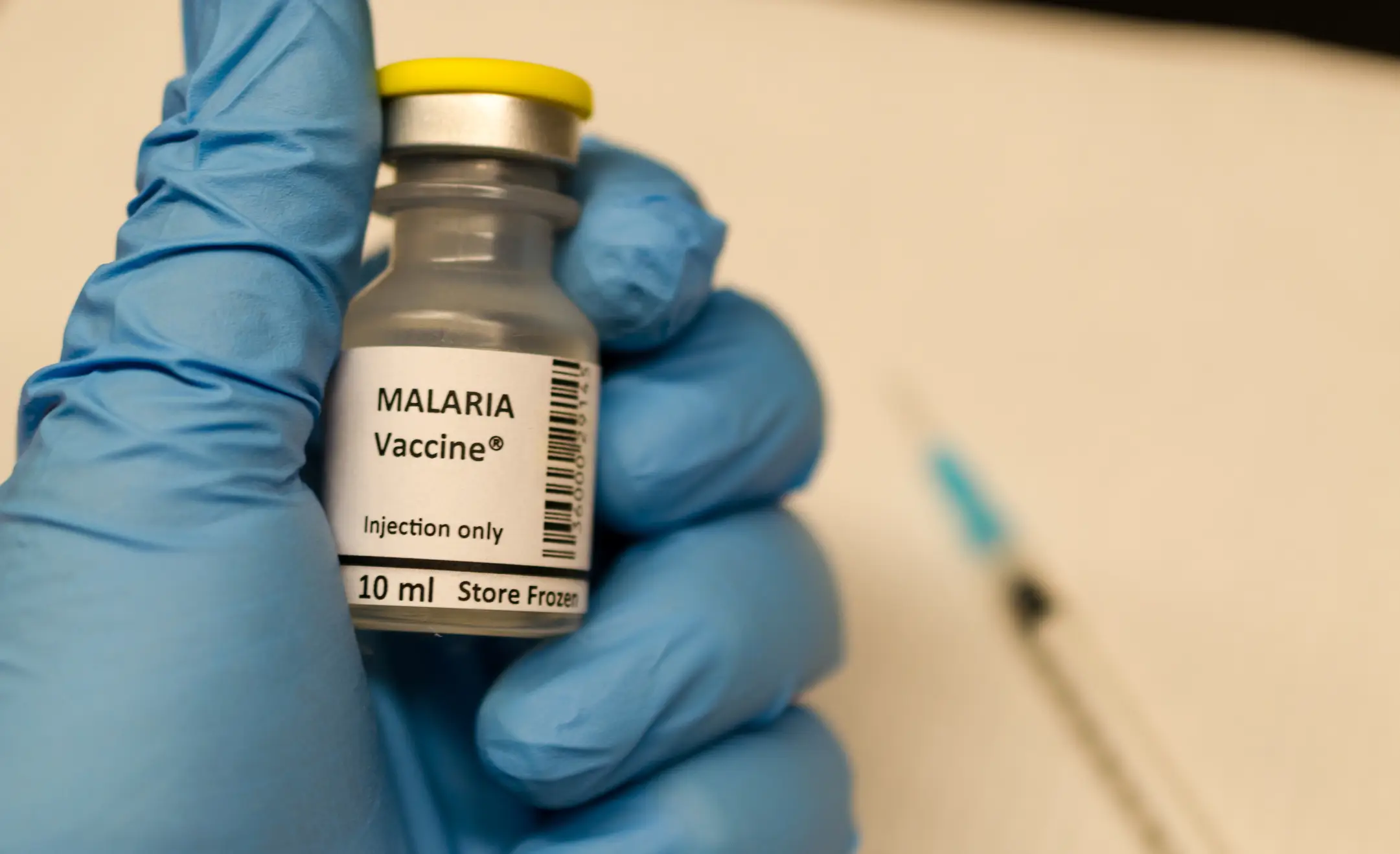
Is a Malaria Vaccine Needed in Peru?
No, there currently isn’t a vaccine against malaria. But that doesn’t mean you should ignore this disease if your adventure takes you to the deep Peruvian Amazon.
So What Should You Do?
- The CDC recommends preventive medication (antimalarial pills) for those traveling to remote Amazonian areas like the Upper Amazon, deep Loreto, or jungle communities where malaria risk is higher.
- In tourist areas like Puerto Maldonado city or Iquitos city, the risk is low and precautions with repellent and appropriate clothing are usually sufficient.
Important note:
Remember to consult with your doctor if your trip includes several days in the jungle or stays outside tourist lodges.
General Health Recommendations for Traveling to Peru
Beyond vaccines, there are small habits that make a big difference during your trip. Here are some essential tips:
- Wash your hands frequently, especially before eating. Carry antibacterial gel.
- Avoid drinking tap water. Always opt for bottled, boiled, or treated water.
- Be careful with raw foods, especially from street vendors.
- Carry a small first-aid kit with acetaminophen, anti-diarrheals, sunscreen, and repellent.
- Get travel insurance that covers medical care abroad.
Expert tip:
If you decide to do it, schedule your vaccinations 4 to 6 weeks before your trip. For yellow fever, apply at least 10 days beforehand. Carry a digital copy of the certificate if your route includes transit to other countries.
Ready to Discover Peru?
Traveling to Peru isn’t just visiting a country: it’s an immersion in towns that still celebrate their roots every day. It’s an experience that touches all the senses and stays with you after returning home.
Although most travelers don’t need mandatory vaccines, taking care of your health is also a way to honor the journey. Knowing which vaccines to consider according to your destination, when to consult with a specialist, and how to prepare adequately will make the trip not only unforgettable but also safe.
At Inkayni Peru Tours, we know that nobody wants to pause an adventure due to discomfort that could have been avoided. So schedule your checkup, update your vaccination card if needed, and carefully pack a first-aid kit.
Peru awaits you with an open heart.
Frequently Asked Questions
What vaccines are needed for Peru from the United States?
For most travelers coming from the United States, there are no mandatory vaccines to enter Peru. However, the Centers for Disease Control and Prevention (CDC) recommend keeping routine vaccines up to date: measles, mumps, rubella (MMR), tetanus, diphtheria, chickenpox, and seasonal flu.
The hepatitis A vaccine is also highly advisable, as you may be exposed to contaminated water or food even at tourist destinations. If you’re planning rural activities, long stays, or volunteer work, ask about typhoid fever, hepatitis B, and rabies.
Is the yellow fever vaccine mandatory to enter Peru?
No. Peru doesn’t require the yellow fever vaccine to enter the country if your route includes only Lima, Cusco, Arequipa, Puno, Machu Picchu, or other Andean and coastal areas without risk.
It is highly recommended if you’ll be traveling to the Peruvian Amazon (Iquitos, Puerto Maldonado, Manu, among others) or if after your stay you’ll continue to countries that require an international certificate (for example, Ecuador if you stayed more than 10 days in Peru). Get vaccinated at least 10 days before your trip to guarantee protection.
Do I need vaccines if I’m only traveling to Lima and Cusco?
If your trip includes rural communities or extended stays, you might consider other preventive vaccines with your doctor.
What vaccines does Peru require for entry in 2025?
Although it’s not a formal requirement, it’s advisable to visit a travel medicine center a few weeks before departure to customize recommendations according to your itinerary.
Are rabies or typhoid fever vaccines needed for Peru?
- Typhoid fever: recommended if you’ll be eating at local markets, staying in family homes, or visiting rural areas without established tourist infrastructure.
- Rabies: advisable if you plan extended trekking, camping, working with wildlife, or doing rural volunteer work. In Peru, there are sporadic cases associated with bats and stray dogs in rural areas.
Do children need special vaccines for Peru?
If the itinerary includes rural or extended areas, consult with their pediatrician well in advance. Some children might also benefit from typhoid or hepatitis B vaccines depending on the route.
What does the CDC say about vaccines for Peru?
- Keep routine vaccines up to date (MMR, tetanus, diphtheria, chickenpox, influenza).
- Receive the hepatitis A vaccine (for all travelers).
- Consider yellow fever if visiting Amazonian areas.
- Consider rabies if having prolonged contact with animals.
- Evaluate hepatitis B if participating in medical practices, tattoos, or close contact with fluids.
Is any vaccine required to enter the Peruvian Amazon?
Additionally, it’s advised to use repellent daily, wear long-sleeved clothing, and, if your doctor indicates, take preventive medication against malaria. Plan this vaccination at least 10 days before your arrival.
What vaccines do I need if traveling from the United Kingdom?
Where can I get vaccinated before going to Peru?
- Public health centers (with lower costs or free in some countries).
- Large pharmacies that offer international vaccination services.
- Private medical offices specializing in travel medicine.
Do it 4 to 6 weeks before your departure so vaccines have time to generate protection and you can complete schedules if necessary.
Are vaccines covered by insurance?
If you have international insurance, review coverage for preventive care or travel medicine. Doing so in advance can save you costs.
Can I receive vaccines in Peru if I forgot to do so in my country?
Getting vaccinated in advance also avoids logistical setbacks during your trip.
Autor

Shared:



If you liked this article and the information you found, give us 5 stars!
 (Ninguna valoración todavía)
 Loading...