


Table of Contents
Quick Answer:
The Kantu Flower, also called Cantuta, is a sacred plant of Andean origin linked to pre Hispanic cosmovision. Since ancient times, it has been valued not only for its beauty and intense colors but for its symbolic and ritual significance. In local tradition, the Kantu is associated with life, harmony, and the bond between people and nature, which is why it was used in ceremonies and offerings dedicated to the sacred forces of the environment.
During the Inca era, the Cantuta played a prominent role in festivities and ceremonial acts, where it represented the balance of the world and respect for the earth. Its presence in ritual spaces reinforced the idea of reciprocity between communities and nature.
In this guide we’ll explore why the Kantu is considered an emblematic flower of Peru, where you can find it, and what it represents within the Andean cultural legacy, especially in regions like Cusco.
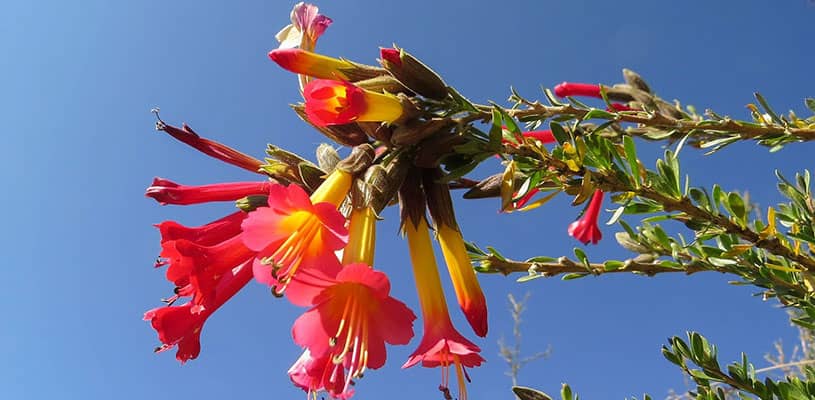
What is the Kantu and why is it a sacred flower?
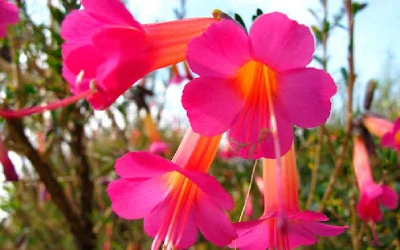
The Kantu, also known as qantu in Quechua, is an Andean flower deeply linked to Peru’s history and spirituality. It’s not just an ornamental plant. For the Andean world, it was and continues to be a symbol of connection with nature, divinities, and community life.
| What is the Kantu? | Why was it considered sacred? | A symbol that transcends time |
|
|
|
Did you know…?
Beyond its beauty and intense colors, the Kantu represents a way of understanding the world: a respectful relationship between humans, the earth, and the sacred. That’s why knowing this flower is also a way to approach Andean cosmovision.
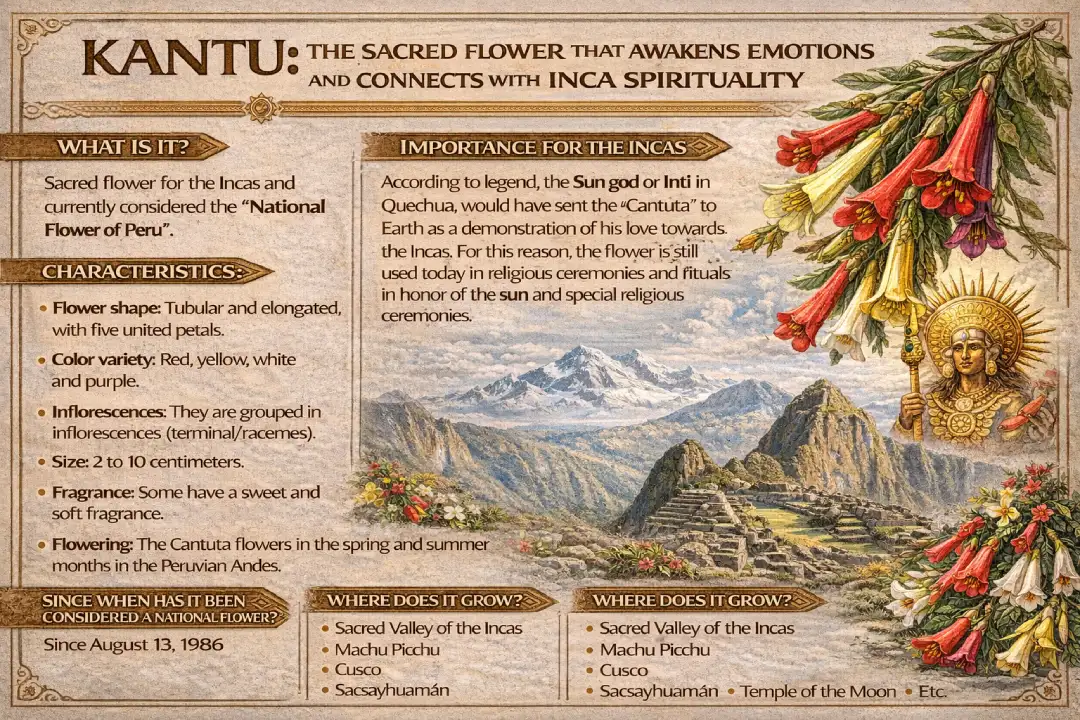
Botanical characteristics of the Kantu
From a botanical perspective, the Kantu stands out for both its resilience and beauty. Its characteristics explain why it has managed to adapt to high altitude ecosystems and maintain its presence from pre Hispanic times to today.
| Main features of the flower | The plant and its adaptation | Flowering cycle |
| Tubular and elongated flowers, with petals joined at the base. | Perennial shrub that can reach between 6.6 and 13.1 feet (2 and 4 meters) in height. | Blooms mainly in Andean spring and summer. |
| Intense and varied colors: red, yellow, pink, white, and bicolor. | Grows in Andean zones between 3,937 and 12,467 feet (1,200 and 3,800 meters) above sea level. | Attracts birds and pollinating insects, especially hummingbirds. |
| Average flower length: between 2.8 and 3.9 inches (7 and 10 cm). | High resistance to low temperatures, drought, and solar radiation. | Flowering associated with rainy season and natural renewal. |
Important note:
These botanical qualities reinforce the Kantu’s value not only as a cultural symbol but also as a key species of the Andean landscape, capable of surviving and flourishing in extreme conditions.
The Kantu in Andean cosmovision
In the Andean world, plants weren’t decorative elements or simple natural resources. Some, like the Kantu, occupied a symbolic place within the relationship between nature, the sacred, and daily life. Its presence crosses both pre Hispanic cosmovision and stories transmitted from generation to generation.

The Kantu and Andean natural balance
Within Andean cosmovision, the Kantu was associated with forces essential for life and world order:
- Water and fertility, as a symbol of continuity and renewal.
- Life and resilience, for its ability to bloom at altitude.
- Natural balance, as part of the bond between humans and environment.
These associations explain why the Kantu appears linked to ritual spaces and sacred landscapes of the southern Andes.
Ritual use of the Kantu in pre Hispanic times
Beyond its beauty, the Kantu had concrete ceremonial use in the Inca world:
- Ritual offerings, especially in agricultural and religious contexts.
- Symbolic decoration in spaces linked to worship.
- Ceremonial element, present in celebrations dedicated to natural forces.
Its use reinforced the idea of harmony between earth’s cycles and human life.
Spiritual bonds: Inti, the apus, and nature
In Andean thought, the Kantu was related to fundamental entities:
- Inti (the Sun), as source of energy and cosmic order.
- The apus, tutelary spirits of the mountains.
- Pachamama, as living expression of the earth.
These connections consolidated its sacred character within the Andean spiritual landscape.
Blooming the Andean path
The Kantu isn’t just a flower that beautifies Cusco and Sacred Valley landscapes. It’s a living symbol of Andean cosmovision, an expression of spirituality, cultural memory, and profound bond with nature. Knowing its history, its meaning, and the places where it still blooms allows travelers to better understand the Andean world beyond monuments.
Integrating this type of knowledge into your trip transforms the experience. It’s no longer just about visiting a destination but understanding it. Each Kantu flower you encounter on the path is a reminder that Andean culture remains present, dialoguing with the present from its ancestral roots.
If you’re seeking a journey that combines landscape, living culture, and deep understanding of Andean legacy, Inkayni Peru Tours accompanies you with experiences designed from respect, local knowledge, and an authentic view of Peru.
Explore Cusco and the Sacred Valley with meaning, context, and real connection to its living history.
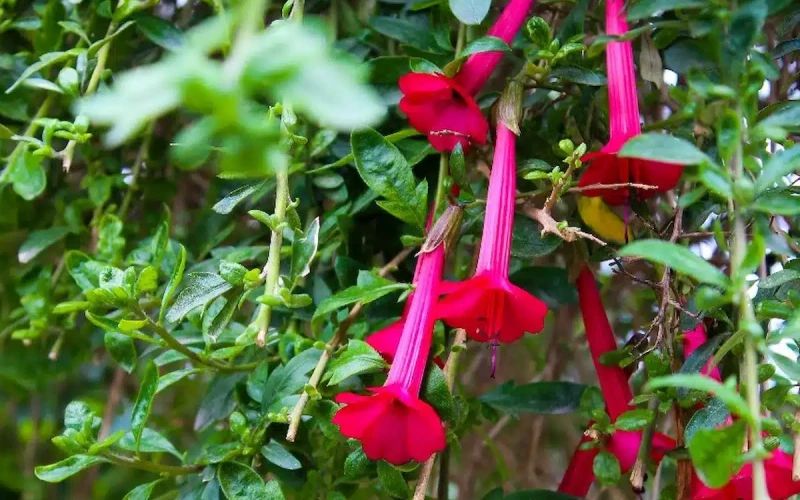
Where to see the Kantu flower in Cusco and the Sacred Valley?
Although the Kantu is an Andean flower that grows naturally in high Andean zones, it can also be observed today in specific spaces in Cusco and the Sacred Valley, where its cultural and symbolic value continues to be recognized.
| Cusco | Sacred Valley | Treks and cultural routes |
|
|
|
Expert tip:
The Kantu blooms primarily during Andean spring and summer, though in gardens and urban spaces it can be observed much of the year. In Cusco, it’s not just an ornamental flower: it forms part of the city’s living landscape, where nature, history, and cultural memory coexist daily.
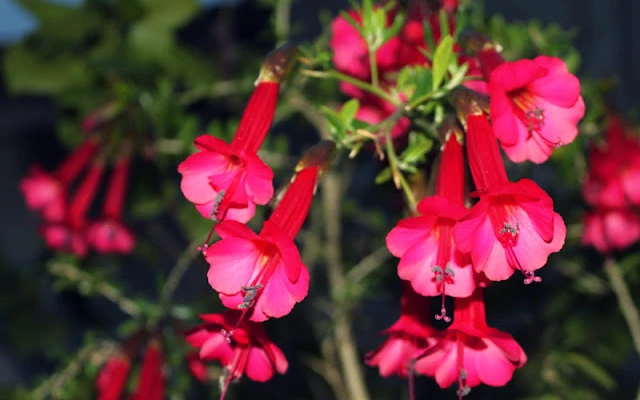
The Andean legend of the Kantu in Calca
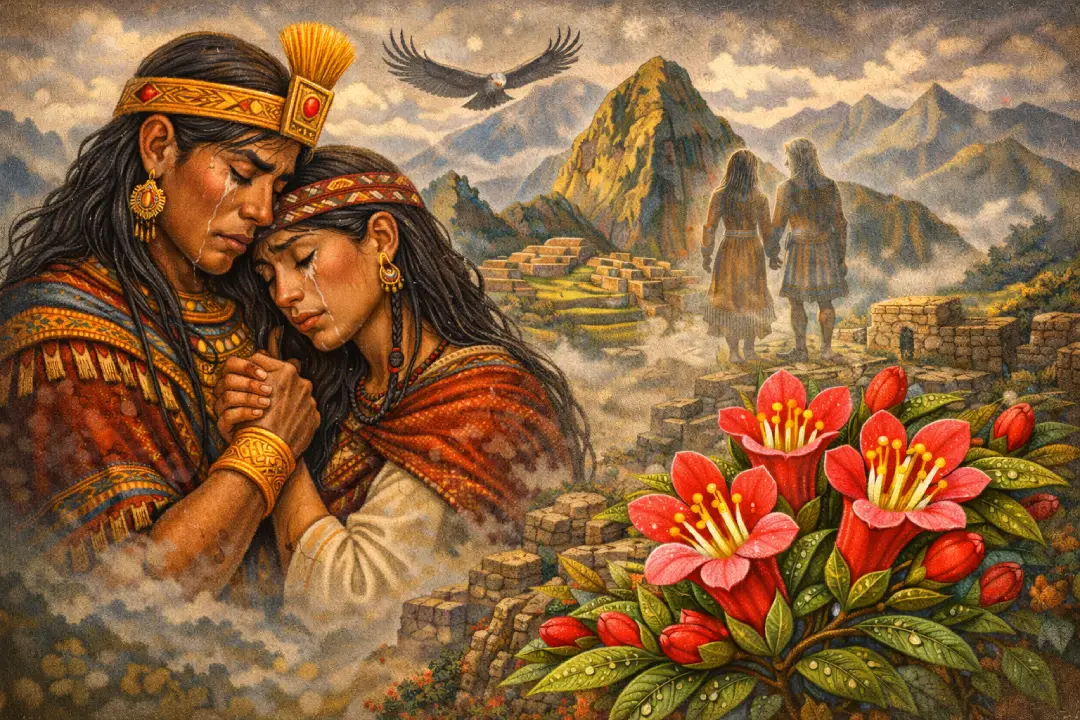
Beyond its spiritual value, the Kantu is present in the oral tradition of the Sacred Valley, especially in the province of Calca, where one of its best known legends is preserved.
In summary, the story tells of an impossible love in Inca times, marked by social status differences. After a tragic ending, the Kantu flower emerges as a symbol of:
- Love that transcends time.
- Sacrifice and collective memory.
- Living presence of the past in today’s landscape.
Today, this legend isn’t understood as a literal account but as a symbolic expression that reinforces the bond between nature, history, and territory in the Cusco Andes.
Frequently asked questions
The Kantu (also known as cantuta) is a native flower of the Peruvian Andes with deep cultural and spiritual meaning. In Andean cosmovision, it’s associated with life, water, fertility, and natural balance. It was used in pre Hispanic ritual ceremonies and continues to be a living symbol of cultural identity in southern Peru. Yes. Various historical chronicles and cultural studies agree that the Kantu had a ceremonial role during the Inca period. It was used in rituals linked to divinities like Inti (the Sun) and to sacred mountains or apus, especially in contexts related to nature, agricultural cycles, and water. The Kantu flower can be observed in historic and natural spaces of Cusco, especially: Its presence isn’t always massive, so observing it is usually a quiet and authentic experience. Generally, the Kantu blooms between Andean spring and summer, when there’s greater humidity and moderate rains. At medium and high altitudes, this usually coincides with the months of November to March, though it can vary according to each zone’s microclimate. The Kantu represents the connection between the earthly world (Kay Pacha) and the spiritual world in Andean cosmovision. It’s associated with earth’s fertility, water’s abundance, and the renewal of natural cycles. In traditional ceremonies, it’s offered to Pachamama (Mother Earth) and to the Apus (mountain spirits) as a symbol of respect and reciprocity. Its presence in rituals also symbolizes cultural continuity from pre Hispanic times to the present. Interestingly, these colors also appear in the Tahuantinsuyo flag and various Inca symbols. Yes, the Kantu has been used in traditional Andean medicine for centuries, though its use is less known than other medicinal plants. Among its traditional applications are: Important note: The Kantu’s medicinal use isn’t widely documented scientifically. Any therapeutic application should be consulted with specialists in traditional medicine or health professionals. The most widespread legend is of the forbidden love of two young Incas in the Calca region (Sacred Valley). According to the traditional account Two young people from different ayllus (communities) fell deeply in love, but their love was forbidden by the social laws of their time. Desperate to be together, they fled to the mountains pursued by the Inca’s guardians. When caught near a waterfall (according to some versions, the Arín Waterfalls), they preferred to throw themselves into the void embraced rather than live apart. The Andean gods, moved by their true love, transformed their bodies into Kantu flowers that grew at the site of the tragedy. Since then, the flower symbolizes eternal love, sacrifice, and unbreakable union. What is the Kantu and why is it a sacred flower in the Andes?
Was the Kantu really important to the Incas?
Where can you see the Kantu flower in Cusco?
What time of year does the Kantu bloom?
What is the spiritual meaning of the Kantu in Andean culture?
What colors does the Kantu flower have and what do they represent?
Does the Kantu flower have medicinal properties or traditional uses?
What is the best known legend about the Kantu flower?
Autor

Shared:



If you liked this article and the information you found, give us 5 stars!
 (Ninguna valoración todavía)
 Loading...