


Table of Contents
Visiting Cusco museums isn’t just about observing ancient artifacts, it’s about traversing centuries of history concentrated in a living city. What stories do these walls hold? What truths endure behind each Inca or colonial object?
From sacred temples transformed into churches to modern galleries reinterpreting the past, each museum in Cusco invites you to see time differently. Understanding their layout, access points, and significance can transform your journey through the city. Start that exploration here.


Museum of Pre-Columbian Art (MAP)
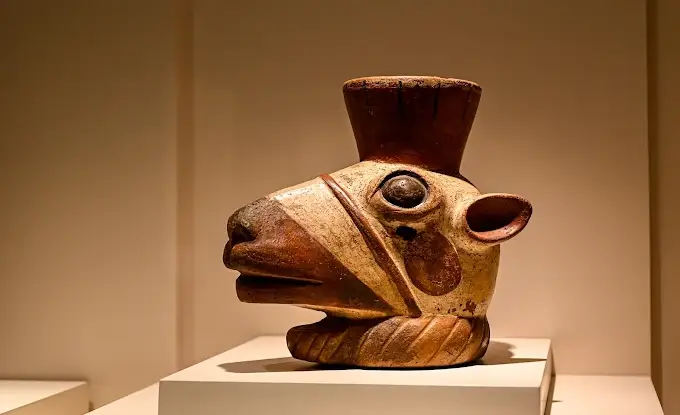
Internationally recognized, the MAP brings together more than 450 original pieces from different pre-Hispanic Peruvian cultures. Here you can admire ceramics, textiles, metals, and sculptures that reveal the sophistication and cultural diversity that preceded the Incas.
Its modern design and careful curation make each visit an immersive experience, ideal for understanding ancestral art from a contemporary perspective.
The museum occupies Casa Cabrera, a colonial mansion built on original Inca foundations dating back to 1450 AD, when it served as an Inca ceremonial court. The collection features pieces from the renowned Larco Museum in Lima, curated by Fernando de Szyszlo and Cecilia Bákula. The museum’s ten galleries span from 1250 BC to 1532 AD, covering cultures including Chavín, Paracas, Nazca, Mochica, Huari, Chancay, Chimú, and Inca. Don’t miss the gold and silver room, the impressive aribalos (monumental ceremonial vessels), and the museum’s upscale MAP Café located in the courtyard. Audio guides are available in Spanish, English, and French.
Essential Information
Where is it located?
Hours: daily from 9:00 a.m. to 10:00 p.m.
Admission price
- General: S/. 20 (approximately $5.30 USD)
- Students: S/. 10 (approximately $2.65 USD)
Is it included in the Cusco Tourist Ticket? No.

Inka Museum Cusco
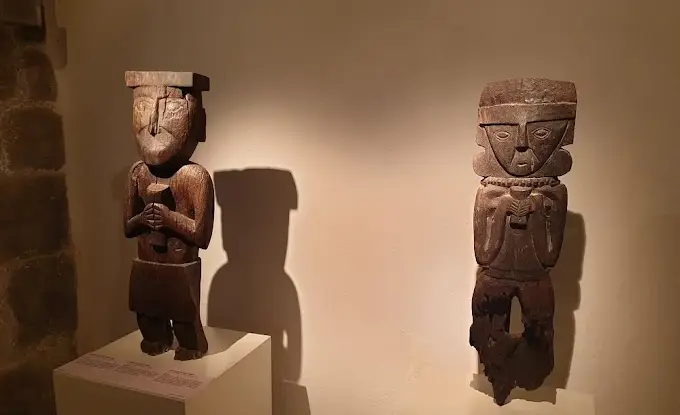
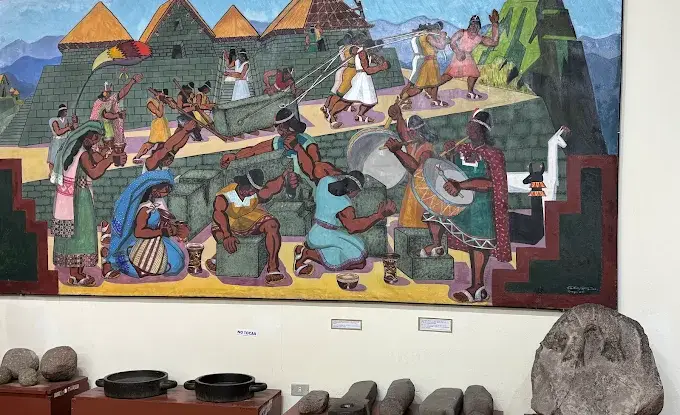
This museum is dedicated to the civilization that built Machu Picchu. Through its exhibitions, you’ll understand the complex social, religious, and architectural organization of the Inca Empire.
Highlights include textiles, ceramics, tools, and weapons that illustrate daily life and the political power of the era.
Housed in the 17th-century Casa del Almirante (Admiral’s House), built over the palace of Inca Huáscar, this museum contains one of the world’s largest collections of keros (ceremonial vessels). The exhibition follows a chronological path from pre-Inca cultures through colonial times. Notable displays include nine skulls showing cranial trepanation (ancient Inca surgical practice), approximately eight well-preserved mummies in a tomb-like chamber, and historic photographs of Machu Picchu from Hiram Bingham’s 1912 expeditions. The museum also features detailed models of Machu Picchu and exhibits on Inca architecture, warfare, and the Spanish conquest. Guided tours in English and Spanish are available at the entrance. Allow 2 to 3 hours for a thorough visit.
Essential Information
Where is it located?
Hours: Monday to Friday from 9:15 a.m. to 4:00 p.m.; Saturdays from 8:45 a.m. to 1:45 p.m.
Admission price
- International visitors: S/. 20 (approximately $5.30 USD)
- Peruvian nationals: S/. 10 (approximately $2.65 USD)
- International students: S/. 10 (approximately $2.65 USD)
- Peruvian students: S/. 5 (approximately $1.35 USD)
Is it included in the Cusco Tourist Ticket? No.
Qorikancha Museum
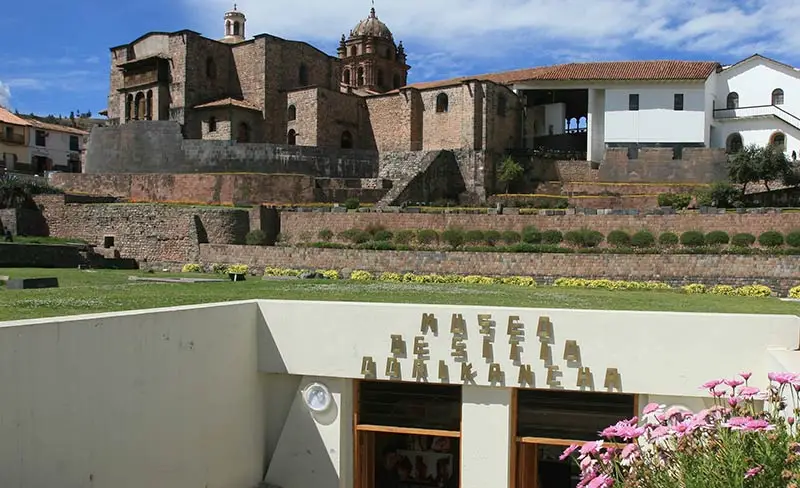
Located at the ancient Temple of the Sun, the Qorikancha stands as a unique testament to the clash between Inca cosmovision and Spanish domination.
Though much of the temple was destroyed, original walls and remarkable relics remain. The Qorikancha Museum exhibits surviving treasures and explains how the temple was transformed into the colonial Church of Santo Domingo, symbolizing the complex history of conquest.
The underground museum features five rooms displaying archaeological finds from excavations conducted between 1992 and 1995. Collections include Inca and pre-Inca ceramics, metallurgy samples, textiles, paintings, sculptures, and musical instruments. A detailed scale model shows what Qorikancha looked like during its golden age, when walls were covered with 700 sheets of solid gold and the temple served as an astronomical observatory. The museum also displays mummies, cranial trepanations, and lithic objects. Upstairs, visit the Church of Santo Domingo to see the perfectly fitted Inca stone walls that survived multiple earthquakes, including the curved 6-meter-high wall visible from inside and outside the complex.
Essential Information
Where is it located?
Hours: Monday to Saturday from 8:00 a.m. to 5:00 p.m.; Sundays from 2:00 p.m. to 4:00 p.m.
Is it included in the Cusco Tourist Ticket? Yes.
Important note:
This museum can only be accessed with the Cusco Tourist Ticket.
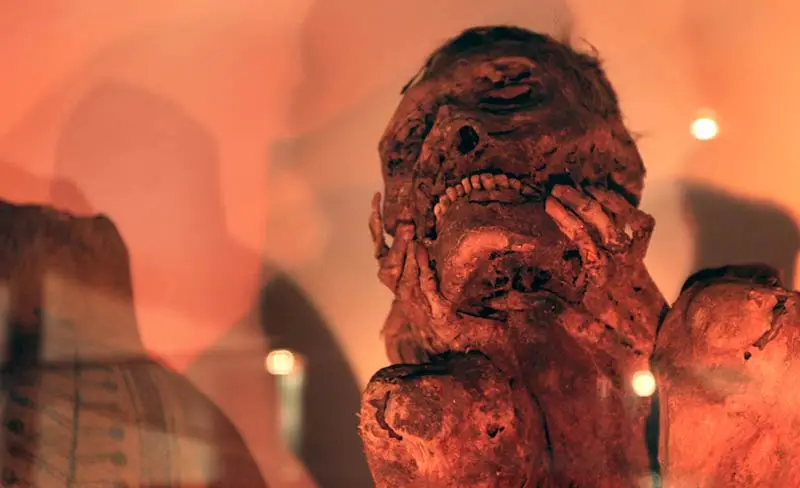
Santa Catalina Monastery Museum
At this museum you can explore monastic life and spirituality during the colonial period.
Highlights include its cloisters, chapels, and a collection of religious art reflecting the profound presence of the church in colonial society.
The museum, opened in 1971, showcases the contemplative life of Dominican nuns who have lived here continuously for over 400 years. The collection features outstanding works from the Cusco School of Art, blending European and indigenous influences. The museum also displays life-size representations of monastic life, including the refectory with ceramic dishes and the pinacoteca gallery. The Renaissance-style architecture features Roman arches and carved stone facades.
Essential Information
Where is it located?
Hours: Monday to Saturday from 8:30 a.m. to 5:30 p.m.; Sundays from 2:00 p.m. to 5:00 p.m.
Admission price
- General: S/. 8 (approximately $2.15 USD)
- Students: S/. 4 (approximately $1.05 USD)
Is it included in the Cusco Tourist Ticket? No.
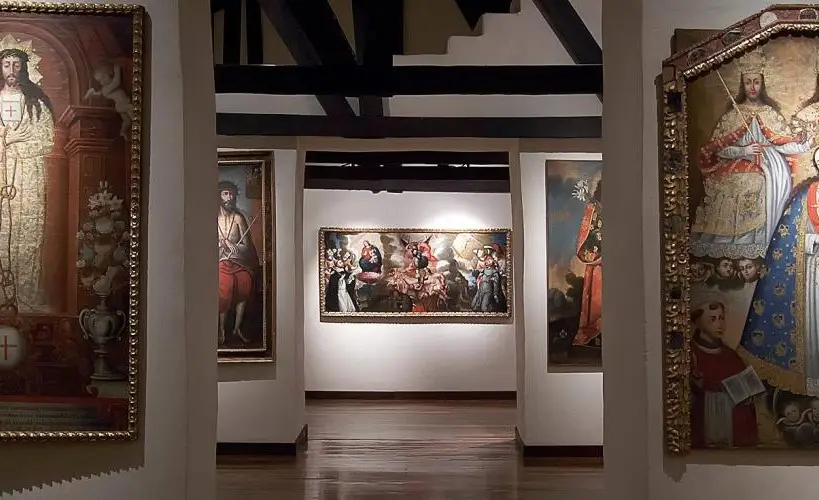
Regional History Museum at Casa Garcilaso
Situated in the former residence of chronicler Garcilaso de la Vega, this museum offers a critical look at the historical process Cusco experienced during and after the conquest, with a collection of documents, maps, and objects illustrating cultural and social transformation.
Essential Information
Where is it located?
Hours: Monday to Sunday from 8:00 a.m. to 5:00 p.m.
Is it included in the Cusco Tourist Ticket? Yes.
Important note:
This museum can only be accessed with the Cusco Tourist Ticket.
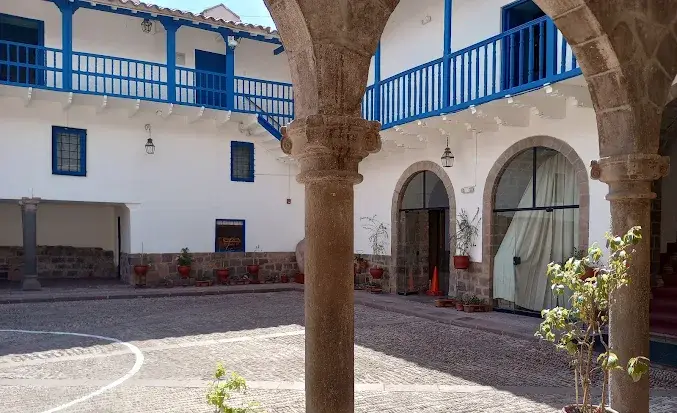
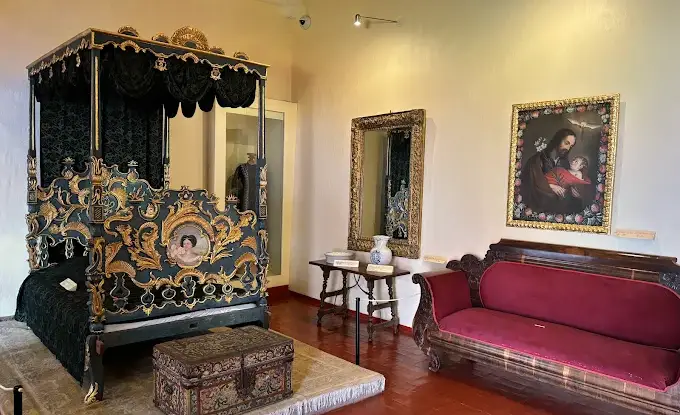
Museum of Contemporary Art Cusco
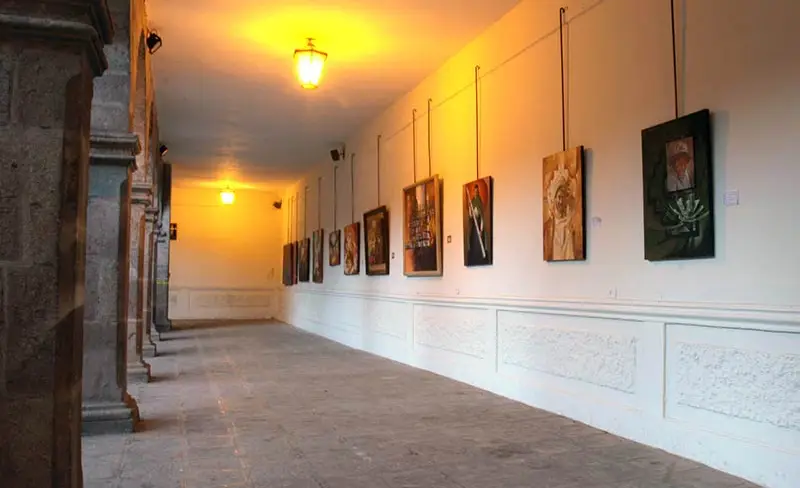
For those seeking to connect with modern Peruvian culture, this museum exhibits works by national artists that dialogue with tradition and current reality, offering a fresh and dynamic vision of art in Cusco.
The museum houses approximately 300 artistic works from both local and international artists in various styles. Temporary exhibitions frequently showcase emerging Cusco artists. One of the most notable pieces is “Río Vilcanota” by painter Remigia Mendoza. The space serves as a platform for collective presentations and individual showcases, bridging traditional Andean themes with contemporary artistic expressions.
Essential Information
Where is it located?
Hours: Monday to Saturday from 9:00 a.m. to 6:30 p.m.
Is it included in the Cusco Tourist Ticket? Yes.
Important note:
This museum can only be accessed with the Cusco Tourist Ticket.
Museum of Popular Art
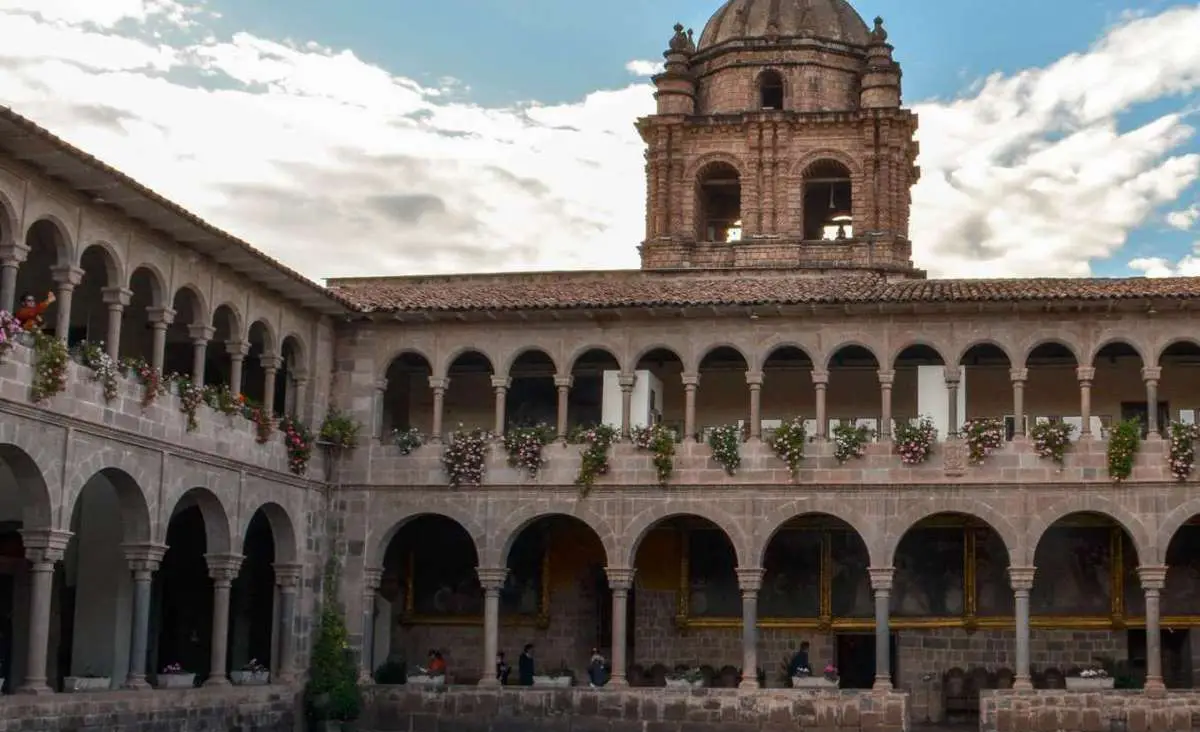
A space dedicated to folkloric traditions, showcasing textiles, ceramics, and handicrafts that keep Andean roots alive, perfect for understanding the cultural continuity that persists in local communities.
Founded in 1936 and part of the American Art Institute, this museum displays winning entries from Cusco’s annual Popular Art Competition. The collection emphasizes pieces acquired from the traditional Santurantikuy Christmas fair and includes works by renowned local artists such as Edilberto Mérida and Nemesio Villasante. Exhibits feature ceramics, clay sculptures, grotesque art, and various folk art traditions preserved since 1940.
Essential Information
Where is it located?
Hours: Monday to Saturday from 8:30 a.m. to 6:00 p.m.; Sundays and holidays from 8:00 a.m. to 1:00 p.m.
Is it included in the Cusco Tourist Ticket? Yes.
Important note:
This museum can only be accessed with the Cusco Tourist Ticket.

Coca Museum
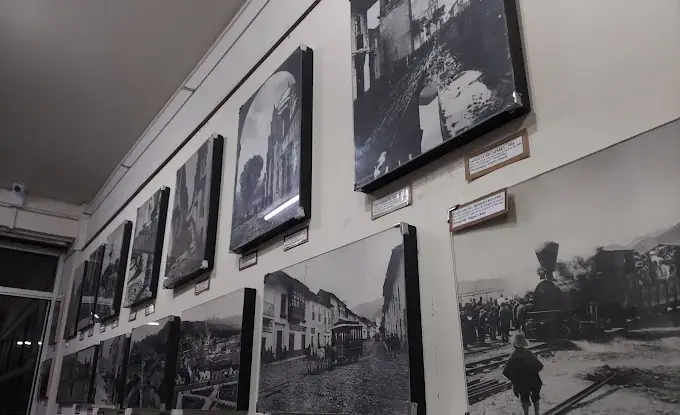
This museum is ideal for understanding the cultural, social, and spiritual importance of the coca leaf in Andean cosmovision. Through interactive exhibits, you’ll learn about its ancestral use and significance through to the present day.
Essential Information
Where is it located?
Hours: Monday to Sunday from 9:00 a.m. to 9:00 p.m.
Admission price
- General: S/.10 (approximately $2.65 USD)
- Students: S/.5 (approximately $1.35 USD)
- Children under 12 and Cusco residents with ID: free admission
Is it included in the Cusco Tourist Ticket? No.

A Cultural Alternative
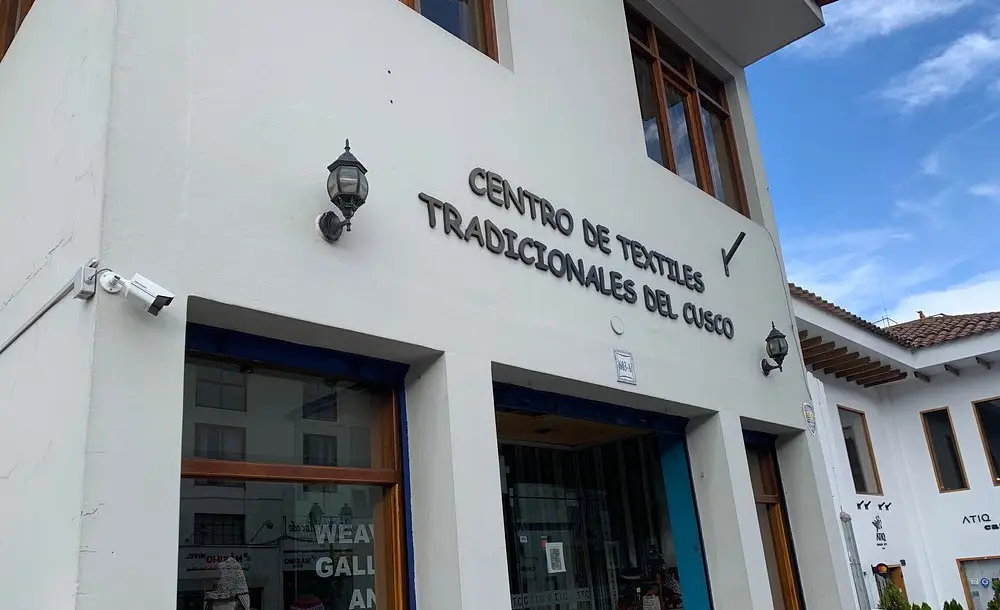
Textile Museums and Traditional Weaving Centers
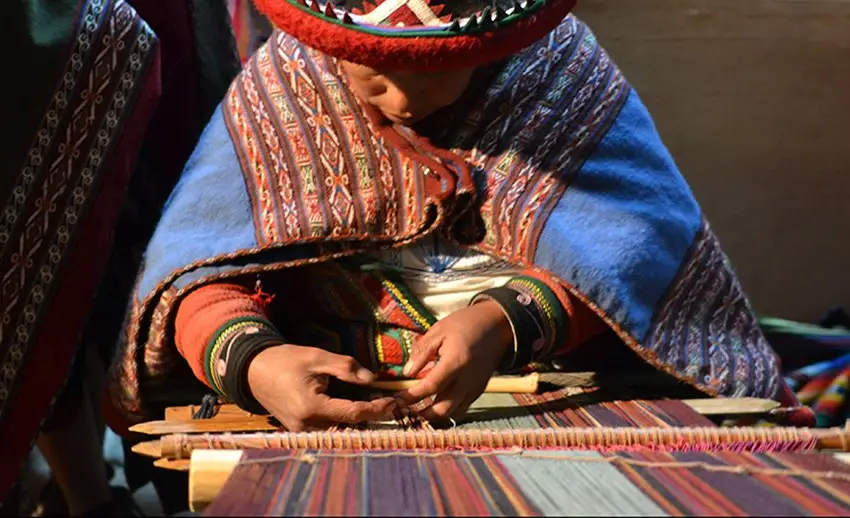
More than museums, these spaces function as living workshops.
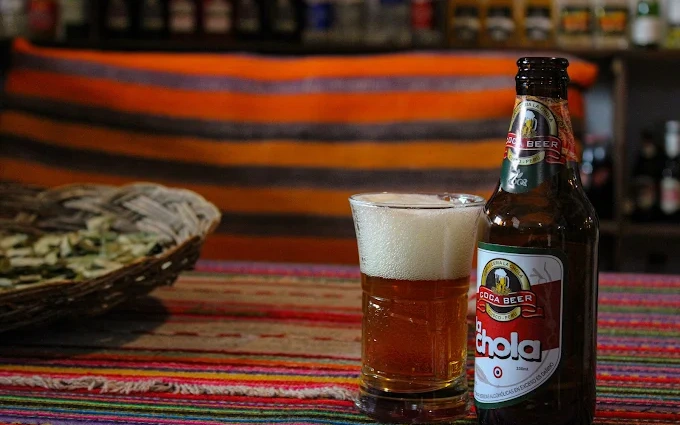
In neighborhoods like San Blas, you’ll find spaces dedicated to Andean textile art, where master weavers show you their ancestral techniques with natural fibers and vegetable dyes. It’s one of the most authentic ways to connect with the living legacy of the Andes.
Essential Information
Hours: Monday to Friday from 8:30 a.m. to 6:00 p.m.; Saturdays from 9:30 a.m. to 5:00 p.m.
Where is it located?
Suggested Itineraries
Half-Day Tour
If you only have a few hours, we recommend concentrating on Cusco’s historic center for a quick but meaningful route.
- Start: Museum of Pre-Columbian Art (MAP), to immerse yourself in pre-Inca richness.
- Finish: Qorikancha Museum, where Inca and colonial history intertwine.
Full-Day Experience
For a full day of exploration, combine must-see museums in Cusco Peru with a visit to nearby archaeological sites.
Morning:
- Inka Museum Cusco, to discover the empire that built Machu Picchu.
- Museum of Popular Art, to appreciate Andean cultural continuity.
Afternoon:
- Santa Catalina Monastery Museum, to understand the imposed colonial religious heritage.
- Qorikancha Museum, to deepen your understanding of the symbolic mixture between empires.
Deep Immersion
If you have several days, you can explore each museum leisurely and include lesser-known ones:
- Day 1: Pre-Columbian museums (MAP, Inka Museum, Coca Museum).
- Day 2: Colonial and religious museums (Cathedral, Santa Catalina Monastery, Casa Garcilaso).
- Day 3: Specialized museums and contemporary art (Museum of Contemporary Art and Museum of Popular Art).
Expert tip:
Also include visits to related archaeological sites to complete the historical context.

Which Museums Are Included in the Cusco Tourist Ticket?
The Cusco Tourist Ticket (BTC) is an official pass that grants access to various archaeological sites and cultural centers in Cusco and its surroundings. You can access them through the general ticket (valid for 10 days) or the partial ticket for Circuit II (valid for 2 days).
Museums included are:
- Museum of Popular Art
- Qorikancha Museum
- Regional History Museum
- Museum of Contemporary Art
Beyond access to these museums, Circuit II also includes other cultural centers, such as the Qosqo Center for Native Art (traditional dances) and the Monument to Inca Pachacutec (with viewpoint and historical exhibition).
Expert tip:
This option is ideal if your main interest is Cusco art and culture in museum settings. For more information, visit their official website.

Where to Buy the Tourist Ticket?
The BTC cannot be purchased online. You can buy it in person at:
- COSITUC Main Office: Av. El Sol 103, Galerías Turísticas, Office 101, Cusco. Hours: Monday to Sunday from 7:30 a.m. to 6:00 p.m.
- Tourist sites included in the BTC: Except at the Museum of Contemporary Art and the Monument to Inca Pachacutec.
Requirements:
- International tourists: valid passport.
- Peruvian tourists: valid ID.
- Students: Student ID (ISIC for international visitors) and identity document.
Recommendations:
- Bring cash in Peruvian soles, as not all points of sale accept cards.
- Plan your visit considering the opening hours of each site.
Important note:
To visit places included in the Cusco Tourist Ticket, you must present the physical ticket.

Prices and Discounts (2026)
General Ticket (16 sites, valid for 10 days)
- International tourists: S/130 (approximately $34.50 USD)
- International students (with ISIC card): S/70 (approximately $18.50 USD)
- Peruvian tourists: S/70 (approximately $18.50 USD)
- Peruvian students (with valid university ID): S/40 (approximately $10.60 USD)
Partial Tickets (per circuit)
- International tourists: S/70 (approximately $18.50 USD)
- International students (with ISIC card): S/40 (approximately $10.60 USD)
- Peruvian tourists: S/40 (approximately $10.60 USD)
- Peruvian students (with valid university ID): S/20 (approximately $5.30 USD)
Important note:
Children under 10 enter sites included in the BTC for free.
Practical Tips for Visiting Museums in Cusco
Photography Policies and Restrictions
- Most museums allow photos without flash, but some religious spaces or special exhibitions may prohibit them entirely.
- Always ask or check the signs to avoid issues.
Best Times to Visit
- Arrive right at opening (generally 9:00 a.m.) to enjoy a quieter experience.
- Avoid weekends and local holidays.
Language Barriers and Guided Tour Options
- Many museums offer brochures in English and Spanish.
- You can hire specialized local guides who offer tours in various languages and enrich the experience with cultural and contextual details.
More Than a Tourist Stop
A territory where the cross was imposed with blood and sacred gold was melted down to feed foreign empires.
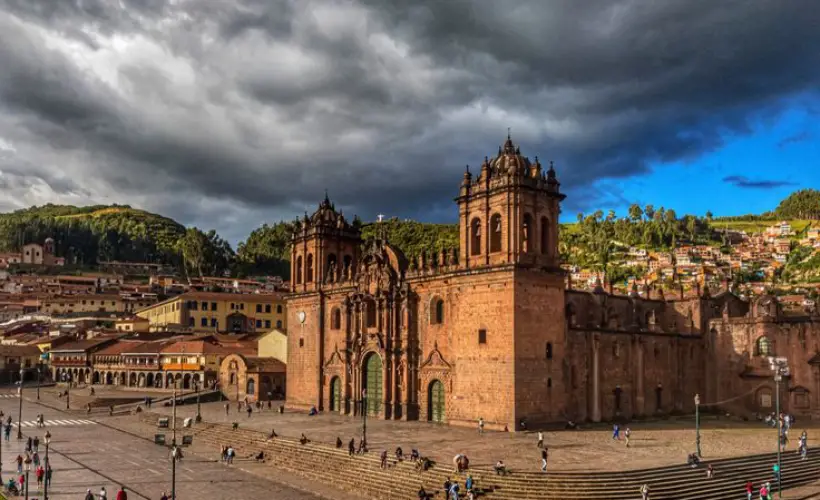
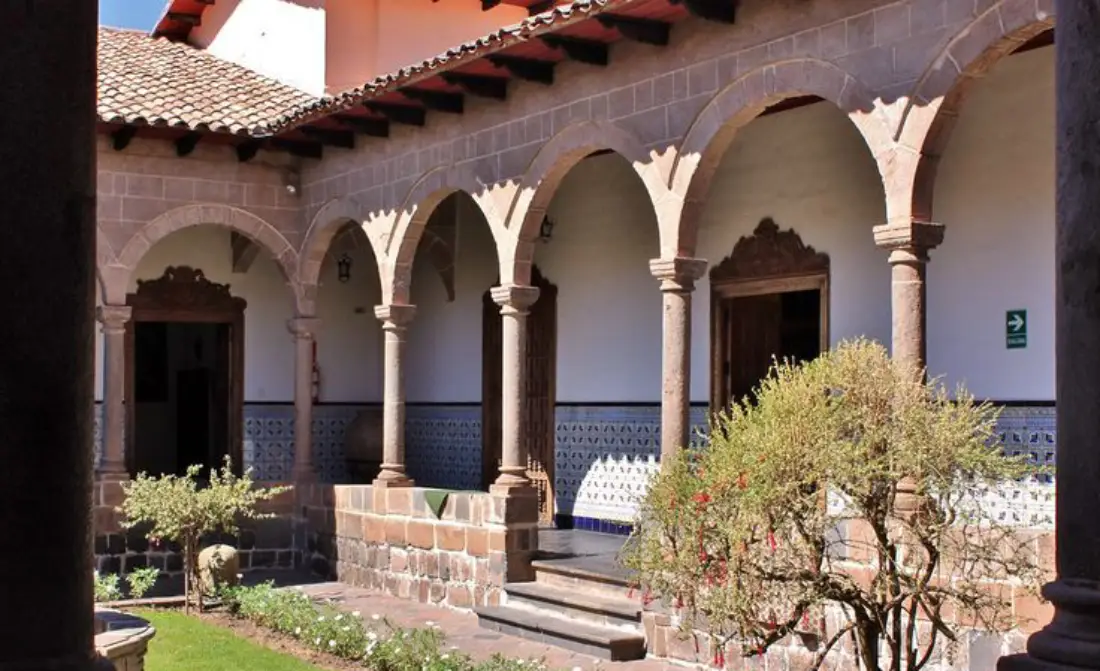
Each museum in Cusco is a key to unlocking layers of the past, to understand not only what was lost with colonization, but also what resisted and the memory that, even today, can flourish.
From Inkayni Peru Tours we recommend you don’t pass by.
Enter, observe, question.


Frequently Asked Questions
Is it worth buying the Cusco Tourist Ticket for museum visits?
Yes, depending on your itinerary. The General Tourist Ticket includes 16 archaeological and cultural sites (such as the Museum of Popular Art, the Regional History Museum, and the Qosqo Center for Native Art), and is ideal if you also plan to visit ruins like Sacsayhuamán, Ollantaytambo, or Pisac.
However, museums like MAP, the Inka Museum, or Qorikancha aren’t included and require separate tickets. If you’re only interested in museums, paying for individual admission may be more cost-effective.
Which museums can I visit in one day without feeling overwhelmed?
For a balanced tour, we recommend visiting two or three museums in a single day.
Suggested half-day itinerary:
- Museum of Pre-Columbian Art (MAP)
- Qorikancha Museum
Suggested full-day itinerary:
- Inka Museum
- Regional History Museum
- Santa Catalina Monastery Museum
Are Cusco museums suitable for children and families?
Yes, many offer interesting spaces for young visitors:
- Natural History Museum: ideal for kids curious about animals and nature.
- Coca Museum and textile centers: often include demonstrations and interactive elements.
That said, some colonial museums can be more contemplative; plan shorter visits or alternate with more dynamic activities.
Do I need a guide for Cusco museums or can I explore independently?
You can do both:
- Self-guided: many museums offer texts in English and Spanish, sufficient for independent visitors.
- With a guide: for a deeper, more personalized experience (especially at Qorikancha or the Inka Museum), a local guide will reveal details invisible to the naked eye. If you’re time-limited or want richer historical and symbolic interpretation, a guide is worthwhile.
What should I know about photography in Cusco museums?
Most allow photos without flash, but some spaces, like temples or sacred art, prohibit photographs out of cultural respect or conservation.
Always observe the signs or ask staff before taking photos.
Are Cusco museums wheelchair accessible?
Accessibility varies:
- Museums in colonial buildings (like the Inka Museum or Casa Garcilaso) have stairs and narrow hallways that make access difficult.
- Some more modern spaces (like MAP or the Museum of Contemporary Art) have better adapted infrastructure.
Check in advance if you need ramps or assistance, as not all museums are fully equipped.
How much time should I allocate for museum visits during my stay in Cusco?
Ideally, reserve at least half a day, even if your priority is ruins.
For travelers interested in Andean history and colonization, one or two well-planned days offer richer understanding of what you’ll see at Machu Picchu, the Sacred Valley, or Cusco itself.
Integrate museums strategically: a morning at a museum, an afternoon at archaeological sites.
Which museums are open on Sundays and holidays?
Most open Monday through Saturday, some also Sunday mornings.
- Museums like MAP, Coca Museum, and Qorikancha usually open on Sundays.
- National holidays, especially Holy Week, July 28th, or Inti Raymi (June 24th), may have reduced hours or be closed.
Check official websites or ask at your hotel to plan ahead.
Shared:



If you liked this article and the information you found, give us 5 stars!
 (Ninguna valoración todavía)
 Loading...