


Table of Contents
Quick Answer
You manage altitude sickness on the Choquequirao trek by recognizing symptoms early, such as headache, unusual fatigue, nausea, or dizziness, and acting immediately. Stop hiking, rest, hydrate, eat, and inform your guide at the first signs. Proper acclimatization in Cusco, a steady pace, and clear communication on this remote route are key to staying safe.
What happens if Choquequirao trek altitude sickness starts far from roads, cell service, or medical help? Feeling unwell in the middle of the mountains can be unsettling, especially on a route as remote as Choquequirao.
IThis guide explains what altitude sickness looks like on the Choquequirao trek, how to reduce the risk before you hike, and what to do if symptoms appear along the trail.
With clear, practical advice, you can prepare to hike safely and with confidence.
Choquequirao trek altitude sickness
Choquequirao is an Inca archaeological site perched high above the Apurímac Canyon in southern Peru, at about 10,000 feet above sea level. There is no road access, so reaching it requires a demanding multi-day hike.
What sets this trek apart is the extreme elevation change. Unlike the Inca Trail or Salkantay, hikers descend deep into the canyon before climbing back up. The route starts near Capuliyoc at around 9,500 feet, drops to the river, and then climbs steeply to Choquequirao.
These constant ups and downs force the body to adjust again and again, making the trek physically demanding and increasing the challenge of hiking at altitude.
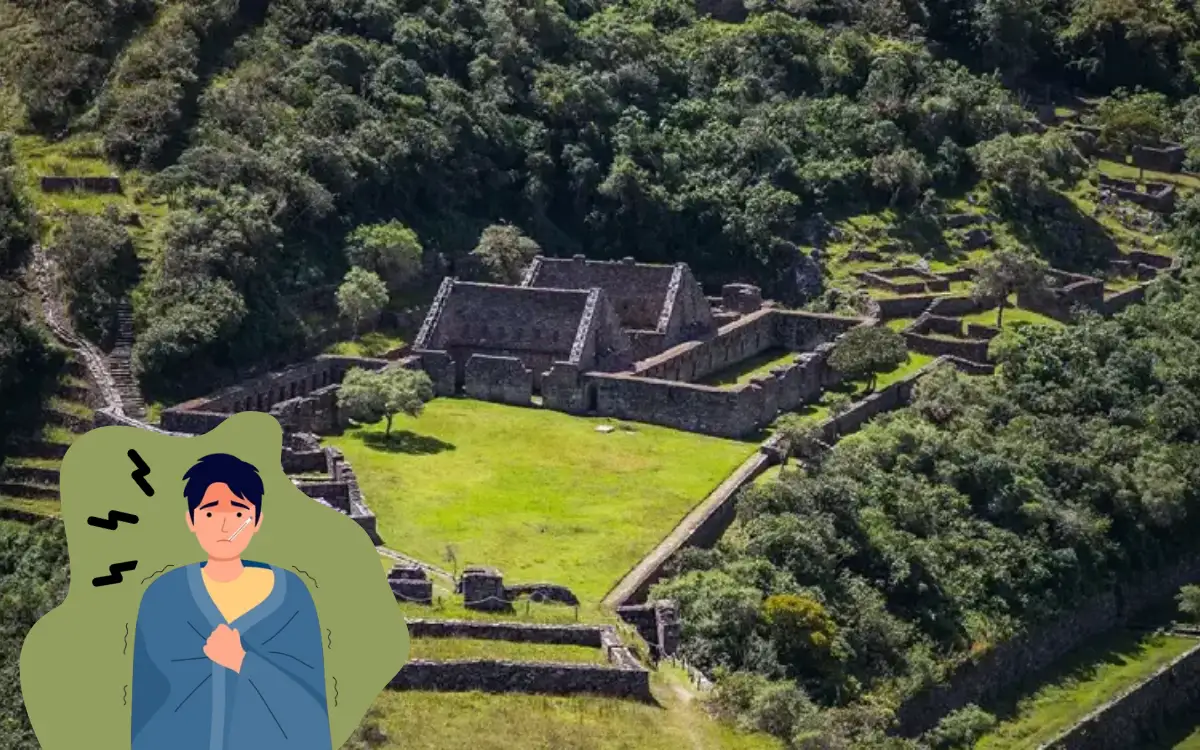
Important note:
As it’s a remote multi-day trek with no intermediate vehicular access, any health complication must be faced en route and with limited resources. This makes altitude not only a physical factor, but also a logistical and mental one.
What is Altitude Sickness?
Also known locally as soroche, altitude sickness is a body’s response to decreased oxygen at elevations above 8,000 feet (2,500 meters).
When you ascend too quickly to high altitude, as occurs when starting the Choquequirao trek from Cusco or Abancay, the body doesn’t have enough time to adapt, and a series of symptoms ranging from mild to severe can be generated.
Although it can affect anyone, regardless of age or physical condition, Choquequirao trek altitude sickness is manageable. Understanding its signs is key to detecting it in time and acting calmly.

Altitude sickness in the Andes (Infographic).
Recognizing Altitude Sickness Symptoms
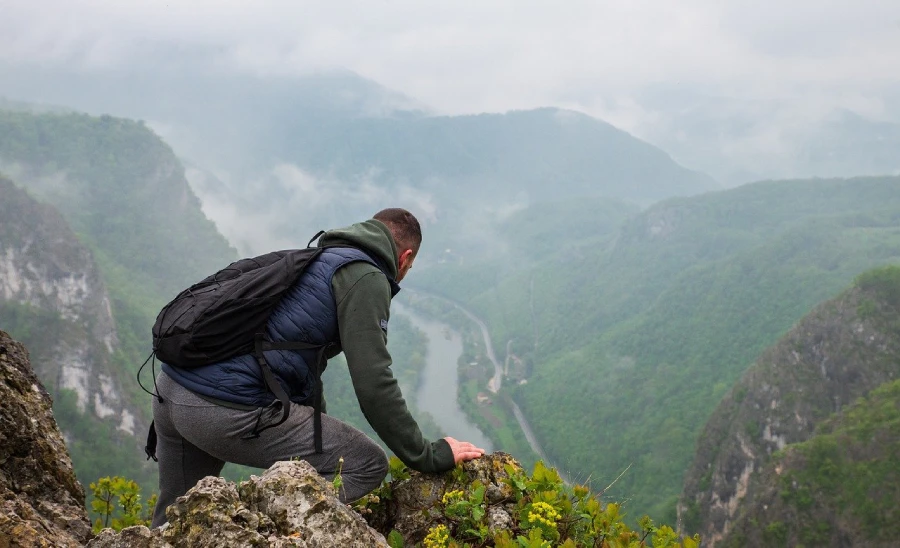
During the Choquequirao trek, symptoms may not appear at the beginning, but as the body accumulates effort and exposure. It’s crucial to learn to recognize what feels normal and what doesn’t.
| Mild symptoms | Moderate symptoms | Severe symptoms |
|
|
|
These symptoms can appear after an intense ascent, after sleeping at high camps, or simply from not hydrating or eating well. On a hike like Choquequirao, daily self-monitoring and honest communication with the guide are fundamental.
Personal First-aid Kit for the Choquequirao Trek
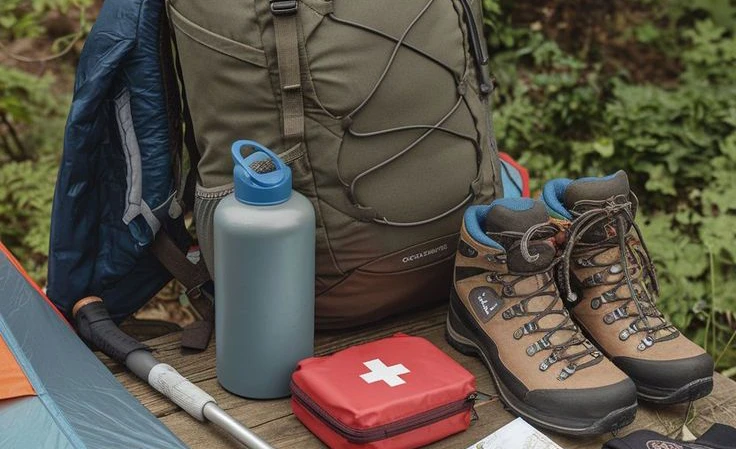
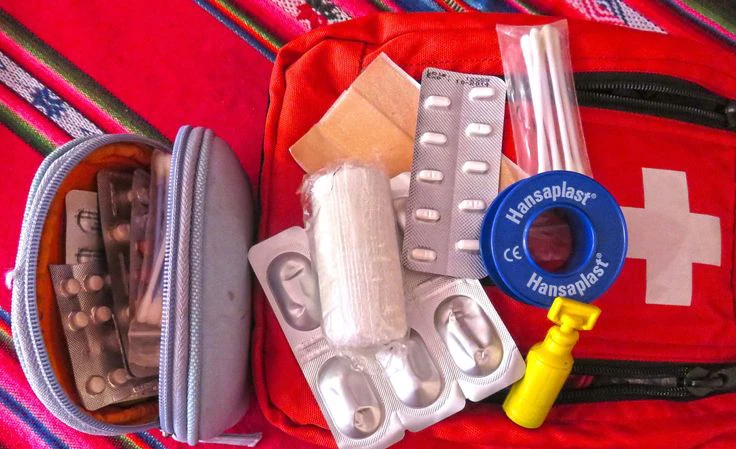
Although Inkayni Peru Tours guides carry a group first-aid kit, ideally, each traveler should carry their own personal kit adapted to their health, needs, and the conditions of a remote trek.
We present a practical guide, divided according to the most common ailments you might face during the hike.
| Altitude sickness prevention | Headaches and muscle pain | Related digestive problems |
|
|
|
Warning:
-
- Don’t combine acetazolamide with other medications without medical indication.
- If you have glaucoma, kidney failure, or sulfa allergies, consult with a professional first.
- All these recommendations should be discussed with and approved by your doctor.
1.- Scrapes, small wounds, and blisters
On a long hike like Choquequirao, it’s common to have blisters from boot rubbing, cuts from branches, or scrapes from falling on rocky terrain. They’re not serious, but if not treated well, they can become infected or painful.
- Band-aids (adhesive bandages): of various sizes to cover blisters or minor cuts.
- Sterile gauze and hypoallergenic medical tape: to protect larger areas or wounds that require ventilation.
- Antiseptic gel: such as povidone iodine or alcohol to clean the skin before covering.
- Antibiotic ointment: helps prevent infections in open wounds.
- Special blister dressings: if you’re prone to forming them.
| Scrapes or small wounds | Closed blisters | Open or burst blisters |
|
|
|
2.- Mild or severe allergic reactions
Sometimes you may not know if you’re allergic to an insect bite or a plant until you’re on the mountain. It’s also possible that the change in diet or trail dust causes mild reactions.
- Loratadine, cetirizine, or diphenhydramine: useful for hives, nasal congestion, or itching.
- EpiPen or epinephrine autoinjector: if you have a previous diagnosis of severe allergy (inform your guide about its use).
- Written list with your medical allergies: in a waterproof bag and accessible in your backpack.
3.- Personal medication and chronic conditions
If you take medications regularly, it’s your responsibility to bring them in sufficient quantity for all the days of the trek, plus one or two extra for precaution. In areas without pharmacies or signal, it’s not possible to get replacements.
- Carry all your personal medications in their original packaging, with visible name.
- Include a physical and digital copy of your prescription, especially if you use controlled medications (anxiolytics, inhalers, insulin, etc.).
- Pack your medicines in your handheld backpack, not the one that goes with the pack animals.
- If you have a relevant medical condition (diabetes, epilepsy, etc.), communicate it to your guide from the first day.
Remember this:
Having a respiratory, digestive, or circulatory condition doesn’t exclude you from the route, but consulting with your doctor can alleviate concerns and informing your guide before starting the trek will allow the team to better accompany you.
What to Do If You Start Feeling Sick?
Although the guides are trained to act in emergencies, each traveler must also assume their role with responsibility and calm.
| Step by step with Inkayni Peru Tours | ||
| 1. Recognize the symptoms | 2. Communicate it to the guide | 3. Stop the effort |
| Don’t ignore signs like persistent headache, dizziness, nausea or extreme weakness. Listening to the body is key at altitude. | Talk to your guide as soon as you feel discomfort. The sooner they know, the more they can help you in time. | Find shade, sit down, hydrate, and avoid continuing to walk until you feel better. Resting can prevent the situation from escalating. |
| 4. Evaluate with the guide | 5. Use the personal first-aid kit | 6. Never walk alone |
| Together with the guide, analyze if it’s possible to continue, modify the route, or return. They will evaluate vital signs and make evidence-based decisions. | Follow the guide’s recommendations to take appropriate medications (Diamox, analgesics, antacids, etc.). | Even if you decide to continue, do it with someone. The guide can adjust the pace or assign you a team assistant. |
When Is It Safe to Resume The Trek?
- If symptoms have been mild (headache, tiredness, passing nausea) and have resolved with rest, medication, and a day of adaptation, it’s possible to continue the route under monitoring.
- If there were moderate or persistent symptoms, such as vomiting, loss of appetite, or extreme fatigue, it’s recommended to stop completely and prioritize recovery.
- If you presented severe symptoms of soroche (disorientation, difficulty breathing, coordination problems), you should not continue the trek. In this case, it’s necessary to undertake the return accompanied and with follow-up.
Remember this:
The guide will be the one to evaluate with you the physical state and if it’s viable to continue. The experience is still valuable if you choose to prioritize your health.
Emergency Evacuation Protocols from Choquequirao
Choquequirao doesn’t have vehicular access, nor constant coverage for emergency calls. Helicopter evacuation isn’t viable due to the geography, unstable weather, and lack of infrastructure. Therefore, all evacuation must be done on foot or with the support of pack animals.
- If the discomfort occurs near the starting point (Capuliyoc or Chiquisca), a return assisted by horse or mule can be organized, reducing the affected person’s physical effort.
- If it occurs further ahead (Santa Rosa, Marampata, or Choquequirao itself), the return hike will be longer and will depend on the patient’s condition. In many cases, an extra night of camping is required to stabilize the traveler before starting the return.
Important note:
In case of having to transfer the traveler to a help center, our guides coordinate with cooks, muleteers, and the group of travelers to reorganize the trek.

How to prevent Choquequirao trek altitude sickness
1) Acclimatize before you hike
Give your body a real buffer before the trail: spend at least two nights in Cusco, keep those days light (short walks, early nights, no hard workouts), and hydrate steadily throughout the day. The simplest mistakes that increase risk are rushing into the trek, drinking alcohol the night before, and eating heavy meals that disrupt sleep and digestion.
2) Manage effort on the trail
On the hike, prevention is mostly about pacing and consistency: walk at a speed where you can still speak in short sentences, drink water regularly (not only at camp), and eat small portions often so your energy does not crash. Most importantly, tell your guide as soon as you notice headache, nausea, dizziness, or unusual fatigue, because early adjustments are what keep mild discomfort from turning into a real problem.
3) Train before your trip (simple baseline)
If you are coming from sea level, basic conditioning makes a bigger difference than “toughing it out.” Ideally, start about six weeks before your trip by doing longer walks or hikes two to three times per week with a light daypack, and add stairs or hill work to prepare for the steep descents and climbs that define the Choquequirao route.
Post-Trek Health: After Choquequirao
Upon finishing the hike and returning to Cusco or the Sacred Valley, you may feel euphoria, tiredness, or both. But the physical care doesn’t completely end yet: the rapid descent from altitude, the change of pace, and the accumulated effort can manifest in the following days.
Our recommendations are:
- Continue hydrating and eating well; the body needs to replenish what was lost.
- Sleeping enough will help your muscles and immune system.
- Pay attention to delayed signs, such as persistent cough, swelling, palpitations, fever, or digestive problems. If any of these persist for more than 24 hours, consult a doctor.
- Avoid demanding physical activities for 2 or 3 days.
- If you took Diamox or other medications, complete their use as medically indicated and remain alert to any residual side effects.
What Inkayni Peru Tours does before each Choquequirao trek
The 70-year-old man asked me if we could do the hikes in the shade, as he wouldn’t tolerate the heat. I calculated the weather, adjusted the itinerary so that we would walk at dawn, and we did the whole trek in the shade.”
— Johan, Inkayni Peru Tours guide.
Our agency Inkayni Peru Tours guide handles a safety policy that starts before stepping on the trail. A day before the start of the Choquequirao trek, a mandatory briefing is held in Cusco.

Be Ready for the Trek
In Choquequirao, the path demands as much as it rewards you. Knowing how to listen honestly to your body at altitude is not a detail: it’s a central part of the journey.
Do it with a team that understands the thrill of the challenge and the responsibility of taking care of your health. At Inkayni Peru Tours, we have professional experience, safety protocols, and trained guides so that each step maintains the balance between well-being and adventure.
Are you ready to walk safe, informed, and well accompanied towards one of the most powerful territories of the Andean world?
Frequently asked questions
At what altitude does altitude sickness typically start to affect on the Choquequirao trek?
Symptoms of altitude sickness usually appear from 7,800 to 8,200 feet (2,400 and 2,500 meters) above sea level, although tolerance varies. On the Choquequirao trek, the first demanding ascents occur near the Apurímac canyon, where the rapid change in elevation can generate discomfort.
Should You Take Diamox or Other Medication for Choquequirao Trek Altitude Sickness?
Diamox (acetazolamide) can be effective as a preventive measure, but it requires a prescription. Its use should start 1 or 2 days before exposure to altitude, especially if you’ve never been at altitude. It can cause tingling, increased urination, or taste alterations. For travelers with a history of soroche or medical conditions, it’s recommended to discuss it with your doctor before the trip.
What happens if I need emergency evacuation from Choquequirao?
There are no air evacuations from Choquequirao. All evacuation is done on foot or with pack mules, and can involve 6 to 12 hours of assisted return depending on the point on the route. It’s recommended to have travel insurance that covers that ground evacuation and medical expenses.
Can I continue the trek if I experience mild symptoms of altitude sickness?
What medical facilities are available in Cusco if I need treatment after the trek?
- Clínica Peruano Suiza
- Clínica San José
- Clínica Pardo
- Regional Hospital
Is it safe to do the Choquequirao trek alone?
How does Choquequirao Trek Altitude Sickness compare to other treks in Peru?
What should I do if my travel companion gets altitude sickness during the trek?
Can children or older adults attempt the Choquequirao trek despite the risks of altitude sickness?
Escrito por
Shared:


If you liked this article and the information you found, give us 5 stars!
 (Ninguna valoración todavía)
 Loading...