


Table of Contents
Quick Answer
Ayni Inca Principle of Reciprocity is the Andean idea that balance comes from giving and receiving in equal measure. In the Inca world, it shaped how families helped one another, how communities worked together, and how people related to nature. Knowing this principle helps you travel in the Andes with deeper cultural respect and a more fair relationship with the communities you visit.
What does it mean to walk through the Andes guided by the values that shaped the Inca civilization? How can an ancestral concept like Ayni transform the way you experience iconic routes such as the Inca Trail, or quieter rural treks that few travelers ever see?
In this blog we explore Inca culture through one of its oldest ethical foundations: reciprocity between people, communities, and nature. You will see why the Ayni Inca Principle of Reciprocity is not just history, but a living idea you can still feel on the trail today.

What is Ayni and why it matters in Inca culture
In the Andean worldview, nature was never a passive backdrop. It was a living presence. Ayni, a Quechua word commonly translated as “reciprocity,” was more than mutual help. It worked as a guiding principle that kept balance between people, communities, and Pachamama (Mother Earth).
In Inca times, Ayni shaped farming life, social organization, and the spiritual dimension of the Ayllu (community). To receive without giving back was seen as a serious breach because it weakened community trust and disrupted the relationship with the land.
Balanced reciprocity
Spiritual dimension
Social and ecological balance
Did you know?
In communities across Cusco and Puno, you can still find collective work days and barter fairs where value is measured more by what people contribute than by money.
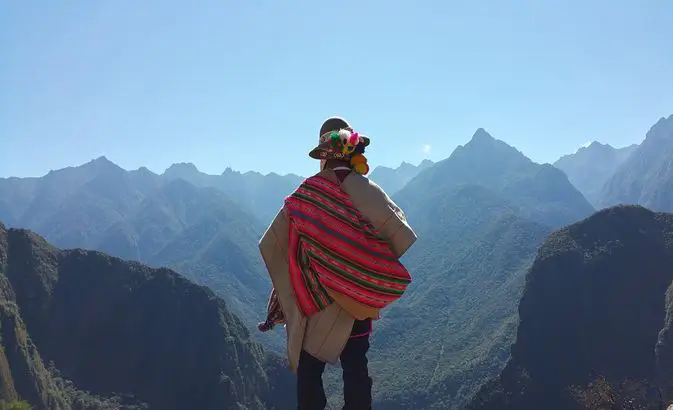

Ayni as a foundation of the Inca Empire
Reciprocity did not only organize local life. It also helped power the Inca state. Ayni and other collective systems such as Minka and Mita made it possible to build and maintain large scale projects without relying on money.
- Communities contributed labor for farming, terraces, roads, and temples.
- In return, they received protection, food redistribution during scarcity, and access to state resources.
- Work strengthened social cohesion and reinforced the sacred bond with the land.
Remember this
In the Andean world, reciprocity was not a small moral detail. It was a rule of balance shaping community, economy, and the relationship with the earth.
div class=”Columnas”]


Ayni today, living memory in the Andes
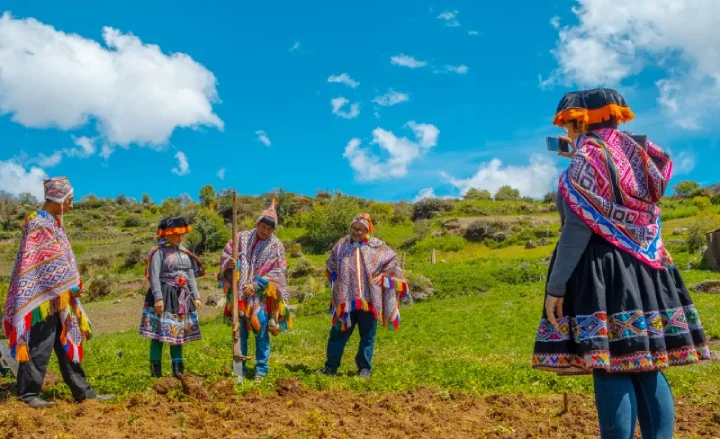
Even though the world has changed, Ayni is still practiced in many high Andean communities. It is not a tourist show. It is cultural continuity, present in community work days, farming routines, and rituals of gratitude to the land.
- Symbolic offerings such as coca leaves or chicha.
- Asking permission and giving thanks before working the land.
- A commitment to respectful coexistence with the environment.
Remember
The Ayni Inca Principle of Reciprocity teaches a simple idea. Receiving implies responding. In the Andes, that response includes the land and the water.
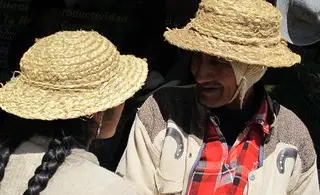

What is an Ayllu and why it matters for understanding Ayni
The Ayllu was the social backbone of the Andean world. It was not only a group of families, but a network of kinship, territory, and shared obligations. Work was organized there, community decisions were made there, and identity was sustained there.
Ayni, Minka, and Mita, the Andean labor triad
The Ayllu is also where three major labor systems took shape. Understanding them helps explain how the Andes balanced family life, community needs, and state projects.
Ayni and responsible travel
Travel is also an exchange. You receive hospitality, knowledge, and landscape. You give back respect, support, and recognition. If you want to honor Ayni as a visitor, these actions make a real difference.
- Ask permission before taking photos or filming.
- Buy directly from artisans and pay fair prices.
- Avoid turning symbols, rituals, or clothing into costume.
- Reduce your impact on the trail, less plastic, more care for water.
Key idea
The Ayni Inca Principle of Reciprocity in travel means learning without taking over, participating without becoming the center, and giving back with respect.
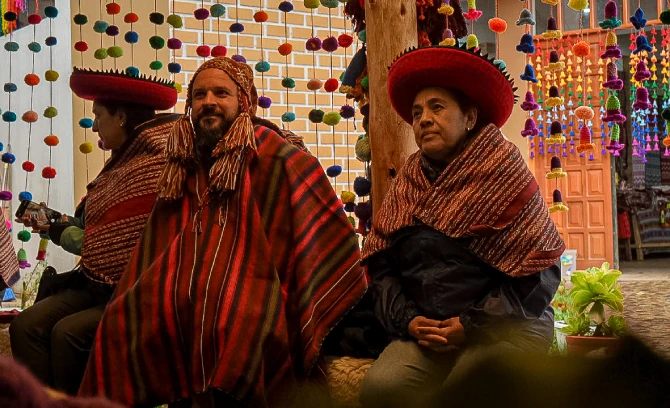
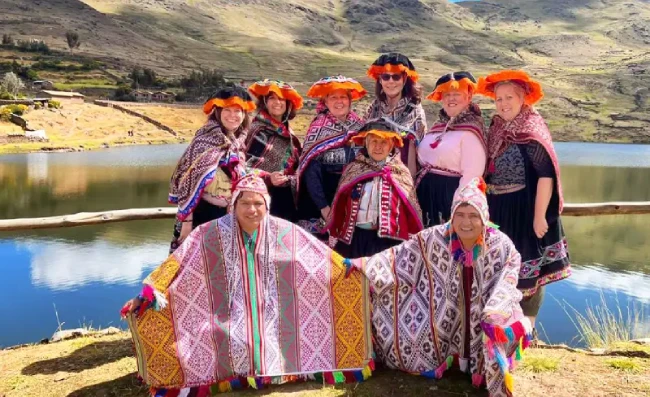
Treks and experiences in Cusco guided by Ayni
From world famous routes to quieter rural hikes, every trip can become an act of reciprocity when you walk with awareness and support the people who keep Andean culture alive.
The role of Inkayni Peru Tours in this principle
The name Inkayni comes from two ideas, Inca and Ayni. It reflects our vision as an agency, keeping Inca heritage alive through reciprocity, not only as memory, but as a practice in every journey.
The legacy of Ayni
Ayni reminds us that every journey involves giving and receiving. When you choose experiences that value living culture, you do not only discover landscapes, you also take part in a more fair relationship with the people and the land that welcome you.
At Inkayni Peru Tours we design routes guided by this spirit. Each step can become a balanced exchange with the territory and the people who live there. Ready to travel with purpose? Walk with us.
Frequently asked questions
What is the Ayni Inca Principle of Reciprocity
The Ayni Inca Principle of Reciprocity is the idea that balance comes from giving and receiving in equal measure. It shaped how families supported each other, how communities organized work, and how people related to the land.
What is the difference between Ayni, Minka, and Mita
Ayni is mutual help between families, Minka is community work for collective benefit, and Mita is shift based labor for the state. Together they balanced family life, community needs, and large state projects.
Where can you still see Ayni today
In farming work days, community projects, barter fairs, and rituals of gratitude to the land. In many high Andean communities, it remains part of everyday life.
How can I practice Ayni as a traveler without appropriating culture
Join as a learner, ask permission before taking photos, pay fair prices, respect symbols and rituals, and choose experiences that truly benefit host communities.
Which treks help you experience Ayni in a more authentic way
Routes like Lares and Huchuy Qosqo, plus community experiences such as Parque de la Papa or Amaru, often include direct contact with living culture and local economies, along with scenery and archaeology.
Why does choosing a responsible agency matter for Ayni
Because reciprocity also shows in how travel is organized. A responsible agency supports local teams, respects communities, and designs experiences where the benefit is mutual.






 Loading...