Table of Contents
Route of the Sun: Tour from Cusco to Puno with Inca Sites and Lake Titicaca
The heartbeat of Andean community stories? A lake that converses with the sky? A journey following the sun?
Historically, the Route of the Sun was one of the main Inca routes, connecting the capital of the Empire with the mystical Lake Titicaca, considered the birthplace of Manco Cápac and Mama Ocllo, the legendary founders of the Tahuantinsuyo.
It’s not just a route between Cusco and Puno; it’s a suspension bridge between civilizations, a journey that invites you to breathe living culture and be wrapped by landscapes that redefine calm.

Immense, untamed, serene. Source: Alain Tremblay.
What Is the Route of the Sun and Why Travel It?
The journey between Cusco and Puno invites you to traverse a route where history remains alive. Along this path, knowledge, products, and sacred rituals once flowed. Known as the Route of the Sun, this experience connects two of the country’s most iconic destinations, the ancient Inca capital and the mythical Lake Titicaca, with stops at archaeological sites, dreamlike landscapes, and towns brimming with stories. And along the way, you can also explore the tour Route of the Sun Peru, discovering cultural gems at every turn.
So, why not take a trip through time?
A Journey Through History and Nature, Cusco to Puno
The Route of the Sun covers nearly 400 kilometers (248 miles) and can be done as a day tour via a tourist bus, designed to make the journey as fascinating as the destination. Along the way, you visit sites like Andahuaylillas, often called the “Sistine Chapel of the Americas”, the enigmatic archaeological complex of Raqchi, La Raya Pass at more than 4,300 meters (14,107 ft) above sea level, and Pukará, cradle of the pre-Inca culture.
Why Choose the Route of the Sun Instead of a Direct Bus or Plane?
While a plane might get you there faster and a direct bus is a budget-friendly option, the Route of the Sun is an experience in itself. It’s not merely a transfer but an opportunity to discover the heart of the Andes without rushing, with strategic stops that allow you to admire colonial temples, natural formations, and archaeological remains.
Here, every kilometer hides a story, and every stop is a window to a glorious past. This is why many travelers consider it the perfect path to follow the sun, or as some call it, the Route of the Sun.
A Cultural, Historical, and Scenic Voyage
The Route of the Sun is a mosaic of experiences. It crosses fertile valleys, towering mountains, and seemingly infinite skies, a path that reveals the complexity of an Andean past shaped by Incas and conquerors. It also allows you to engage with local communities and discover their crafts, cuisine, and beliefs.
Cusco to Puno by bus: Cities Connected by the Route of the Sun
Cusco, the Ancient Inca Capital
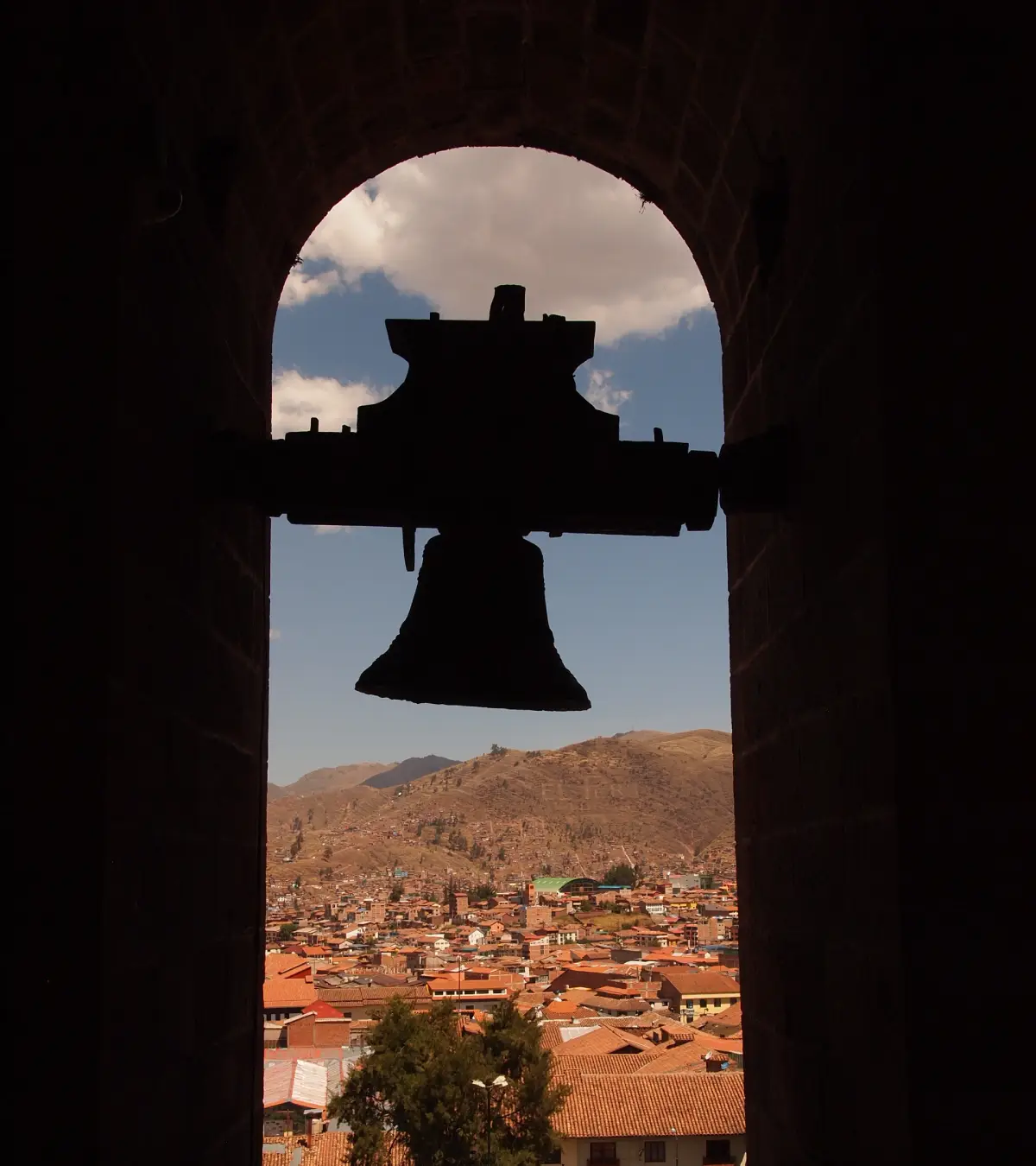
The echo of the Andes’ heartbeat. Source: Leo Gonzales.
A place where every cobblestone street whispers ancestral stories, where the stone walls hold the secrets of a civilization that defied time. The navel of the world, the throbbing heart of the Peruvian Andes.
At 3,399 meters (11,151 ft) above sea level, the city of Cusco stands majestically stands majestically amid mountains that have witnessed its grandeur. Its location was no accident: the Incas chose it as the center of their vast empire, the Tahuantinsuyo, mapping out roads that reached every corner of their domains, from the arid deserts of the coast to the depths of the Amazon.
Cradle of an Empire, Heart of the Andean World
Before Spanish colonists arrived, Cusco was more than a city; it was the soul of the Inca world. Legend says it was founded by Manco Cápac and Mama Ocllo, children of the Sun god, and it flourished as the political, religious, and cultural center of the largest empire in South America. Here stood the imposing Qorikancha, the Temple of the Sun, whose walls were covered in gold, reflecting the devotion of a people to their solar deity.
When the conquistadors arrived in the 16th century, they transformed Cusco, merging the Inca realm with the Spanish. Inca temples became the foundations of colonial churches, palaces were occupied by baroque mansions, and cultural syncretism gave rise to a unique city where the ancestral and the colonial were forced into an eternal dialogue.
Cusco is not only the start of the Route of the Sun but also the gateway to Machu Picchu, Peru’s most iconic site. Strolling through its Plaza de Armas, admiring its stone walls, and getting lost in its markets is to immerse yourself in the eternal circle where history and modernity meet.
Puno, the City of Lake Titicaca

Sky and water conversing. Source: Colin Churcher.
On the shores of a lake that seems like a mirror of the sky, the city of Puno spreads across the heights like a sanctuary of time and tradition. Located at 3,827 meters (12,555 ft) above sea level, this city lies on the shores of Lake Titicaca, the highest navigable lake in the world and cradle of myths still echoing in the Andean breeze.
With light air and a deep history, Puno is not just a point on the map; it’s a melting pot of cultures that have forged their identity between sacred waters and highland winds.
Puno, the Living Soul of Lake Titicaca
Where sky and water meet, so does the essence of the surrounding peoples. Legend says that Manco Cápac and Mama Ocllo, founders of the Inca Empire, emerged from these waters, sent by the Sun god to enlighten humanity. But long before the Incas, civilizations such as the Tiahuanaco already worshiped this lake as a sacred place, a reflection of the cosmos and home to the gods.
Puno keeps this heritage alive. Its communities, like the Uros, who build floating islands of totora reeds, or the residents of Taquile and Amantaní, with their textiles full of symbolism, are guardians of a culture that has endured through the centuries. Each dance, each textile, each celebration is a manifestation of identity.
In November, Puno becomes a vibrant stage during the Festival of the Candelaria, an explosion of color, music, and devotion that brings together thousands of dancers in tribute to the Virgin and Andean roots. It’s a reminder that in this land, the sacred and the festive intertwine like the threads of a loom.
Travel Itinerary and Main Stops
Andahuaylillas: The Sistine Chapel of America

When stone learned to pray. Source: Tamsinblue.

The soul of faded colors. Source: Killary Peru Tour.
In the heart of Cusco’s southern valley, where green fields stretch out like a living tapestry, sits the town of Andahuaylillas, only about 40 kilometers (25 miles) from Cusco, seemingly humble, yet hiding the celestial treasure of the Andes at its center: the Sistine Chapel of the Andes.
Its adobe façade and stone bell tower don’t reveal what awaits inside. One step in and you’re enveloped in a world of splendor. Every corner of the church is a canvas of sacred art, with frescoes covering the walls, gilded ceilings reflecting the dim candlelight, and carved altarpieces that seem to whisper stories of faith and conquest.
A Journey into Dazzling Baroque
Built in the 17th century by the Jesuits, Andahuaylillas Church is a testament to the syncretism between the Andean world and colonial Christianity. Baroque art abounds, murals that seem to touch the sky and ceilings covered with gold leaf that glisten as if still blessed by the Incas’ sun.
The paintings decorating its walls belong to the Cusco School of Art, which blended European iconography with Andean cosmology. Angels with Indigenous features, Inca symbols among religious motifs, and vibrant colors make this church a unique testament to the fusion of two worlds.
One of its most enigmatic treasures is the baptistery, featuring an inscription in Latin, Quechua, Aymara, and Spanish, reflecting the cultural diversity of the colonial era and the attempt to evangelize through art.
Andahuaylillas is where faith was painted with gold and vivid hues, and where art still whispers the secrets of the Andes today.

Road to time, with the odd flower. Source: Oscar Ruben Davi.

The chapel that dreamed of the sky. Source: Alberto Bizzini.
Raqchi: The Temple of Wiracocha and Its Mystery
Halfway between Cusco and Puno, in a landscape where the Andes seem to guard ancestral secrets, lies Raqchi, an archaeological site that continues to inspire wonder and unanswered questions. Here, amid walls of stone and adobe, stands what was once one of the most important temples of the Inca world: the Temple of Wiracocha, dedicated to the supreme deity of Andean cosmology.

Where gods once dwelled. Source: De paseo Perú.
A Tribute to Wiracocha, the Creator God
In Andean mythology, Wiracocha was more than a god: he was the creator of the universe, the architect of the world, the divinity who shaped humanity and formed the sun, moon, and stars. Unlike other Inca deities, Wiracocha was not linked to a single people or region; his influence was vast, spanning from the highlands to the Pacific coast.
It’s believed that Inca Pachacútec, the great conqueror and reformer of the empire, ordered the construction of this temple in honor of the deity after receiving a vision or divine message. Raqchi was not only a religious center but also a place of pilgrimage, a sacred site where homage was paid to the creator of the cosmos.
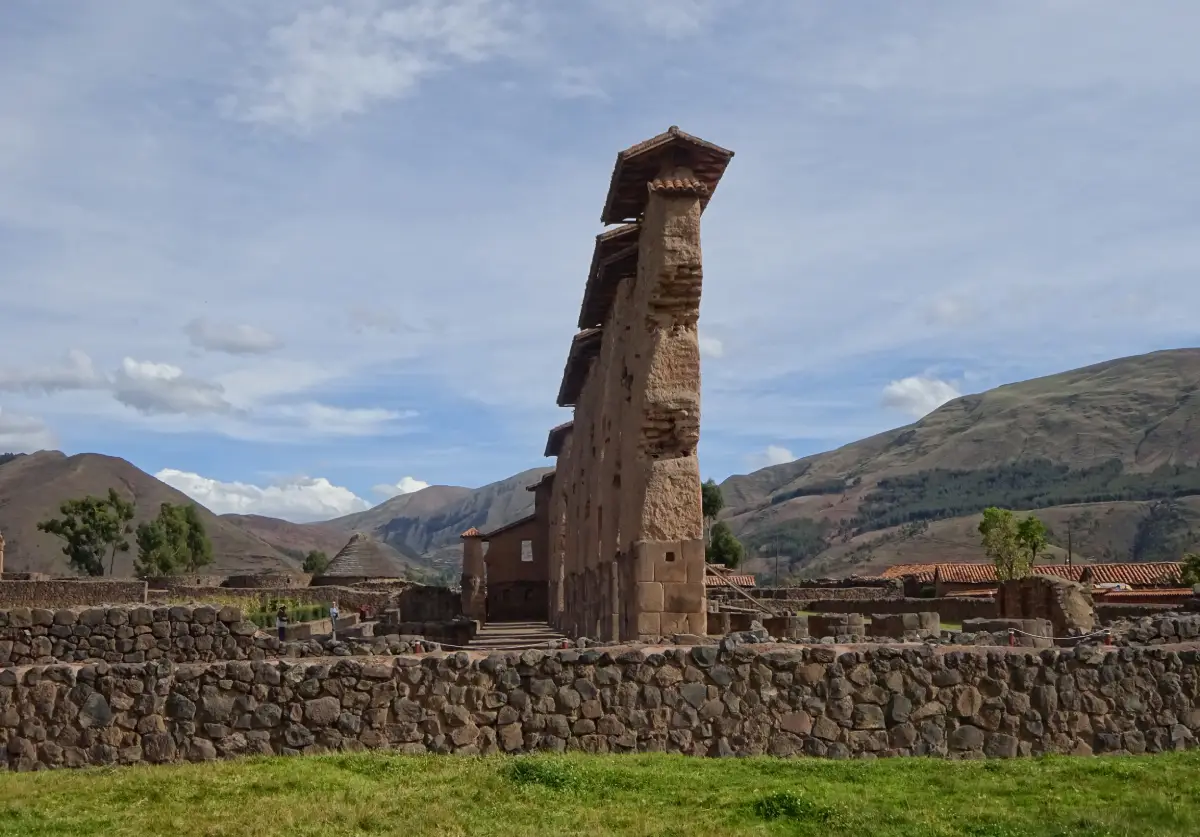
A poem in stone. Source: Elin UK.
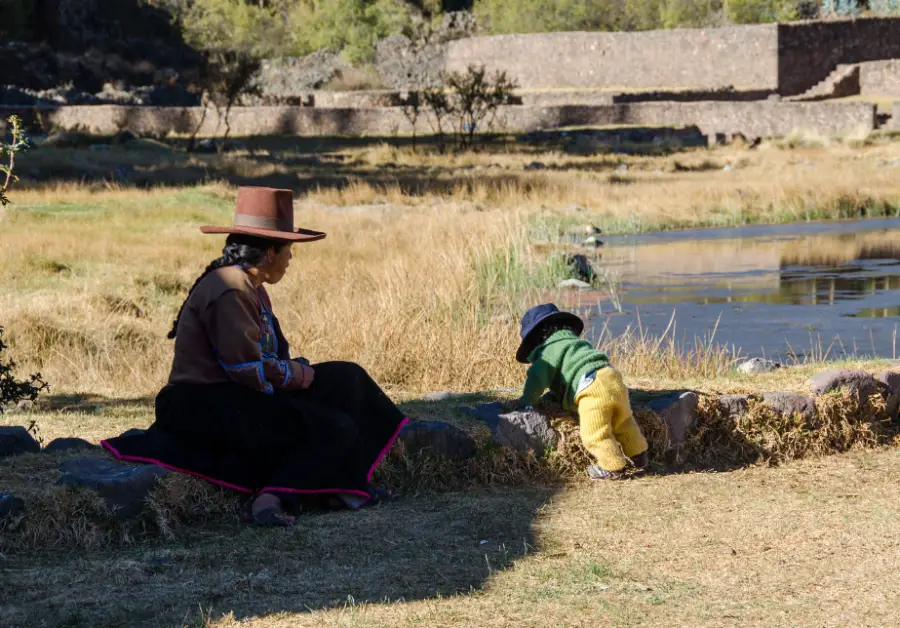
The patience of the earth. Source: Alicia Ortego.
An Archaeological Marvel in the Heart of Tahuantinsuyo
The Temple of Wiracocha impresses not only by its significance but by its monumental architecture. Its main structure, more than 90 meters (295 ft) long and 25 meters (82 ft) wide, stands out for its stone walls at the base and adobe on top, an unusual design for the time. The imposing columns that once supported its roof make it one of the largest and most enigmatic constructions of the Inca Empire.
Yet Raqchi is far more than its temple. In the surrounding area are hundreds of colcas (circular food storage facilities), suggesting that this site also served as an important administrative and storage hub. Its ceremonial baths and complex hydraulic system reinforce the theory that purification rituals were held here before entering the domain of the supreme god.
Why does its design differ so much from other Inca temples? What role did Wiracocha play in the Inca religion before the Spaniards arrived? What’s certain is that the temple’s true purpose remains a mystery. Exploring Raqchi is to enter a puzzle that still endures.
La Raya Pass: The Natural Border Between Cusco and Puno
On the road between Cusco and Puno, there’s a point where the air thins, the cold slips through the highland winds, and the immensity of the Andes unfolds in full. La Raya Pass, standing at an imposing 4,335 meters (14,222 ft) above sea level, marks the natural border between Cusco and Puno, a gateway between the world of valleys and the vastness of the altiplano.
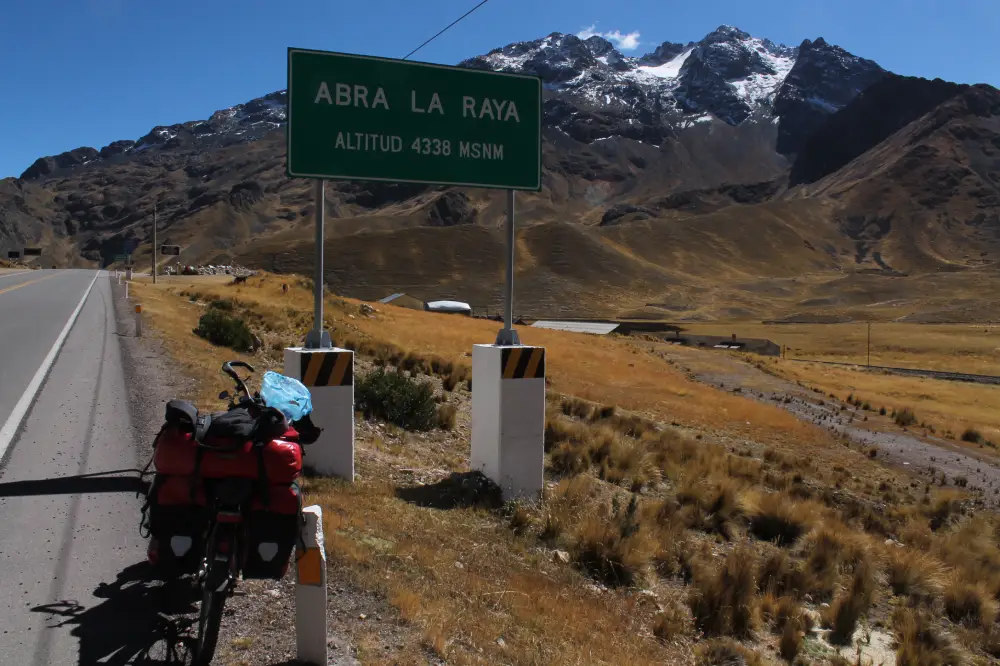
Golden whisper, eternal horizon. Source: Michael Münch.
This mountain pass is the highest point on the route between the two cities, soaring above 4,000 meters (13,123 ft), a place where the scenery changes radically. Leaving behind Cusco’s fertile valleys, vegetation grows sparser, and the colors of the high plain dominate the horizon: gold, ochre, and blues.
Additionally, the La Raya hot springs are a hidden gem on this route, with temperatures up to 52°C (125.6°F) from a natural spring and therapeutic properties.
Viewpoints and Unforgettable Photos
La Raya Pass is a mandatory stop for those traveling the Route of the Sun by tourist bus. Travelers can step off, breathe the pure mountain air, and marvel at the snowy peaks that frame the horizon.
The main viewpoint offers a spectacular panorama, perfect for a photograph capturing the immensity of the Andes. You’ll also find local artisans selling alpaca textiles and handmade souvenirs that add a cultural touch to the experience.
For photography enthusiasts, this point is ideal for capturing:
- Snow-capped peaks in the background, with Andean camelids (llamas and alpacas) grazing on the high plateau.
- The contrast between the deep blue sky and the golden mountains.
- The altitude sign (4,335 m/14,222 ft), proof that you’ve crossed one of the route’s highest points.
A Moment to Connect with Immensity

When clouds embrace the mountain. Source: Pablo Pola Damonte.
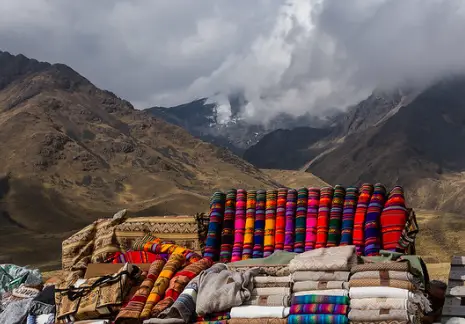
When the wind roars, the Andean attire endures. Source: Louis Martin.
This is where the traveler comes face to face with the grandeur of the Andes, where nature speaks silently, and where, for a moment, time stands still.
How does it feel to be on top of the world? This border is close to the answer.
Pukara: The Legacy of an Ancient Culture
Before the Incas ruled the Andes, there were civilizations that paved the way for their greatness. One of them was the enigmatic Pukara culture, which flourished in the highlands of Peru between 500 BC and 200 AD. Its legacy still lives in a small town of the same name, Pukara, located on the route between Cusco and Puno, where the stones keep the memories of a warrior and visionary civilization.
The Pukara: Masters of Stone and Symbolism
The Pukara were one of the earliest urban cultures of the Altiplano, pioneers in monumental architecture and stone sculpture. They built pyramid-shaped temples and developed a rich cosmology reflected in their mysterious stone carvings and multicolored pottery.
One of their most representative icons is the “Hatun Ñakaq” or Decapitator, an imposing figure with a fierce face, holding human heads, possibly representing a god linked to rituals and sacrifices. They also created the famous Pukara bulls, symbols of protection and fertility that today adorn the roofs of many Andean homes.
Museum of Pukara: A Journey into the Andean Prehistory
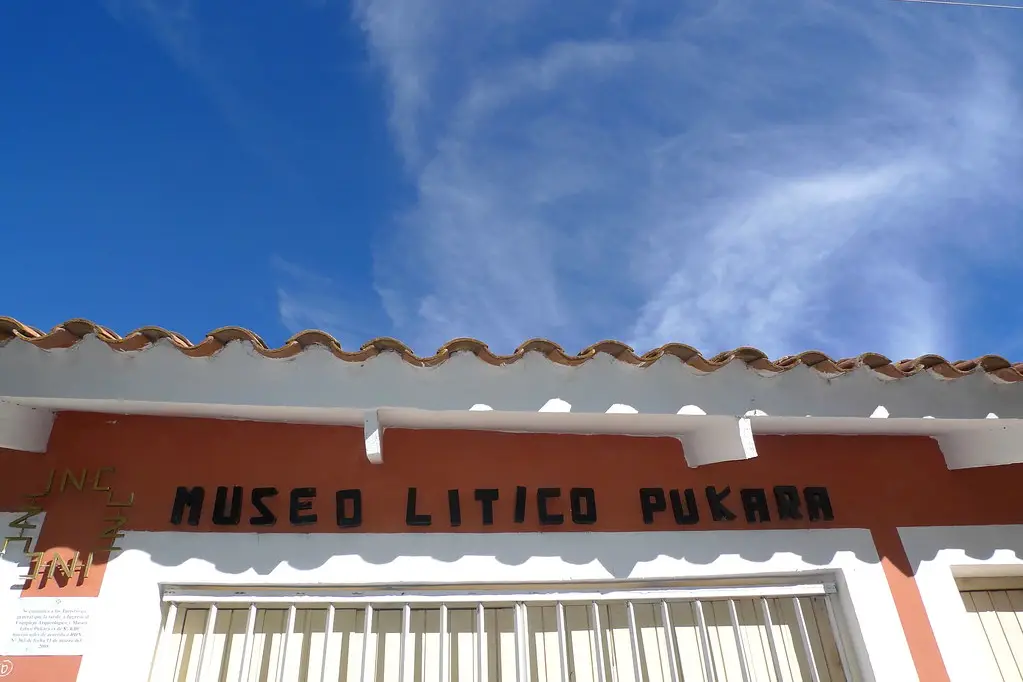
A past that never sleeps. Source: Jun.
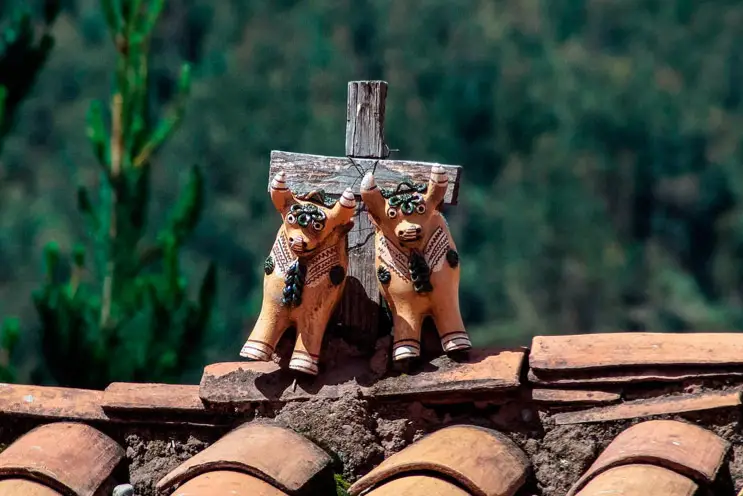
Where the adobe breathes. Source: Peru Andean Travel.
To learn more about this culture, a visit to the Pukara Lithic Museum is a must. This small yet fascinating museum holds a unique collection of monoliths, zoomorphic sculptures, and deity representations that give clues about the complex worldview of this people.
Among the most striking pieces are:
- The Monolith of the Big Eyes, a sculpture that seems to gaze with an eternal stare.
- Representations of jaguars and frogs, sacred animals symbolizing fertility and power.
- The Decapitator, whose unsettling face continues to spur theories about Pukara rituals and beliefs.
Walking through Pukara, among the ruins that witnessed a civilization before the Incas, is stepping into living history. This small town is not only famous for its past but also for its tranquil atmosphere and the warmth of its people, who keep their tradition alive with their ceramic bulls, local fairs, and pride for a past whispered through every stone.
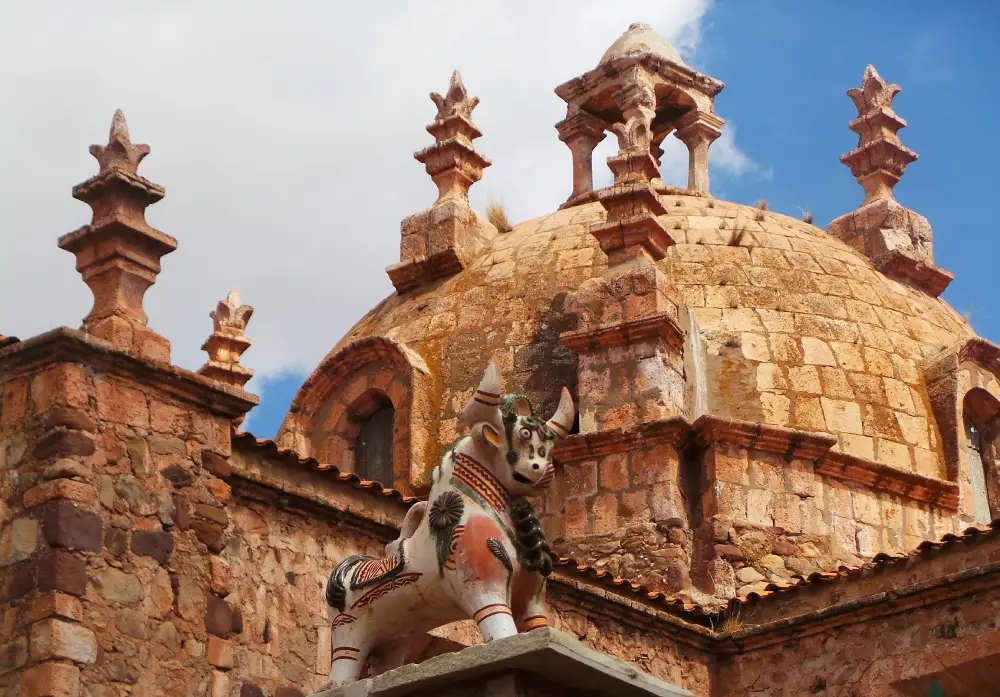
Dreams of rain, dreams of harvest. Source: Massimo Palmi.
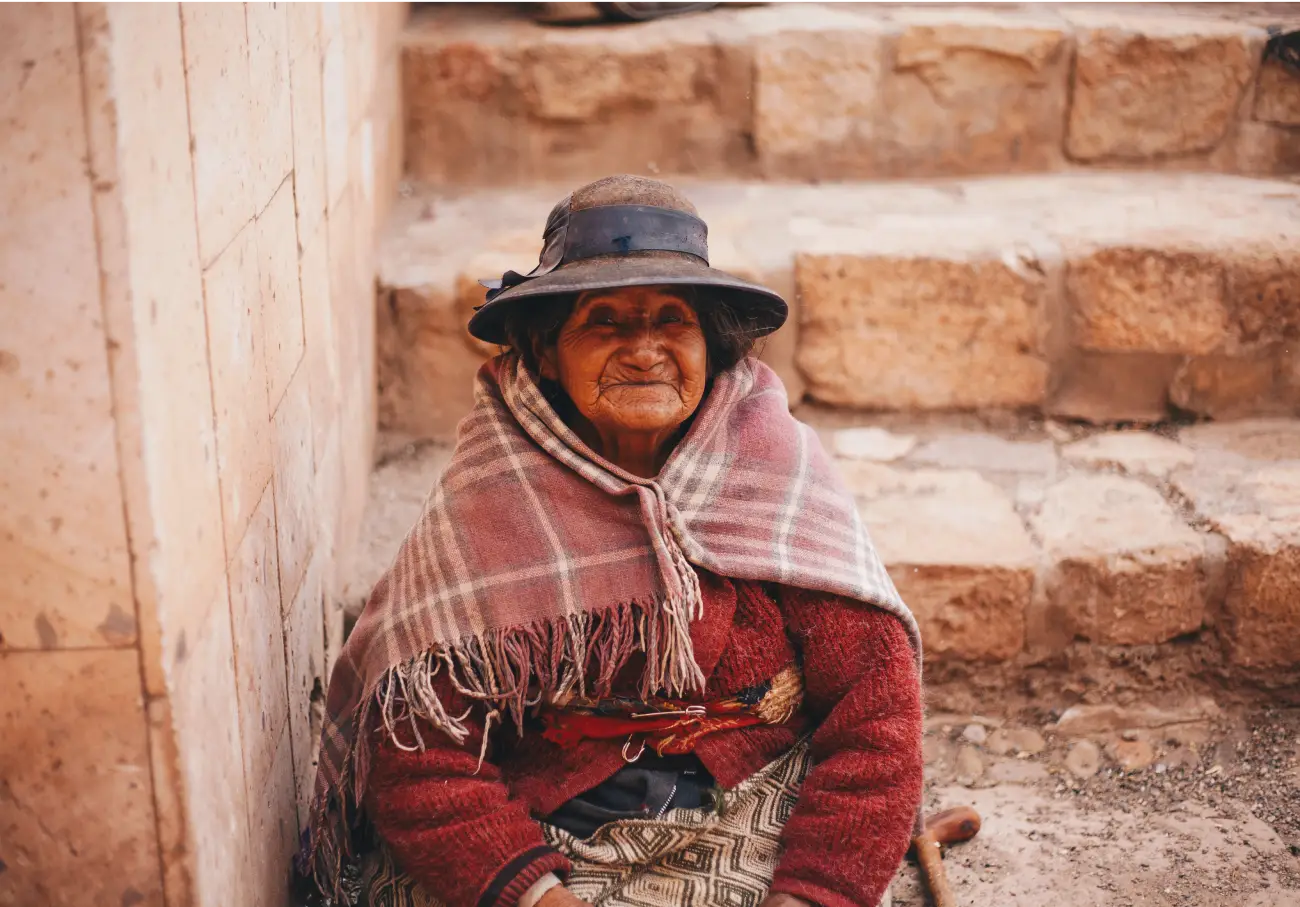
Rediscovering sweetness. Source: Paula Murillo.
Practical Information for Traveling the Route of the Sun from Cusco to Puno
If you dream of a trip where history, culture, and Andean landscapes intertwine at every kilometer, the Route of the Sun between Cusco and Puno is an experience you can’t miss. To make your journey perfect, here’s all the practical information to help you plan your adventure.
Schedules and Trip Duration
The stretch between Cusco and Puno covers approximately 386 km (about 240 miles), and depending on the service type you choose, it can take between 6 and 10 hours.
-
Tourist Buses (Route of the Sun):
- Include stops led by a guided tour at archaeological and cultural sites like Andahuaylillas, Raqchi, La Raya Pass, and Pukara.
- The trip lasts around 10 hours, allowing for a leisurely exploration of each spot.
- Typical departure: 07:00 – 08:00 a.m. from Cusco or Puno.
-
Direct Buses (conventional service):
- No stops included; go straight to the destination in about 6 to 7 hours.
- Various schedules: morning, afternoon, and night.
-
Plane (Cusco – Juliaca – Puno):
- No direct flights to Puno, but you can fly to Juliaca (31 miles from Puno) in 1 hour.
- From Juliaca, a taxi or bus takes you to Puno in about an hour.
Daily Departures from Cusco and Puno (Check Timetables)
Both tourist and conventional buses run every day, ensuring flexibility for travelers.
- From Cusco to Puno: Departures between 07:00 and 08:00 a.m.
- From Puno to Cusco: Departures between 07:00 and 08:00 a.m.
If you choose a night bus, departures are usually between 10:00 and 10:30 p.m., ideal for those looking to save on a night’s lodging.
Estimated Duration with Stops (Route of the Sun – Tourist Bus)
- 07:00 a.m. ➝ Departure from Cusco or Puno
- 08:30 a.m. ➝ Stop at Andahuaylillas (the “Sistine Chapel of America”)
- 10:30 a.m. ➝ Visit to Raqchi, the Temple of Wiracocha
- 12:00 p.m. ➝ Buffet lunch in Sicuani (included in most tourist services)
- 01:00 p.m. ➝ Crossing La Raya Pass (4,335 m / 14,222 ft) and photo stop
- 03:00 p.m. ➝ Visit to the Pukará Lithic Museum
- 05:00 p.m. ➝ Arrival in Puno
Note: If you travel the Route of the Sun from Puno to Cusco by bus, the itinerary is the same but in reverse.
Recommended Bus Companies for the Route of the Sun
If you decide to travel the Route of the Sun between Cusco and Puno on a tourist bus, the choice of company will make all the difference. Below are some of the best options, from premium services to more accessible and comfortable alternatives.
Inka Express: Premium Service for an Exclusive Trip
- Ideal for those seeking comfort and an enriching experience.
- Modern buses, reclining seats, and onboard service.
- Professional guides in multiple languages (Spanish, English, French).
- Includes tickets to archaeological sites and buffet lunch in Sicuani.
Duration: Approximately 10 hours, with stops at Andahuaylillas, Raqchi, La Raya Pass, and Pukará.
Approx. Price: USD 55.00 per person.
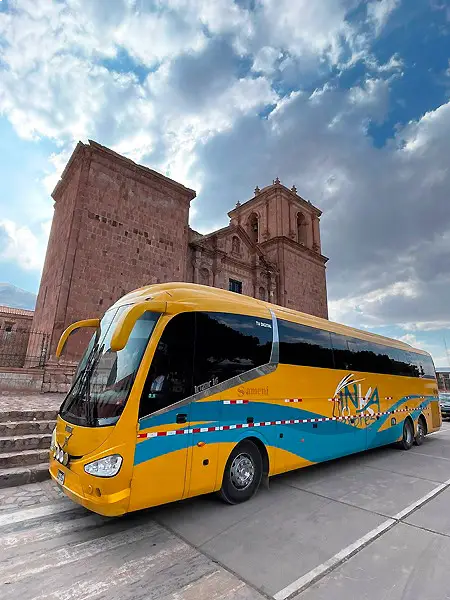
Heading for history. Source: Turiweb.
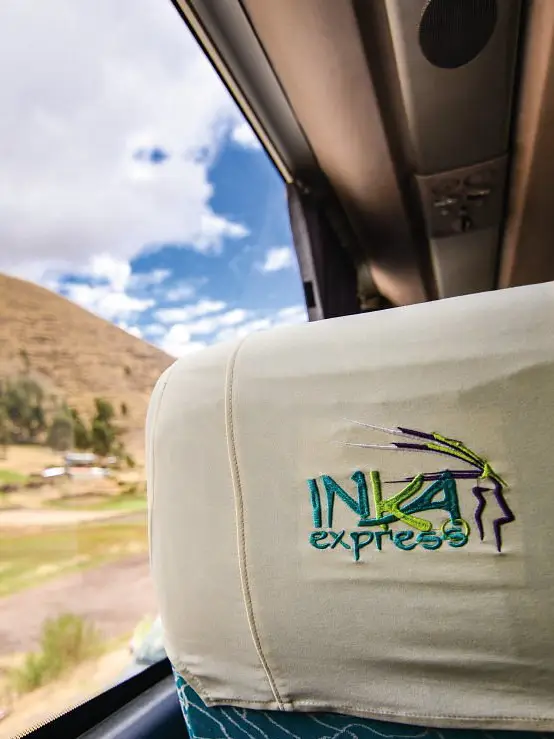
Window onto the Andes. Source: Trivadvisor.
Services Included:
- Exclusive Tourist Transport: Modern panoramic buses, comfortable and well-equipped.
- Guided Visits on the Route: A professional guide onboard who assists and informs at each stop.
- Buffet Lunch: A wide variety of dishes, including vegan and vegetarian options, in a beautiful natural setting.
Additional Services:
- Entrance Tickets to Tourist Attractions: USD 15.00 – 18.00.
- Hotel Pick-Up in Cusco: USD 10.00.
- Hotel Drop-Off in Puno: USD 10.00.
Note: Cold drinks like sodas or beer are not included in the buffet lunch.
Turismo Mer: Balancing Price and Quality
- Intermediate option with a good balance of cost and services.
- Comfortable buses with air conditioning and specialized guides.
- Includes stops at the most important historical sites of the Sun Route.
- Buffet lunch in Sicuani is included in the price.
Duration: 10 hours with stops at the main tourist attractions.
Approx. Price: Between USD 40.00 and USD 50.00 per person.
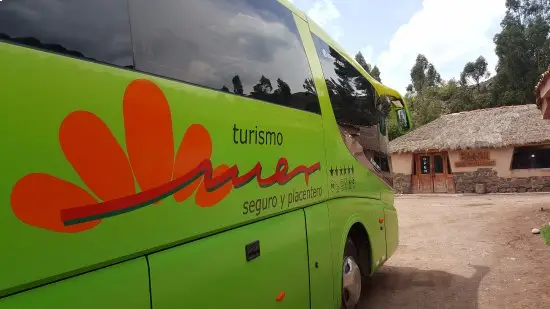
Traveling along the Route of the Sun. Source: Trivadvisor.
Services Included:
- Comfortable Bus Transport: Vehicles equipped to ensure a pleasant trip.
- Specialized Guides: Detailed information at each tourist stop.
- Buffet Lunch: A variety of typical dishes, with options for different dietary preferences.
Additional Services:
- Admission to Archaeological Sites: Usually not included; check when booking.
Wonder Peru Expedition: An Immersive Cultural Experience
- Focused on travelers seeking a deeper connection with history and culture.
- Expert guides in Andean history offering detailed explanations at each stop.
- Longer stops to better enjoy each archaeological site.
- Snack service and personalized attention.
Duration: 10 hours, with a stronger cultural and explanatory focus.
Approx. Price: Between USD 50.00 and USD 60.00 per person.

The echo of the bells. Source: Trivadvisor.
Services Included:
- Transport in Modern Buses: Designed for comfort throughout the journey.
- Expert Guides in Andean History: In-depth, enriching explanations at each site visited.
- Buffet Lunch: Typical regional dishes, with vegetarian and vegan options.
Additional Services:
- Entrance to Tourist Attractions: May or may not be included; confirm when booking.
Cruz del Sur and Peru Hop: Direct and Comfortable Alternatives
- Comfortable and modern buses for those who prefer to travel without tourist stops.
- Ideal if you only want transport from Cusco to Puno in 6 to 7 hours without detours.
- They offer day and night departures with executive service.
Duration: 6–7 hours (no tourist stops).
Approx. Price:
- Cruz del Sur: Between USD 20.00 and USD 30.00 per person.
- Peru Hop: From USD 30.00 per person, depending on the chosen package.

Open windows to the golden sand. Source: Pero Hop.
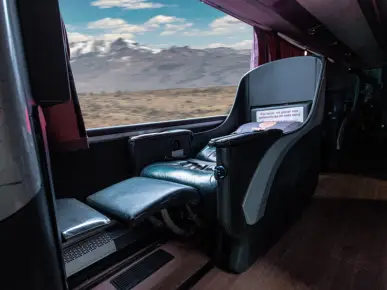
Time playing at standing still. Source: Cruz del Sur.
Services Included:
- Direct Transport: Buses with reclining seats, air conditioning, and onboard entertainment.
Note: These options do not include tourist stops, guide services, or meals.
Private Services with Travel Agencies
Approx. Price: From USD 200.00 to USD 400.00 per vehicle, depending on the agency and chosen services.
Services Included:
- Private Transport: Exclusive vehicles for your group, with flexible schedules and stops.
- Private Guide: Personalized attention tailored to your group’s interests.
- Lunch: Usually at restaurants selected according to the client’s preferences.
- Entrance to Tourist Attractions: May or may not be included, depending on the package.
Note: When choosing a private service, confirm your itinerary and included services in advance to avoid surprises.
Useful Tips for Traveling the Route of the Sun
Best Season to Travel
You can take the Route of the Sun any time of year, but certain seasons offer a more pleasant experience:
May to October (Dry Season):
- Clear skies and spectacular views.
- Lower chance of rain, ideal for photos and walks.
- Sunny days but cold mornings and nights.
November to April (Rainy Season):
- Greener, more lush landscapes.
- Intermittent rain that can affect visibility in some sections.
- Important to bring a raincoat and appropriate footwear.
Note: If you travel in high season (June, July, August), book in advance due to higher demand.
Frequently Asked Questions
Is It Worth Taking a Tour, or Is a Direct Bus Better?
It depends on your travel style:
Tourist Bus Tour (Recommended)
- Allows for stops at archaeological and cultural sites (Andahuaylillas, Raqchi, La Raya, Pukará).
- Includes a professional guide, buffet lunch, and comfortable transportation.
- A richer experience, ideal for those wanting to learn about the route’s history and landscapes.
- Duration: About 10 hours.
Direct Bus (Cruz del Sur, Peru Hop, and other public transport)
- A faster, more budget-friendly option.
- Duration: 6–7 hours, with no tourist stops.
- Ideal if you simply need to reach your destination without exploring the route.
Note: If it’s your first time in Peru, the tourist bus is the best way to get the most out of the journey.
What kind of food is offered at lunch?
Most tours include a buffet lunch in Sicuani, offering a variety of options:
- Typical Peruvian dishes: Lomo saltado, ají de gallina, quinoa, pork chicharrón.
- Vegetarian and vegan options: Salads, quinoa soup, vegetable stews.
- Traditional desserts: Pumpkin mazamorra, rice pudding.
- Drinks: Coca tea, muña tea, natural juices.
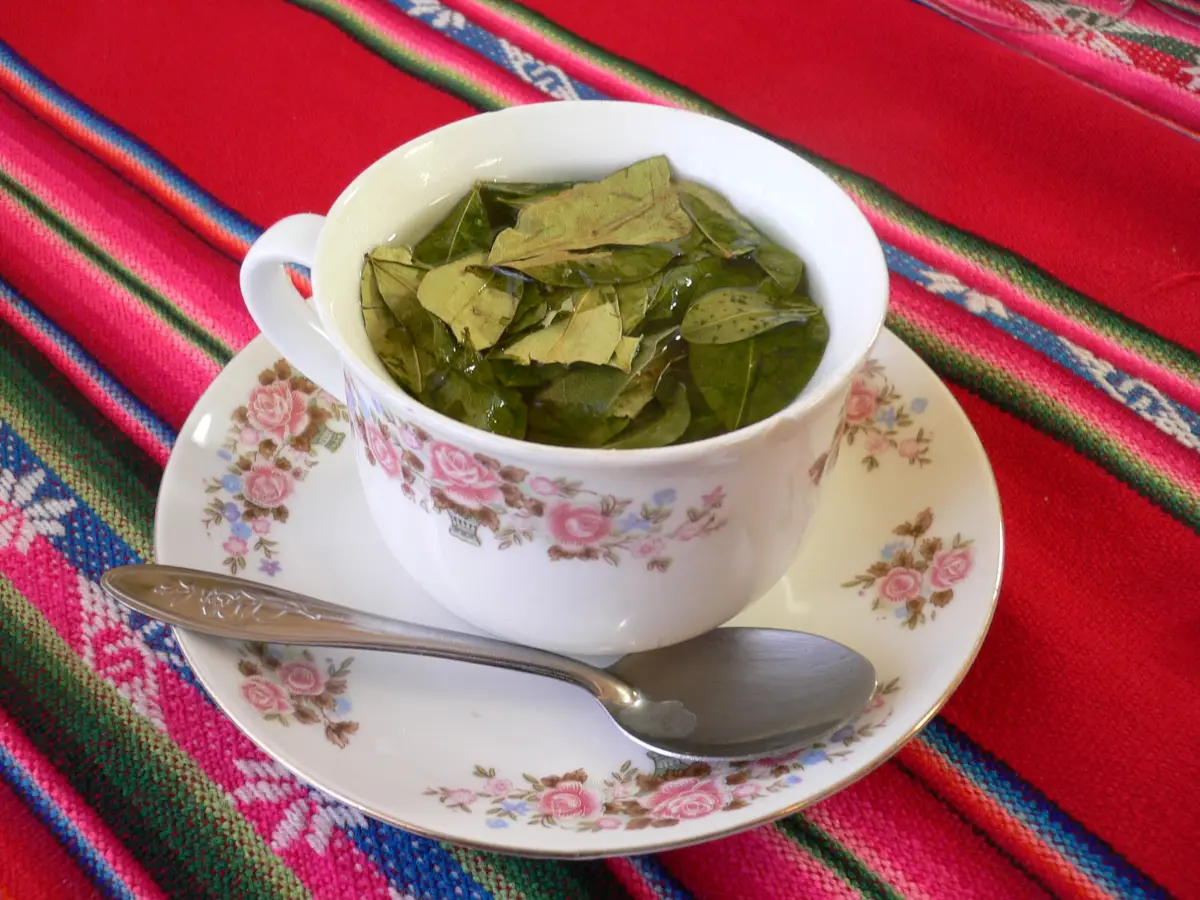
A people who converse with the earth. Source: Tanabe Yoshikazu.

Gold served on a plate. Source: Estadio FC.
Note: Vegetarian and vegan options are available with most providers. Always advisable to mention dietary restrictions beforehand.
Is the Trip Suitable for Seniors or Children?
Yes, but with some considerations:
Seniors:
- Tourist buses are comfortable and allow for rests along the way.
- It’s important to consider the altitude, especially at La Raya Pass (4,335 m/14,222 ft).
- Bring necessary medications and avoid strenuous activity in high-altitude areas.
Children:
- They can enjoy the journey if they’re accustomed to long trips.
- Bring games, snacks, and water to keep them entertained and hydrated.
- Protect them from the sun with sunscreen, hats, and appropriate clothing.
Note: If traveling with seniors or children, choose a tourist bus with comfortable seats and frequent stops for a smoother trip.
How Does Altitude Affect the Trip and How to Prevent Issues?
The highest point is La Raya Pass (4,335 m / 14,222 ft), where some may feel altitude sickness:
Common Symptoms:
- Headache, dizziness, fatigue, shortness of breath.
How to Prevent It:
- Drink plenty of water before and during travel.
- Have coca tea or muña tea (available on buses and in restaurants).
- Avoid heavy meals and alcohol the night before.
- If very sensitive, bring altitude-sickness pills (available in Cusco pharmacies).
Note: If you’re coming from sea level (e.g., Lima), spend at least 1–2 days in Cusco to acclimatize before traveling.
Can the Trip Be Done in Reverse (Puno – Cusco)?
Yes. The Route of the Sun is also possible from Puno to Cusco, with the same stops and tourist services.
- The same companies, such as Inka Express, Turismo Mer, and Wonder Peru Expedition, offer this route.
- The itinerary is similar but in reverse order.
- Departure Times: Usually around 07:00 a.m. from Puno.
Note: If you’re coming from Bolivia or other destinations near Puno, this is an excellent way to reach Cusco while enjoying the journey.
The Route That Follows the Sun
From the fertile Cusco lands to the vastness of the high plain, from the Church of Andahuaylillas to the Temple of Wiracocha, the Route of the Sun is where the sacred and the everyday co-exist. It’s a way to realize that the Andes are not just mountains, but guardians of stories.
From Inkayni Peru Tours, we want you to experience every detail of the Route of the Sun with the delicacy it deserves. A path where the snow on the peaks seems to touch the sky and balances what you once dreamed of with the reality that a small piece of Peru can offer.
Are you ready to take a guided journey under the sun, along the Route of the Sun Peru?
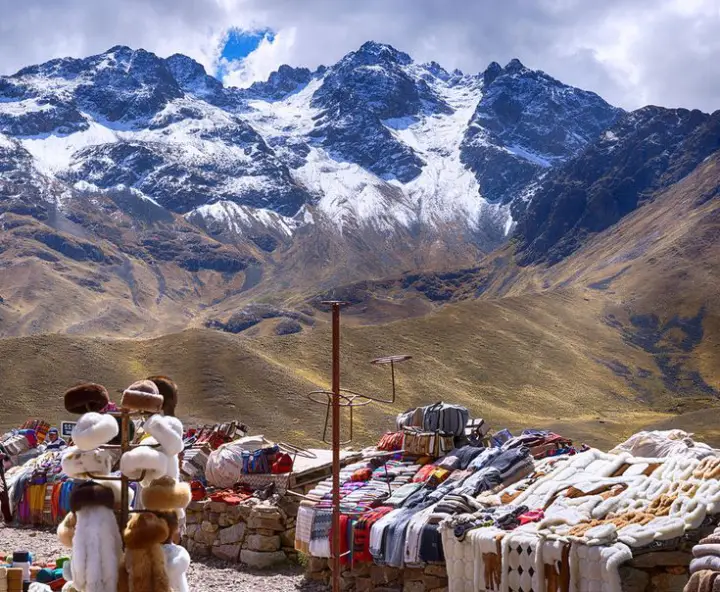
Art providing warmth at the foot of the white giant. Source: Inca Trail.
Read this: Potency Enhancers: Boosting Your Vitality Naturally and Safely
Autor

Shared: