


Table of Contents
In these lands, faith is walked, sung, and shared.

Echoes of faith. Source: Voces de Ayacucho.

Colorful awakening. Source: Flickr.
Holy Week in Peru is a living narrative unfolding through cobblestone streets, ancient chants, and incense aromas floating in the air like invisible prayers. It’s a fusion of Catholic faith and Andean roots, a dance of symbols and colors that transforms entire towns into sacred stages where the divine and human meet.
Every corner of the country experiences this week with unique intensity.
Some destinations require advance planning. Each city lives these days differently: Ayacucho hosts the most massive processions, Cusco blends faith with heritage, Lima offers multiple urban routes, and Arequipa and Cajamarca preserve a more serene, community-focused atmosphere. What should you pack to avoid travel complications? How can you prevent common first-timer mistakes? Keep reading to avoid the most frequent errors.
What is Holy Week in Peru?

Devotion under bright skies. Source: Incredible Travel.

Faith walking. Source: Voces de Ayacucho.
The bridge between the sacred and the ancestral, between the cross and the mountain. Holy week in Peru commemorates the passion, death, and resurrection of Jesus, yes, but here that universal story intertwines with a more ancient memory, woven by Andean peoples long before the gospels arrived.
During these days, faith transforms into a shared language through incense, flowers, chants in Quechua, and the profound silence accompanying the processions. It’s a celebration expressed with the entire body: in the way people walk, the way they pray, in the gestures of those carrying sacred images for hours under sun or rain.
Each region of Peru offers its own way of experiencing Holy Week:
- In Lima, ancient colonial traditions combine with the modern fervor of a vibrant city.
- In Cajamarca, celebrations carry an air of serene contemplation, accompanied by popular artistic expressions.
- Cusco, ancient capital of the Tahuantinsuyo, relives these days with a solemnity that seems carved in stone, where processions walk the same streets once traversed by the Incas.
- In Ayacucho, perhaps the most celebrated for its observances, the city becomes a spiritual stage where each day is a distinct ceremony, a step toward hope.
- In Arequipa, among white volcanic stone churches and flowering balconies, devotion merges with music and tradition.
Quick Facts by Destination
Quick Facts by Destination
| City | Main Event | Key Day | Altitude / Climate | Demand & Booking | Special Recommendation |
|---|---|---|---|---|---|
| Ayacucho | Dawn Resurrection Procession | Easter Sunday | ≈ 8,860 ft., cold at dawn | High demand, book lodging several months ahead | Arrive very early for the dawn procession and prepare for cobblestone streets. |
| Cusco | Lord of Earthquakes Procession | Holy Monday | ≈ 11,150 ft., intense sun + cold nights | High demand, choose central accommodation and anticipate detours | Avoid vehicles in Historic Center that day, better to move on foot. |
| Lima | Multiple processions in Historic Center | Throughout Holy Week | ≈ 500 ft., temperate-humid climate | High demand in central accommodations | Public transport and walking between venues recommended, check road closures. |
| Arequipa | Solemn processions among white stone | Holy Thursday and Friday typically stand out | ≈ 7,550 ft., cool nights, daytime sun | Strong local participation, book in advance | Bring light jacket for evenings and stay in the historic center. |
| Cajamarca | Processions and community events in neighborhoods and temples | Wednesday through Easter Sunday | ≈ 9,020 ft., temperate-cool climate | Moderate demand, great destination for quieter experience | Perfect for those seeking local participation and intimate atmosphere. |

Silence that prays in the multitude. Source: Arte Sacro.
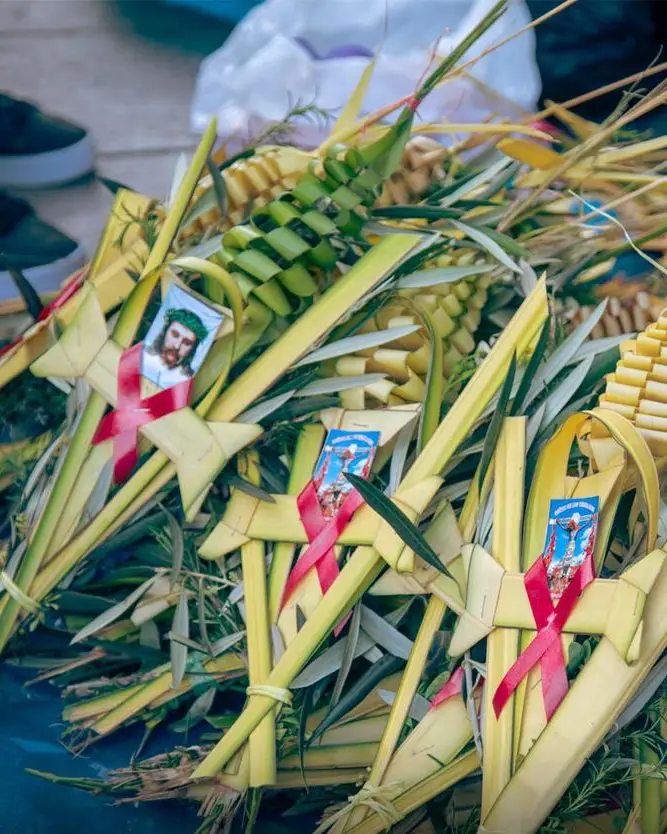
Embracing the cross. Source: Camino Salkantay Peru.
When is Holy Week in Peru?
Holy week in Peru doesn’t have a fixed date on the calendar because it follows the pulse of the Christian liturgical calendar, which varies each year. It extends from Palm Sunday, when Jesus’s triumphal entry into Jerusalem is remembered, through Easter Sunday, which celebrates the rebirth of hope. It’s essentially an eight-day spiritual journey traversing pain, silence, and finally, light.
In many Peruvian towns, celebrations begin even earlier. Friday of Sorrows and Passion Saturday mark the first stirrings of this commemoration, especially in places where faith is lived deeply and communally. From those preliminary days, the first bell tolls are already felt, altars dress in purple, and streets begin transforming into stages of devotion.
Liturgical Calendar
Below are the key days of Holy Week in the Christian calendar. Since dates vary each year, always check the local calendar. But this guide helps you understand the sequence:
| Day | What is Commemorated |
| Friday of Sorrows | Day before Palm Sunday, marked by devotion to the Sorrows of Mary and the first acts of Passion Week. |
| Palm Sunday | Commemoration of Jesus’s triumphal entry into Jerusalem; marks the beginning of Holy Week. |
| Holy Monday | First day of Holy Week proper after Palm Sunday; days of reflection, processions, and intensifying liturgy. |
| Holy Tuesday | Day of liturgical reflection, reading of gospels related to Christ’s Passion, and preparation for central days. |
| Holy Wednesday | Continuation of preparation, vigil, meditation on Judas’s betrayal and following Christ toward the cross. |
| Holy Thursday | Commemoration of Jesus’s Last Supper with his apostles, institution of the Eucharist, beginning of the Passion. |
| Good Friday | Day of Christ’s Passion and death on the cross; contemplation and solemn liturgy of the crucifixion. |
| Holy Saturday (Easter Vigil) | Eve of Resurrection, day of vigil, waiting, and transition toward celebrating triumph over death. |
| Easter Sunday | Celebration of Jesus’s Resurrection; the most joyful day of Holy Week and Christian life. |
Expert Tip:
It’s important to check the liturgical calendar for the year before planning your trip. This way you can coincide with the most significant processions and join the sacred rhythm marking each day.
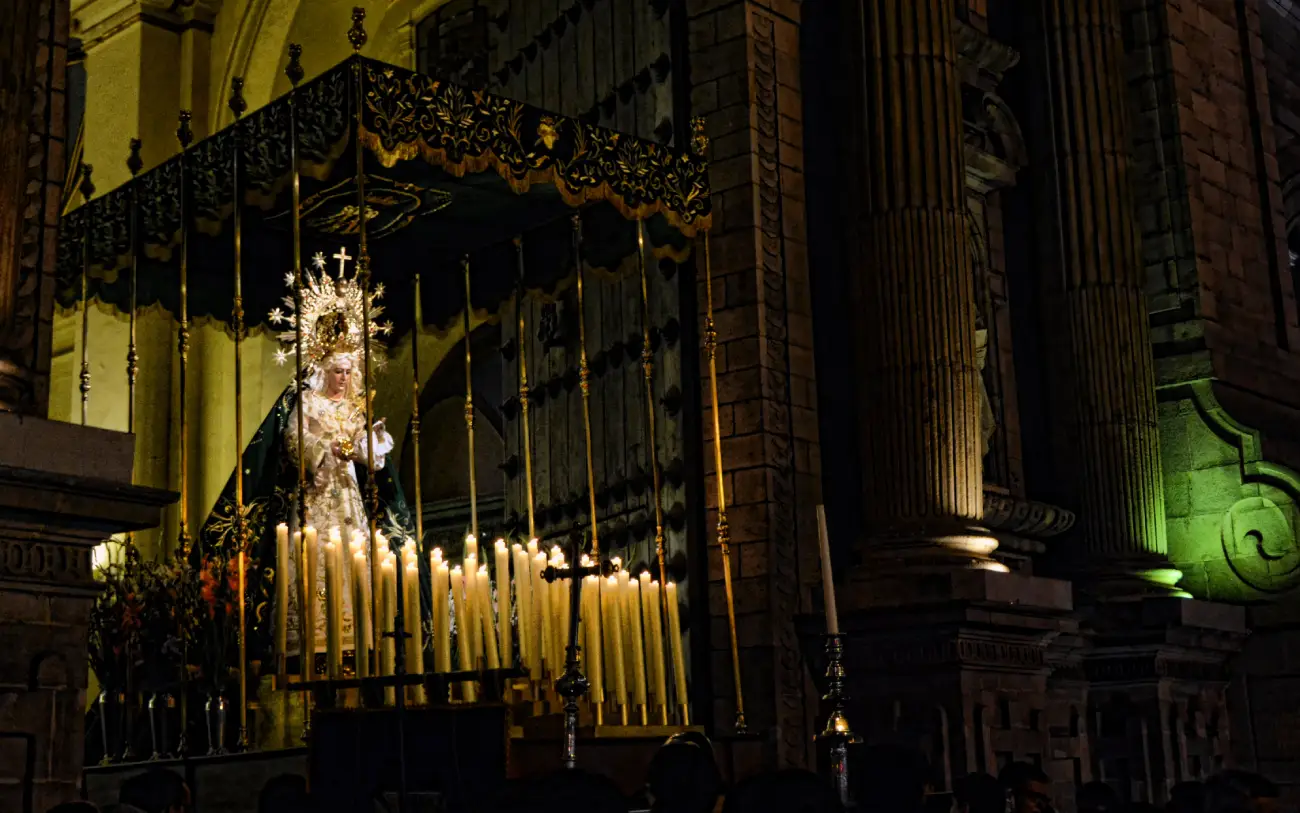
Night surrendered before her light. Source: Mariano Mantel.

The ritual wrapped in mist. Source: Gustavo Tafur.
Recommended Destinations to Experience Holy Week
In Peru, each city, each town, each street has its own way of narrating the mystery of faith. Some regions live this week with overflowing intensity, others with collected serenity. But all hold something that moves you. Here we share five unmissable destinations to experience this unique event, as rich in culture as in symbolism.
Ayacucho: The Cathedral of Popular Faith
If there’s one place where Holy Week becomes complete art, it’s Ayacucho. For more than ten days, this Andean city dresses in fervor. Each day is a different scene, where devotion takes form in daily processions, multicolored flower carpets covering streets like sacred tapestries, and lit candles flickering like small heartbeats of faith.
The baroque of its churches, colonial heritage among mountains, illuminates with echoes of religious chants and spirituality transcending ritual. But if there’s a culminating moment, it’s Easter Sunday, when the city awakens with the image of the Risen Christ amid fireworks, jubilant bells, and an atmosphere of shared joy.
Tips for Experiencing Holy Week in Ayacucho
- Ayacucho is one of the country’s most visited destinations during holy week in Peru 2026. Hotel occupancy typically fills weeks beforehand, especially in the historic center, so secure lodging and transportation early.
- Many central celebrations begin at dusk. Arriving early downtown is key for good views and avoiding crowd pushing.
- Avoid arriving by vehicle at the last minute; traffic easily collapses during main events.
- During major processions there are street closures and temporary detours. Walking is the best way to move through the center.

Prayers beneath candlelit night. Source: Voces de Ayacucho.
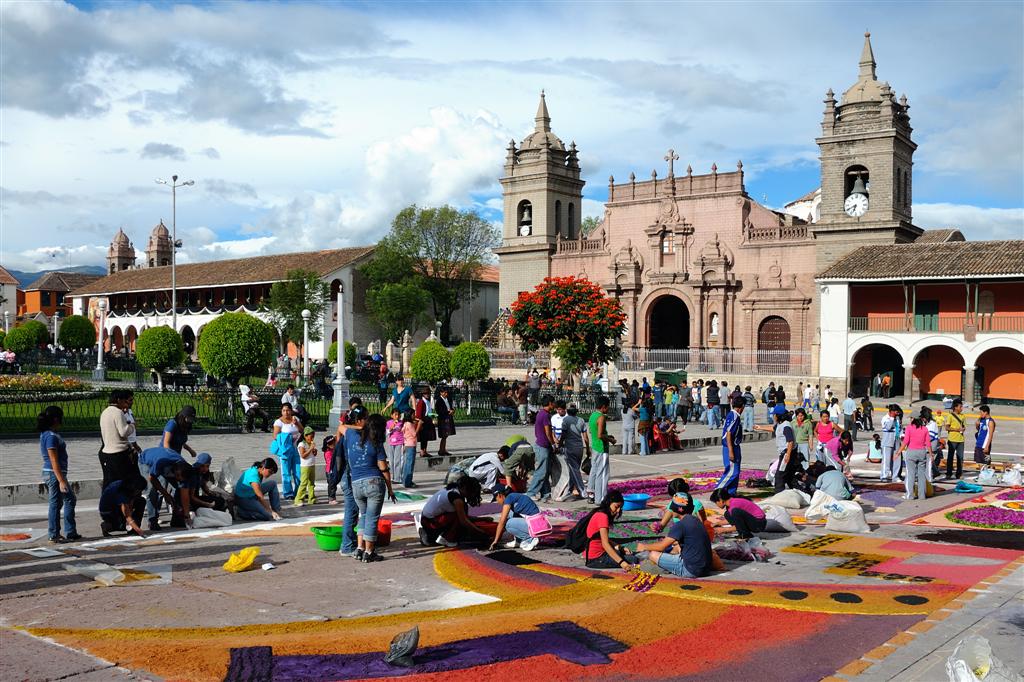
“So heaven will see us.” Source: José M. Garay.
Cusco: The Andean Heart That Beats with Faith
In Cusco, Holy Week is a unique expression of spiritual syncretism. Everything centers on the Lord of Earthquakes, a dark-skinned Christ image that processes on Holy Monday, recalling the 1650 earthquake. For Cusqueños, this figure isn’t just a Christian symbol but also an ancestral protector: a profound fusion between Catholic devotion and Andean cosmovision.
The entire city mobilizes. Bands play with solemnity, the air fills with incense, balconies adorn with flowers. Faith is heard, smelled. It’s a ritual traversing all senses.
Tips for Experiencing Holy Week in Cusco
- Holy Monday is the most important moment, with the Lord of Earthquakes procession, when thousands of people participate in this sacred event.
- During that day, closures and detours apply on several downtown streets. It’s best to move on foot or arrive early before processions begin. The historic center may have detours and closures.
- Cusco sits above 11,150 ft. Use sunscreen, bring water, hat, and jacket for nighttime. Sun can be strong during the day, and nights are typically very cold.
- This celebration combines religious fervor with living culture. Maintain a respectful attitude and avoid interrupting worshippers’ passage.
- If you want to see the main image, position yourself in the Plaza de Armas early. The best spots fill quickly.

Faith adorned in fiery red. Source: Betty Mostajo.
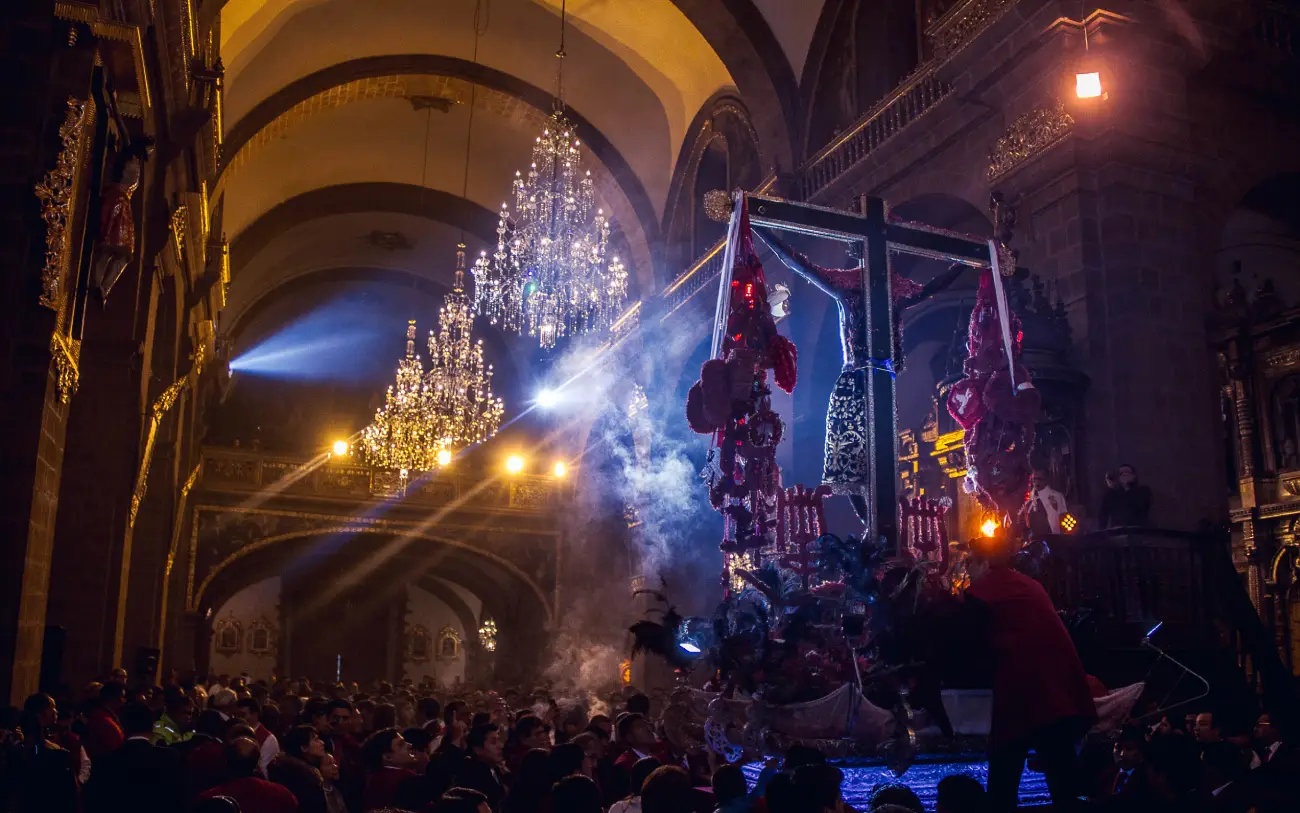
Night became prayer. Source: Ivan Cucho.
Arequipa: Silence That Speaks to the Soul
White, sober, and majestic, Arequipa lives Holy Week with contained spirituality, almost whispered. Its processions traverse the historic center among white volcanic stone walls and cobblestone streets, guided by trembling candlelight and murmurs of ancient prayers.
Some parishes organize living Stations of the Cross, where faithful represent Jesus’s final steps with great emotion. Here there are no grand displays or fireworks: there’s silence, reflection, and an intimate atmosphere inviting contemplation. In Arequipa, Holy Week is lived as a profound and elegant prayer, like a poem made of stone and light.
Tips for Experiencing Holy Week in Arequipa
- Arequipa lives this celebration with sober and spiritual tone. Processions in the historic center typically stand out for silence and candle use.
- Arriving early lets you secure a good spot without crowds and better appreciate the route.
- At about 7,550 ft., Arequipa has sunny days and cool nights. Use sunscreen, hat, water, and light jacket.
- Some central streets may temporarily close. The most practical option is walking between main points.
- Keep a low voice and avoid camera flash. Silence is essential to this celebration.

Praying souls. Source: Nacho Varela.

Burning with compassion. Source: Francisco Gallegos.
Cajamarca: Tradition Among Mountains and Fields
In the northern highlands, Cajamarca offers a Holy Week with more rural and communal roots. Celebrations here have an intimate and warm flavor, like a story passed from grandparents to grandchildren. Family gatherings, sharing typical meatless meals, small home altars, and local rituals create a profoundly human atmosphere.
There aren’t large crowds, but there is authentic devotion, woven with the soul of a people who know how to honor the sacred with simple yet meaningful gestures. Cajamarca is perfect for those seeking a closer, humbler, more grounded experience.
Tips for Experiencing Holy Week in Cajamarca
- Here the celebration has a rural and family focus, with smaller but deeply felt processions.
- There aren’t large crowds, but strong local participation. Ideal for those seeking a quiet experience.
- Cajamarca has temperate daytime temperatures and cold nights. Bring comfortable clothes, jacket, and footwear for rural paths.
- Many families share meatless dishes and local sweets during Holy Week. It’s common to be invited to taste them in plazas or fairs.
- Walking between neighborhoods and temples is the best way to know the celebration from within.
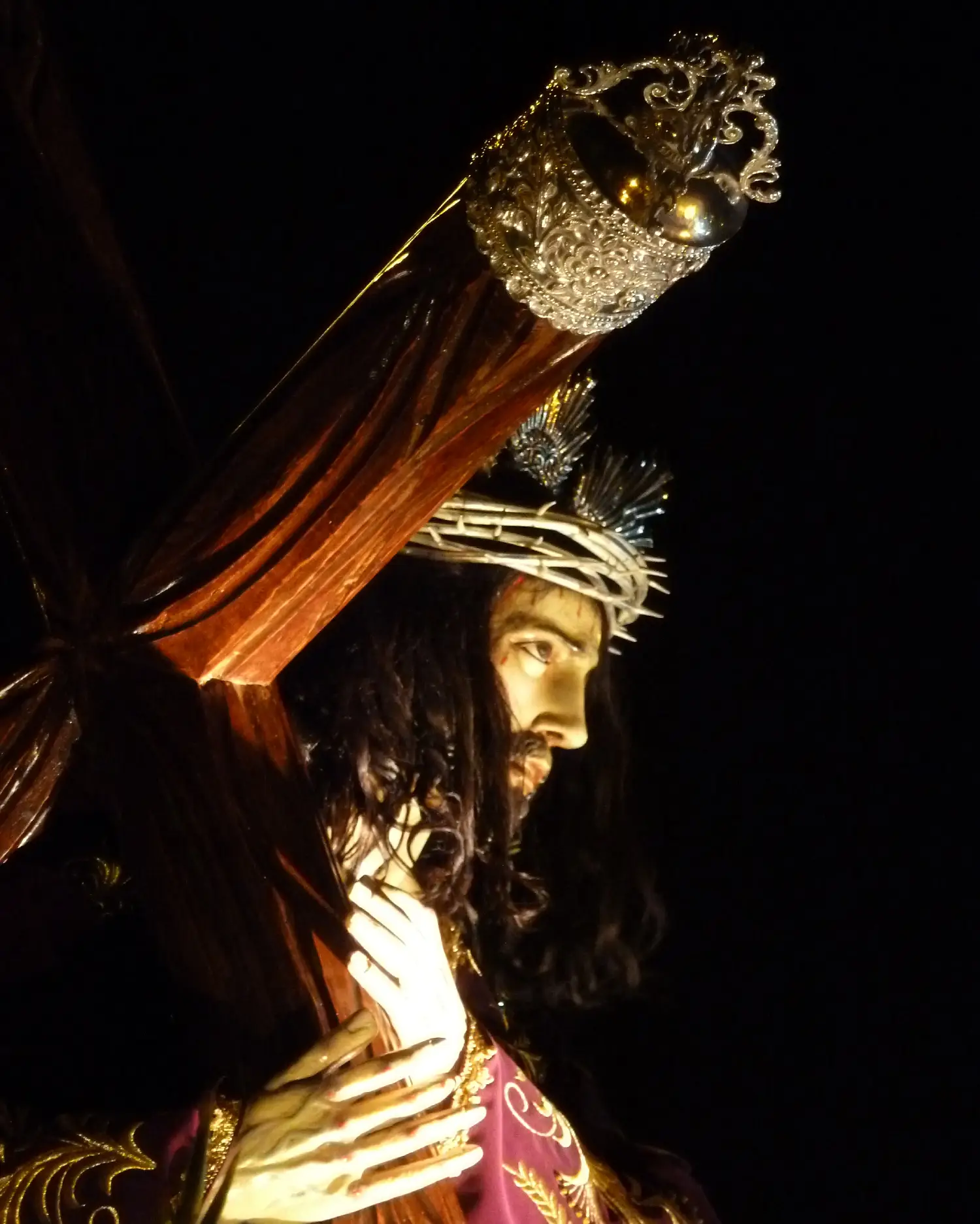
Eyes to the night sky. Source: Luis Siabala.

Growing light. Source: Antonio Avila.
Lima: Living History Among Colonial Streets
And for travelers arriving through the capital, Lima also offers moments of fervor and beauty. In the historic center, especially in the Rímac and Cercado neighborhoods, traditional processions traverse old streets where echoes of the Viceroyalty still resonate.
The colonial churches, with their golden altarpieces and silent courtyards, become meeting points for faithful and curious alike. It’s an ideal option for those passing through the city who want to glimpse Peru’s religious soul without straying from main routes. In Lima, Holy Week is a crossroads between old and contemporary, between urban and devout.
Tips for Experiencing Holy Week in Lima
- Several historic center streets typically restrict during processions. Walking or using public transportation is the best option.
- Avoid using private vehicle downtown. Arrive early to avoid congestion.
- Access from nearby main avenues and move on foot between churches and colonial balconies.
- Lima typically has temperate climate with humidity. Wear light clothing, comfortable shoes, and bring jacket for evening.
- Take advantage to combine processions with cultural visits to colonial churches and museums.

Whisper of silver and devotion. Source: Francisco Gallegos.

Braiding the light. Source: Francisco Gallegos.
Typical Traditions and Customs
Holy week in Peru is a celebration made of symbols, of ancient gestures repeated year after year like sacred choreography. In every corner of the country, these customs weave a visual and emotional landscape that leaves its mark.
One of the most overwhelming moments is creating flower carpets. Petals of every color, dyed sawdust, and fresh leaves arrange with patience and devotion, as if each flower were a prayer.
The air fills with incense smoke, enveloping the scene with an ancestral aroma that purifies and accompanies. Lit candles flicker in faithful hands, like small promises of faith. Church bells sound above, marking the passage of religious images that, richly decorated with flowers, fine fabrics, and jewels, are carried on shoulders by brotherhoods or silent devotees.
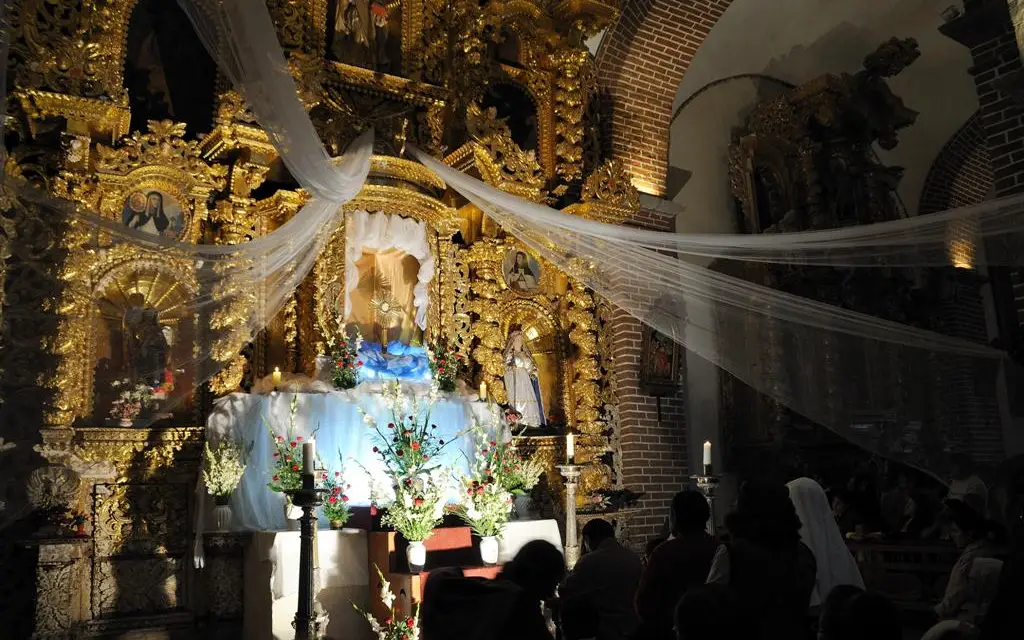
Golden sanctuary. Source: José M. Garay.
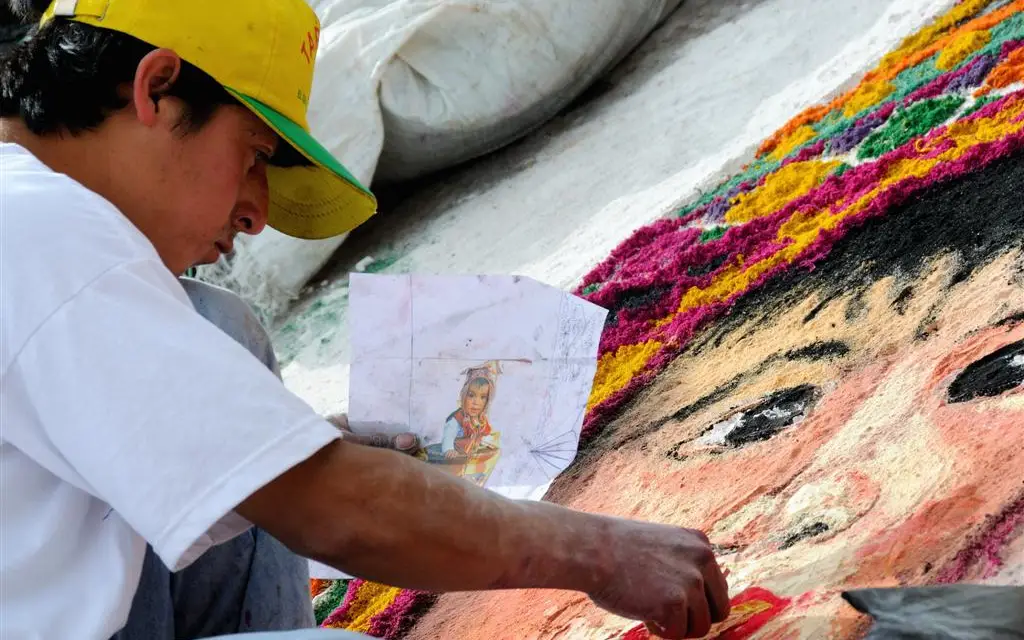
Colors that pray. Source: José M. Garay.
During processions, silence is part of the ritual. It’s not empty silence, it’s a language of respect, contemplation, collective communion. In many rural towns, this fervor also expresses through living Stations of the Cross, where men, women, and children embody Christ’s final moments with moving dedication.
Participation is massive. It’s not just about watching, but being part: of carrying, singing, crying, thanking. Communities prepare altars in their homes or neighborhoods, adorned with flowers, saints, and distinctive symbols, converting each street into a small sanctuary.
These are customs not only observed but felt. Traditions inviting visitors to pause, look with wonder, and understand that faith here isn’t kept in temples: it’s lived in the streets, in the hands, in the soul of the people.
Typical Holy Week Gastronomy in Peru
In Peru, faith is also cooked. Holy week in Peru isn’t only lived in temples and processions, it’s also shared at the family table, where each dish holds a piece of history, silence, and faith. During these days, many families set aside red meat as a gesture of contemplation, but that doesn’t mean sacrificing flavor. On the contrary: Holy Week cuisine is full of intense aromas, homemade textures, and combinations spanning generations.

Memory tastes sweet. Source: Flickr.

Golden bite. Source: Delicias Recetas.
The table’s protagonists are fresh fish, seasonal vegetables, legumes, and hot soups that perfume the entire house. And at the end, like a family embrace, come the homemade desserts. Sweets that aren’t just eaten, they’re remembered. Each region adds its own touch, but all share the idea that cooking is also a way to celebrate.
Among the classics that never miss is chupe de viernes (Friday soup), a creamy soup of fish, potato, milk, and egg that comforts body and spirit. And to close, the perfect duo: mazamorra morada with arroz con leche (purple corn pudding with rice pudding), or some freshly made torrejas (French toast), golden and soft, that smell like Good Friday.
Gastronomy by Region
Peruvian Holy Week doesn’t taste the same in every corner of the country. Each region stamps its seal on vigil flavors: from the salty sea of the coast, the cold and fertile Andes, to the warm and generous jungle. The landscape changes, the climate changes… but the gesture of sharing is the same.
- Coast: Here the sea rules. Pescado a la chorrillana (fish in Creole sauce), with its tomato, onion, and chili sauce, appears on many family tables. Chupe de viernes is living tradition: a dense and warm soup served in silence, like a ritual. In the north, causa with pickled fish gives it a fresh twist, while in Trujillo, sopa teóloga (theologian soup) recalls colonial recipes.
- Highlands: In the Andes, vigil tastes like earth and slow fire. Stews of grains, tubers, and local herbs fill kitchens. Sopa de viernes (Friday soup), with potato, olluco, milk, and cilantro, is served hot while procession bells sound in the streets. Each spoonful is living memory.
- Jungle: In the Amazon, Holy Week smells of bijao leaf and burning charcoal. Patarashca, river fish wrapped and slowly cooked, accompanies with yucca and ripe plantain. Achiote, sweet chili, and Amazonian tubers complete a feast respecting nature and its abundance.
For travelers, sitting down to try these dishes isn’t just eating: it’s participating in a silent language uniting faith, family, and memory. In Peru, Holy Week is also celebrated with a steaming plate before you, with flavors speaking louder than words.
Practical Tips for Travelers
Traveling to Peru during Holy Week means immersing yourself in a profoundly spiritual and cultural experience. But to live it in all its beauty, it’s important to do so with preparation and, above all, with respect. Here are some tips so your visit is as memorable as meaningful.

Faith in soft twilight. Source: Kelly del Sol.

Mourning in the steps. Source: Jan Sochor.
- Book in advance: In destinations like Ayacucho or Cusco, this week attracts thousands of visitors, both local and international, so accommodations typically fill rapidly.
- Dress comfortably and considerately: Although climate can vary by city, the ideal is bringing light clothing, comfortable footwear, while maintaining appropriate dress, especially if entering temples or participating in religious acts.
Remember that:
During these days, more than ever, how you dress communicates respect.
- Prepare for Andean sun: Whether in Cusco’s heights or Arequipa’s clear sky, sun can be intense. Don’t forget to bring a hat or cap, sunscreen, reusable water bottle, and cash.
- Be part without invading: Observing a procession or participating in mass is a unique opportunity for cultural and spiritual connection. Do so with sensitivity: avoid interrupting routes, don’t use camera flash, and keep your voice low to not break the contemplative atmosphere. Witnessing others’ faith is also an act of humility.
- Watch for temporary changes: During these days, some streets close to make way for processions, and public transportation schedules may change.
Remember that:
Traveling during Holy Week to Peru means walking through a country’s soul that navigates diverse beliefs; you must learn to discover not only landscapes, but also understand and coexist with different forms of faith.
Is it Worth Visiting Peru During Holy Week?
Holy week in Peru is an opportunity to look beyond the obvious, to connect with collective spirituality spanning generations. It’s an invitation to feel, to observe with open heart, to witness living heritage that isn’t just celebrated but embodied.
Want to be moved by the Lord of Earthquakes procession in Cusco? Enjoy a spiritual journey full of tradition?
At Inkayni Peru Tours we don’t just organize trips; we design experiences specially crafted so you discover holy week in Peru 2026 from within, with all its color, contemplation, and cultural strength.

Watching over eternal sleep. Source: Francisco Gallegos.
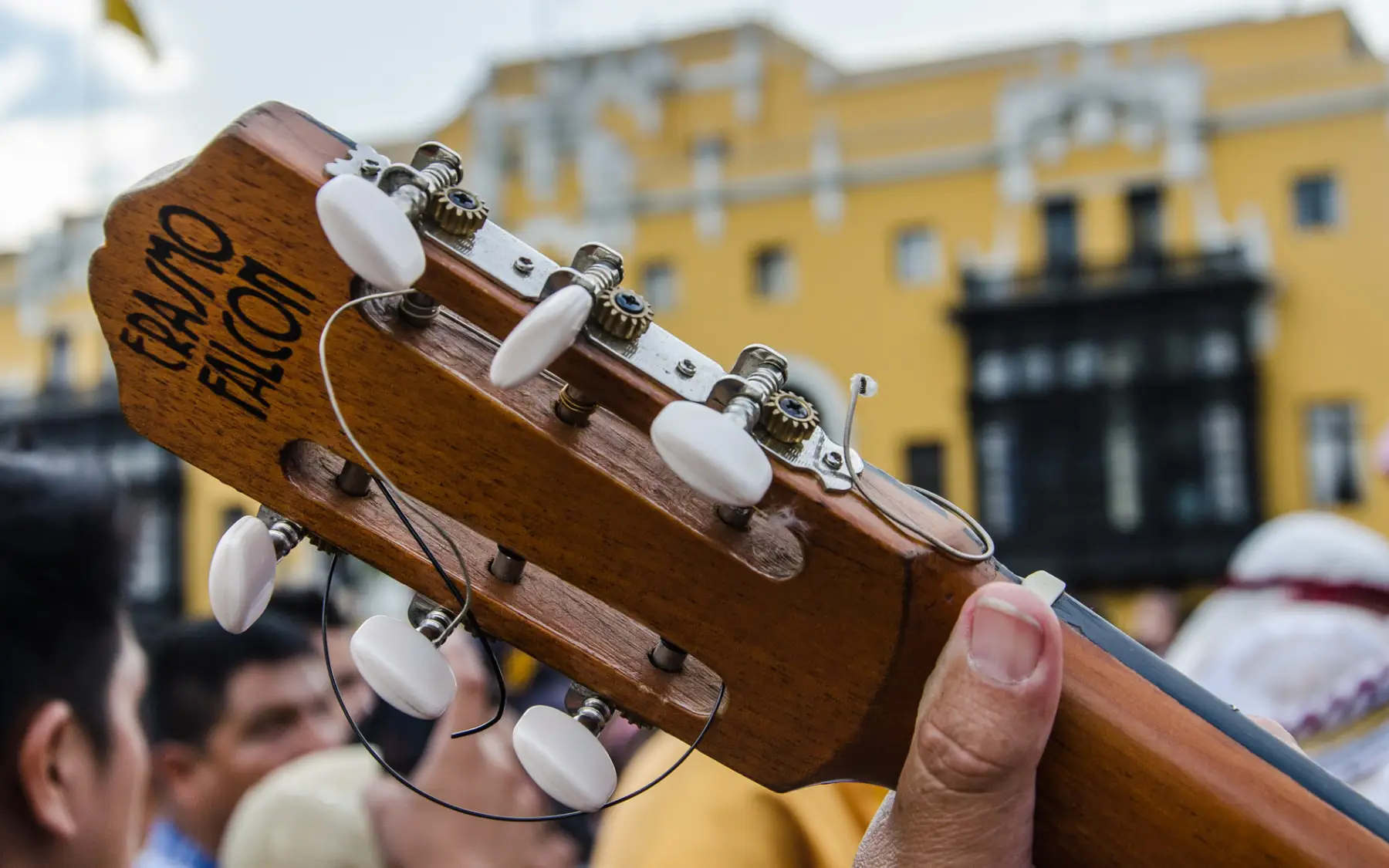
Sonorous soul. Source: Jose C.
Frequently Asked Questions
What does Holy Week in Peru mean?
It’s a commemoration of Jesus’s passion, death, and resurrection, lived with local character: processions, vigils, and rituals that in many cities interweave with Andean practices and neighborhood organization. It’s not just liturgy; it’s communal life in public space, with respect rules marked by brotherhoods and local authorities.
When is Holy Week in Peru celebrated and why do dates vary each year?
Dates depend on the liturgical calendar: from Palm Sunday through Easter Sunday. In several places, preliminary acts begin like Friday of Sorrows. Confirm the year’s calendar to coordinate trips and reservations, because these solemn observances affect capacity, traffic, and services.
Where is it experienced most intensely?
Ayacucho concentrates events for over a week and typically closes with the dawn Resurrection procession. Cusco has its strongest day on Holy Monday with the Lord of Earthquakes. Lima organizes multiple processions in the Historic Center, with traffic restrictions. These are cities with high demand and specific logistics.
How do processions affect traffic and access?
In capitals and historic centers, there are temporary closures and detours during central days. In Lima, the Damero de Pizarro typically restricts by time blocks and several roads become pedestrian-only; walk or use public transport and arrive early. Apply the same logic in Cusco and Ayacucho on key days.
What should I know about altitude, climate, and traveler health?
Cusco sits around 11,150 ft.; Ayacucho and Cajamarca exceed 8,860 ft.; Arequipa is above 7,550 ft. In the highlands, sun hits hard during the day and cools at night. Prioritize hydration, sunscreen, hat, and light layers for afternoon-evening. If you’re not acclimated, take the first day easy and avoid unnecessary exertion during high-attendance days.
What’s eaten during Holy Week and how does it change by region?
Vigil dishes predominate: fish, soups, and traditional desserts. On the coast, preparations like pescado a la chorrillana (fish in Creole sauce) or chupe de viernes (Friday soup) are common; in the highlands, soups and stews of grains and tubers; in the jungle, patarashca with yucca and plantain. Avoid generalizing: the “seven dishes” are more associated with the north and not the entire country.
Can I take photos and use drones?
Photography without flash and without interrupting passage is usually accepted. Drones require permits and many processions restrict them for safety and ritual respect; check with the municipality or brotherhood before flying. In Lima, during closures and solemn acts, pedestrian traffic and police control take priority.
Should I book well in advance?
Yes. Ayacucho, Cusco, and Lima increase occupancy and rates during central days. Block lodging and transfers in advance and confirm change policies. If seeking less density, consider Arequipa or Cajamarca, but still book with margin due to long holiday mobility.
How is security during these days?
Police and municipal presence reinforces where there are processions. Best practice is moving in groups, using well-lit main routes, carrying minimal cash, and safeguarding belongings in crowds. Follow authority and brotherhood instructions on access, capacity, and platform crossings. In Lima, routes and detours are published to organize flows.
What happens if it rains or there are last-minute changes?
Some cities adjust schedules, routes, or meeting points due to weather or safety. Check the local program from the diocese, municipality, or regional tourism office the same day. Ayacucho and Cusco typically publish updated schedules and notices on official channels and local press.
Are there cultural activities besides processions?
Yes: sacred concerts, artisan fairs, exhibitions, and Stations of the Cross representations. In large cities, the agenda spreads among temples, plazas, and cultural centers. Check the municipal or archdiocesan programming for the week to combine routes without overlaps.
Can I attend as a tourist without being religious?
Absolutely. The key is respect: don’t cross the path of platforms, don’t invade brotherhood spaces, avoid shouting or loud music, and dress appropriately for the context. If participating as spectator, position yourself at the route’s edge, allow flow, and follow order personnel signals.
Essential question: how do I organize a “typical” day during central days?
Arrive early for access and capacity, locate a spot with visibility and side exits, define a Plan B for detours and weather, and leave time gaps between events to avoid stressful transfers. In historic centers like Lima and Cusco, moving on foot is more efficient than by car during closure periods.
Is Holy Week in Peru 2026 a good time to visit?
Absolutely. Holy week in Peru 2026 offers a unique opportunity to witness centuries-old traditions blending Catholic and Andean spirituality. The celebrations typically fall in late March or early April, providing comfortable weather in most regions. Plan ahead, as this is peak season for cultural tourism, and you’ll experience one of South America’s most profound religious celebrations.
Autor
Shared:



If you liked this article and the information you found, give us 5 stars!
 (Ninguna valoración todavía)
 Loading...