


Table of Contents
Camping near Machu Picchu is one of those experiences that turns a simple trip into something deeper. But there’s a key detail many travelers overlook: you can’t pitch your tent inside the citadel or within the protected sanctuary. The rules are clear and the fines are real. So, where is it actually allowed to sleep under the stars? Which routes offer authorized campgrounds? How do altitude, weather, and reservations affect your plan? Choosing the right spot won’t just save you trouble, it will define the quality of your experience.
If you’re thinking about experiencing Machu Picchu beyond the bus and train, here you’ll find real information about what works and what doesn’t. Keep reading and avoid the most common mistakes.
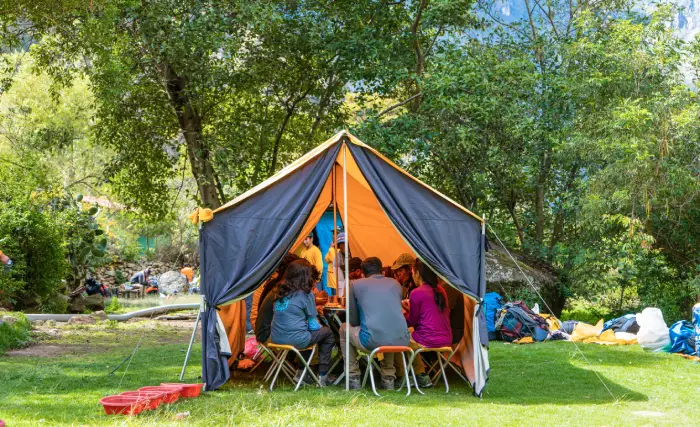
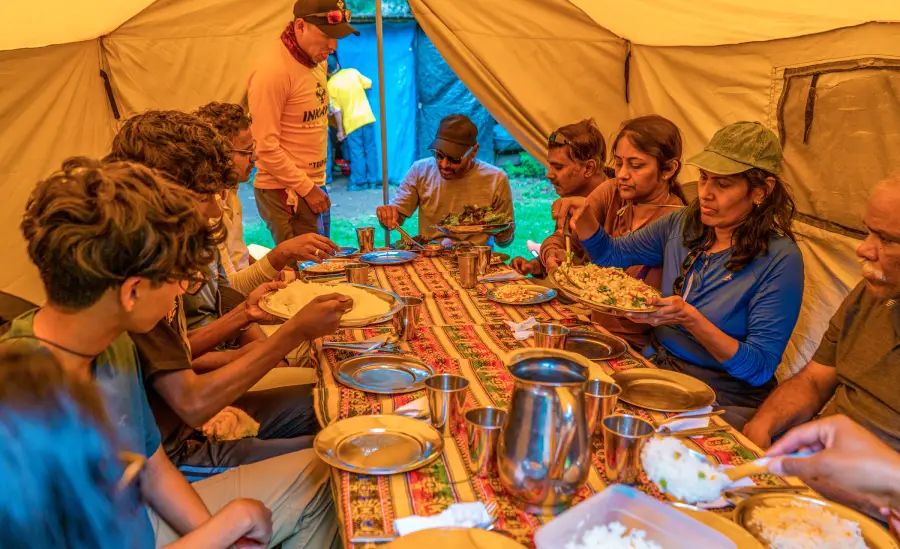
Camping Possibilities: What Is and Isn’t Allowed?
When we talk about camping near Machu Picchu, it’s crucial to draw the line between what’s permitted and what’s prohibited. You cannot camp inside the citadel or within the Machu Picchu Historical Sanctuary. This includes direct access routes like the Hiram Bingham road and the mountains within the protected area. Outside that zone, there are legal and peaceful spaces for camping near Aguas Calientes or on routes like the Hydroelectric trail, always at authorized campsites or on private properties.
Can you camp at Machu Picchu town (Aguas Calientes)?
At the moment, there are no official campsites within the urban area of Aguas Calientes. The dominant offering is hotels, hostels, guesthouses, and lodges. If someone offers space for tents, it’s usually through very specific private arrangements, not as a regular tourist service.
Camping in Mandor
Mandor is a classic option for those seeking camping near Machu Picchu without going too far. You can reach it by walking 30 to 60 minutes from Aguas Calientes along a simple trail next to the train tracks, or in about two hours from the Hydroelectric station. It’s an accessible, well-marked stretch surrounded by vegetation, ideal for those looking for an affordable and peaceful option.
- Entrance costs S/ 10 to S/ 20 (US$ 3–6) per person. If you bring your own tent, there’s a small additional charge of S/ 5 (US$ 1–2). If you prefer to rent equipment on-site, the price is around S/ 10 extra (US$ 3). In total, spending the night here usually costs between S/ 20 and S/ 30 (US$ 5–8) per person, depending on the season and services.
- The campsite has basic bathrooms, cold showers, and trails through gardens and small waterfalls, making it a peaceful place to rest before or after visiting Machu Picchu. It’s recommended to confirm schedules and availability before arriving, as capacity is limited.
Available services: basic bathrooms, cold showers, trails through gardens and small waterfalls. Confirm schedules and availability before going.
Expert tip:
No special permit is required if you don’t enter the Sernanp-protected area, but it’s always a good idea to book in advance if you’re traveling during high season (May through September).
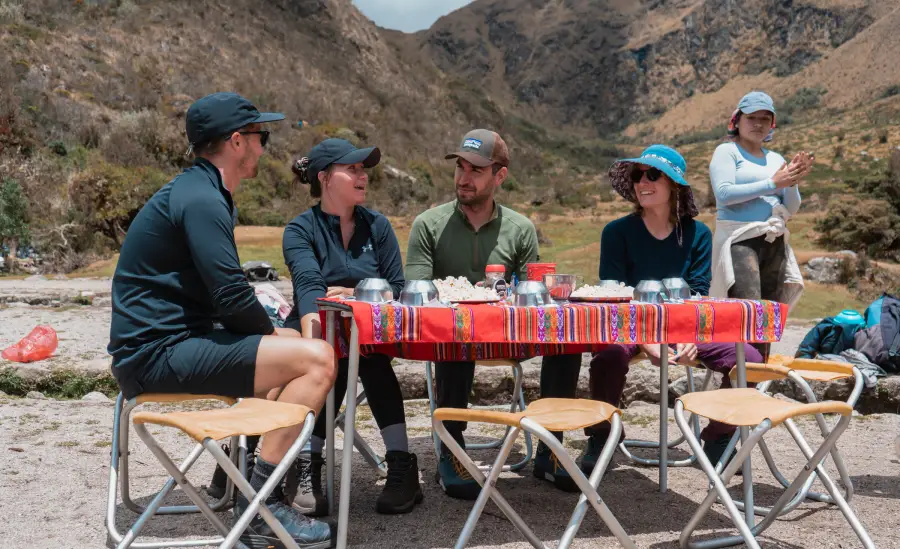

Hydroelectric Route (Backpacker Access with Camping Areas)
The Hydroelectric route is one of the most affordable ways to reach Machu Picchu without taking the train. From Cusco, you travel by bus or minivan to Santa Teresa (5 to 6 hours), then a taxi or shared van connects to the Hydroelectric station. From there, you walk about 10 km alongside the train tracks, taking 2 to 3 hours to reach Aguas Calientes, the base town for visiting Machu Picchu.
On this route, there are several legal and safe options for camping near Machu Picchu:
- Camping at Hydroelectric (restaurant area): from S/ 10 per night (US$ 3) with basic services. It’s ideal for resting before or after visiting Machu Picchu.
- Local campsites in Santa Teresa and Cocalmayo: more comfortable, with rates from S/ 15 to S/ 25 (US$ 4–7) per night. Some offer hot showers and dining areas.
- Mandor or private areas in the final stretch toward Aguas Calientes: we already mentioned Mandor; it’s recommended to coordinate in advance, as they offer a very peaceful natural environment.
Important note:
These campsites don’t require special permits, but it’s recommended to bring your own tent, headlamp, and be careful with insects during the rainy season.


If you’re looking for an even more intense experience than sleeping in the areas surrounding Machu Picchu, there’s an option that blends living history, archaeology, and nature: camping right on the trail to Machu Picchu. This is where the classic Inca Trail shines as the most legendary experience.
Classic Inca Trail to Machu Picchu
The campsites are pre-established and have basic facilities managed by Sernanp. Sleeping here means camping amid sacred mountains, at the foot of Inca terraces, and with the murmur of rivers and quenas at dawn. The main overnight points (which may vary) are:
- Wayllabamba (3,000 m / 9,843 ft): first campsite, ideal for acclimatizing after a moderate day of hiking.
- Pacaymayo (3,600 m / 11,811 ft): on the other side of Abra Warmiwañusca (4,215 m / 13,828 ft), the highest point on the route. Cold nights and stunning skies.
- Wiñay Wayna (2,600 m / 8,530 ft): the last campsite, very close to the ruins of the same name and just a few hours from Intipunku, the Sun Gate.
Throughout the journey, authorized agencies take care of tents, meals, porters, and first aid, allowing travelers to focus on walking, contemplating, and feeling the history. Camping here isn’t simply sleeping—it’s becoming part of a tradition that has connected the Andes with Machu Picchu for centuries.
Important note:
If you dream of this experience, book in advance, bring a good thermal sleeping bag (temperatures below freezing at the second campsite), and make sure to travel with an agency registered with Sernanp.
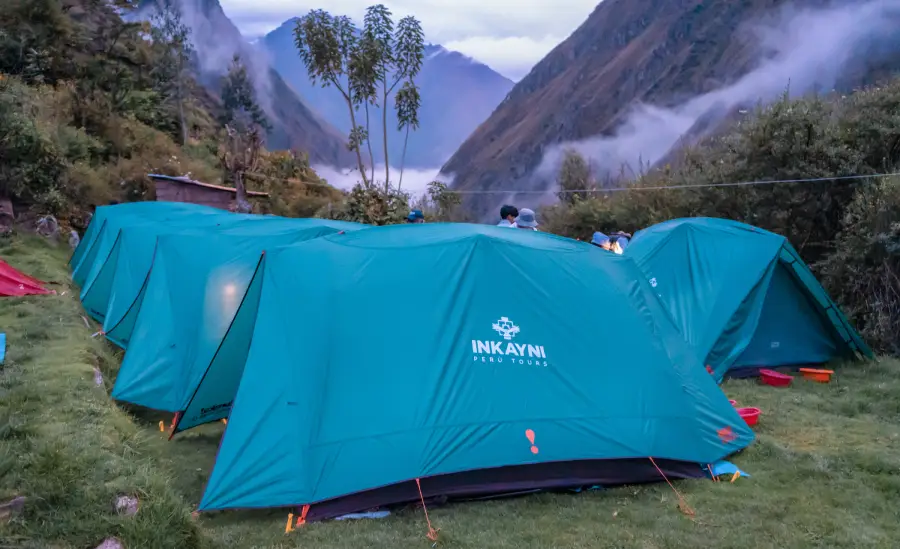

Salkantay Trek
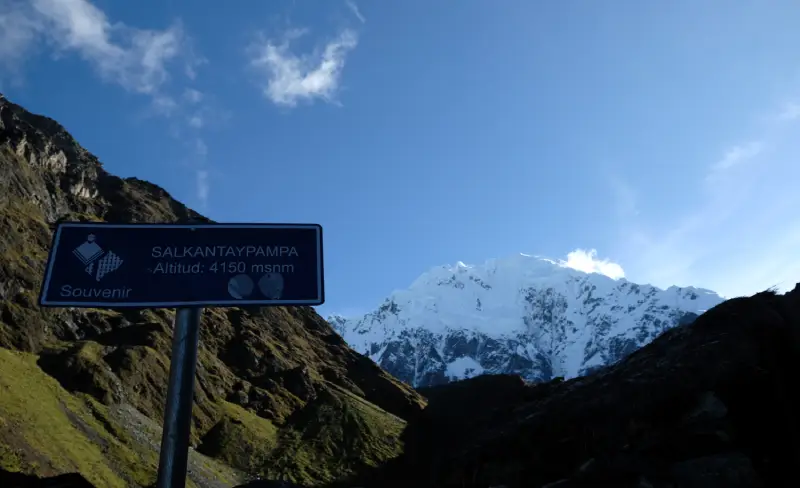
The Salkantay Trek is the most popular alternative to the Inca Trail: it doesn’t require official permits, it’s longer and higher, but also freer. It’s done in 4 to 5 days and most routes include campsites at:
- Soraypampa (3,900 m / 12,795 ft): facing the Salkantay snow-capped mountain, one of the most impressive places for camping near Machu Picchu.
- Chaullay (2,900 m / 9,514 ft): transition into the cloud forest, warmer and more humid.
- Lucmabamba (2,000 m / 6,562 ft): agricultural area with coffee and fruit plantations; ideal for a more cultural experience.

Other Alternative Treks with Camping Options
Beyond the classic routes, there are lesser-known paths that also allow camping and connecting with local communities:
- Inca Jungle Trek: combines biking, hiking, and zip-lining. Nights can be spent in hostels or simple campsites in Santa María or Santa Teresa.
- Lares Trek: cultural route that crosses high Andean communities. You camp near hot springs, lagoons, and Quechua villages.
- Huchuy Qosqo Trek: incredible landscapes and camping nights near the archaeological site of Huchuy Qosqo with a final descent to Ollantaytambo.
Important note:
These routes don’t require special permits, but it’s always recommended to do them with local guides or agencies that respect communities and environmental regulations.

Expert tip:
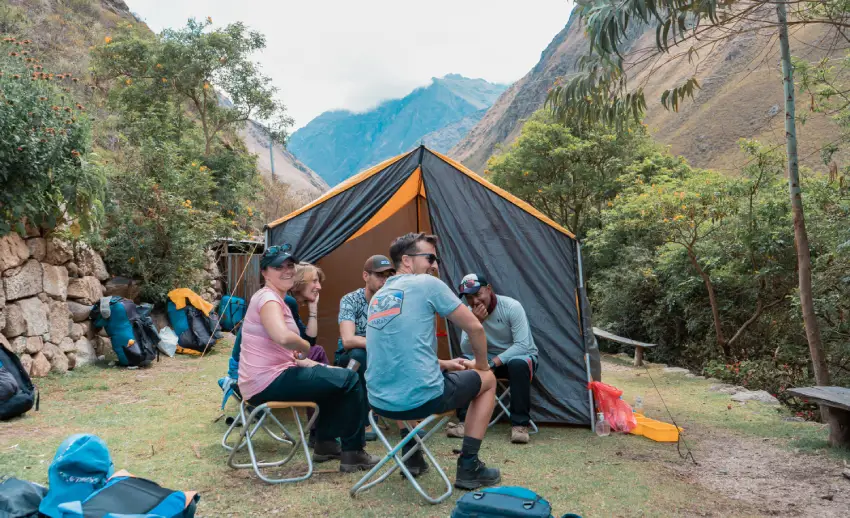
If it’s not a recognized or authorized space, don’t set up your tent there. It’s not worth the risk.

What to Bring for Camping Near Machu Picchu?
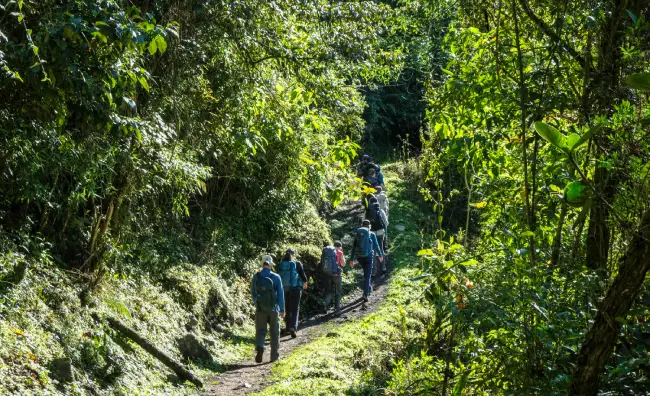
The climate in this region can be unpredictable: scorching sun during the day, unexpected drizzle, and cold nights, even during the dry season.
If you’re going on your own, it’s best to bring:
- Sleeping bag suitable for the season (minimum -5 °C / 23 °F during dry season).
- Waterproof tent.
- Thermal layered clothing, windbreaker jacket.
- Headlamp with extra battery.
- Strong insect repellent (the high jungle is generous with mosquitoes).
- Thermos with hot water, energy snacks.
- Footwear with good traction.
Important note:
If you do an organized trek, like Salkantay, Inca Trail, or Lares, tourism agencies usually provide tents, sleeping pads, hot meals, equipment transport, and specialized guides. You only take care of your personal backpack and necessary warm clothing.
Season and Climate for Camping Near Machu Picchu
The climate in areas close to Machu Picchu, such as Mandor, Hydroelectric, and Aguas Calientes, is very different from high-altitude trekking. Here, a temperate and humid environment prevails, typical of the Andean cloud forest edge. There are no intense frosts, but frequent rains and high humidity during much of the year.
- Dry season (May to October): mild days between 16 °C and 22 °C (61–72 °F), cool nights around 10 °C (50 °F). It’s the most stable time for walking and camping without heavy rains.
- Rainy season (November to April): frequent rains, slippery trails, and more insects. Nights remain mild, between 12 °C and 18 °C (54–64 °F).
- Ideal months: May through September, when the weather is more stable and rains are less intense.

In Summary…
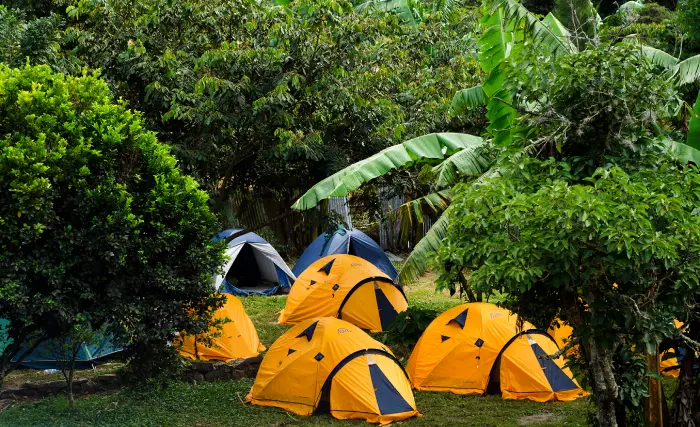
- Camping is prohibited inside the citadel and the Machu Picchu Historical Sanctuary. It’s a protected area and free camping is penalized.
- For the classic Inca Trail, you can only enter with an authorized agency, daily quotas are limited, and it closes in February for maintenance.
- On Salkantay, Lares, and Hydroelectric, you can only camp at private campsites or authorized areas.
You’ll also find campsites and rustic accommodations in towns like Santa Teresa, Lucmabamba, and Chaullay on the Salkantay route whether you go with a travel agency or on your own. Community campsites when available are usually affordable, from S/ 10–25 (US$ ~3–7) per night, and there are basic hostels/lodges above that range. Always verify on-site if they offer hot showers and dining areas.
The Real and the Magical
Although sleeping under the stars inside the Machu Picchu citadel is an impossible dream, camping in its surroundings or during the journey to it is an experience worth every step. Not only does it connect you more deeply with Andean nature, but it also brings you closer to communities, ancient trails, and landscapes you wouldn’t see otherwise.
From rustic campsites on the Hydroelectric route to luxurious glamping in the Salkantay valleys.
With Inkayni Peru Tours, you can get informed, prepare with what you need, and experience camping in the Machu Picchu environment with a different intensity. Are you ready to live it?

Frequently Asked Questions
Is camping allowed inside Machu Picchu?
No. Camping is completely prohibited inside the archaeological site or on its direct access routes. The area is protected and monitored by Sernanp.
Where can I camp near Aguas Calientes?
At the Mandor Reserve, 30 minutes walking distance, or at small private campsites along the river between Hydroelectric and the town. All offer basic services and charge between 10 and 30 soles per night.
Which treks allow camping on the way to Machu Picchu?
The Salkantay Trek, Lares Trek, Inca Jungle, and the classic Inca Trail (with authorized agency) include overnight tent stays in authorized areas. Huchuy Qosqo also has a camping option.
Is it safe to camp near Machu Picchu?
Yes, camping in authorized areas near Machu Picchu is safe, especially if you choose campsites managed by local communities or included in organized routes. These spaces, like Mandor, Santa Teresa, or the Salkantay campsites, usually have basic security, presence of other travelers, and minimum services like water, bathrooms, or support points.
What is neither safe nor permitted is free camping in unauthorized areas, especially within protected natural areas like the Machu Picchu Historical Sanctuary. Camping without permission along the riverbanks, in forest areas, or near the railway can expose you to natural risks, wildlife, legal penalties, or even minor theft.
Can I bring my own tent or do I need to rent?
Yes, you can bring your own, especially if you’re traveling independently. In Cusco, you can also rent complete equipment for 15 to 30 soles per day. If you go with an agency, they normally provide all the equipment.
How much does camping cost on these treks to Machu Picchu?
If you travel on your own, the cost per night at campsites ranges from 10 to 30 soles. On organized tours, the total trek price can range from $200 to $600 USD, depending on the service.
Are there bathrooms and showers at the campsites?
Yes, but it varies. Inca Trail campsites have basic bathrooms. On Salkantay or Santa Teresa, some have cold showers or even hot water at glamping sites or lodges. Bring toilet paper and personal disinfectant.
Is it safe to camp if I’m traveling alone?
Yes, as long as you do it at authorized campsites or accompanied by an agency. Avoid isolated or improvised areas. The more traveled routes like Salkantay or Hydroelectric usually have other travelers year-round.
How cold are the nights during trekking?
At altitudes like Soraypampa (3,900 m / 12,795 ft) or Pacaymayo (3,600 m / 11,811 ft), the temperature can drop to -5 °C (23 °F) between May and August. Bring a thermal sleeping bag and warm clothing. In lower areas like Lucmabamba, the climate is mild.
Is it possible to camp with children on any route?
Yes, but it’s only recommended on shorter and more accessible routes, like the Hydroelectric trail or sections of the Lares Trek. The Inca Trail and Salkantay can be demanding for children under 10 years old, due to altitude and long hikes.
Can you camp for free near Machu Picchu?
Not legally. Free camping is prohibited within the sanctuary. Some travelers improvise, but it’s risky and penalized. Better option: use affordable community campsites and contribute to responsible tourism.
Autor
Shared:


If you liked this article and the information you found, give us 5 stars!
 (Ninguna valoración todavía)
 Loading...