


Table of Contents
Choquequirao Trek is one of Peru’s most spectacular and challenging hikes and, unlike other more touristy routes, this journey offers authentic experience, where nature, culture, and disconnection combine to provide unique adventure in Andes.
But when is best time to visit Choquequirao? Among key factors every traveler must consider are: prevailing climate, trail conditions, tourist influx, daytime and nighttime temperature, as well as possibilities of fully enjoying natural environment.
Keep reading to know best time to plan your Choquequirao adventure and discover everything you need to know before undertaking this challenging but enriching journey.
What is best time to do Choquequirao Trek?
Before choosing best time for your trip, it’s key to understand type of route awaiting you: Choquequirao Trek usually takes between 4 and 5 days continuous hiking, with very marked descents and ascents taking you from valleys near 4,921 feet (1,500 m) to viewpoints above 9,842 feet (3,000 m) above sea level. Therefore, choosing right time of year is key.
In general terms of weather and optimal trail condition, it’s considered best time to visit Choquequirao is dry season, between months of April to October when skies are completely clear, rain probability is almost null, and trails are firmer and safer.
But from our experience, if you seek more complete experience, we consider May to June months are ideal months, as weather doesn’t feel so hot, landscapes are still green from previous rains, and you can witness occasional light rain refreshing you during your hike.

If you want these unique views, nothing beats choosing the best time for Choquequirao.
Seasons in Choquequirao: month by month weather
To delve deeper into detail, we must clarify that weather conditions in Apurímac region vary notably throughout year. Since Choquequirao Trek route crosses high mountain areas and deep valleys, it’s important to know conditions month by month, as this will allow you to plan your best time for Choquequirao, choosing month adapting to your interests.
Below, we present comparative weather table during 12 months of year, based on average records and local guides’ experience:
| Month | Season | Weather | Rain probability | Trail condition | Recommended for trekking |
| January | Rainy | Mild | High | Muddy and slippery | Not recommended |
| February | Rainy | Humid | Very High | Unstable with possible landslides | Not recommended |
| March | Transition | Humid with hot days | High | More stable but humid | Rain risk |
| April | Dry season start | Hot and humid | Intermediate | Firm trails | Recommended |
| May | Dry | Sunny with green landscapes | Very Low | Excellent | Excellent choice |
| June | Dry | Sunny with cold nights | Very Low | Excellent | Excellent choice |
| July | Dry | Cold and dry | Very Low | Good condition | Very good |
| August | Dry | Windy and dry | Very Low | Good condition | Recommended |
| September | End of dry season | Light sporadic rains | Low | Acceptable | Good |
| October | Transition | Rain begins | Medium | Humid in sections | Depends on weather |
| November | Rainy | More frequent rains | High | Irregular with complex sections | Not recommended |
| December | Rainy | Heavy rains | Very high | Complicated with possible closures | Not recommended |
How does weather influence Choquequirao hike?
Attention traveler! Choosing best time to visit Choquequirao isn’t just about finding one with best weather sensation, but also, how pleasant your hike will be. Therefore, below, we’ll analyze how each weather factor can affect your trip toward this hidden jewel in deep Andes.
- Trail conditions: considering Choquequirao trek route is characterized by steep descents and ravine crossings, weather during rainy season doesn’t favor trekking experience at all. But on contrary, dry season offers firm and well defined trails to advance with greater confidence and constant rhythm.
- Weather conditions: If you’re worried about cold, heat, and humidity, typical of Choquequirao Trek route, we recommend traveling in rainy or transition months, because weather changes aren’t so abrupt. Since during dry season, days are extremely hot and dry, with temperatures up to 77°F (25°C) and nights can reach down to 23°F (-5°C) in highest areas.
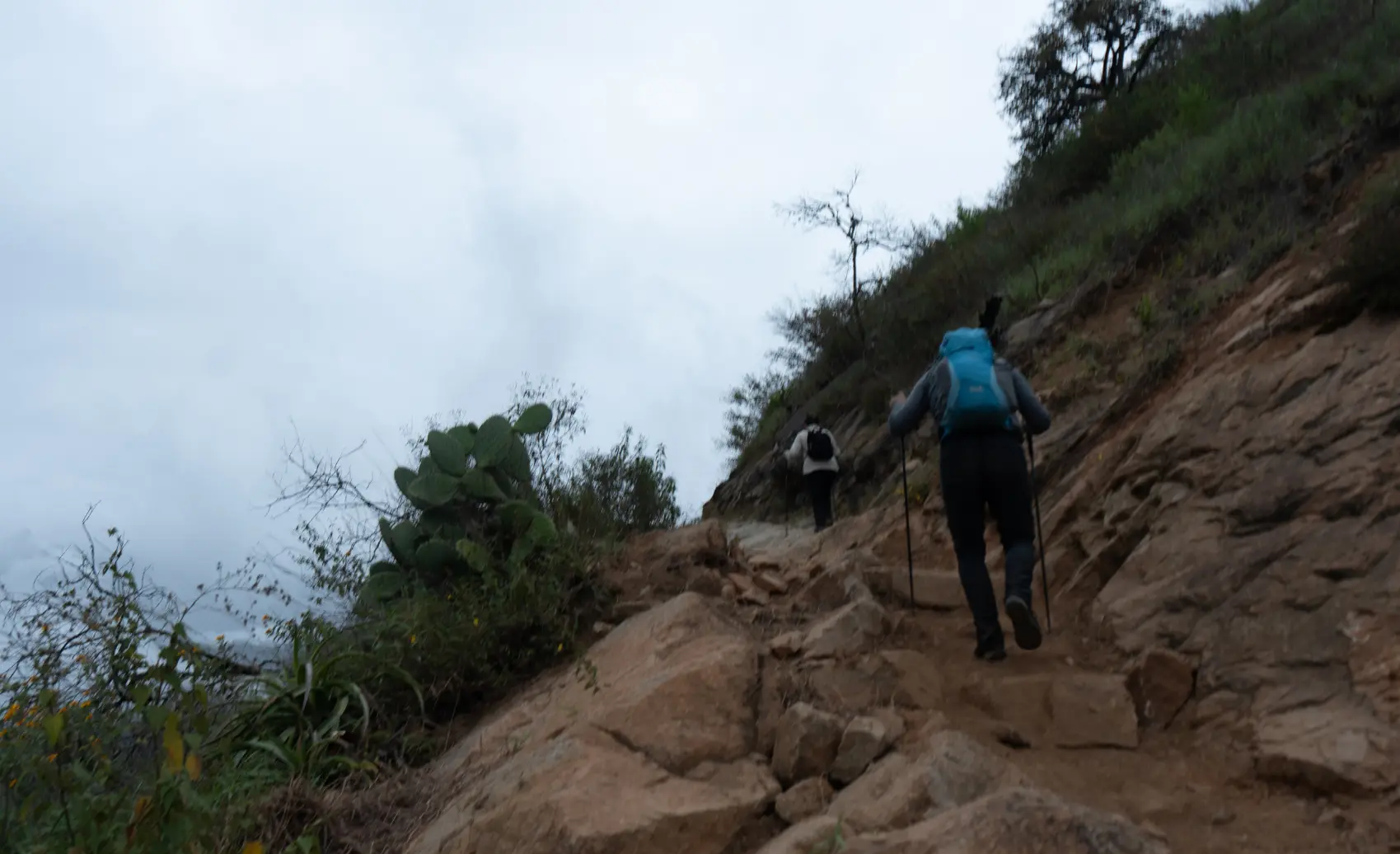
If you want firm trails and a more comfortable trek, choose your best time for the Choquequirao Trek wisely.
Expert tip:
If you’re beginner or traveling alone, avoid rainy months, your best time to do Choquequirao Trek is during dry months.
High season vs low season
If you seek adventure fulfilling all your expectations, choosing best time for Choquequirao shouldn’t only be limited to considering weather, but also, notable differences existing between doing hike in high and low season (tourism demand). Which can influence your travel experience, logistics, and required budget.
Are there many people in Choquequirao?
If your choice of best time for Choquequirao depends directly on traveler influx, clear answer is that you shouldn’t worry about choosing between high season or low season. Since Choquequirao Trek remains hidden jewel, where even in most popular months (May to August), visitor quantity is minimal.
- Comparison with Machu Picchu: While Machu Picchu receives more than 3,000 daily tourists, Choquequirao receives average of more than 30 visitors per day. This means more exclusivity, greater environment connection, and more opportunity to enjoy archaeological site almost alone.

Weather and visitor numbers are key when choosing your best time for the Choquequirao Trek.
Prices and availability
During planning your best time for Choquequirao Trek, it’s important you inquire about prices and availability of your selected date (if traveling with travel agency). Since every traveler knows tourist services usually increase their prices in high season and offer discounts or promotions during low season.
Therefore, below, we provide list of factors you must consider:
- Tour and guide prices: if you’re thinking of hiring agency, planning ahead will allow you to access exclusive discounts or promotions (especially in low season months).
- Campsite availability: although currently there’s no strict entry limit, some route campsites can fill up in high season (Chiquisca, Playa Rosalina or Marampata).
- Logistics and transportation: In rainy season, some access roads (like Cachora–Capuliyoc section) may be deteriorated, which could increase transportation costs or require alternative transfers.
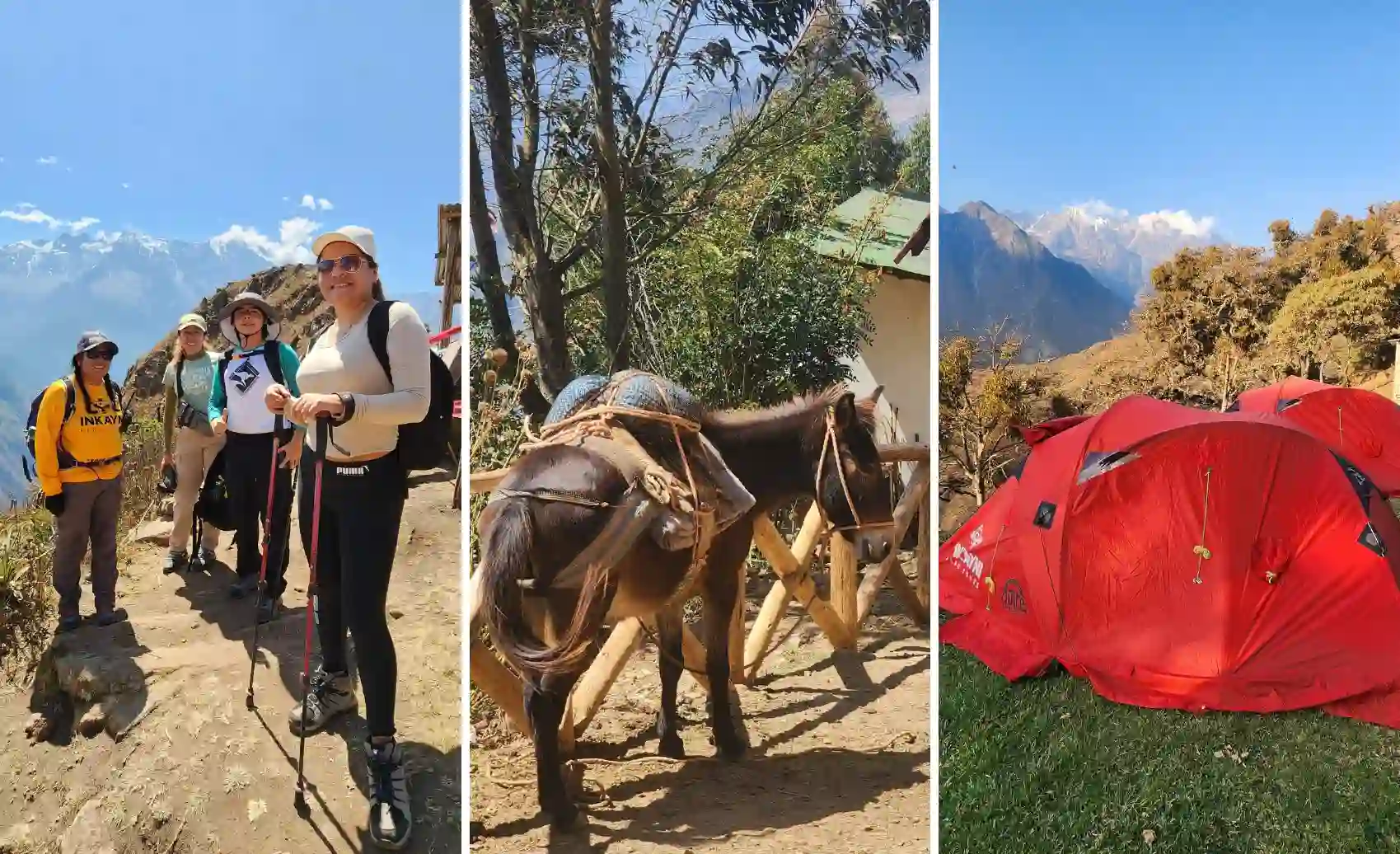
Good preparation and gear make all the difference on the Choquequirao Trek.
Best time for flora and fauna sighting
We’re aware Choquequirao Trek is adventure offering you incredible views of imposing mountains, snow capped peaks, and clear skies and if you’re more observant, you’ll notice each step you’re accompanied by wild plants, varied insects, and some Andean birds.
So if your goal is capturing nature’s best, birds or animals inhabiting this area, your best time to do Choquequirao Trek is during rainy and transition months like November, March, April, and May.
This is because rains generate plant blooming and greater river or stream flow, which are usually food sources and resting places for various animals and migratory birds.
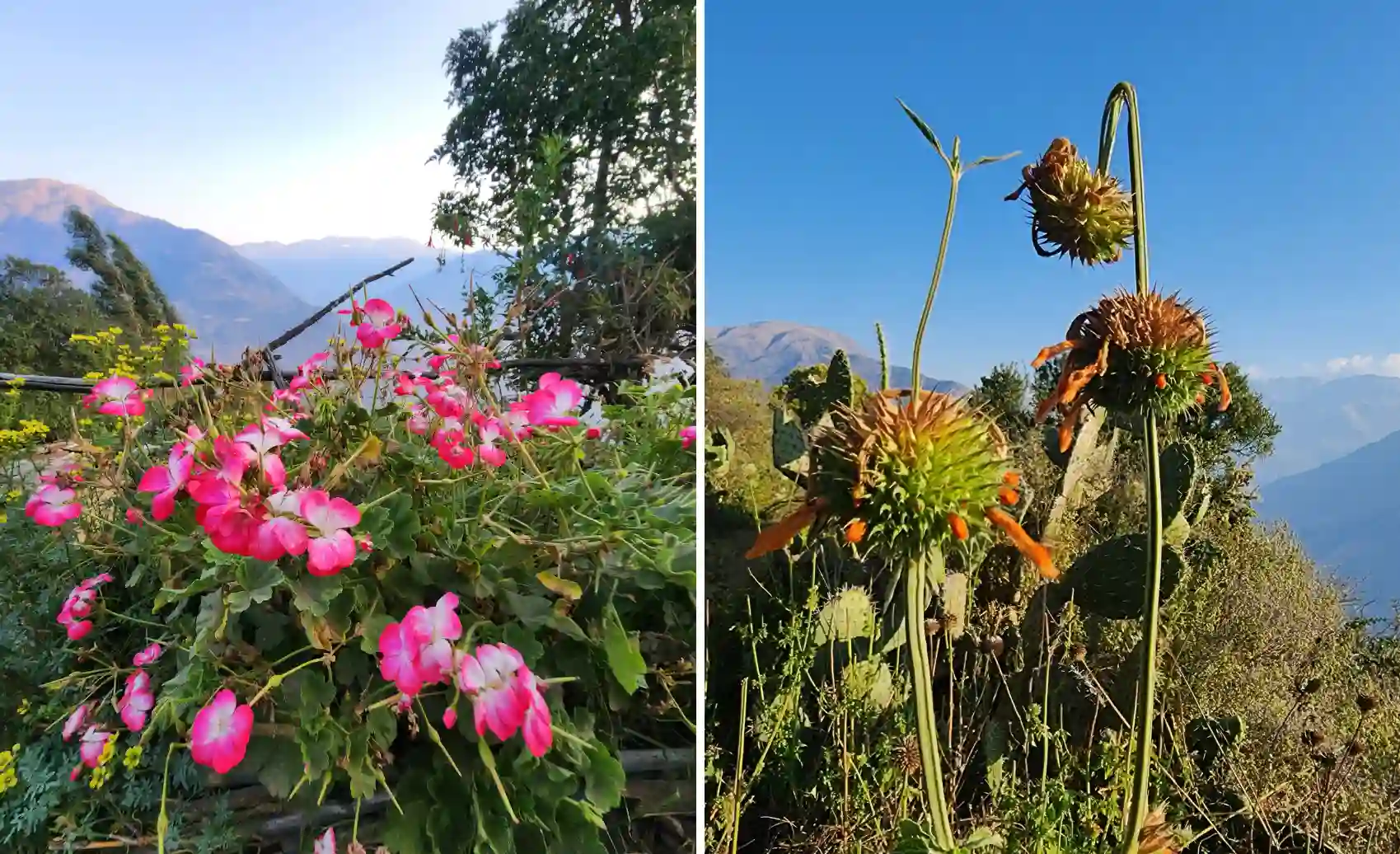
Nothing like capturing the unique, vibrant colors of the flora on your Choquequirao hike
Did you know…?
Best times for bird photography are between 6:00 and 8:00 a.m. and between 4:30 and 6:00 p.m., when they’re most active and vibrant.
Ready for your next adventure?
Choosing best time to visit Choquequirao is ideally main step to fully enjoy this Andean adventure. Therefore, we remind you best months for doing this hike are May and June, when weather is optimal but not totally dry, skies are clear, and landscapes look spectacularly alive. In case you can’t travel in these months, period between April and October is always advisable.
On other hand, while rainy season (November to March) has its particular challenges, it also has its charm with greener mountains and solitary trails. We only recommend having proper equipment and being mentally prepared to face humid paths, greater humidity, and possible landslide interruptions.
In summary, best time will depend on type of traveler you are, since you must choose month giving you everything you’re looking for. So don’t think about it anymore, directly check availability to do Choquequirao Trek on your ideal date and start preparing for this adventure you’ll never forget!
Frequently asked questions (FAQs)
Can Choquequirao be done in February?
Yes, technically it’s possible to do this trek during this month, but it’s important to keep in mind that for experts this isn’t best time for Choquequirao, as it’s month with greatest presence of extremely intense rains. Which causes trails to be slippery or even tours may be interrupted by landslides.
Is it dangerous to go in rainy season?
No, since while weather conditions aren’t usually most favorable (especially in February). Safety depends greatly on traveler’s physical condition, proper equipment, and updated information about trail conditions (terrain).
Therefore we strongly recommend going with professional agency.
What happens if it rains during trek?
Main recommendation for facing rain challenges is having ideal equipment like waterproof clothing, good footwear with grip, and backpack and equipment protection. Since although you’re traveling in best time for Choquequirao (dry season), this doesn’t ensure you won’t encounter some unexpected rain.
What is coldest month of year in Choquequirao?
Coldest month in Cusco is usually July month, especially at nights. Since temperatures can drop below 32°F (0°C) in trek’s high areas (Marampata and Cocamasana). Although days can be sunny and mild, early mornings and nights require proper warm clothing, like thermal jackets, hat, gloves, and good quality sleeping bag.
How far in advance should I book?
If your best time for Choquequirao Trek is in high season (dry season), it’s recommended to book at least 2 to 4 months in advance. Since during demand for guides, transportation, and campsites increases substantially, and some agencies may have limited spots.
On contrary, if your best time for Choquequirao trek is during rainy season, it’s recommended to book at least 4 weeks ahead to have better control of trail condition or complications that may arise from weather conditions.
Can it be done on your own or with agency?
Officially, Choquequirao Trek can be done both ways, but if you’re thinking of doing it on your own, best time to do Choquequirao is definitely dry season, due to route facilities and less weather change.
Is trek suspended due to rains or landslides?
In general, trek isn’t suspended due to common rains, but it can be temporarily affected by landslides, river swells, or major collapses that may put trip safety at risk. Therefore we remind you that to avoid these bad times, best time for Choquequirao Trek is during months from May to October.
Shared:


If you liked this article and the information you found, give us 5 stars!
 (Ninguna valoración todavía)
 Loading...