


Table of Contents
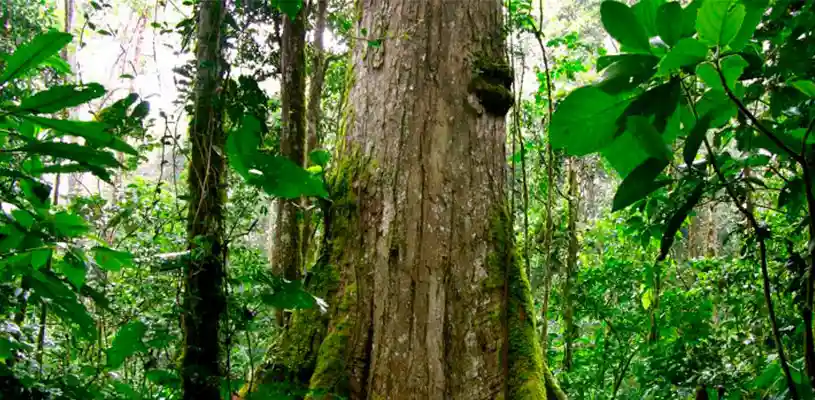
Pampa Hermosa is a National Sanctuary habitat of the cock of the rock. Sanctuaries are naturally occurring areas that are meant to protect the endangered species from hunting, poaching and predation. They are protected and administered by the government. The main focus of these areas is the conservation of ‘wild nature’ for posterity and as a symbol of national pride. There are 9 National Sanctuaries in Peru. Let’s learn more about Pampa Hermosa National Sanctuary.
Location:
Pampa Hermosa National Sanctuary is located in the districts of Huasahuasi and Chanchamayo in the department of Junin.
Extension: 11,543.74 hectares
Description:
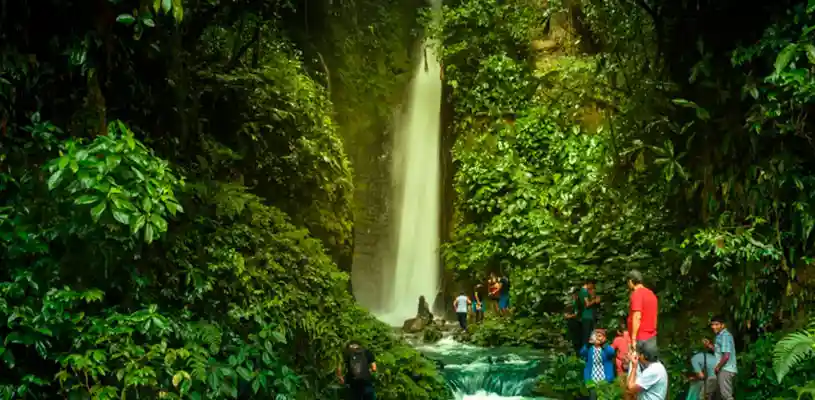
The main function of the Pampa Hermosa National Sanctuary is to preserve one of the last pristine areas of montane forests in central Peru. This sanctuary is home to native species. It is an area rich in biodiversity that had been studied very little. Rivers like Cascas and Ulcumayo contribute to the Oxabamba river. Here you can find 10 waterfalls that can be visited by local or foreign tourists.
Pampa Hermosa National Sanctuary guarantees the stability of the area providing with land, food and water. These sources promote the development of the integrated and sustainable use of the natural resources.
Fauna of Pampa Hermosa National Sanctuary:
Pampa Hermosa National Sanctuary has a great variety of important species in Peru. Unfortunately, some of them are in danger of extinction like Spectacled bear also known as Andean bear. It was spotted in Archeological Complex of Machu Picchu.
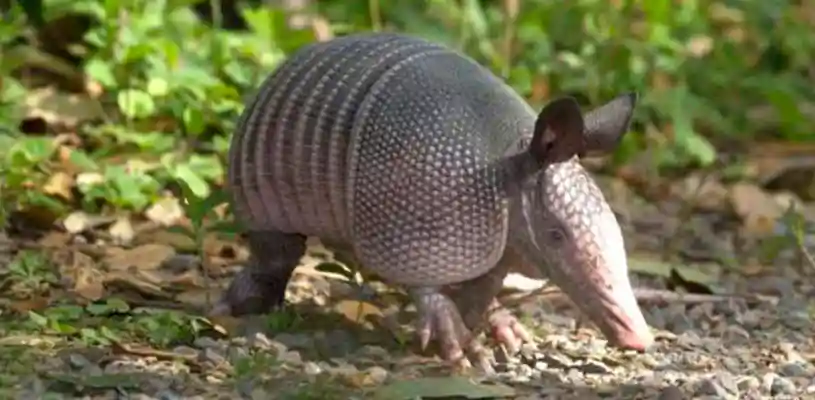
Among other species you can observe, we can name deers, little spotted cats, armadillos, agoutis. You will also observe birds. One considered to be the national bird of Peru is the Cock of the Rocks.
Cock of the Rocks:
Cock of the Rocks or Rupicola Peruvianus is also known as “Tunki” in the Quechua language. It can be found in the cloud forests of the Andes in South America, in Colombia, Venezuela, Ecuador, Peru, and Bolivia. They live at altitudes between 485 and 2,440 m (1,590 – 8,000 ft).
According to Supreme Resolution 983 of the Ministry of Foreign Affairs, promulgated in the government of President Manuel Prado on December 11, 1941, the Cock of the Rocks is the national bird of Peru.
¿Would you like to know more about this emblematic bird of Peru? Visit this link to learn more about the Cock of the Rocks, national bird of Peru.

Cock of the Rocks, national bird of Peru
Note:
Premontane forests and montane forests in Pampa Hermosa National Sanctuary are being fragmented and threatened due to migration and change on land use.
How to get there:
There are different routes to get to Pampa Hermosa National Sanctuary. The best way to get there is by taking the bus from Lima to San Ramon (Central road). On the route from San Ramon to the Pampa Hermosa Lodge you will pass through Victoria and Lourdes bridge. Then you will arrive in Nueva Italia town.
Pampa Hermosa Lodge is at the end of the route, 2 km from the Nueva Italia. From this point you will continue the by foot until you enter the sanctuary.
Inkayni tips:
- Wear a hat and sunscreen to prevent from sun damage.
- Drink water to keep hydrated.
- Buy dried fruits.
- Children must be under a parent supervision.
- Bring your personal documents and passport with you all the time.
- Take some cash with you.

“Life is short and the world is wide.”
Shared:



If you liked this article and the information you found, give us 5 stars!
 (Ninguna valoración todavía)
 Loading...