


Table of Contents
Hike to Choquequirao Archaeological Complex becomes adventurers’ and nature lovers’ favorite each year. Since it’s journey offering you opportunity to travel one of Cusco’s most challenging and rewarding trails, as well as possibility of enjoying route’s flora and fauna.
However, there’s still doubt whether to do Choquequirao without a guide or with travel agency, considering aspects like required logistics, necessary physical level, and proper exploration of both trail and Inca citadel. So how advisable is doing it on your own?
In this article you’ll find everything you need to know to do trekking on your own: itinerary, necessary equipment, costs, and key safety tips. If you’re considering this challenging but deeply rewarding experience, here you’ll resolve all your doubts to plan your independent adventure.
Is it possible to do Choquequirao trekking without guide in 2025?
Yes, as of this publication’s time, route access still doesn’t require special permit or need to have team (guides, muleteers, and more). Similarly, route is well defined, so it’s practically impossible to deviate or get lost, if you decide to do Choquequirao hike without guide.
And in case you don’t know, currently route has basic tourist infrastructure at its different rest points (campsites, food and water stalls). Which greatly facilitates required logistics preparation, avoiding carrying excess equipment.
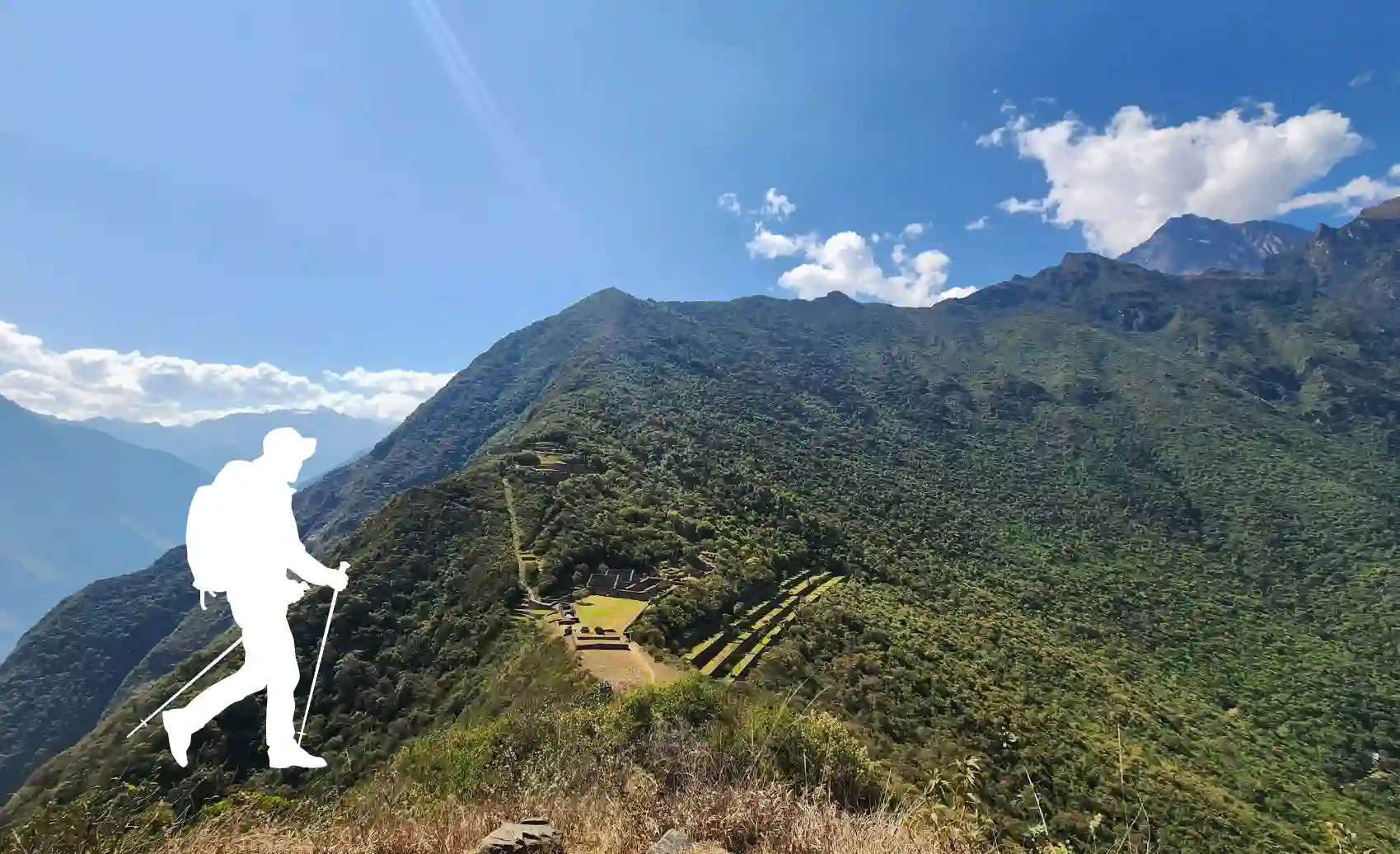
Doing the Choquequirao Trek without a tour is definitely an adventure filled experience you’ll never forget.
Expert tip:
If you have previous trekking experience, very good physical condition, and are organized with logistics, your experience crossing this route will be rewarding.
With travel agency
If you’re novice traveler or prefer traveling with more comfort, logistical support, and local knowledge, doing Choquequirao trekking with guide and professional team will offer you greater safety and cultural context during your exploration, although at higher cost.
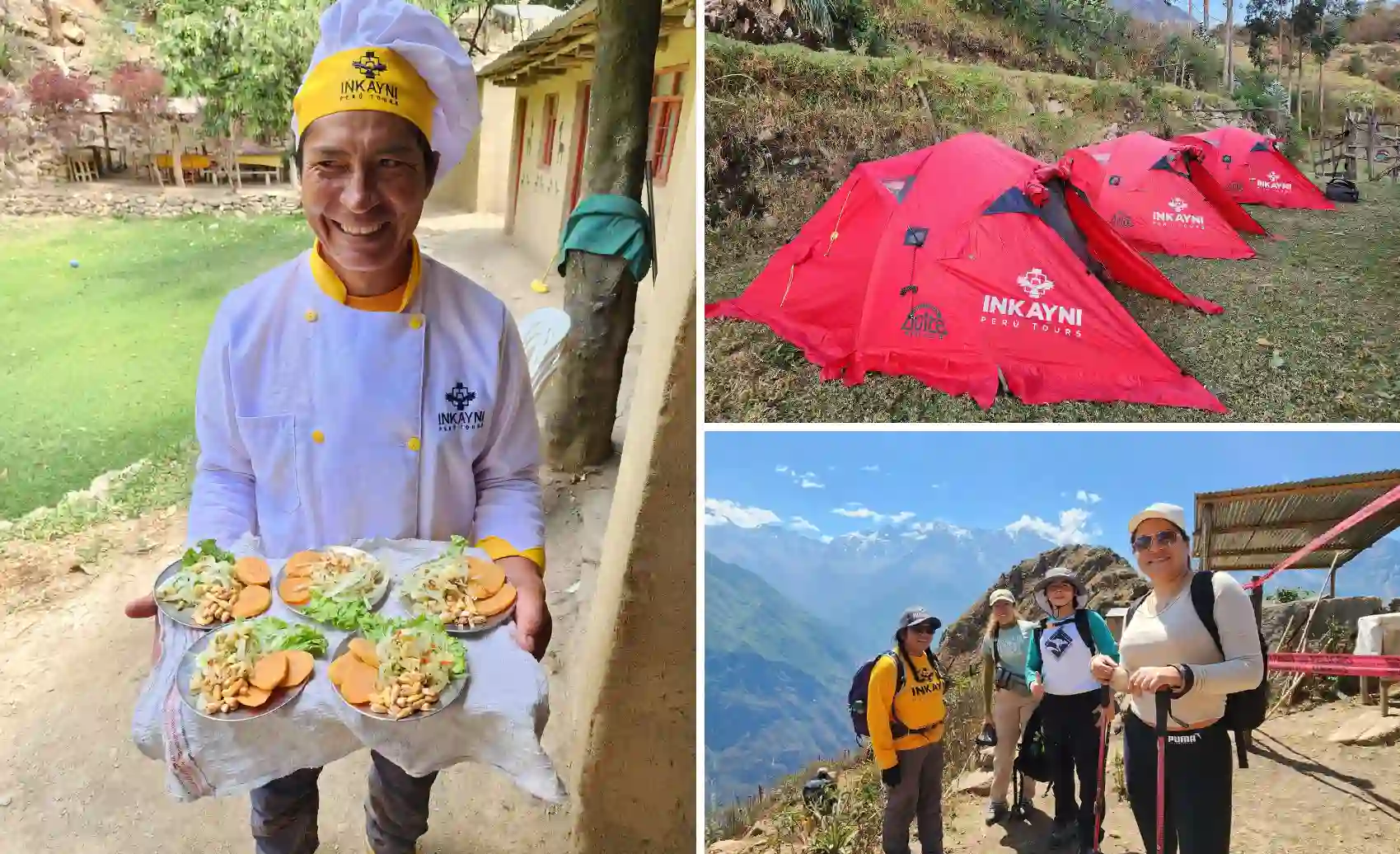
If you want comfort, professional support and great food, trekking Choquequirao without a guide is not your best option.
Is it safe to go to Choquequirao without guide?
Yes, as in recent years Choquequirao Trek safety has been improving, especially if we refer to trail condition, signage, basic services (food and lodging), and emergency response.
This doesn’t mean you don’t have to take certain precautions, since although this route isn’t dangerous by itself, it does require preparation, proper equipment, very good physical condition, and common sense, since let’s remember this is activity in remote environment.
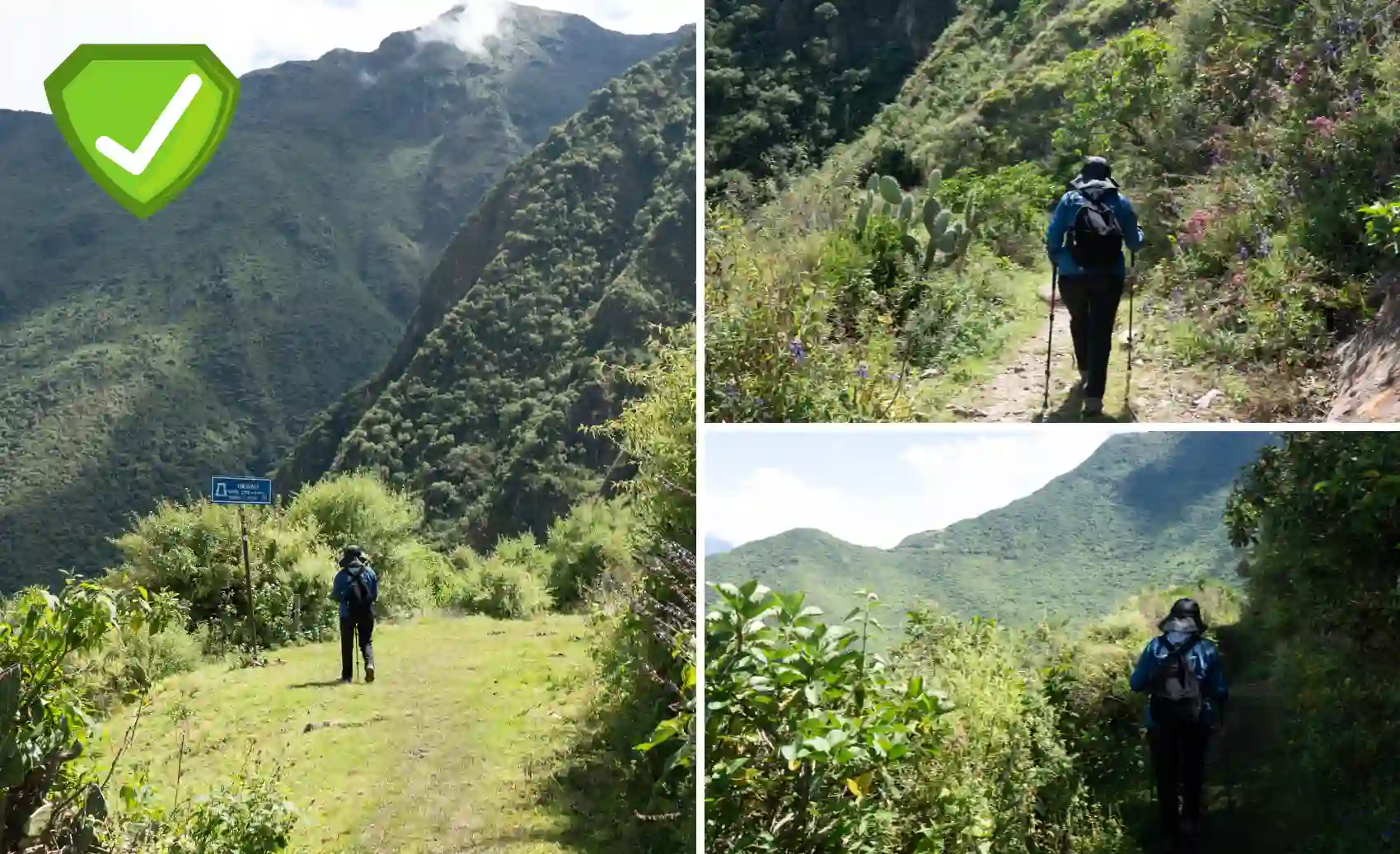
Nature sounds, open views with no visual noise and a trail winding right through the landscape.
Key factors to consider:
- Weather conditions: Choquequirao Trek route offers you different weather experiences, influenced by season and altitude variations, for which you must be prepared.
- Trail solitude: While it’s considered very little traveled route, which is part of its charm. Reality is during journey you will encounter some tourist or national hikers, as well as residents themselves.
- Signage: In general, trail is well marked to archaeological site. However, it’s advisable to carry GPS, offline maps (like Maps.me or Gaia GPS), and know how to orient yourself.
Precautions to minimize risks:
- Inform your route and travel dates to someone trustworthy.
- Carry sufficient water and purification system for consuming from natural sources.
- Avoid walking at night, especially if you’re new and don’t have flashlight.
- Camp only in designated and authorized areas.
- Carry first aid kit and personal medications.
- Consider renting mule in case you feel extremely tired.
Warning:
Lower risk, greater enjoyment. Trip on your own can become best experience of your life.
What is best time to do Choquequirao without guide?
Best time to do Choquequirao trekking without guide is during dry season, running from April to October, since during these months, weather is more stable, skies are clear for better location, and trail grounds allow firmer walk; greatly reducing probability of suffering accidents like falls or slips.
However, this doesn’t mean it’s impossible to do hike during rainy season (November to March). Which while presenting several challenges like muddy roads, possible landslides, and reduced visibility due to fog; also offers you greener landscapes and lush flora.
You only need to consider that logistics become complicated and some campsites may be in poor condition.
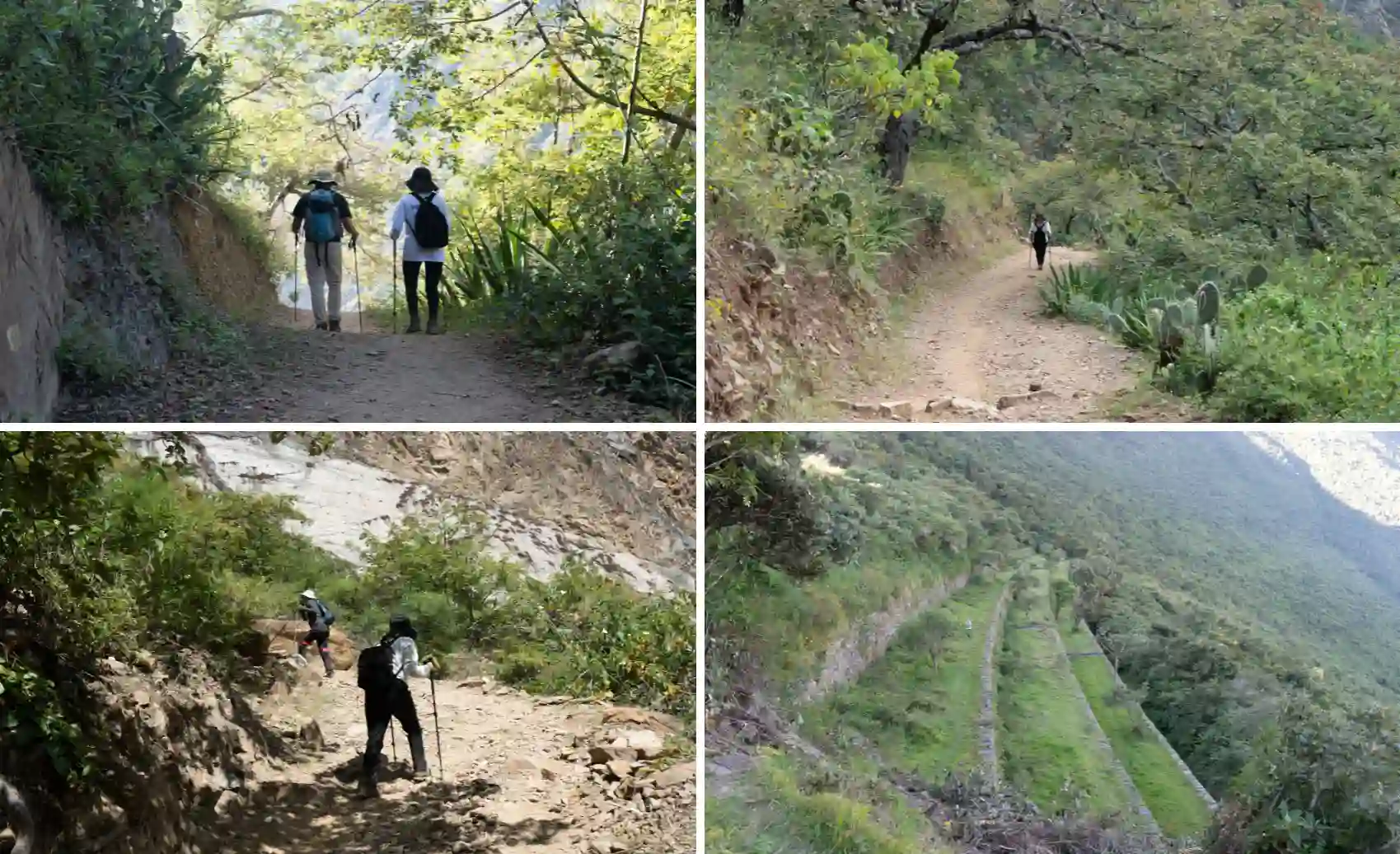
Dry, solid trails and stable weather are the main advantages of doing Choquequirao without a guide at this time of year.
Final advice: if you plan to go on your own, choose May, June, or September months, when weather is optimal and Andean landscapes shine in all their splendor without July and August crowds.
How to reach trekking start?
We know today this has become one of greatest doubts and complications travelers have who dare to make Choquequirao trip without guide (or agency). But don’t worry about this anymore, since thanks to increased tourism demand toward this Inca citadel, transportation services have been implemented allowing you to move between key points like Cusco, Cachora, and Capuliyoq (trekking starting point)
Reason why, below we’ll provide all updated information, transportation types, and average prices so you can undertake this adventure departing from Cusco city.
Public transportation from Cusco to Cachora and Capuliyoq
- Head to Cusco bus terminal and take bus to Abancay, considering journey lasts between 4 and 5 hours and costs between $8 to $13 (30 to 50 soles) (depending on season).
- Get off at “Ramal de Cachora” junction or tell driver to drop you at km 150–154 crossing.
- Place where you can take colectivo (shared) for $1.30 (5 soles) or private taxi for $4 to $5.30 (15 to 20 soles) toward Cachora, although some reports indicate it can cost up to $8 or $13 (30 or 50 soles).
- After arriving in Cachora, you can take colectivo toward Capuliyoq for $2.60 (10 soles) (if you’re lucky) or taxi for price of $13 (50 soles) per person.
Recommendations:
- Purchase your bus tickets previously: take advantage of your prior stay days in Cusco to purchase bus tickets to Abancay, to avoid last minute purchases or delays due to lack of spots.
- Start your trip early: book your tickets at earliest possible time, so you can arrive ahead and enjoy bit of trip without worry of arriving late or at night.
- Attention at junction: keep location control so you can be preparing to get off at “Ramal de Cachora“.
- Carry cash: many transportation services only accept cash, so we recommend carrying cash in soles and small denominations.

Follow these recommendations so your trip to Choquequirao without a guide doesn’t turn into a headache.
Ideal itinerary for doing Choquequirao hike without guide
Despite doing Choquequirao trip without guide translating as free hike, reality is establishing itinerary will allow you to better manage your food, hydration, and budget. So we recommend doing Choquequirao Trek in 4 days, crossing following points:
- Day 1: Cusco – Cachora – Chiquisca – Playa Rosalina Alta
- Day 2: Playa Rosalina Alta – Marampata – Choquequirao
- Day 3: Marampata – Chiquisca
- Day 4: Chiquisca – Cachora – Cusco
How much does doing Choquequirao without guide cost?
If you’re worried price might be higher, we inform you budget for doing Choquequirao trip without guide or travel agency is substantially more economical and to calculate how much money you’ll need we’ll consider aspects.
| Services | Average prices |
| Transportation Cusco – Cachora Junction (km 150) | Public Bus: $8-$13 (30-50 soles) |
| Transportation Cachora Junction – Cachora | Colectivo: $4 (15 soles) |
| Transportation Cachora – Capuliyoq | Colectivo: $2.60 (10 soles) |
| Entrance to Choquequirao Archaeological Site | Adults: $16 (60 soles)
Students: $8 (30 soles) |
| Food | $4 – $5.30 (15 – 20 soles) (per each breakfast, lunch and dinner) |
| Lodging (room or cabin) | $6.60 – $8 (25 – 30 soles) per person |
| Snacks on route | $1.30 – $2.60 (5 – 10 soles) |
| Water and rehydrating drinks | $1.30 – $5.30 (5 – 20 soles) |
| Hot shower | $2.60 (10 soles) |
Extras to consider
- Emergency transportation, since during your journey you may need to hire mule or horse ($21 – $26 / 80 – 100 soles).
- Extended stay, in case of requiring one more night lodging consider accommodation and food.
- Tips, in case you’ve requested muleteers’ services.
- Electrical charging, in case you don’t have portable battery ($1.30 / 5 soles per cell phone charge). Remember to inquire price per equipment.
- Wi-Fi, connect and communicate if necessary ($1.30 / 5 soles per hour)
Final tips for successful Choquequirao trekking without guide
Do prior physical preparation
If Choquequirao Trek is already considered one of most demanding, imagine doing Choquequirao hike without guide or support team. So we strongly recommend that 2 to 3 months before, do cardiovascular, strength exercises, and complement them with outings or multi day hikes.

Nothing beats being in great shape, especially if you plan to do the Choquequirao Trek without a tour.
Collect route information (GPS control and maps)
Although we already clarified road is well marked, it can’t always be clear in certain sections or areas. And if this is your first time on your Choquequirao trip without guide, we recommend: having offline map (physical or digital), requesting information at each campsite, and if your budget allows, renting or buying satellite phones and compass.
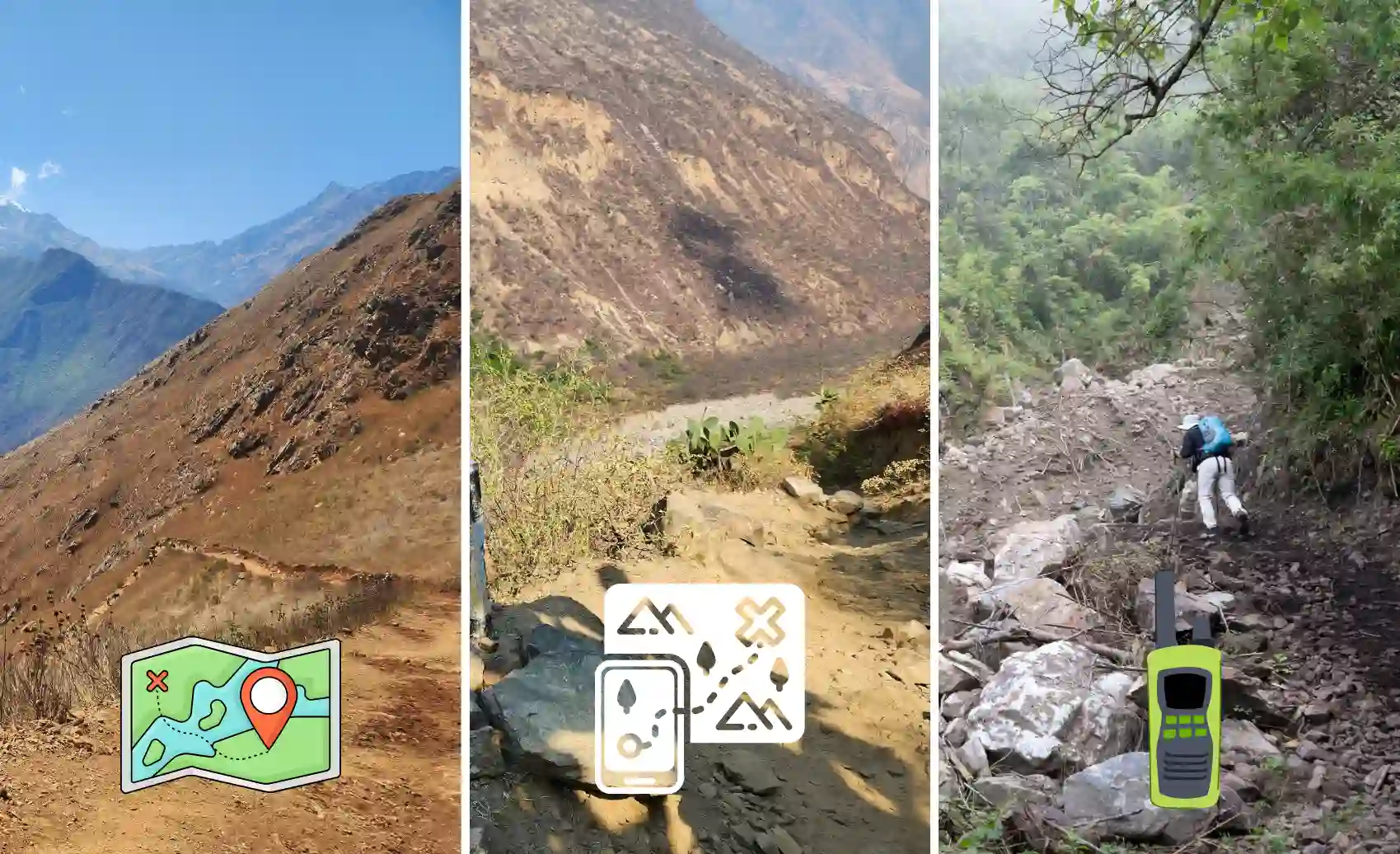
Staying informed and connected is a great way to feel safe when you hike the Choquequirao Trek without a tour.
Calculate distances and maintain gradual pace
We know doing Choquequirao hike without guide gives you advantage of walking at your own pace. But this doesn’t mean you should take very frequent breaks, as trekking time will become longer, as well as physical wear and fatigue feeling.
Start early and avoid sun
Nothing better than doing Choquequirao hike without guide and without intense sun rays hitting your face. So we recommend departing between 5 and 6 am, without forgetting to prepare your headlamp, manage your day’s snacks and water, and have your energetic breakfast.
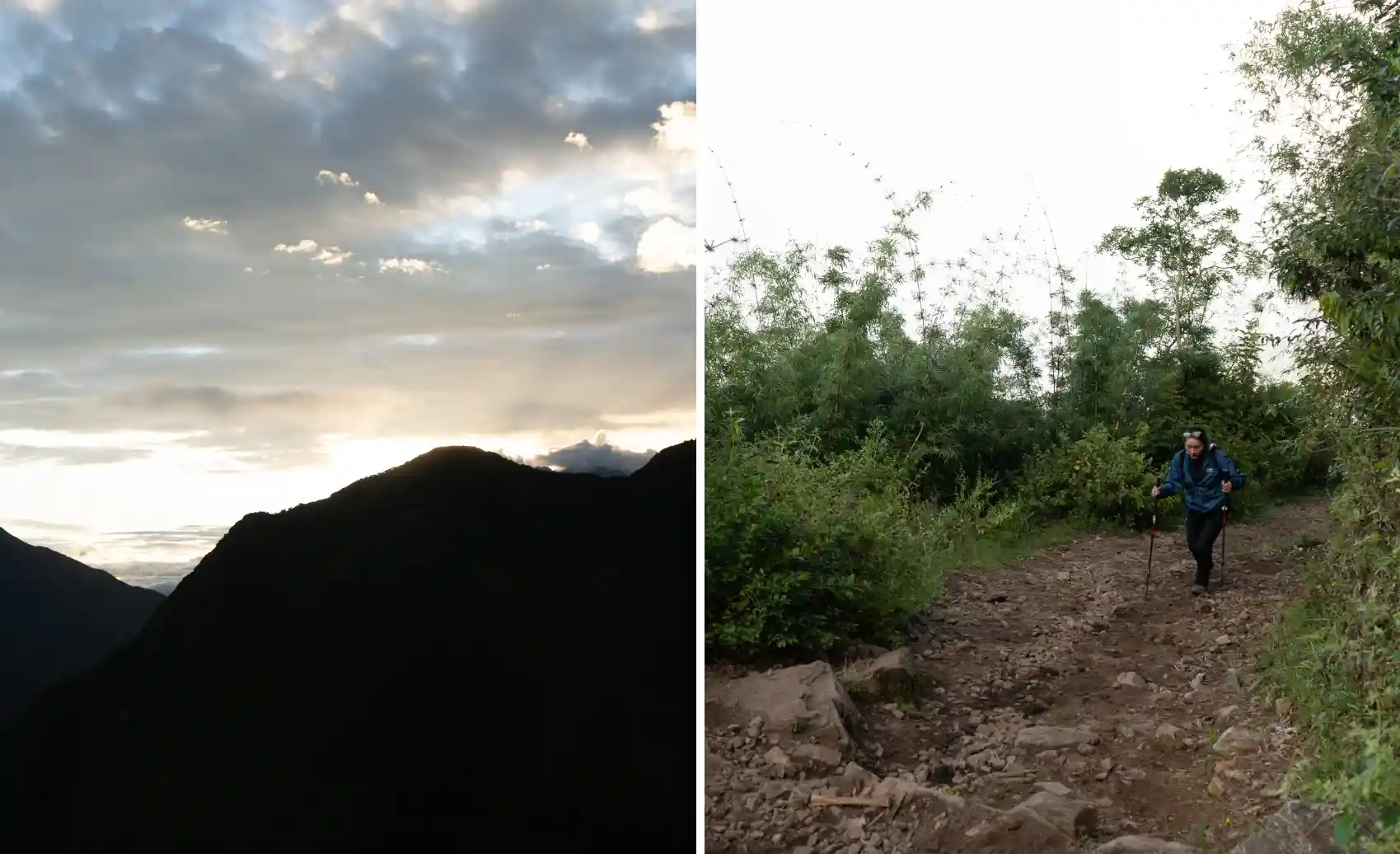
Starting early is a great idea if you want to avoid the intense sun; remember the weather in this area is mild.
Carry proper backpack
Remember when doing Choquequirao Trek without tour, you must have everything necessary according to your needs, since if you travel and plan to camp, cook your own food, and not hire muleteer, your backpack must have capacity between 55 to 70 liters.
But if you plan to spend nights in rooms and also consume breakfasts, lunches, and dinners offered, you can carry backpack with capacity between 40 to 55 liters.
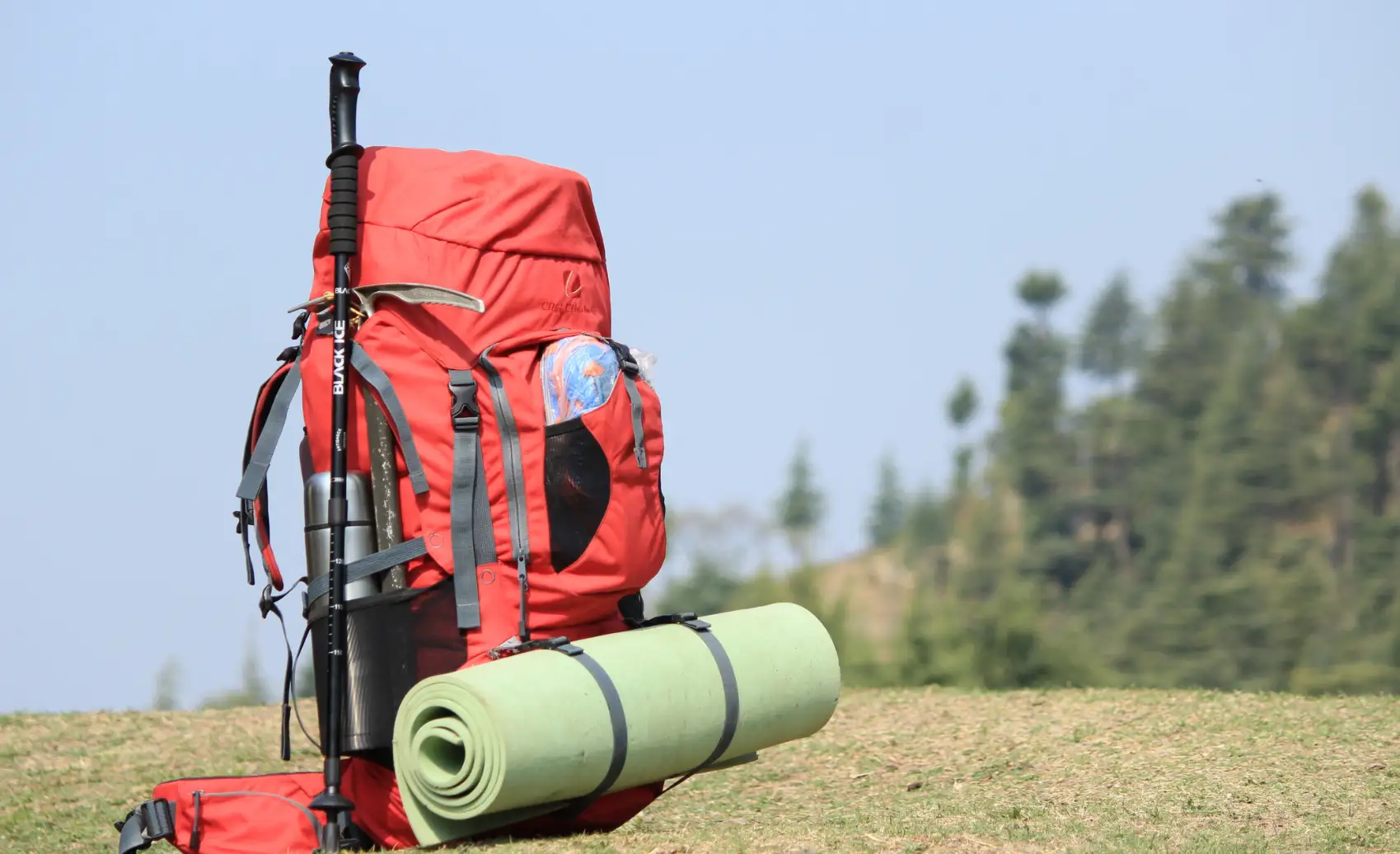
A backpack that lets you carry everything you need will be your best ally for trekking to Choquequirao without a guide.
Is it advisable to do Choquequirao without guide if it’s your first long trek?
Depends, since doing Choquequirao trek without guide does increase physical demand level and route difficulty. However, this doesn’t mean it’s impossible or only option for professional and experienced hikers.
Since one of major factors to consider is equipment, as if you follow our recommendations and equip yourself with proper and necessary to cover protection, food, and hydration needs, you can make trip calmly and without major complication.
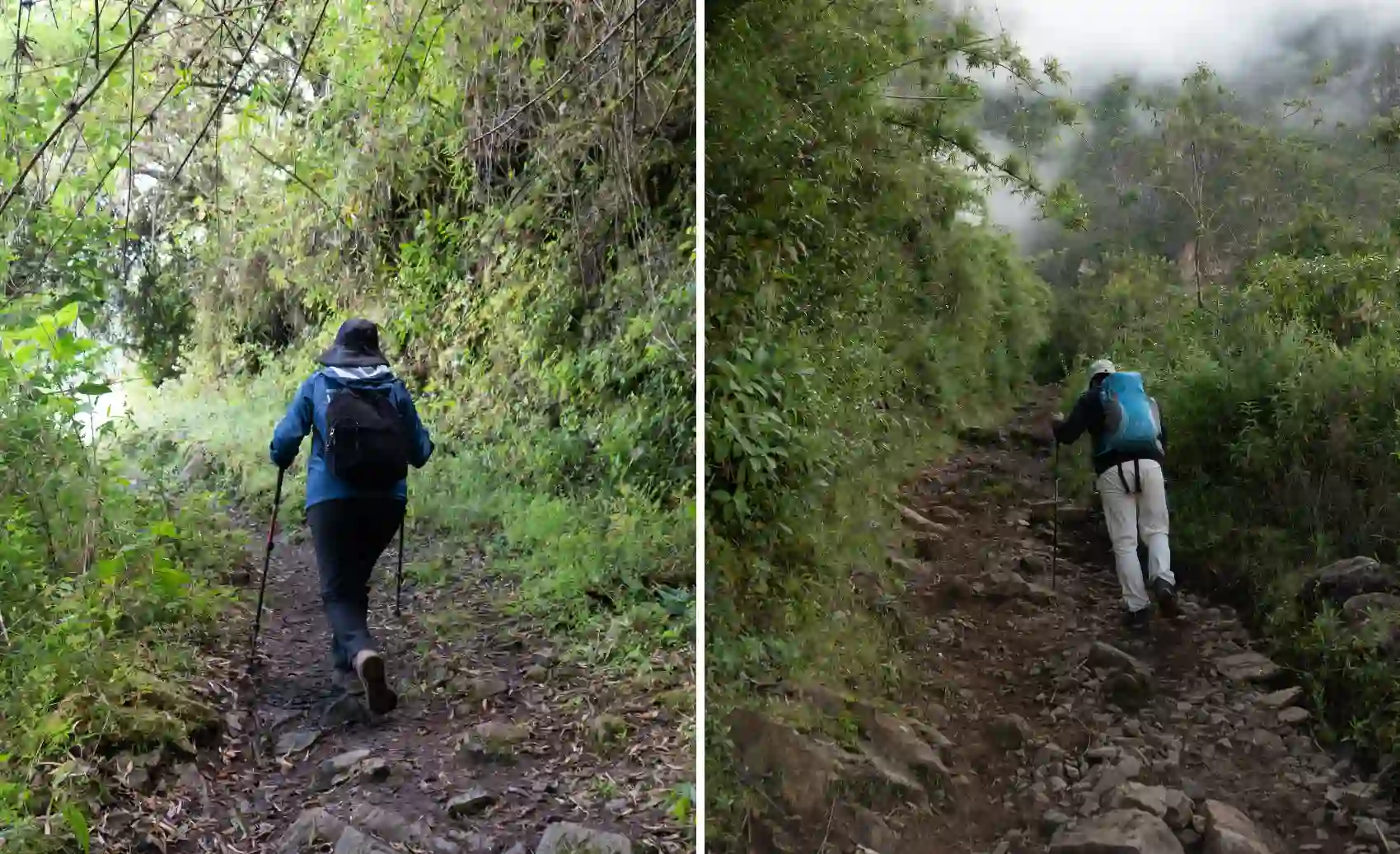
Hikers climbing a steep uphill section toward Choquequirao.
On other hand, if you’re thinking of making this trip without good planning and without following our recommendations, it’s really not good idea. Remember doing this route is already considered challenge and doing Choquequirao hike without guide or supervision is much more so.
Is going to Choquequirao without guide worth it?
Yes, doing Choquequirao trekking without guide is totally worth it if you’re independent, prepared traveler seeking authentic experience. In this article you learned it’s possible to organize route on your own, there are safe alternatives, and with planning you can enjoy one of Peru’s most impressive archaeological sites.
It’s demanding adventure, but also deeply rewarding. Each step is encounter with nature, history, and yourself.
If you decide to undertake this route, do so responsibly: care for environment, support local communities, and carry everything necessary without leaving trace.
Choquequirao isn’t just destination, it’s personal challenge. And if you’re ready to take it on, reward will be unforgettable.
Do you dare to discover it yourself?
Frequently asked questions (FAQs)
How much time is needed?
Classic itinerary takes 4 days (round trip on same route), but many prefer doing it in 5 or 6 days to walk more calmly. If you want to continue to Yanama or link with other routes like Salkantay, you can extend it to 8 or more days.
Do I need previous experience?
Yes, it’s advisable. Although it’s not technical trek, it’s physically demanding, with steep climbs, prolonged descents, and long days. If it’s your first long trek, better start accompanied or with agency.
Are mules available on road?
Yes. You can hire mules and muleteers in Cachora, Capuliyoc or Marampata. Prices vary between $11 to $16 (S/ 40 and S/ 60) per day depending on section. This relieves load and allows you to enjoy road more.
How many kilometers total?
Round trip route from Cachora to Choquequirao adds approximately 36–38 miles (58–62 kilometers), depending on detours and camping points you choose.
Is there cell phone signal in Choquequirao?
No. Signal is very limited or nonexistent from Capuliyoc onward. At some high points like Marampata you might catch intermittences, but it’s not reliable. Carrying offline maps or GPS is essential.
Is hiring only muleteer advisable?
Yes, if you don’t want guide but want to lighten your backpack, local muleteer can help you with load. Additionally, knows road well and can be logistical support in case of emergency.
How frequented is road by other travelers?
Choquequirao is little traveled route. In high season you can cross paths with 5–15 people per day. In low season (rains), you could walk hours without seeing anyone. This adds to experience, but also demands more self management.
Shared:


If you liked this article and the information you found, give us 5 stars!
 (Ninguna valoración todavía)
 Loading...