Table of Contents
Ampay National Sanctuary is in Apurimac, Peru. Sanctuaries are naturally occurring areas that are meant to protect the endangered species from hunting, poaching and predation. There are 9 National Sanctuaries in Peru. They are protected and administered by the government. The main focus of these areas is the conservation of ‘wild nature’ for posterity and as a symbol of national pride.
This time we will learn more about Ampay National Sanctuary.
Where is Ampay National Sanctuary?
Ampay National Sanctuary is located in the district of Tamburco, province of Abancay, department of Apurimac.
It was established as protected natural area: July 23, 1987
Altitude: 2 800 to 5 235 m.a.s.l
Extension: 3635.5 ha
Description:
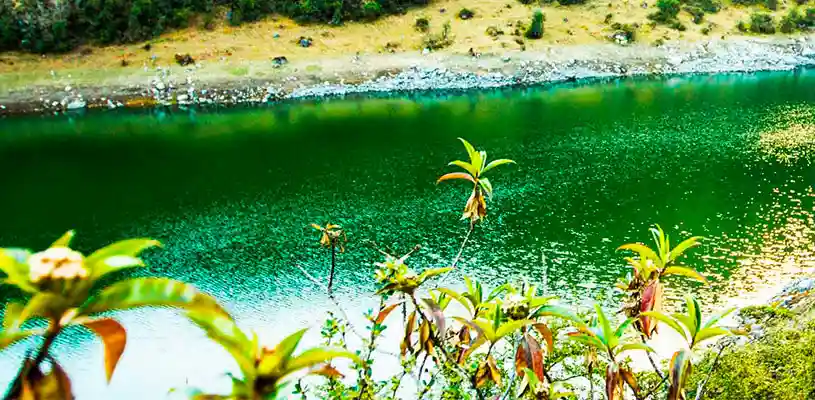
The name of the Ampay National Sanctuary is because of the Mountain that lies in the sanctuary is called Ampay. This sanctuary is in the Andes of Peru. It is 36.35 square kilometres (14.03 sq mi) in size. Here several endangered plant species are protected such as Intimpa or Romerillo (Podocarpus glomeratus). There are two beautiful small lakes: Angasccocha (at 3250 m) and Uspaccocha (at 3750 m). Clear and clean water allow us to see the reflection of the Mount Ampay summit..
What can you see there?
If you have the opportunity to visit the Ampay National Sanctuary, you will be amazed by the variety of fauna and flora that this place has to offer.
Fauna
Andean Fox:
Culpeo, also known as Andean fox, is a South American fox species. It is the second-largest native canid on the continent. It has grey and reddish fur, a white chin, reddish legs and a stripe on its back that may be barely visible.
The culpeo’s diet consists largely of rodents, rabbits, birds and lizards, and to a lesser extent, plant material and carrion. This fox can live up to 12 years. It is most common to live on the western slopes of the Andes..

Vizcacha:
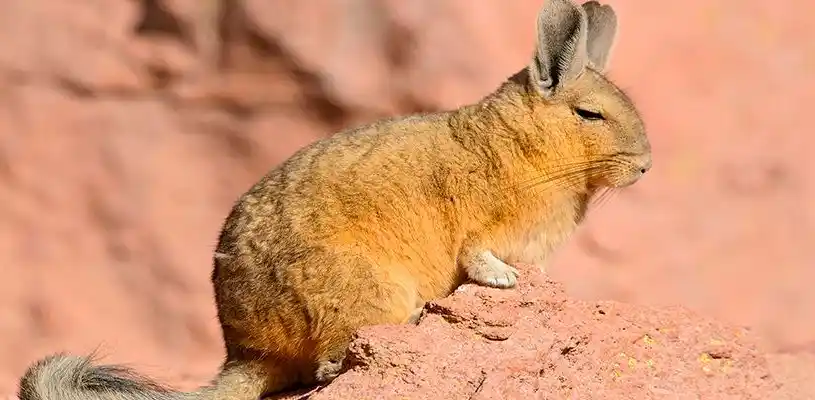
Vizcachas are rodents similar to chinchillas. They live in the Andes Mountains from central Peru southward to Chile and Argentina, usually at altitudes between 4,000 and 5,000 metres (13,000 and 16,000 feet). These rodents have very long ears and resemble long-tailed rabbits. Although they are poor diggers, they are agile on the rocks, where they eat grasses, mosses, and lichens.
Taruca:
Taruca, or north Andean deer, is a species of deer native to South America. It is in danger of extinction. Tarucas are found only in the Andes mountains, from central Peru, through Bolivia and extreme north-eastern Chile, and into northern Argentina. They are gregarious, but do not live in stable herds, with individuals moving between groups of up to thirty members each over the course of a few days. They measure 128 to 146 cm (50 to 57 in) from head to rump, with a 11 to 13 cm (4.3 to 5.1 in) tail, and stand 69 to 80 cm (27 to 31 in) tall at the shoulder. Adults weigh between 69 and 80 kg (152 and 176 lb). As with most deer, males are significantly larger than females.

Andean Gull:
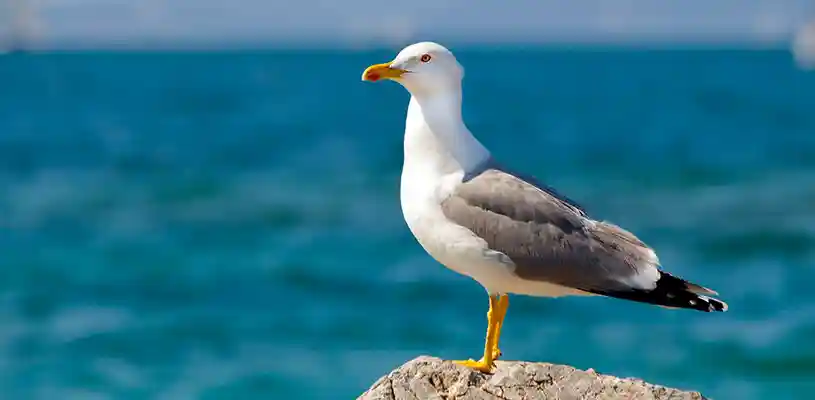
Andean gull is known from Chile, Peru, Argentina, Bolivia, Ecuador and Colombia. It breeds in mountainous areas, usually at elevations of over 3,000 metres (9,800 ft). Beautiful bird that is 45–48 cm (18–19 in) long, and has a dark hood, a pale grey back and a pattern of black and white on its primaries.
Andean Condor:
The Condor is one of the largest flying animals in the world, with a nearly 11-foot wingspan. Unfortunately, it is in danger of extinction, too.
The condor, symbolizing righteousness, was considered the most sacred bird by the Incas. It was thought to be the messenger between the earth and the heavens.
Cusco has a beautiful viewpoint located in the rural community of Chonta. This viewpoint is a favorite refuge for the birds, especially for the Andean Condor.

Flora:
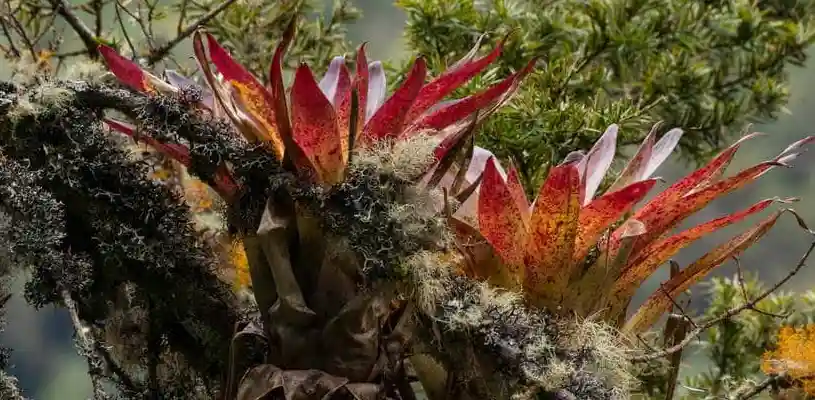
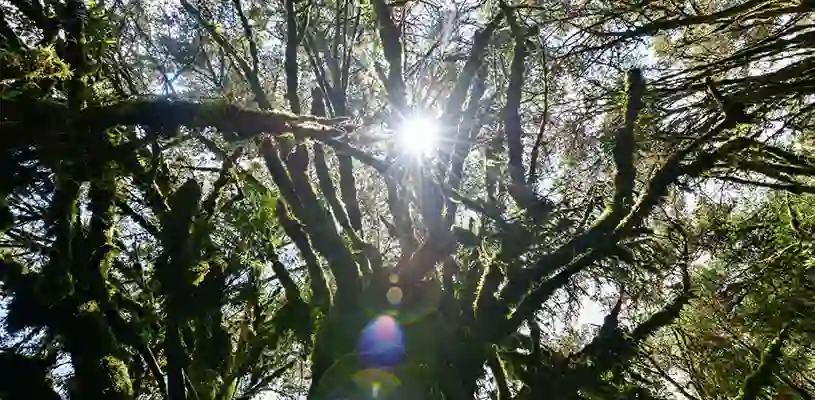
Flora Ampay National Sanctuary is well represented by the Intimpa tree. Forests of the conifer intimpa (Podocarpus glomeratus) cover an extension of almost 600 hectares. You can also find tress like unka, ch’uyllur, chachacomo, tasta, huamanq’ero, wankartipa and capuli-pishay, along with associated shrubs and herbs; and the high altitude grasslands, with herb species.
Inkayni tips:
- Wear a hat and sunscreen
- Drink water to keep hydrated.
- Buy dried fruits.
- Rent or bring trekking poles.
- Bring your personal documents and passport with you all the time.
- Children must be under their parents supervision.

“One’s destination is never a place, but a new way of seeing things.” – Henry Miller
Shared: